
Property owners often feel surprised when they compare an insurance estimate to a contractor’s repair proposal. In many cases, the numbers differ significantly. Understanding the difference between Insurance Estimate vs Actual Repair Cost helps homeowners and business owners avoid unexpected expenses and make informed decisions after a property loss. Moreover, knowing why these gaps occur can help policyholders pursue a fair claim settlement when repair costs exceed the insurer’s estimate.
What Is an Insurance Estimate?
An insurance estimate is the insurance company’s calculation of the cost to repair covered damage under a policy. Typically, an adjuster inspects the property, documents visible damage, and creates a repair estimate using specialized software. However, an insurance estimate is not the same as a contractor’s bid. Instead, it serves as the insurer’s assessment of what it believes the covered repairs should cost.
How Insurance Estimates Are Created
Insurance companies generally follow a structured process when preparing estimates. This process often includes:
- Property inspection
- Damage documentation
- Measurements and photographs
- Estimating software calculations
- Policy coverage review
- Claim valuation analysis
Most adjusters use industry-standard estimating platforms that rely on regional labor and material pricing. Nevertheless, the estimate only reflects the information available during the inspection. If damage remains hidden or overlooked, the estimate may not capture the full cost of repairs.
What an Insurance Estimate Typically Includes
Most insurance estimates contain:
- Labor costs
- Material costs
- Demolition expenses
- Debris removal
- Equipment charges
- Certain overhead and profit allowances
- Depreciation deductions
The exact contents vary depending on the policy, type of loss, and property conditions.
Purpose of an Insurance Estimate
Insurance estimates serve several important purposes.
| Purpose | Description |
|---|---|
| Claim Valuation | Determines the insurer’s assessment of damages |
| Settlement Calculation | Establishes the payment amount |
| Coverage Review | Identifies covered repairs |
| Reserve Planning | Helps insurers manage claim funds |
Although insurance estimates play a critical role in the claims process, they do not always reflect the final amount required to complete repairs.
What Is the Actual Repair Cost?
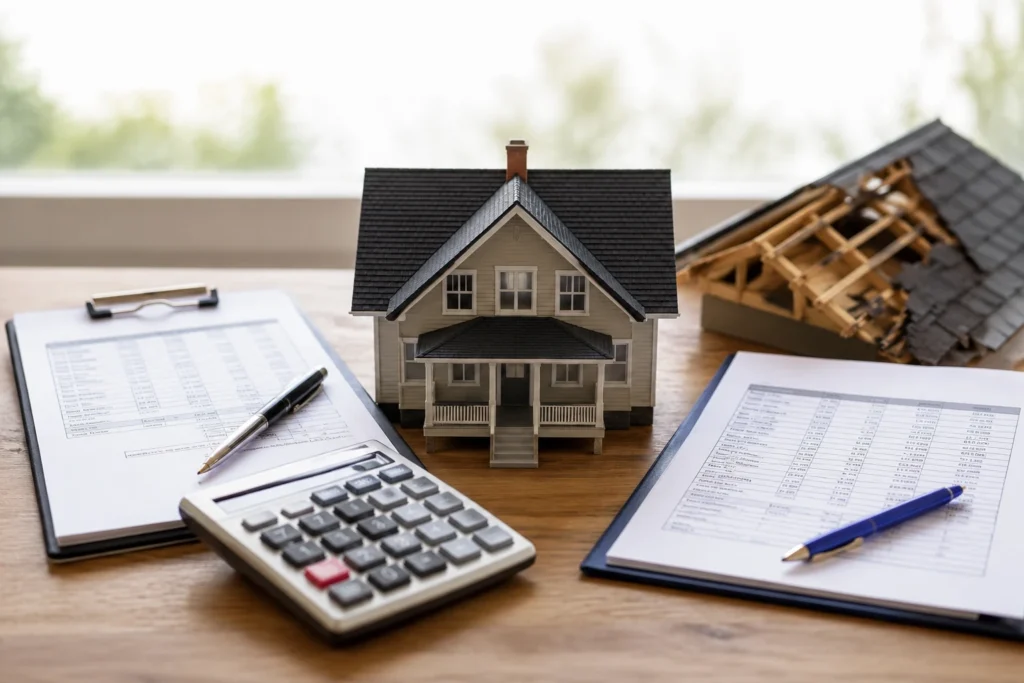
Actual repair cost represents the real-world expense required to restore damaged property. Unlike insurance estimates, actual repair costs come directly from contractors, suppliers, subcontractors, and local permitting agencies. Therefore, these costs often reflect current market conditions more accurately.
Understanding Real-World Construction Costs
Repair projects involve much more than replacing damaged materials. Contractors often account for:
- Labor and supervision
- Building materials
- Equipment rentals
- Permits and inspections
- Project management
- Specialized subcontractors
- Site cleanup
- Code compliance requirements
As a result, contractor estimates frequently include expenses that may not appear in the original insurance estimate.
Factors That Increase Actual Repair Costs
Several variables can increase repair costs unexpectedly.
Material Price Fluctuations
Construction material prices can change rapidly. Roofing materials, lumber, drywall, insulation, and siding products often experience market-driven price increases.
Labor Shortages
After severe storms or natural disasters, qualified contractors become harder to secure. Consequently, labor rates often rise due to increased demand.
Hidden Damage
Some damage remains concealed until demolition begins. Examples include:
- Wet insulation
- Rotten roof decking
- Damaged framing
- Electrical issues
- Mold growth
Because adjusters cannot always see these conditions during an initial inspection, repair costs may increase later.
Building Code Upgrades
Modern building codes frequently require additional work during repairs. For example, a roofing project may require upgraded underlayment, ventilation improvements, or structural enhancements to comply with current regulations.
Why Insurance Estimates Are Often Lower Than Actual Repair Costs
The debate surrounding Insurance Estimate vs Actual Repair Cost often stems from differences in methodology, scope, and timing. Several common factors contribute to these gaps.
Missed or Overlooked Damage
Insurance inspections often occur shortly after a loss. While adjusters work hard to identify damages, some conditions remain hidden. Commonly overlooked issues include:
- Roof decking damage
- Water intrusion behind walls
- Flashing damage
- Structural movement
- Ventilation problems
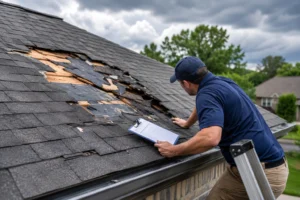
One of the most common questions property owners ask is, “What to Do If Insurance Missed Roof Damage?” The best approach is to obtain a professional roofing inspection, document the overlooked damage with photographs, and submit supporting evidence to the insurance company. Additionally, a supplemental claim request may help recover funds for damages omitted from the original estimate.
Differences in Scope of Work
Scope refers to the specific repairs necessary to restore the property. This is where many disputes begin. For example, an insurance estimate may include replacing several damaged shingles. Meanwhile, a contractor may determine that the entire roofing system requires replacement due to widespread storm impacts or matching concerns. In these situations, the disagreement often involves the scope of repairs rather than the pricing itself.
Outdated Pricing Information
Insurance estimating software relies on pricing databases that update periodically. However, local markets can change quickly. Following major weather events, construction demand often increases dramatically. As a result, actual contractor pricing may exceed the figures contained within an insurance estimate. Construction pricing can change rapidly following major storms, material shortages, or labor disruptions. While repair costs may appear predictable, the market often behaves more like a stochastic process where multiple variables influence outcomes and create pricing uncertainty.
Repair Versus Replacement Disputes
Another common source of disagreement involves whether damaged materials require repair or replacement. This issue frequently affects:
- Roofing systems
- Flooring materials
- Siding products
- Cabinets
- Windows
Naturally, repairs cost less than complete replacement. Consequently, insurers and contractors sometimes reach different conclusions regarding the appropriate solution.
Depreciation Deductions
Depreciation represents the reduction in value caused by age, wear, and condition. For example, a fifteen-year-old roof typically receives greater depreciation than a newer roof. Many policyholders focus on the initial claim payment and assume it represents the full settlement amount. However, recoverable depreciation may become available after repairs are completed, depending on policy terms.
Common Examples of Estimate Disputes
Differences between Insurance Estimate vs Actual Repair Cost occur across many types of property claims. Some claim categories experience these disputes more frequently than others.
Roof Replacement Claims
Roof claims account for a large percentage of repair cost disputes. Common issues include:
- Missing roof damage
- Underestimated measurements
- Incomplete material lists
- Flashing replacement omissions
- Ventilation upgrades
- Code-related requirements
Even small omissions can create significant differences in the final repair bill.
Water Damage Repairs
Water losses often become more complex once repairs begin. What initially appears to be a minor leak may affect multiple building components. Water damage repairs commonly involve:
- Moisture mitigation
- Drying equipment
- Flooring replacement
- Drywall repairs
- Mold prevention measures
- Interior painting
As contractors uncover additional moisture-related damage, project costs may increase.
Fire and Smoke Damage Claims
Fire damage extends beyond burned materials. Smoke and soot can travel throughout a structure, affecting areas far from the original fire source. Consequently, restoration contractors often identify additional cleaning, repair, and replacement requirements during the restoration process.
Commercial Property Claims
Commercial claims often involve larger and more complicated repair scopes. Potential factors include:
- Tenant improvements
- Specialized equipment
- Safety compliance requirements
- Business interruption concerns
- Industry-specific restoration needs
Because of these complexities, commercial estimate disputes can involve substantial financial differences.
The Financial Risks of Accepting a Low Estimate
Many property owners want to resolve claims quickly. However, accepting an estimate without reviewing it carefully can create financial challenges later.
Out-of-Pocket Expenses
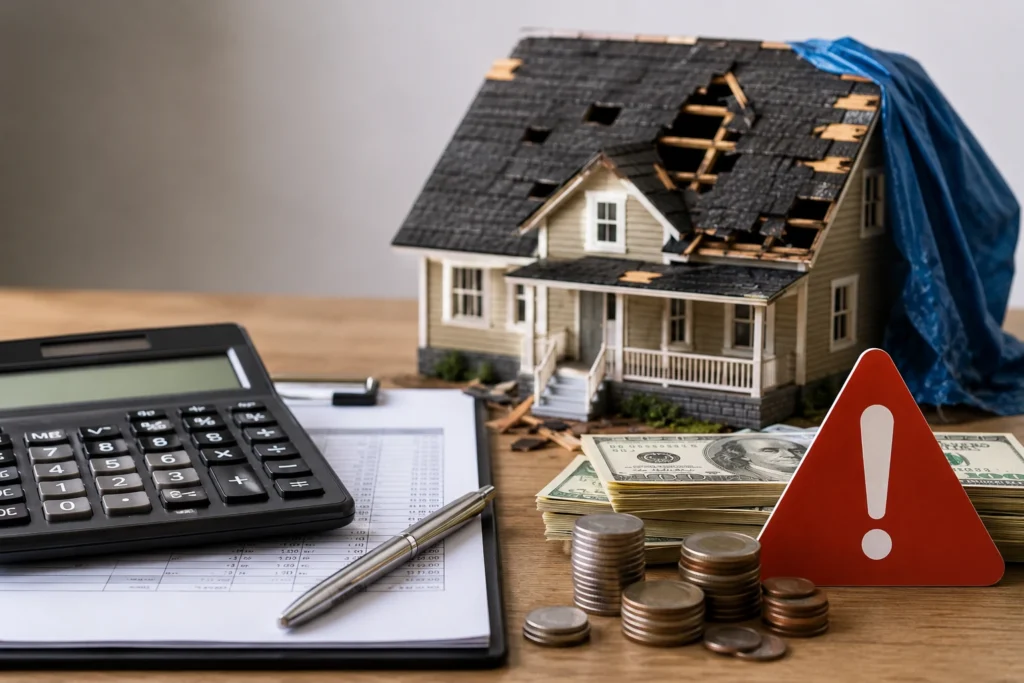
The most immediate risk involves paying repair costs yourself. For example, if repairs cost $40,000 and the insurance estimate totals only $25,000, the property owner may face a significant funding gap.
Delayed Repairs
Insufficient funds often delay construction projects. Unfortunately, delayed repairs can allow existing damage to worsen, particularly after water-related losses.
Incomplete Restoration
Some property owners attempt to reduce costs by performing partial repairs. While this approach may seem practical initially, incomplete restoration can create additional problems in the future.
Reduced Property Value
Poorly repaired or visibly damaged properties often lose market appeal. Potential buyers may view unresolved issues as warning signs, which can negatively affect resale value.
How Contractors Determine Repair Costs
Contractors evaluate repair projects differently than insurance companies. Their primary objective is completing the work successfully while meeting local requirements and project expectations.
Detailed Property Inspections
Experienced contractors often conduct extensive inspections before preparing an estimate. These inspections may include:
- Roof systems
- Attic spaces
- Structural components
- Mechanical systems
- Interior finishes
As a result, contractors frequently identify conditions that were not included in the original insurance estimate.
Material and Labor Pricing
Contractors purchase materials at current market prices. Therefore, their estimates reflect actual supplier costs rather than projected or historical pricing data.
Permit and Inspection Costs
Local governments often require permits and inspections before repair work can begin. These expenses may include:
- Permit fees
- Engineering reports
- Municipal inspections
- Code compliance requirements
Experienced contractors often evaluate a project by examining how various building components interact as a complete system. In some ways, this resembles the concept of hyperuniformity , where individual elements contribute to the overall structure and performance of a larger system.
How to Compare an Insurance Estimate to a Contractor Estimate
When repair costs exceed the insurer’s estimate, many property owners assume someone made a mistake. However, before drawing conclusions, compare both documents carefully. A detailed review often reveals where the differences originate.
Review the Scope Line by Line
Start by comparing every repair item listed in each estimate. Pay attention to:
- Materials
- Quantities
- Measurements
- Labor categories
- Removal and disposal costs
Even a small omission can affect the total significantly. For example, missing flashing replacement on a roof may add hundreds or even thousands of dollars to a project.
Look for Missing Items
Insurance estimates sometimes omit work that contractors consider necessary. Common missing items include:
- Permit fees
- Code upgrades
- Temporary protection
- Additional labor
- Specialized equipment
- Project management expenses
Therefore, identify every item included in the contractor proposal that does not appear in the insurance estimate.
Compare Measurements and Quantities
Roofing, flooring, drywall, and siding estimates rely heavily on accurate measurements. If one estimate uses different measurements, the final pricing will naturally differ. Verify:
- Square footage
- Linear footage
- Material quantities
- Waste factors
Accurate measurements create accurate estimates.
Verify Pricing Assumptions
Pricing varies by location and market conditions. Consequently, compare:
- Labor rates
- Material costs
- Equipment charges
- Subcontractor expenses
If local demand has increased after a storm, contractor pricing may exceed the rates contained in insurance software.
Examine Depreciation Deductions
Review depreciation carefully. Many policyholders overlook this section entirely. Determine:
- How much depreciation the insurer applied
- Whether depreciation is recoverable
- What documentation is required to recover it
Understanding depreciation helps prevent confusion later in the claims process.
What to Do When Repair Costs Exceed the Insurance Estimate
A repair estimate that exceeds the insurer’s payment does not automatically mean you must pay the difference yourself. Instead, take several proactive steps.
Request a Claim Re-Evaluation
First, contact the insurance company and explain the discrepancy. Provide:
- Contractor estimates
- Photographs
- Supporting documentation
- Detailed repair explanations
Many insurers will review additional evidence and reconsider portions of the claim.
Submit Contractor Documentation
Contractor estimates often contain valuable information. Ask your contractor to provide:
- Detailed scopes of work
- Material specifications
- Measurements
- Photographs
- Explanations for additional repairs
The more documentation you provide, the stronger your position becomes.
Request Supplemental Payments
Supplemental claims address damages or costs not included in the original estimate. For example, contractors frequently uncover:
- Hidden water damage
- Structural concerns
- Code requirements
- Additional material needs
In these situations, a supplemental payment request may help bridge the gap.
Maintain Thorough Records
Organization matters. Keep copies of:
- Emails
- Letters
- Photographs
- Contractor invoices
- Inspection reports
- Claim documents
Strong documentation often improves claim outcomes.
Communicate in Writing
Although phone calls are helpful, written communication creates a clear record. Whenever possible:
- Confirm conversations by email
- Save correspondence
- Document important dates
Written records reduce misunderstandings and provide evidence if disputes escalate.
Understanding the Insurance Appraisal Process
When disagreements continue despite additional documentation, policyholders may have another option. That option is appraisal.
What Is an Insurance Appraisal?
Insurance appraisal is a dispute-resolution process found in many property insurance policies. The appraisal process focuses on one issue: The amount of loss. It does not determine coverage. Instead, it addresses disagreements regarding valuation and repair costs.
When Appraisal May Be Appropriate
Appraisal often becomes useful when:
- Repair costs remain disputed
- Scope disagreements persist
- Multiple estimates conflict
- Negotiations reach a standstill
Rather than pursuing lengthy litigation, appraisal can provide a faster path toward resolution.
Benefits of the Appraisal Clause
The appraisal process offers several advantages. These include:
- Faster claim resolution
- Independent evaluation
- Reduced legal expenses
- Focus on property damage valuation
- Greater objectivity
As a result, many policyholders consider appraisal when traditional negotiations fail.
Role of the Insurance Appraiser
Each party selects an appraiser. The policyholder chooses one appraiser. The insurance company selects another. These professionals evaluate the damages and attempt to reach an agreement regarding the amount of loss.
Role of the Umpire
If the appraisers disagree, they select an umpire. The umpire reviews disputed issues and helps resolve remaining differences. Together, the process creates a structured method for settling valuation disputes.
How an Insurance Appraiser Can Help Resolve Cost Disputes
The gap between Insurance Estimate vs Actual Repair Cost often becomes easier to address when an experienced insurance appraiser becomes involved.
Independent Evaluation of Damages
Insurance appraisers evaluate the property independently. They review:
- Damage documentation
- Repair scopes
- Contractor estimates
- Market pricing
This independent perspective often identifies omissions or inaccuracies.
Accurate Scope Development
Scope disputes frequently drive claim disagreements. An experienced appraiser can determine:
- What repairs are necessary
- Which components require replacement
- Whether code requirements apply
A complete scope helps establish a more accurate valuation.
Fair Cost Analysis
Insurance appraisers understand both construction pricing and insurance estimating practices. Consequently, they can analyze:
- Labor costs
- Material pricing
- Local market conditions
- Specialized repair requirements
Their findings often help bridge the gap between competing estimates.
Negotiation Support
Property owners often feel overwhelmed during claim disputes. An appraiser provides professional support throughout the process and helps present evidence effectively.
Faster Claim Resolution
Extended disputes can delay repairs and increase frustration. Because appraisal focuses specifically on valuation issues, it often helps move claims toward resolution more efficiently.
Tips for Property Owners Facing Estimate Disputes
Disputes over repair costs happen frequently. Fortunately, several practical steps can improve your position.
Obtain Multiple Estimates
Gathering multiple contractor estimates provides valuable market insight. Comparing several bids often reveals whether pricing differences reflect legitimate repair needs.
Document Damage Thoroughly
Take photographs immediately after the loss. Continue documenting:
- Damage progression
- Repair discoveries
- Contractor findings
Comprehensive documentation strengthens your claim.
Understand Your Policy
Review your policy carefully. Pay close attention to:
- Replacement cost provisions
- Actual cash value provisions
- Depreciation terms
- Appraisal clauses
Understanding your coverage helps you make informed decisions.
Don’t Rush to Settle
Many property owners feel pressure to resolve claims quickly. However, accepting a settlement before fully understanding repair costs can create financial problems later. Take time to review all documentation carefully.
Seek Professional Guidance
When significant differences exist between repair costs and insurance estimates, professional assistance may prove valuable. Contractors, public adjusters, engineers, and insurance appraisers can often provide insights that strengthen your position.
Conclusion
The difference between Insurance Estimate vs Actual Repair Cost often comes down to scope, pricing, hidden damage, depreciation, and construction realities. Therefore, property owners should carefully review both estimates rather than assuming they represent the same thing. If repair costs exceed the insurer’s estimate, gather documentation, request clarification, and explore available options. Moreover, when disputes continue, the appraisal process may provide an effective path toward a fair resolution. By understanding the claims process and acting strategically, property owners can protect their investment and pursue a more accurate claim outcome.
FAQs
Contractors often identify additional repairs, code requirements, and hidden damage that may not appear in the insurance company’s initial estimate.
Yes, you can submit additional documentation, contractor estimates, photographs, and repair reports to request a claim review or supplemental payment.
Notify your insurance company immediately and provide documentation from the contractor showing the newly discovered damage or required repairs.
Not necessarily. However, the insurer should pay for covered damages based on the terms of the policy and the reasonable cost of repairs.
A supplemental claim is a request for additional payment when new damage or additional repair costs emerge after the original estimate is completed.
Insurance companies apply depreciation to account for the age, condition, and expected lifespan of damaged property components.
You should obtain a professional inspection, gather evidence of the overlooked damage, and submit the findings to the insurer for reconsideration.
Appraisal may be appropriate when you and the insurance company agree that damage exists but disagree on the value of the loss or repair costs.
Yes, hidden damage discovered during repairs can significantly increase costs and may justify a supplemental claim request.
An insurance appraiser can independently evaluate the damage, review repair costs, and help resolve disagreements regarding the amount of loss.