
If you’re operating in the Dallas market—whether you’re a homeowner, property manager, or even an apartment locator —you know the weather in North Texas can be brutal. Storms? Hail? Wind? They’re far from rare. And when damage happens, insurance claims often turn into disputes. I’ve seen it up close. This article digs deep into the five most common insurance disagreements that pop up during Dallas’s peak weather months—and how bringing in a professional appraisal can turn a stalemate into a win.
Understanding the Dallas Weather Factor
Dallas doesn’t tiptoe into severe weather. It dives in.
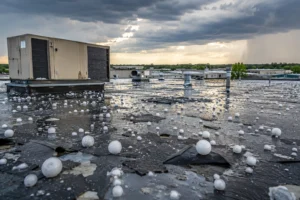
Between spring hail, summer wind-storms, and fall freeze or wind events, the region’s claims volume rises. For example: Texas is regularly cited as the “hailstorm capital” of the U.S. One source reports that Texas averages $2,207 in annual property damage per 100 residents from hail alone.
Another study found that between January 1, 2013 and December 31, 2015 the top state for hail damage claims was Texas, with 394,572 claims in that period.
What does that mean for you in Dallas?
- More storms → higher risk of damage.
- More claims → more scrutiny by insurers.
- More disputes when damage meets policy language.
Because of volume and the size of losses involved, carriers often dig deep, adjusters are rushed, and homeowners/property-owners can get frustrated.
The Five Most Common Insurance Disputes
Let’s walk through each dispute type—what it looks like in practice, why it happens, and how a professional appraisal fixes or mitigates the issue.
1. Disagreements Over Hail Damage Severity
Hail is the big one in the Dallas area.
What you’ll see:
- A storm hits, hailstones pound the roof. Owner files claim.
- Insurer says: “Damage is cosmetic only.”
- Property owner says: “No — shingles are bruised, granules gone, leaks imminent.”
- The fight begins.
Why it happens:
- Hail damage may not be obvious at first glance. Granule loss, subtle bruising, micro-fractures can all degrade a system.
- Insurers may argue the system was already old / failing.
- With so many hail events in Texas, insurers know the drill.
How a professional appraisal helps:
- A licensed appraisal will inspect roof after storm, document hail strike patterns, damage extent, roof age, and material condition.
- The report can show “this hail event caused X damage; material life reduced by Y years; needing full replacement or major repair.”
- It flips the argument from “cosmetic only” to “functional impairment.”
Actionable tip: If a hailstorm hits your region (Dallas–Fort Worth especially) get a roof inspection within days, photograph damage, keep timeline tight.
2. Conflicts on Wind Damage vs. Wear-and-Tear
Wind damage is less flashy than hail, but just as contentious.
What you’ll see:
- A windstorm lifts shingles, rips siding, twists gutters.
- Insurer says: “That’s normal aging / improper maintenance / wear-and-tear.”
- Property owner says: “No — this is storm damage, look at the uplift, look at the impact from fallen tree limbs.”
Why it happens:
- Carriers often push “wear-and-tear” exclusion because these claims are more subjective.
- Maintenance issues are easier to deny.
- In busy storm seasons adjusters may not inspect every damage detail.
How a professional appraisal helps:
- The appraiser documents direction of wind, evidence of uplift (e.g., nail pop, torn underlayment), and differentiates storm damage vs. pre-existing wear.
- They may provide expert testimony: “Wind at 60 mph lifted shingles in this pattern consistent with this storm event.”
- That differentiator often moves the claim off “maintenance issue” mode and onto “storm damage” mode.
Actionable tip: After wind events, photograph debris, displaced shingles, compare pre-storm condition photos if you have them. Time is critical.
3. Undervaluation of Repair or Replacement Costs
Even when damage is accepted, the fight often shifts to price.
Scenario:
- Insurer agrees storm damage occurred.
- But the payout is based on a low estimate of repair or replacement.
- Property owner gets multiple contractor bids significantly higher than the insurer’s offer.
Why it happens:
- During peak months, carriers may rely on standard adjuster quotes or older cost-databases.
- They may assume cheaper materials or simpler repairs/defaults.
- Contractors in high volume seasons raise prices; adjuster’s calendar is packed → estimates may lag real market.
How a professional appraisal helps:
- Appraisers use industry-accepted estimating tools (e.g., Xactimate) and benchmark pricing to show true cost.
- They often create a detailed cost-table: removal, disposal, materials, labor, overhead, profit.
- They can certify the cost is accurate for the region and current market.
Table: Sample Cost Estimate Components
| Component | Description | Typical Variance |
| Roofing material replacement | Shingles, underlayment, flashing | + 10%-25% over adjuster estimate |
| Labor costs | Local wage rates for crew, installers | + 5%-15% in storm season |
| Removal & disposal | Tear-off, haul-away, landfill fees | Often omitted by insurer |
| Supplementals | Code upgrades, additional required work | Frequently under-accounted |
Actionable tip: When you receive an insurer’s estimate, compare with 2–3 contractor bids and ask for a third-party cost appraisal before accepting.
4. Disputes Over Water Intrusion and Secondary Damage
Storms don’t always stop at shinier, visible damage. The real cost is often what happens after.
What you’ll see:
- Roof gets hit in hail + wind event. The leak isn’t obvious immediately.
- Weeks later interior water stains show up. Owner files claim.
- Insurer says: “This water intrusion is from long-term leak / poor maintenance / condensation.”
- Owner says: “No — this is storm-caused entry, delayed symptom.”
Why it happens:
- Insurers know water intrusion is messy (dye tests, mold remediation, interior finish damage). They push back.
- The provenance of water is harder to prove — is it storm, is it plumbing, is it condensation?
- The longer you wait, the easier the insurer can argue “pre-existing” or “maintenance”.
How a professional appraisal helps:
- Appraiser documents link between storm event date and subsequent damage.
- They inspect attic, insulation, ventilation, show how storm damage caused a breach.
- They may use weather records (hail/wind event), inspect framing/roof deck, show timeline.
- The report supports the “storm triggered the damage” story rather than “wear & tear.”
Actionable tip: If you suspect water intrusion and you know a storm hit recently — don’t wait. Get a moisture-scan, document attic and ceiling conditions right away. Time matters.
5. Claim Denials Due to Alleged Pre-Existing Damage
This is one of the toughest disputes because the insurer’s position often comes down to: “Your property already had issues, so we won’t pay.”
Example:
- After a storm, you file a claim for roof damage. Insurer says: “Your roof was already aging, granule loss, multiple repairs over last few years — so storm event is incidental.”
- Owner says: “I had routine wear-and-tear, but this storm event introduced new damage triggering failure.”
Why it happens:
- Carriers often classify damage as “pre-existing condition” to deny or reduce payout.
- Without good documentation of the pre-storm condition, property owners are vulnerable.
- Homes older than 15–20 years are especially at risk in Dallas thanks to repeated storms.
How a professional appraisal helps:
- The appraiser can assess roof age, previous repair history, material life-cycle, and compare to damage caused by the event.
- They can say: “Yes, the roof had wear-and-tear, but the storm‐event accelerated failure, this damage pattern is consistent with hail/wind at X mph, and without that event the system would likely have lasted Y more years.”
- That narrative shifts the claim from “pre-existing only” to “storm-plus weakened system.”
Actionable tip: Keep documentation of prior maintenance, roof age, previous repairs. When you file a claim, include that. Then bring in an appraiser early if insurer pushes pre-existing.
Why Weather-Season Claims Face More Pushback
You might be wondering: “Why does this happen more in peak weather months?” Good question.
- High claim volume. When storms hit Dallas, there’s a flood of claims. Carriers’ adjusters are overloaded. Mistakes happen. Insurers may tighten scrutiny and leverage standardized denial language.
- Adjuster shortages & rushed inspections. When dozens/hundreds of homes are impacted, adjusters are on tight schedules. They may miss damage or default to conservative language like “maintenance issue.”
- Policy complexity and loopholes. During heavy weather, terms like “cosmetic damage,” “wear-and-tear,” “lack of maintenance,” “pre-existing condition” all become battlegrounds.
- Economic incentive. Carriers want to control costs. During storms they know losses could multiply. So they push back early.
- Repair market inflation. When many contractors are busy, pricing goes up. If a claim was estimated in a “normal” market but repair bids are high, disputes arise.
In short: You’re in a tougher environment during storm season. But you can win.
How Professional Appraisals Resolve These Disputes
Let’s talk about how bringing in a professional appraisal changes the game.
A. Objective Third-Party Evaluation
By definition an appraisal is an independent, neutral assessment. It carries weight because:
- It stands apart from insurer and homeowner bias.
- It’s based on standard methods.
- It shifts the conversation from “he said / she said” to documented fact.
B. Detailed Damage Reports
Good appraisers don’t just show one photo. They deliver:
- High-resolution photos of damage patterns.
- Measurements, hail strike mapping, material condition.
- Timeline linking the storm event to damage.
- Quotes or cost estimates from current market rates.
C. Use of Industry-Accepted Tools & Pricing
An appraisal uses modern estimating tools (e.g., Xactimate, RSMeans). That means:
- Cost numbers reflect actual market conditions.
- The claim is no longer about “cheap carrier estimate vs real contractor bid” — it’s backed by credible data.
- When the numbers hold up, negotiations typically go smoother.
D. Appraisal vs. Litigation
Many homeowners skip appraisal, thinking “legal route.” That can be slow, expensive, and uncertain. Appraisal (sometimes via policy’s appraisal clause) is often:
- Faster.
- Less adversarial.
- More cost-effective.
- Likely to keep more control in your hands.
If you have the clause in your policy, engaging a qualified appraiser early often means you settle the dispute before going full legal.
Real-World Scenario Examples
To make this concrete: here are anonymized but realistic scenarios to illustrate how disputes play out and how appraisals resolved them.
Scenario A – Hail claim undervalued by 60%
A homeowner in Richardson had hail damage. The insurer offered a partial repair for $12,000. Contractor bid was $33,000. Appraiser’s report documented severe hail strikes, granule loss, blistering in shingles. After showing the report, payout increased to ~$31,000.
Scenario B – Wind claim denied as “wear-and-tear”
A multifamily property in Plano suffered shingle lift and fascia damage after sustained winds. Insurer denied, citing “normal aging.” Appraiser documented uplift evidence, wind-speed logs, and material failure timeline. Claim was approved for full repair cost.
Scenario C – Water intrusion called “maintenance issue”
A tenant reported interior water damage after a storm. Insurer denied, said building maintenance caused the leak. Appraiser inspected attic after the fact, found clear entry point from storm-damaged roof flashing. Policyholder got full remediation payout, mold included.
These stories show: when you bring in the right expert, you flip the narrative.
Tips for Homeowners Filing Claims During Peak Weather Seasons
Here are actionable tips—so you’re ready when a storm hits.
- Document year-round. Take seasonal photos of your roof, siding, gutters, landscaping. That way you have a “pre-storm” baseline.
- Immediately after a storm:
- Photograph damage from multiple angles.
- Get storm-event details: date, time, hail size if reported, wind speed, any local news.
- Notify your insurer promptly.
- Request the adjuster’s full report. Don’t accept a one-page summary. Ask for detailed line items.
- Get multiple contractor estimates. Use these to compare with insurer’s offer.
- Know your policy. Especially: cosmetic damage definitions, wear-and-tear exclusions, appraisal clause.
- Avoid common mistakes:
- Waiting too long to file the claim (delays give insurers room to argue other causes).
- Accepting a low offer because “it’s easier.”
- Starting major repairs before documenting damage or before agreeing with insurer (unless it’s emergency stabilization).
- Bring in a professional appraiser early if:
- The insurer’s estimate is significantly lower than contractor bids.
- The insurer is denying on “maintenance” or “pre-existing damage” grounds.
- The repair cost is large or the damage is complex (roof, structural, water intrusion).
When to Consider Bringing in a Professional Appraiser
You might think: “Do I need an appraiser? We’ll just settle.” Maybe. But here are strong indicators that you should bring one in:
- Your carrier has offered significantly less than contractor bids (difference of 20–30% or more).
- The adjuster’s report uses vague language (“possible pre-existing wear,” “minor maintenance suggested”) and you disagree.
- The damage involves multiple systems (roof + interior water + siding) and you suspect hidden costs.
- You received a denial citing “lack of storm-caused damage” or “wear-and-tear.”
- You have an appraisal clause in your policy (this gives you independent recourse).
Summary: If you’re feeling like you’re being sand-bagged, it’s time.
Conclusion
The weather in Dallas doesn’t make insurance easy. Storms hit hard. Claims rise. Disputes follow. But you don’t have to be at the mercy of carrier tactics or standard adjuster estimates. With the right preparation—and especially with a professional appraisal—you can level the playing field.
When you face:
- Hail damage being undervalued,
- Wind damage denied as “wear & tear,”
- Lowball repair estimates,
- Water intrusion blamed on “maintenance,”
- Or denials citing “pre-existing damage” —
…that’s when the appraisal becomes your most powerful tool.
Be proactive. Document early. Ask questions. If in doubt, call in the expert. Because at the end of the day: you deserve fair treatment. And storms may be inevitable—but being disadvantaged by them doesn’t have to be.
FAQs
Because severe storms create a surge in claims, insurers scrutinize submissions more closely and adjusters become overloaded, leading to more disagreements.
Hail damage leads the list, followed by wind-related roof issues and water intrusion after storms.
Compare their offer to at least two contractor bids; a large gap (20–30% or more) is a red flag.
Yes—minor roof or siding damage can worsen over time, and waiting may lead insurers to call it “maintenance” or “pre-existing.”
They provide an independent inspection, photos, pricing breakdowns, and a documented report connecting the damage to the storm event.
Often yes—an appraiser can differentiate storm damage patterns from normal aging and provide evidence to challenge the denial.
As quickly as possible; early photos and notes make it easier to prove causation later.
A professional appraisal can establish timelines, material condition, and storm-related impact to dispute the pre-existing claim.
Many do, but not all—review your policy or ask your agent to confirm whether you can invoke appraisal.