Insurance Basics
What Does Date of Loss Mean on an Insurance Claim?
The date of loss is the day damage actually happened. Learn what it means on an insurance claim, how it affects coverage and deductibles, and how to prove it.

77 in-depth articles on appraisal, roof claims, estimating and Texas weather — written for property owners who want to understand their claim.
The date of loss is the day damage actually happened. Learn what it means on an insurance claim, how it affects coverage and deductibles, and how to prove it.
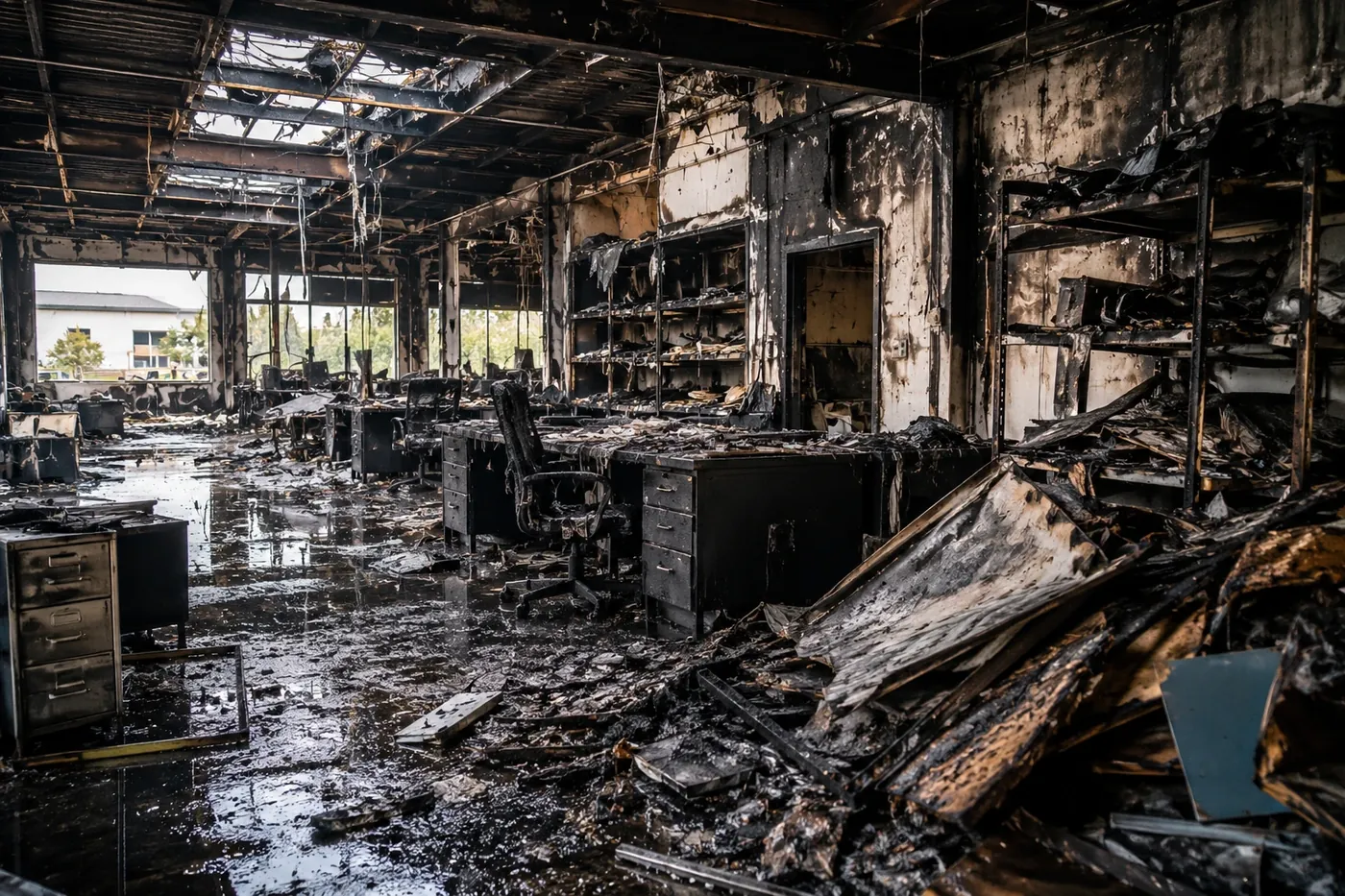
How commercial fire insurance claims work in Texas: what's covered, documenting smoke, water and income losses, common disputes, and when appraisal makes sense.

Property damage pays to repair your building; business interruption replaces income lost while it is closed. Learn how the two claims differ, connect, and get underpaid after Texas storms.

How large loss insurance appraisal works in Texas for major fire, hail, hurricane and water claims, plus Texas law, evidence tips and how to choose an appraiser.

How commercial roof hail damage claims work in Texas: spotting hidden damage, navigating the claim process, avoiding disputes and knowing when appraisal helps.
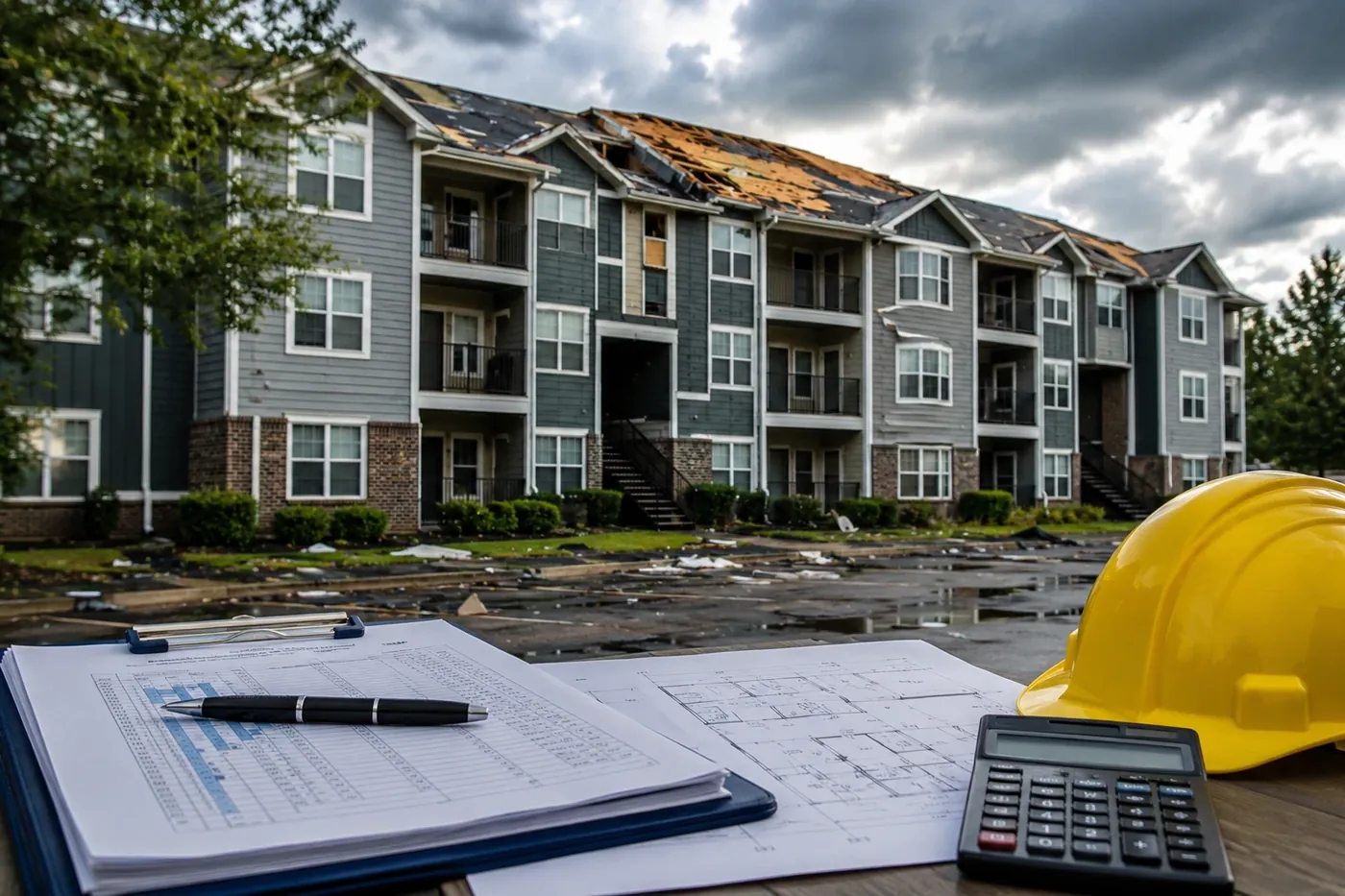
Apartment and multi-family claims involve many buildings, units, and systems, so disputes are common. Learn the main conflict areas and how Texas owners use appraisal to resolve them.

Fire, hail, water and equipment losses can halt an industrial facility. Learn how industrial property insurance claims work in Texas and where damage disputes arise.

Hail, wind, water and fire can damage sanctuaries, steeples and stained glass. Learn how church insurance appraisal works in Texas and how congregations can prepare.
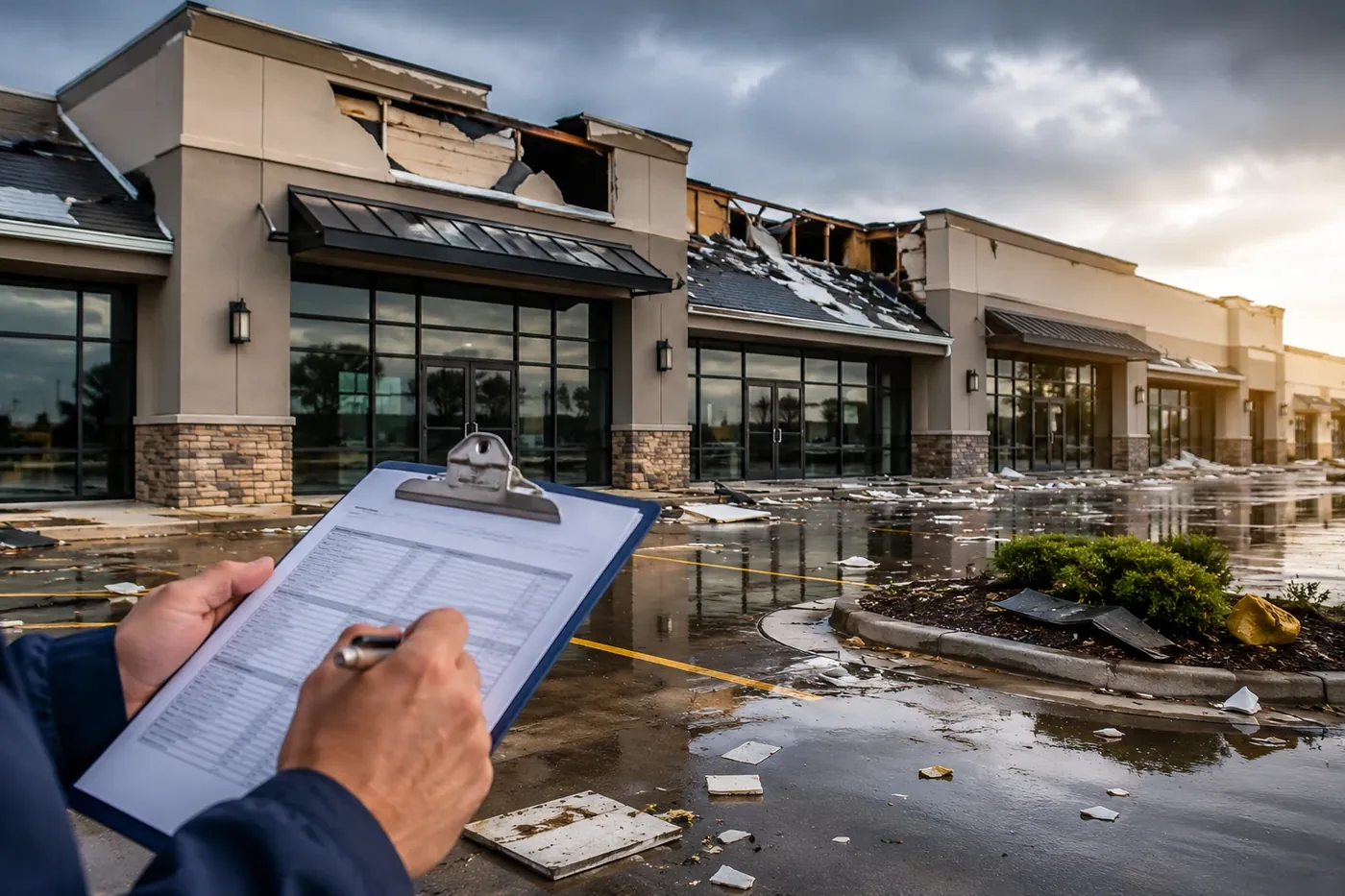
How retail property damage appraisal works for Texas shopping centers and stores: commonly underestimated damage, the appraisal process, key evidence, and when to use it.
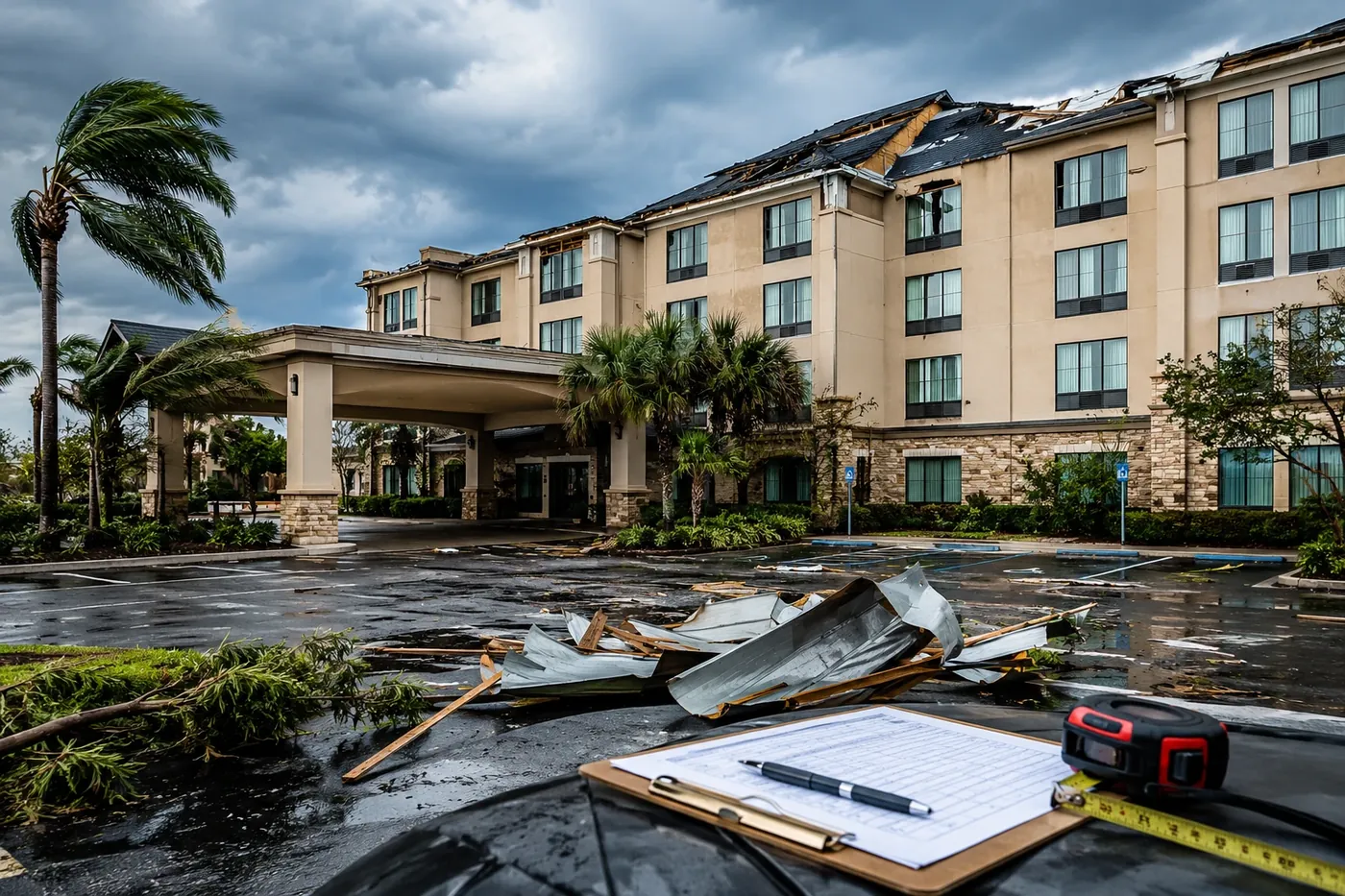
Hotel property insurance claims involve rooms, systems, FF&E and lost income. Learn what is covered, why disputes happen, and how Texas hotel owners document claims.

How Texas HOA and condo boards use the appraisal clause to resolve master policy disputes: each step, board duties, evidence, timelines and deductible issues.
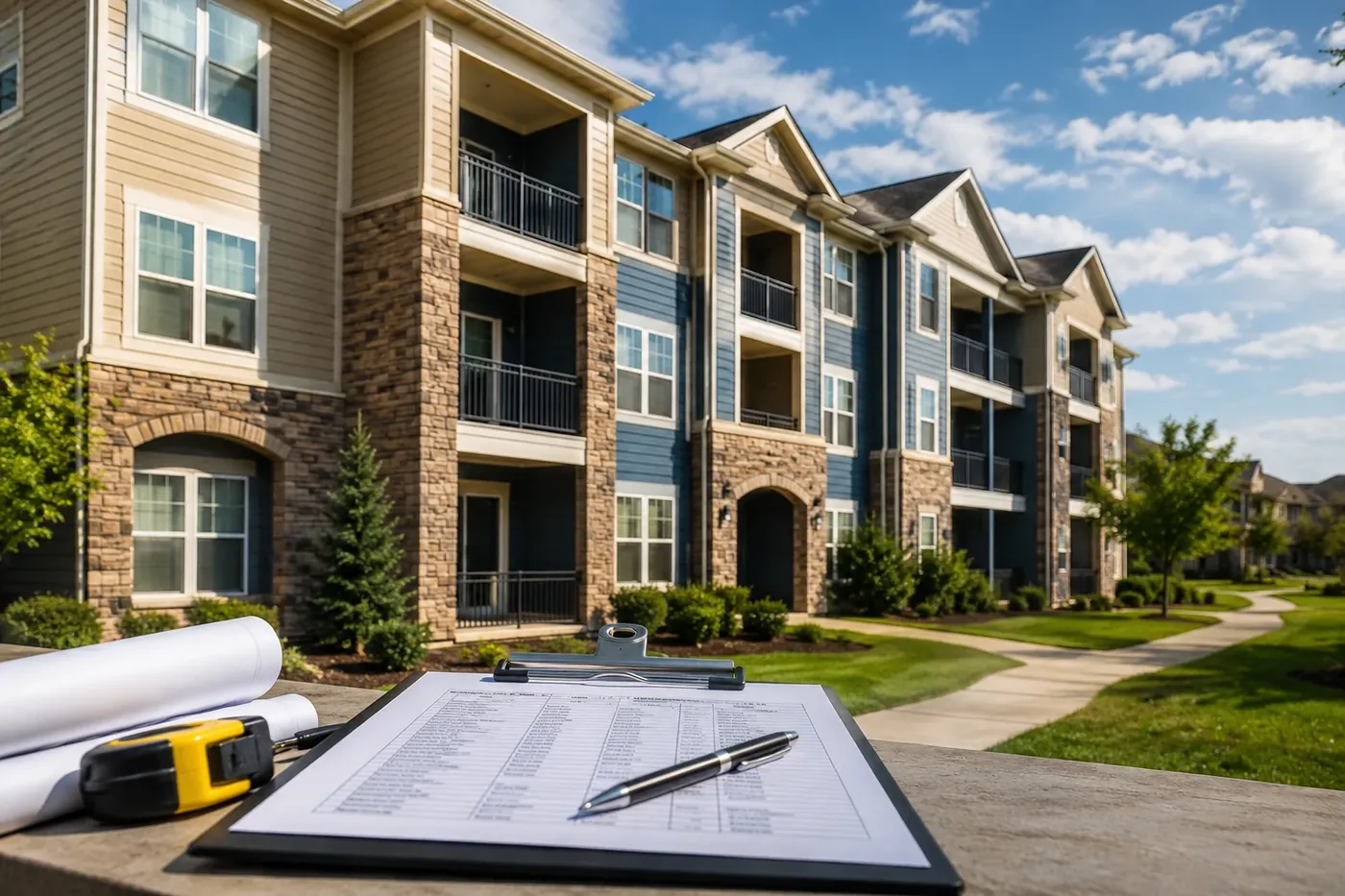
How does apartment complex insurance appraisal work? Learn when to invoke it, why multi-family claims are hard to settle and how Texas owners can document damage across every building.

How commercial property insurance appraisal works in Texas: when to use it, what appraisers can and cannot decide, key documents, and choosing the right appraiser.
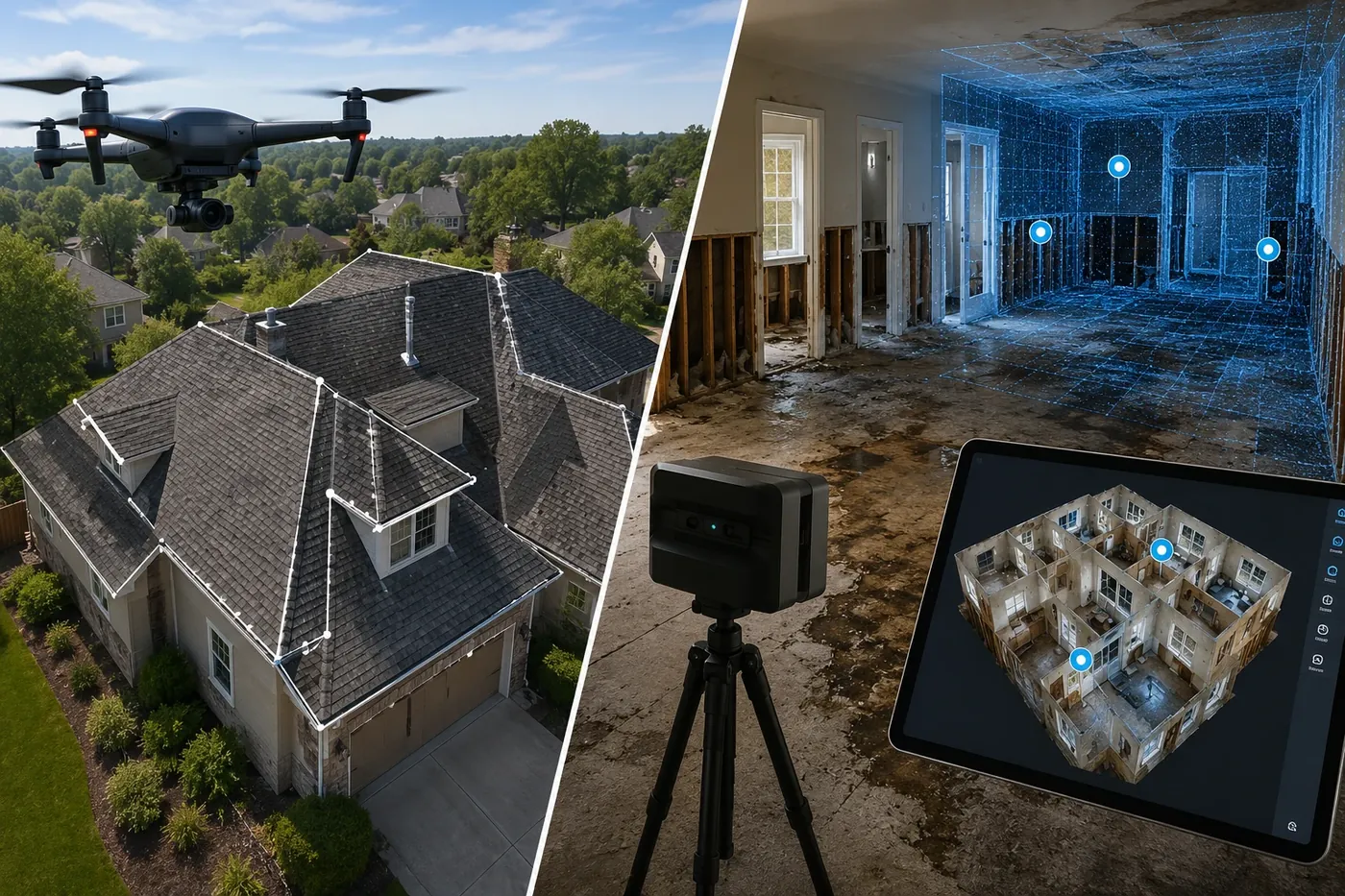
EagleView measures roofs from the air; Matterport captures a measurable 3D record of interiors. Learn which one supports your insurance claim and when to use both.

Yes, drones can be used for insurance roof inspections. See what drone imagery captures, where hands-on inspection still matters, and how drone evidence helps in appraisal.

How a commercial roof insurance appraisal resolves hail and wind disputes: roof systems, evidence like core samples, cosmetic damage issues and Texas-specific rules.
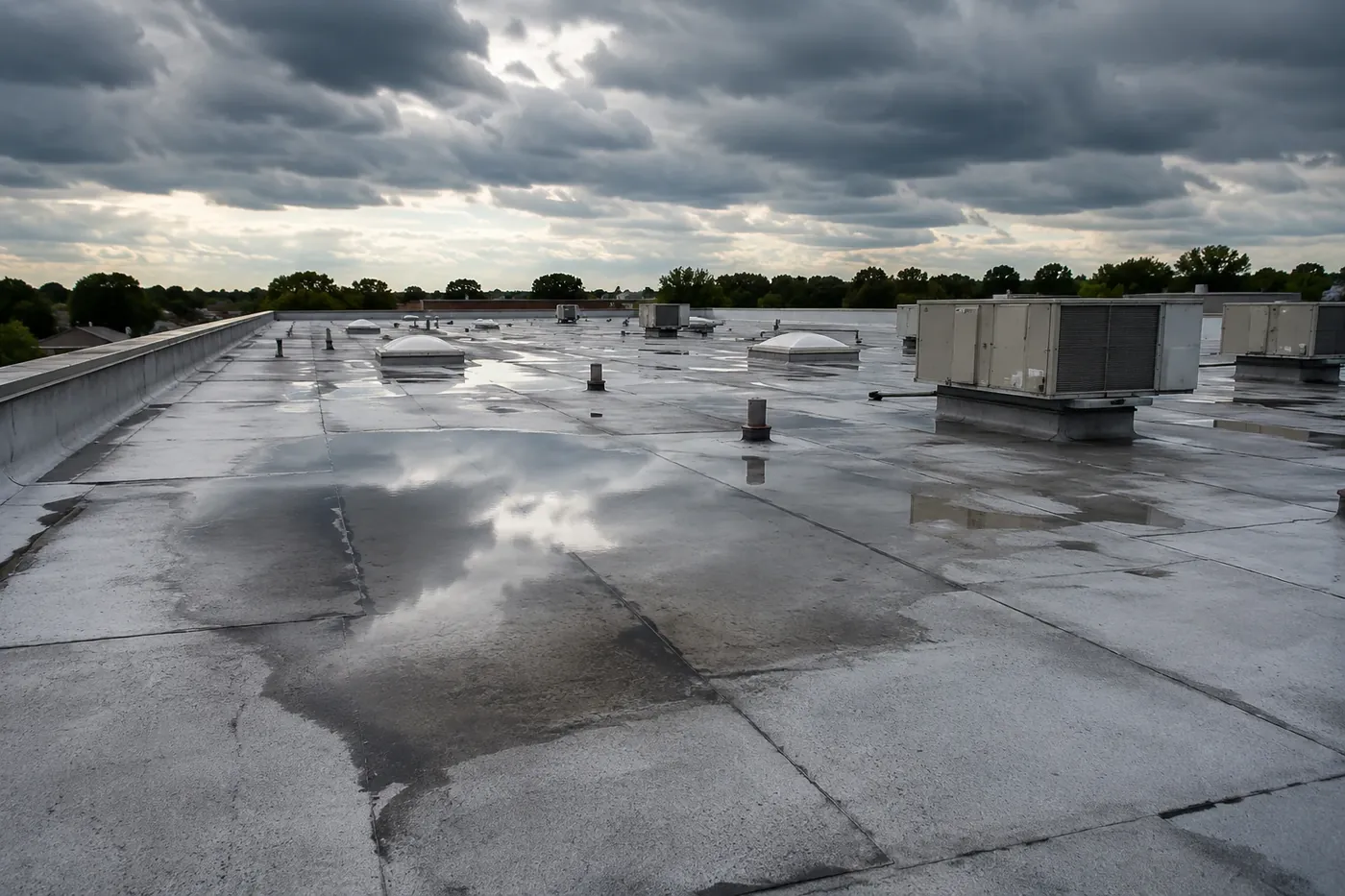
Flat roof insurance claims are tough because damage hides under the membrane. Learn the common insurer arguments, why moisture testing matters and how to support a fair settlement.

Clay, concrete and slate tile claims often stall over matching, underlayment and repairability. Here is how tile roof appraisal works in Texas and what evidence moves the award.
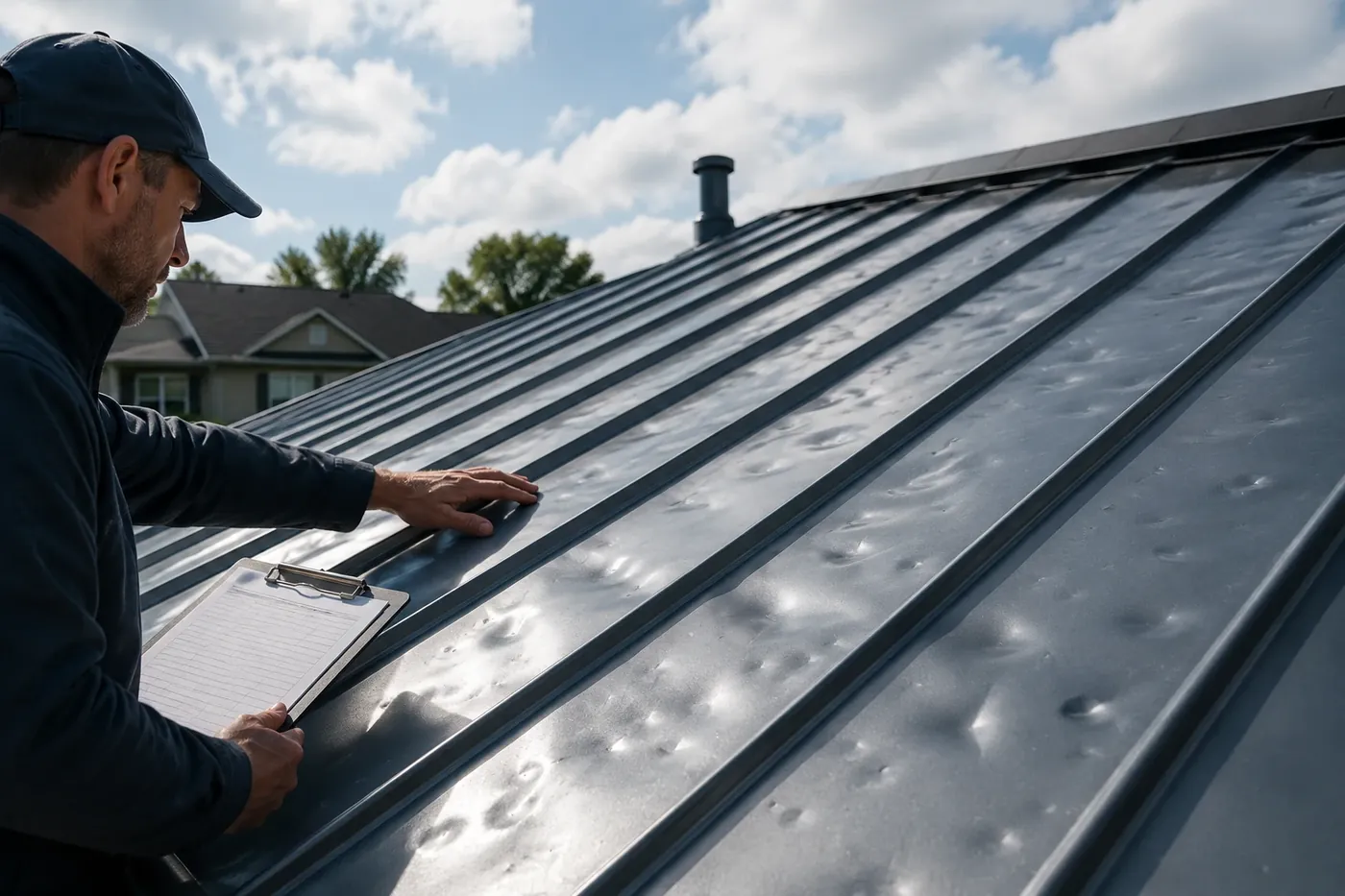
What belongs in an insurance estimate for metal roof damage? See the line items adjusters miss, how cosmetic damage exclusions work and how to challenge a low estimate in Texas.
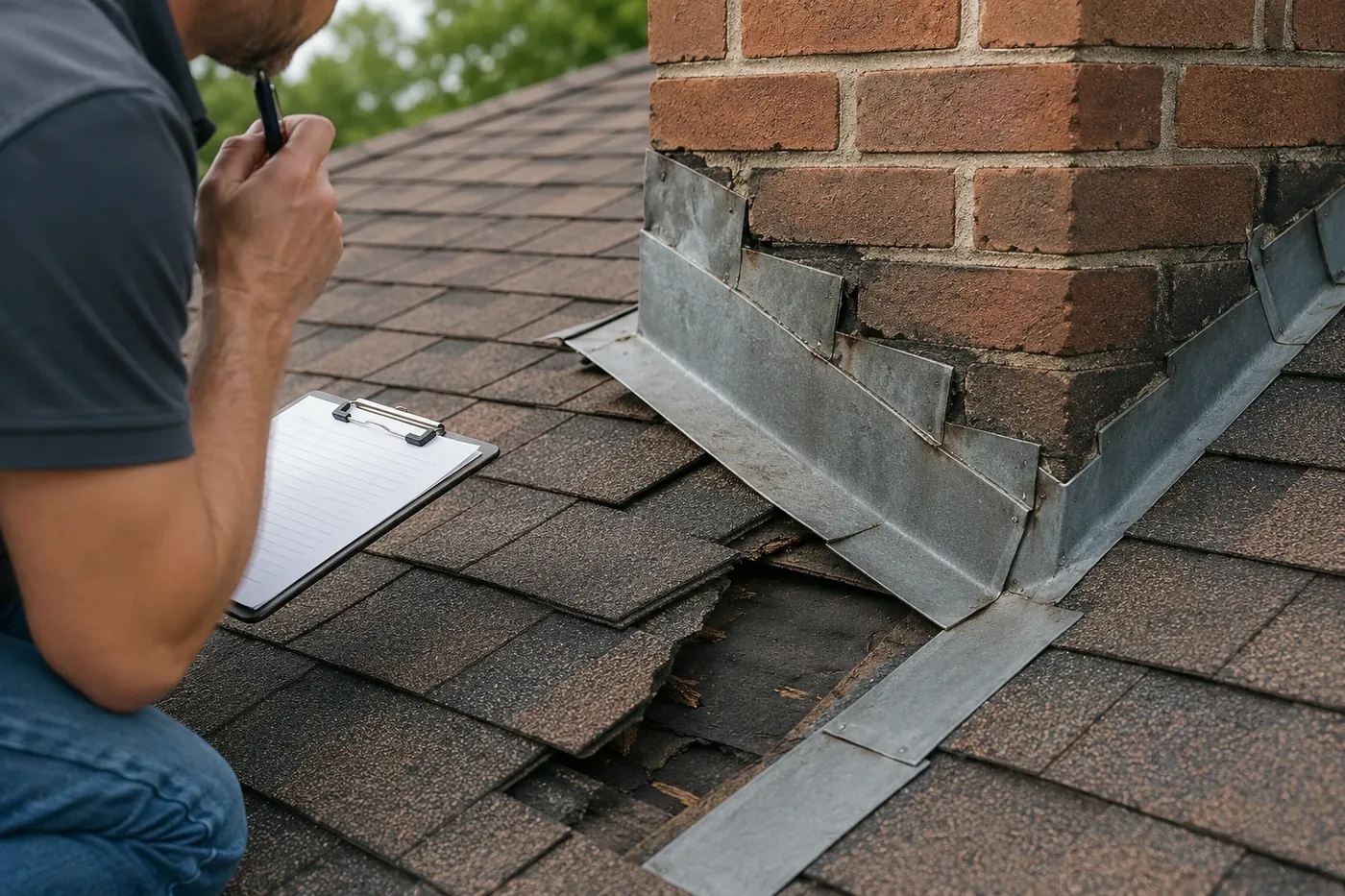
Step, counter, valley, and chimney flashing are among the most overlooked items in roof claims. Learn why they get missed and how to get them added to your estimate.
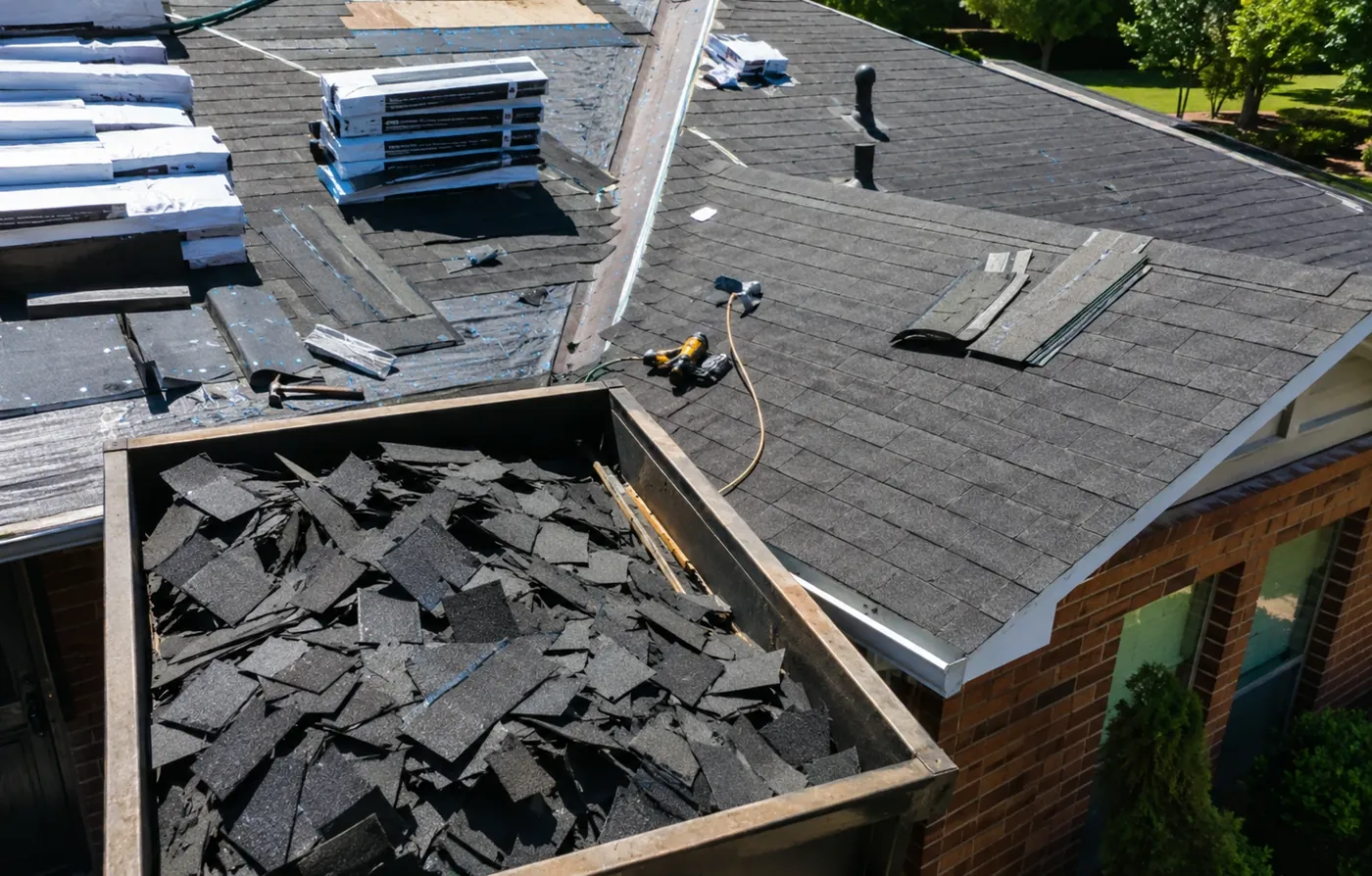
A low waste factor quietly cuts the shingles your insurer pays for. Learn typical roof waste percentages, how Xactimate applies them, and how to check your estimate.
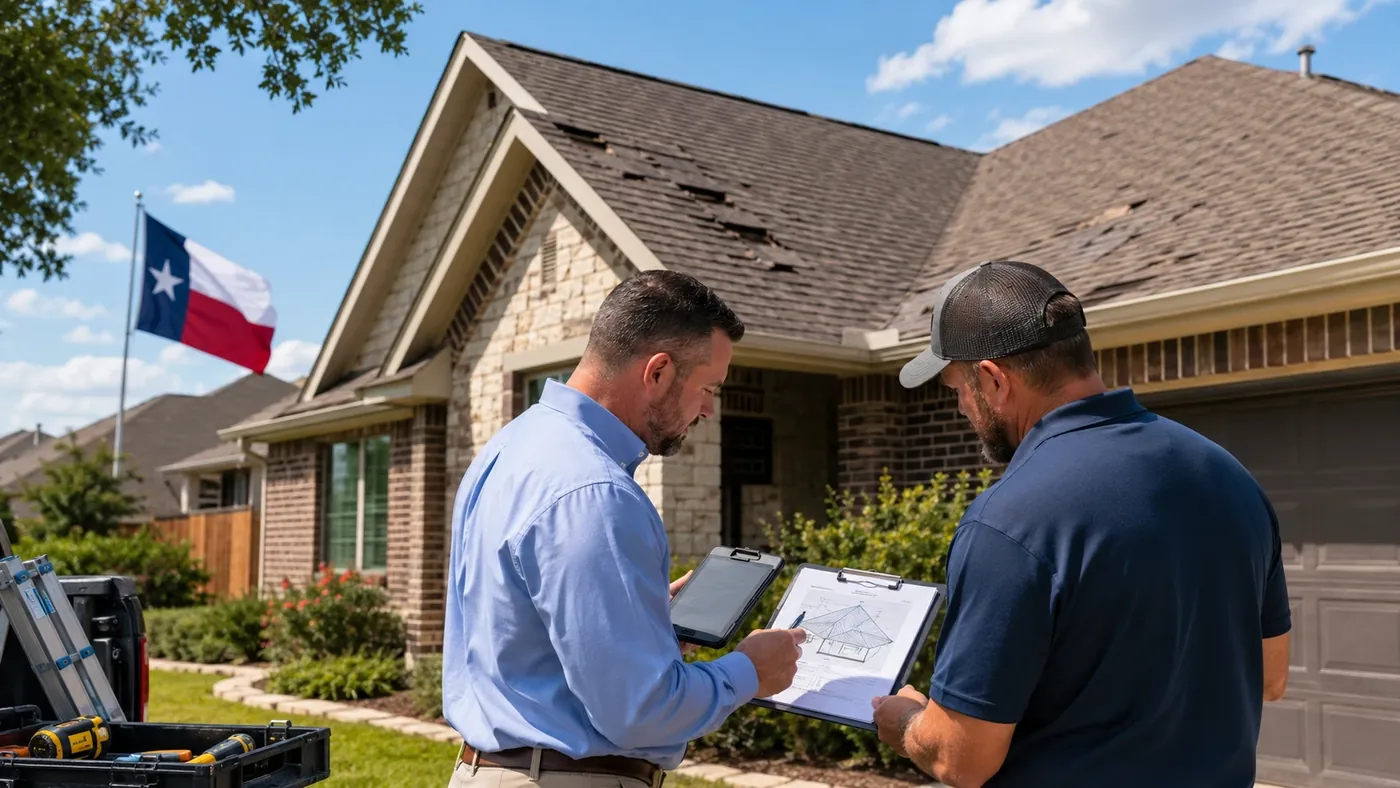
A roofing scope of loss lists every roof repair item your insurer will pay for. Learn what belongs in it, what is often missing, and how Texas homeowners can fix an incomplete scope.
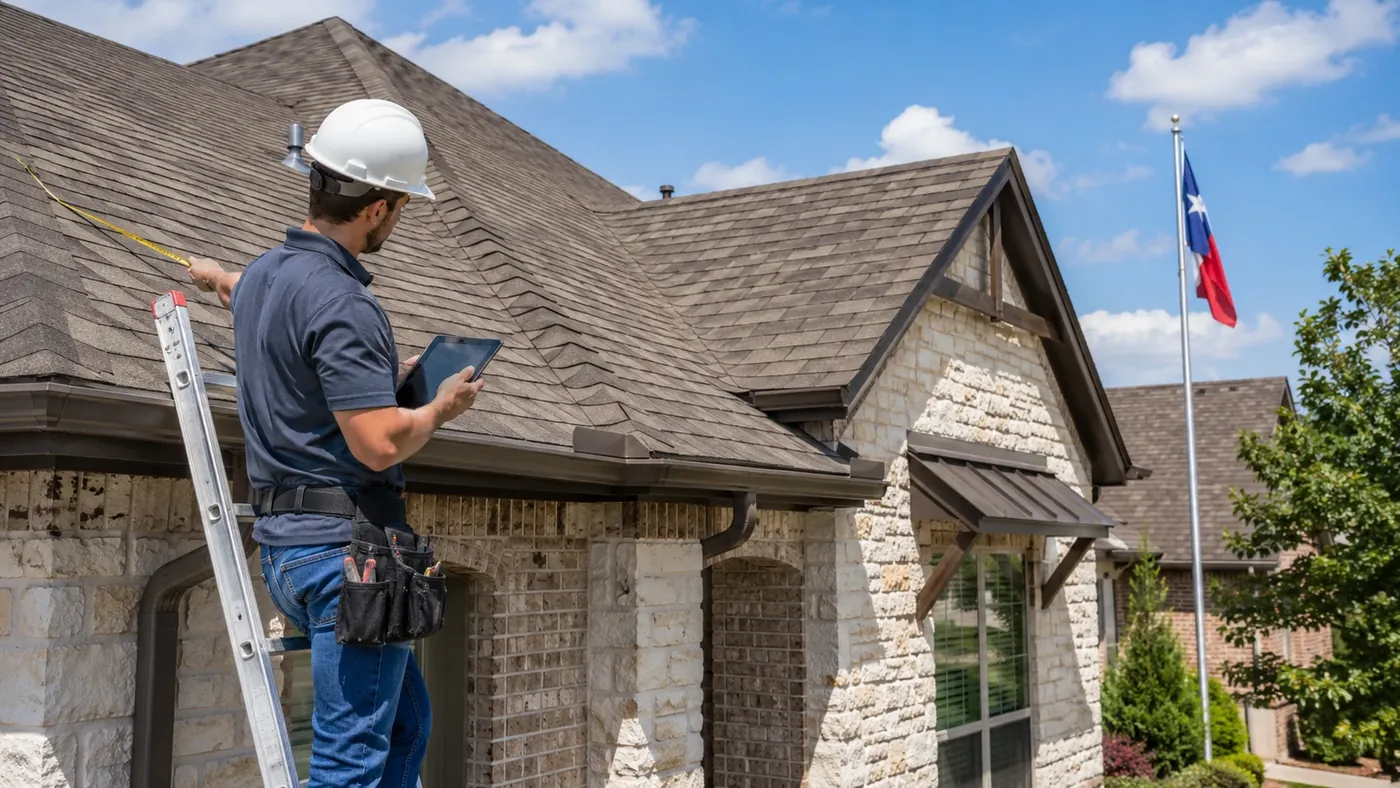
Every line in a roof estimate starts with a measurement. Learn how squares, pitch, waste, and linear feet are calculated for insurance claims and how to spot errors that shrink your payout.

Starter, ridge cap, drip edge, flashing, steep charges, debris removal: the Xactimate line items most often missing from roof claims, and how Texas owners recover them.

Why do Xactimate and contractor estimates rarely match? Learn how each is built, the scope and pricing gaps behind the difference, and how to reconcile them on a Texas claim.

Xactimate prices repairs from regional price lists tied to your ZIP code. Learn how local labor, materials, and storms change estimates and how to catch pricing errors.

Xactimate uses regional price lists updated monthly, but scope drives the total. Learn how Xactimate pricing works in Texas and how to review your insurance estimate.

Insurers don't have to accept your contractor's number, but they generally can't ignore it. Learn why bids get rejected and how Texas owners can challenge a low estimate.
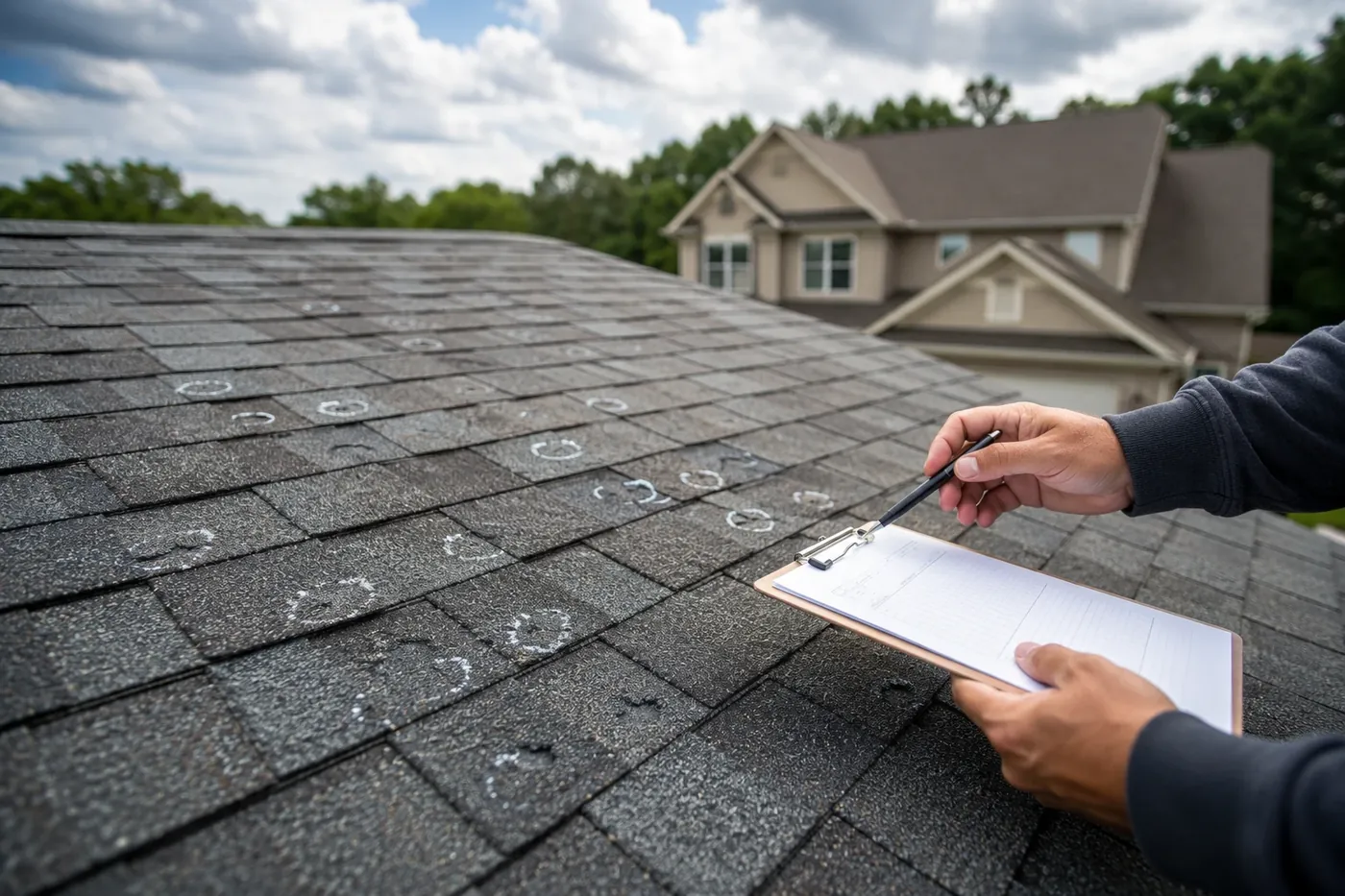
What cosmetic roof damage means, how it differs from functional damage, how Texas cosmetic exclusions work, and what evidence helps challenge a denial.
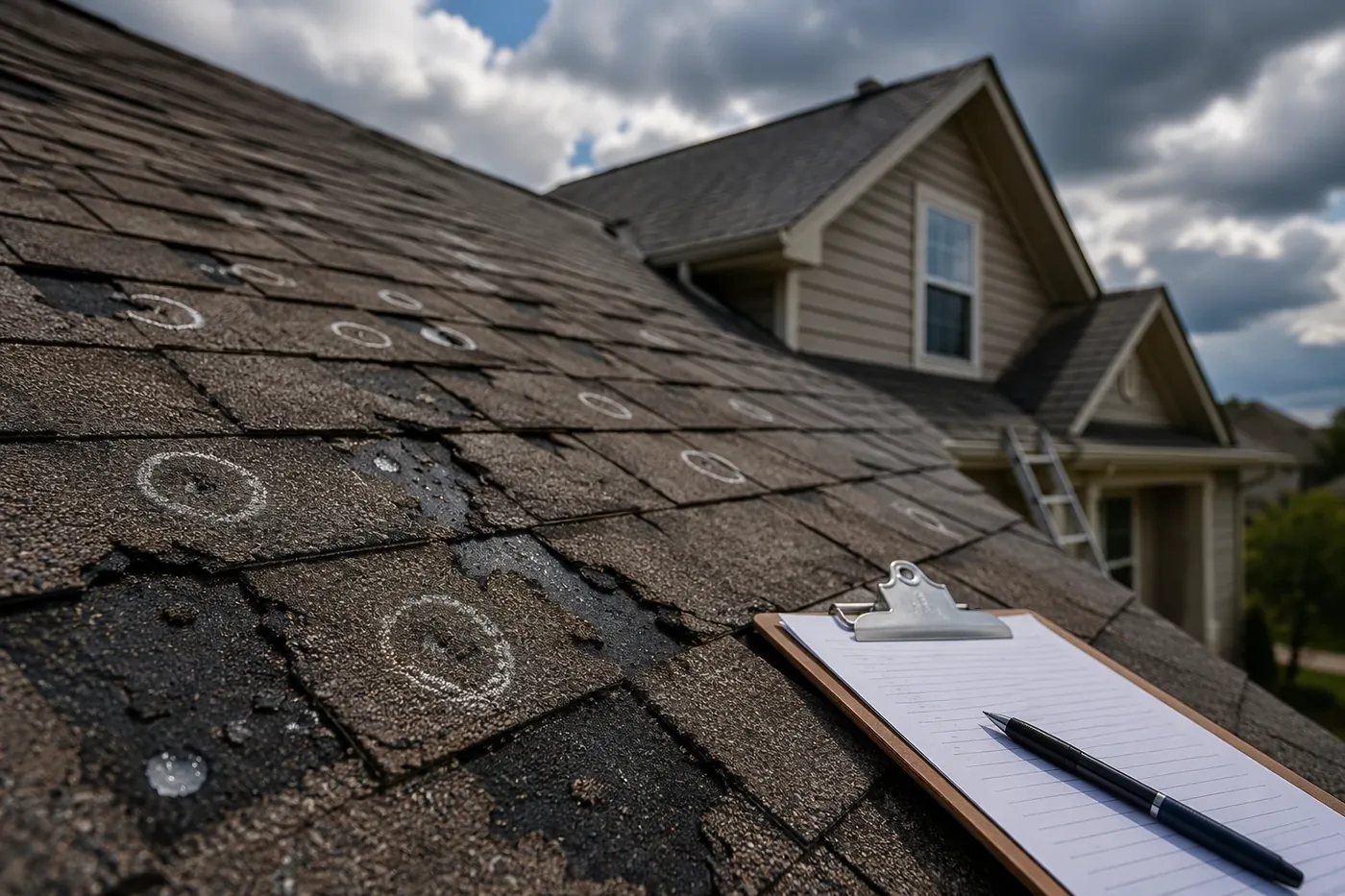
Functional roof damage reduces a roof’s ability to shed water or shortens its life. Learn how it differs from cosmetic damage and how to document it in Texas claims.
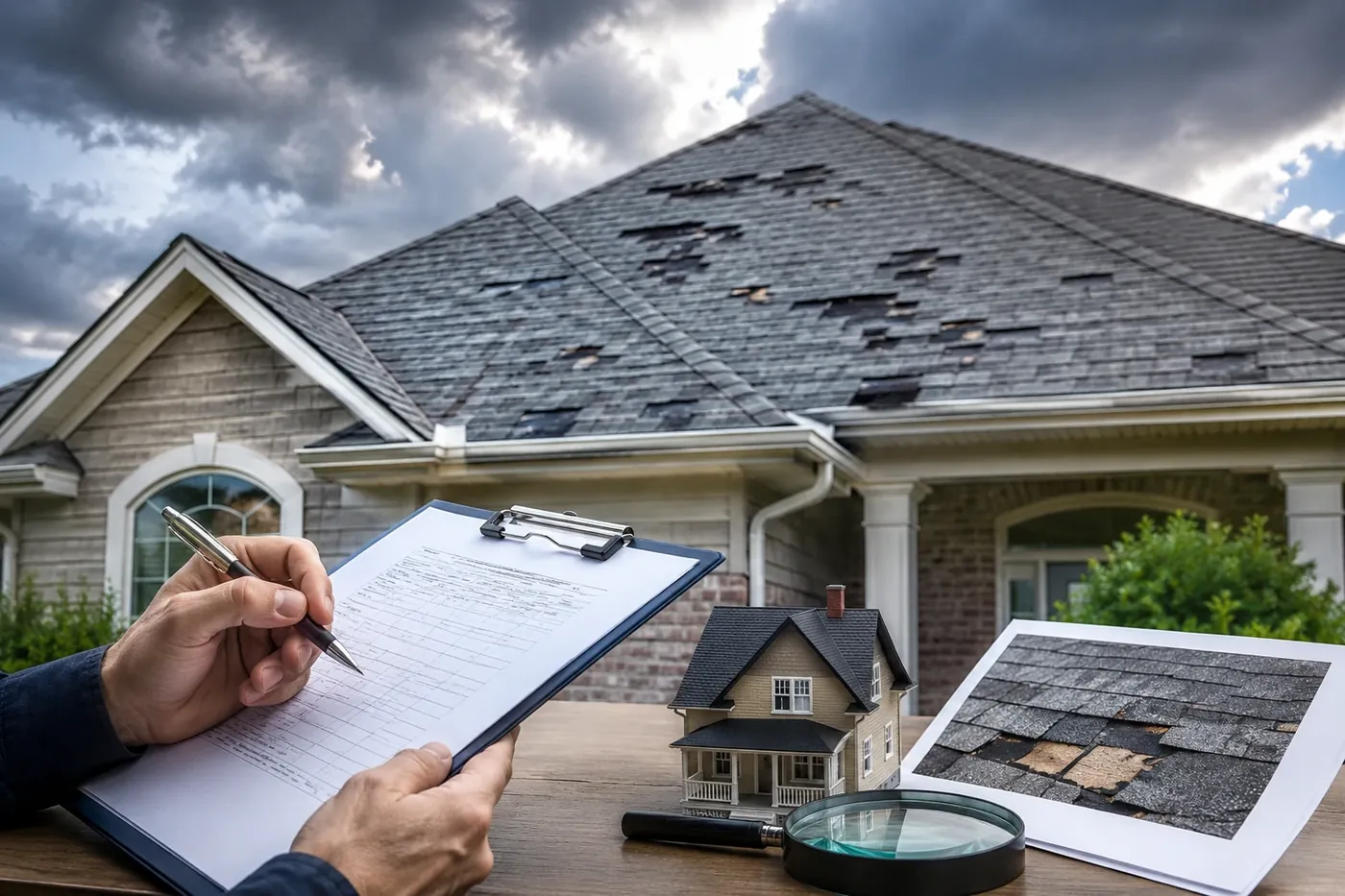
Why insurers approve roof repairs instead of full replacement: test squares, age, maintenance, cosmetic exclusions, and matching, plus how Texas homeowners can push back.

Rebuilding to current code can cost far more than a straight repair. Learn how ordinance and law coverage works, what it pays, and how Texas owners avoid disputes.

Why matching disputes happen on roof, siding and flooring claims, how Texas policy language shapes the outcome, and what evidence helps homeowners win them.

Learn what recoverable depreciation is, how insurers calculate it, how it differs from non-recoverable depreciation, and the exact steps to collect your withheld claim money.

Yes, you can dispute a scope of loss. Learn why insurance scopes come up short, warning signs to watch for, step-by-step ways to challenge them, and when appraisal helps.

Why do insurers underscope roof damage? Learn the causes, the line items most often missed, and how Texas homeowners can fix an incomplete roof estimate.

Hidden damage, missed line items and code upgrades often surface after the first payment. Learn how supplemental insurance claims work in Texas and how to get them approved.

Why is your insurance estimate lower than the actual repair cost? Learn the common causes, from missing scope and pricing to depreciation and code items, and how to close the gap.
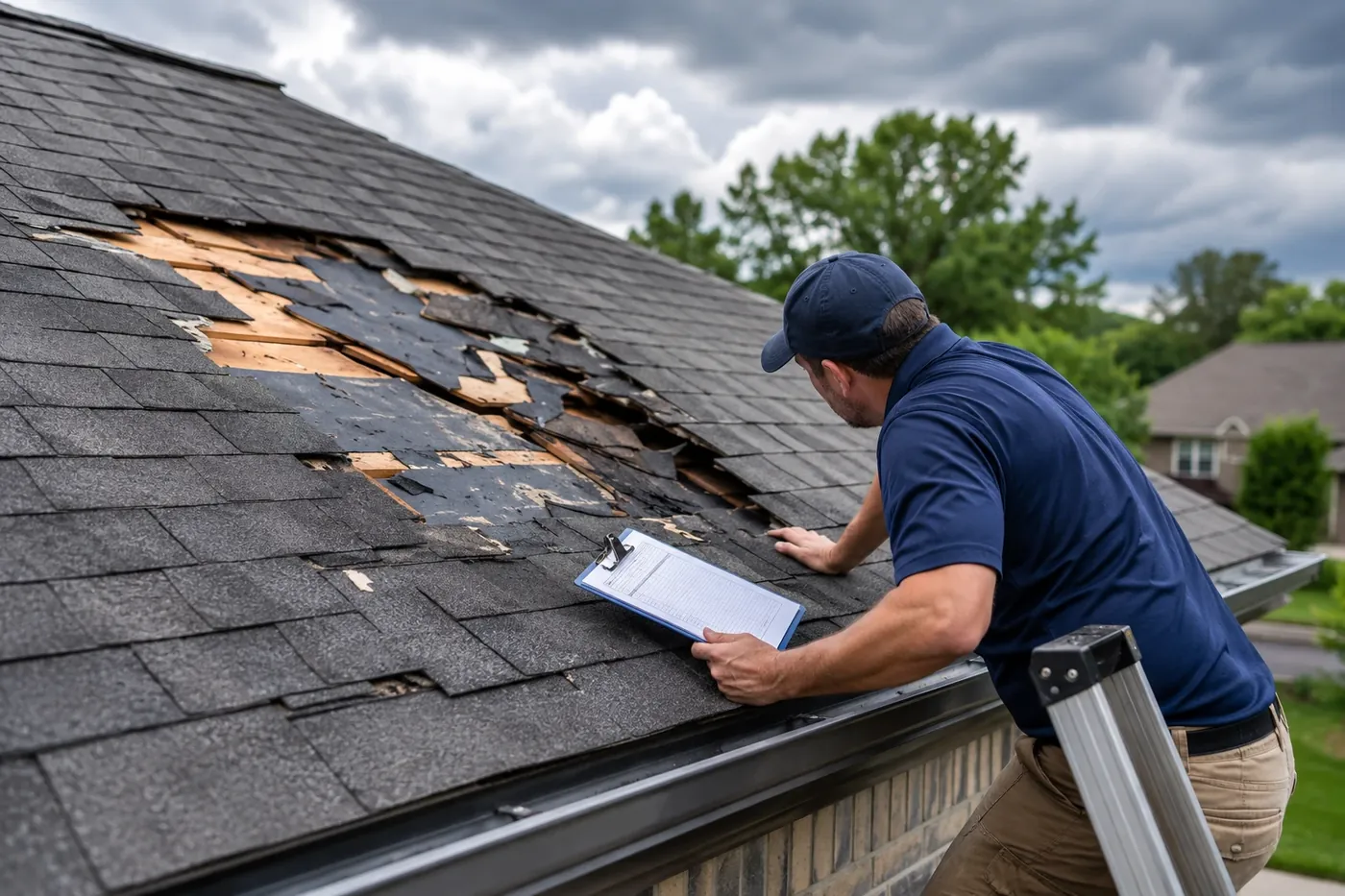
Insurance missed part of your roof damage? Learn how to document it, request a reinspection or supplement, track Texas deadlines and use appraisal if needed.

A low offer is rarely the final word. Learn how to fight a low insurance settlement in Texas with policy review, line-item evidence, negotiation and appraisal.

Why insurance estimates come in below contractor bids, from scope gaps and software pricing to depreciation and code items, and how Texas owners can close it.

Contractor bids far above the estimate? Missing line items or heavy depreciation? Learn 10 signs your insurance claim was underpaid and how Texas owners respond.

Small errors can cost you in appraisal: the wrong appraiser, missing photos, blown deadlines, or repairs made too soon. Learn the most common appraisal mistakes and how Texas owners avoid them.
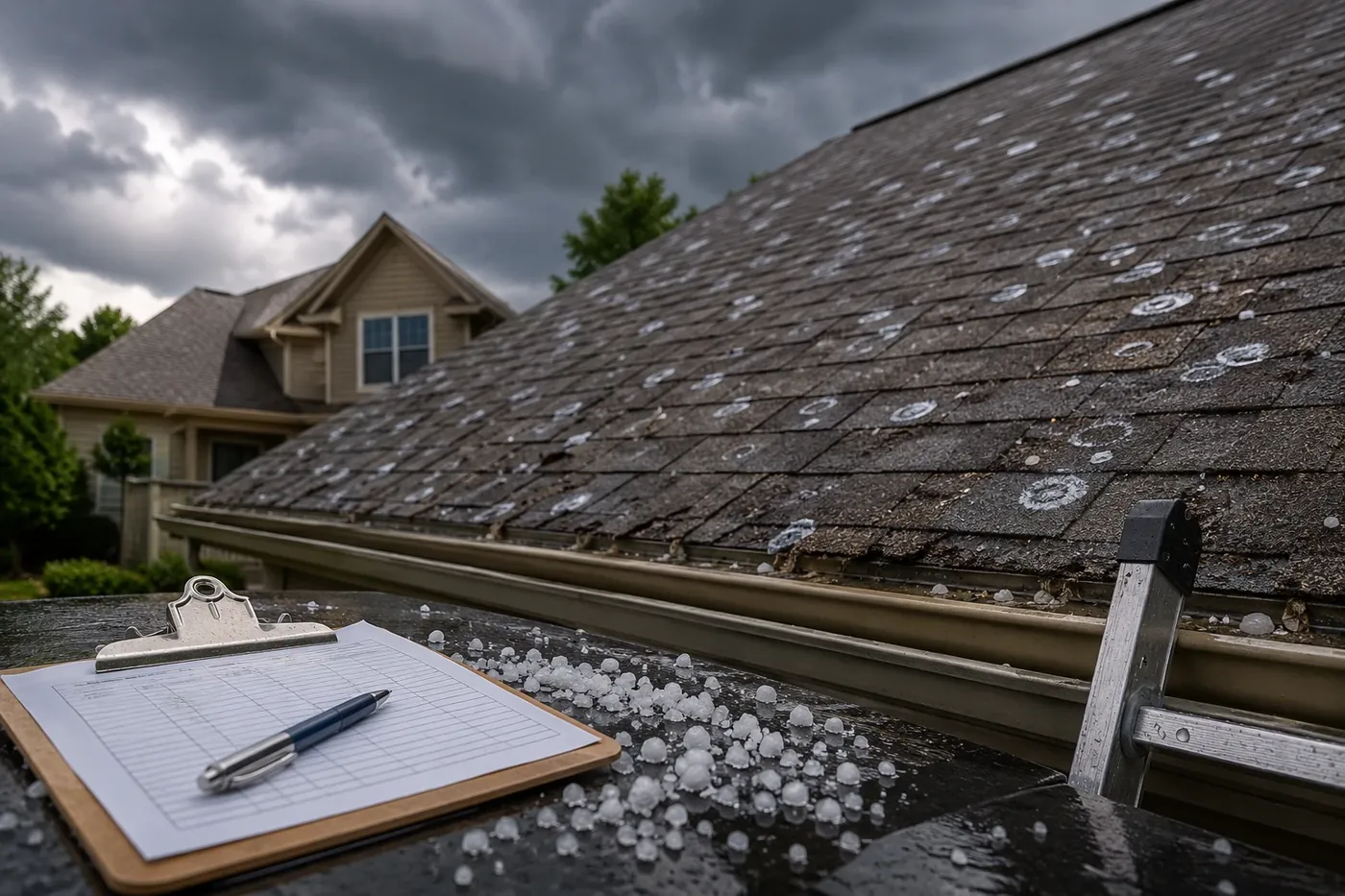
When an insurer underpays a hail claim, appraisal can set a binding amount of loss. Learn how hail appraisal works in Texas, what gets missed, and what evidence wins.

Most homeowners, condo, renters, dwelling, and commercial property policies include an appraisal clause. Learn which policies do, which don't, and how to find yours.
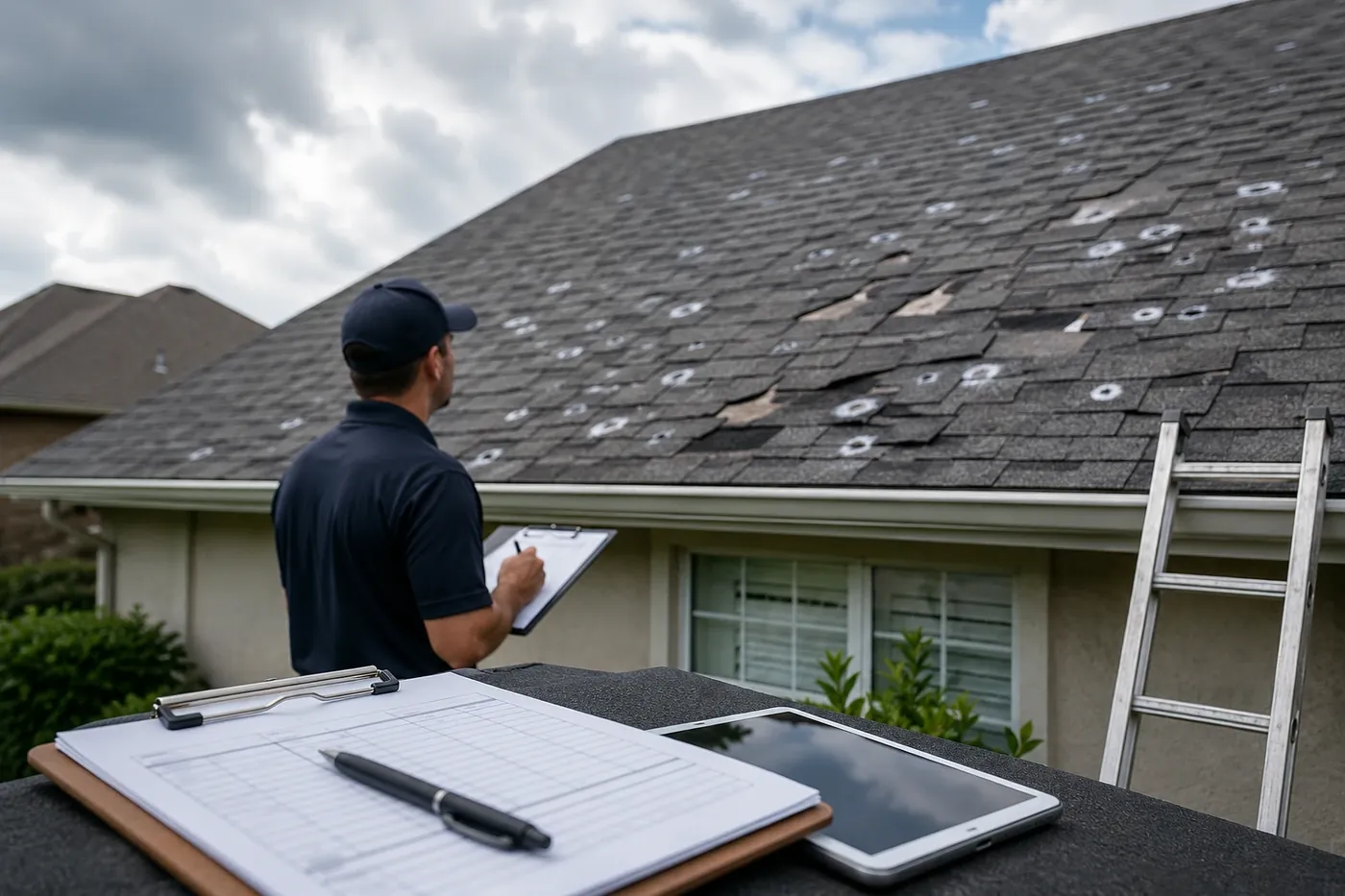
Yes, appraisal can be used for roof claims. See which roof disputes qualify, how the Texas process works, what it costs, how long it takes, and how to pick an appraiser.

How does residential vs commercial insurance appraisal differ? Compare scale, experts, business interruption, deductibles and timelines, plus what Texas owners should know.

What an impasse in insurance appraisal means, why appraisers deadlock, how an umpire or Texas court breaks the tie, and how owners keep claims moving.

Most Texas residential appraisals take about one to three months. See the insurance appraisal timeline explained stage by stage, plus what causes delays and how to avoid them.

An appraisal award usually settles the amount of loss, but some Texas claims survive. Learn what Ortiz and Barbara Technologies mean and when awards can be challenged.

Is an insurance appraisal award binding in Texas? Learn what appraisal decides, the narrow grounds for challenging an award, and what happens after payment.

When the two appraisers cannot agree on the amount of loss, the disputed items go to a neutral umpire. Learn how that works, how the award is signed, and how to strengthen your position.

Contractors can supply estimates, photos, and expertise in appraisal, but usually can't serve as your appraiser. Learn the right role for contractors and Texas rules.

Appraisal often raises the amount of loss when estimates miss damage, but it never guarantees more. See why awards rise, when they don't, and what evidence matters most.

A closed claim is often just an administrative label. Learn when appraisal can reopen a closed insurance claim in Texas, what can block it, and what evidence to gather.

Strong evidence wins appraisal disputes. Learn which estimates, photos, measurements, storm data and expert reports help most, and how to organize them for the panel.

An insurance umpire is the neutral third member of an appraisal panel who decides items the two appraisers cannot agree on. Learn how umpires are chosen, how they work, and what their award means.

Texas insurance umpires are usually chosen by the two appraisers, or by a court if they deadlock. Learn the steps, umpire qualifications, fees and what umpires decide.
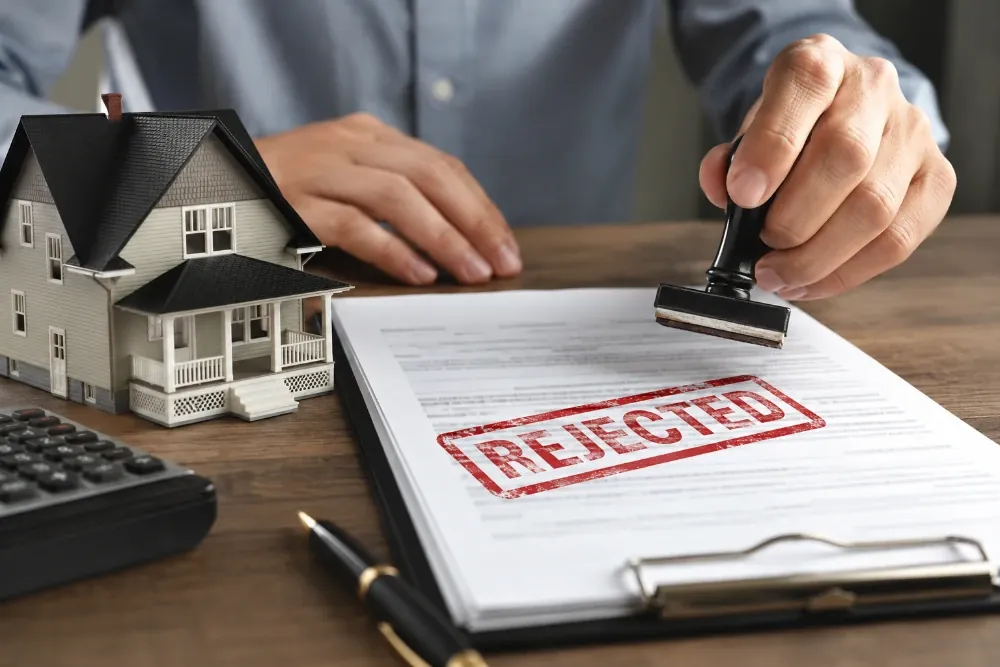
Many denials are really disputes over how much damage exists. Learn when Texas homeowners can still invoke appraisal after a denied claim and when they cannot.

Invoking appraisal starts a defined process: each side names an appraiser, an umpire is chosen, the loss is inspected and priced, and a signed award sets the amount. Here is each step in Texas.
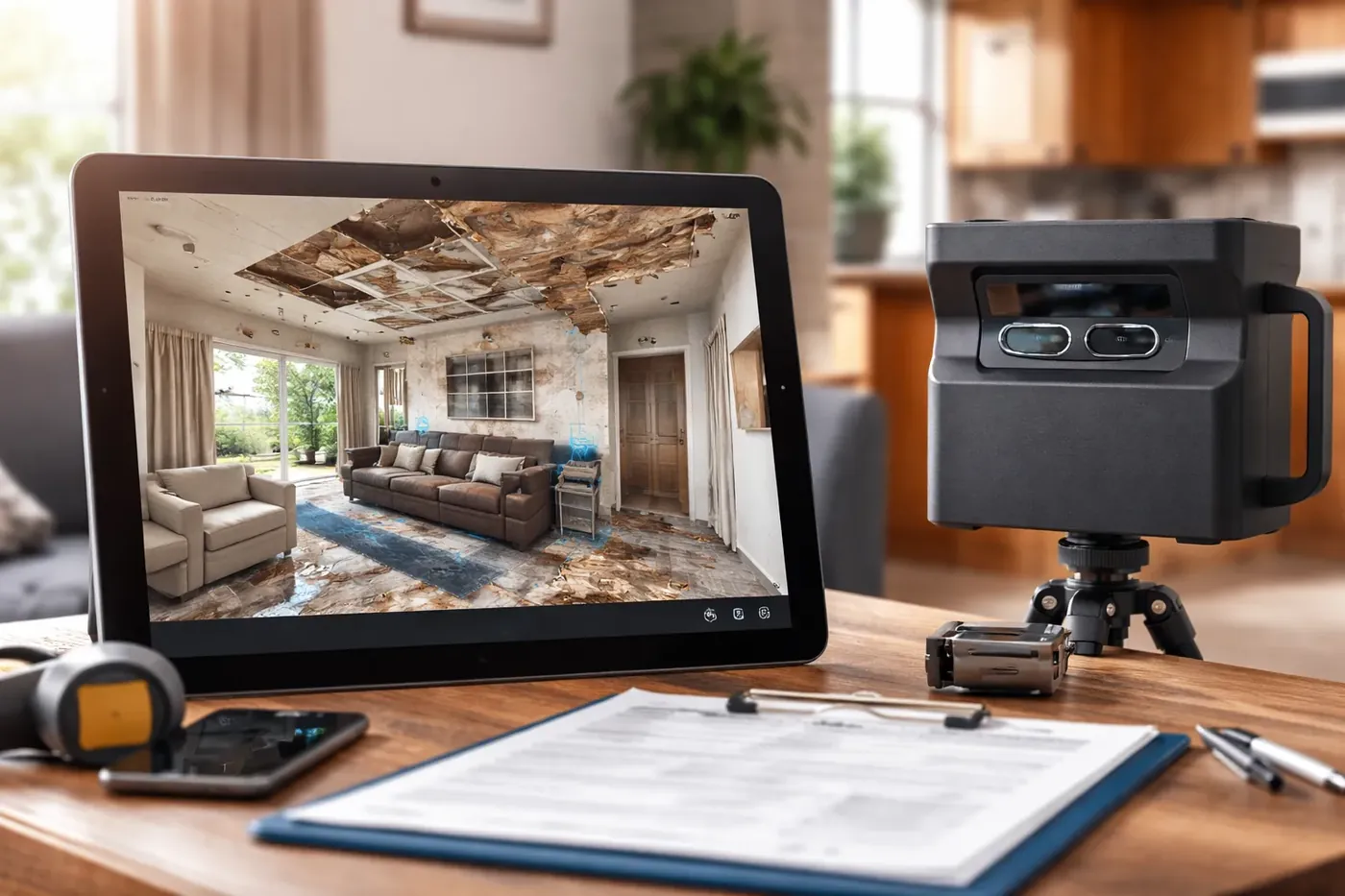
Matterport creates a measurable 3D model of a property at a specific moment. Learn what Matterport is, how it works and why it matters for insurance claims and appraisal.

Most Texas insurance appraisals take 4–12 weeks. See how long each stage lasts, what slows the process down, and how soon insurers pay after a signed award.

What is a notice of loss? Learn the first notice of loss (FNOL) definition, what date of loss and cause of loss mean, and how Texas deadlines start once you report.

"Insurance loss reported" means an insurer recorded a claim tied to a home or vehicle. Learn what it shows on CLUE and vehicle history reports, how long it lasts, and how it affects buyers.
What is hazard insurance? It is the dwelling coverage in your homeowners policy that lenders require. Learn what it covers, what it excludes and what Texas homeowners should check.

Hail severity, wind vs. wear, low pricing, water intrusion and pre-existing damage: the five disputes Dallas property owners face most in storm season.

Texas hail season peaks in spring, and Dallas roof claims surge with it. Learn when hail season hits, how storms affect claims, and how to protect your roof claim.

Dallas hail and wind season can turn a percentage deductible into a five-figure bill. Learn how wind/hail deductibles work, when they apply, and how to prepare before storms hit.
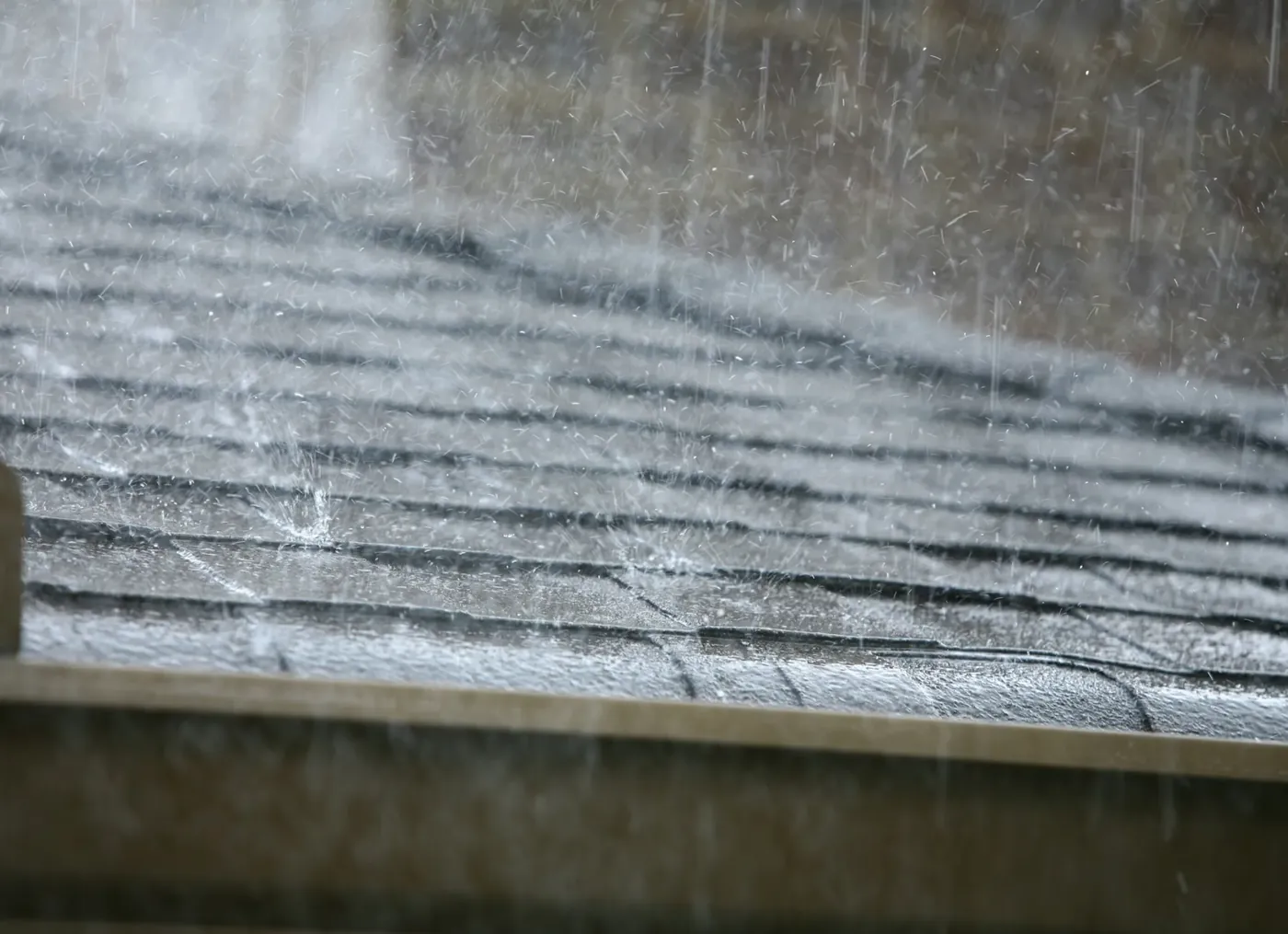
Peak weather season in Dallas runs March through June, with a smaller fall season. Learn when hail and tornado season hit Texas and how to prepare your property and policy.

Got a denied insurance claim in Texas? Learn why claims are denied, the first steps to take, when an appraiser can help, and when you need an attorney instead.

What does insurance loss reported mean? Learn what the phrase means on your claim, on CLUE loss history reports and on vehicle history reports, plus what happens next.

Adjusters investigate coverage and propose payment; appraisers resolve disputes over the amount of loss. Learn who works for whom and when Texans should hire an appraiser.

Fire damage goes beyond what burned: smoke, heat and water damage matter too. Learn how to protect your home, what insurance covers and how fire damage estimates work.
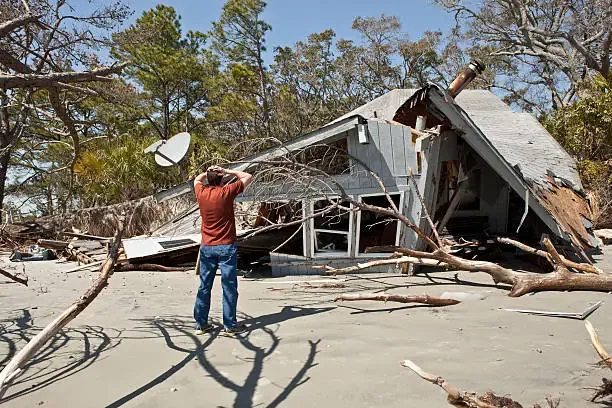
Hurricane damage insurance is really several coverages: wind, flood, and named storm deductibles. Learn what Texas policies cover, what they exclude, and how to handle a hurricane claim.

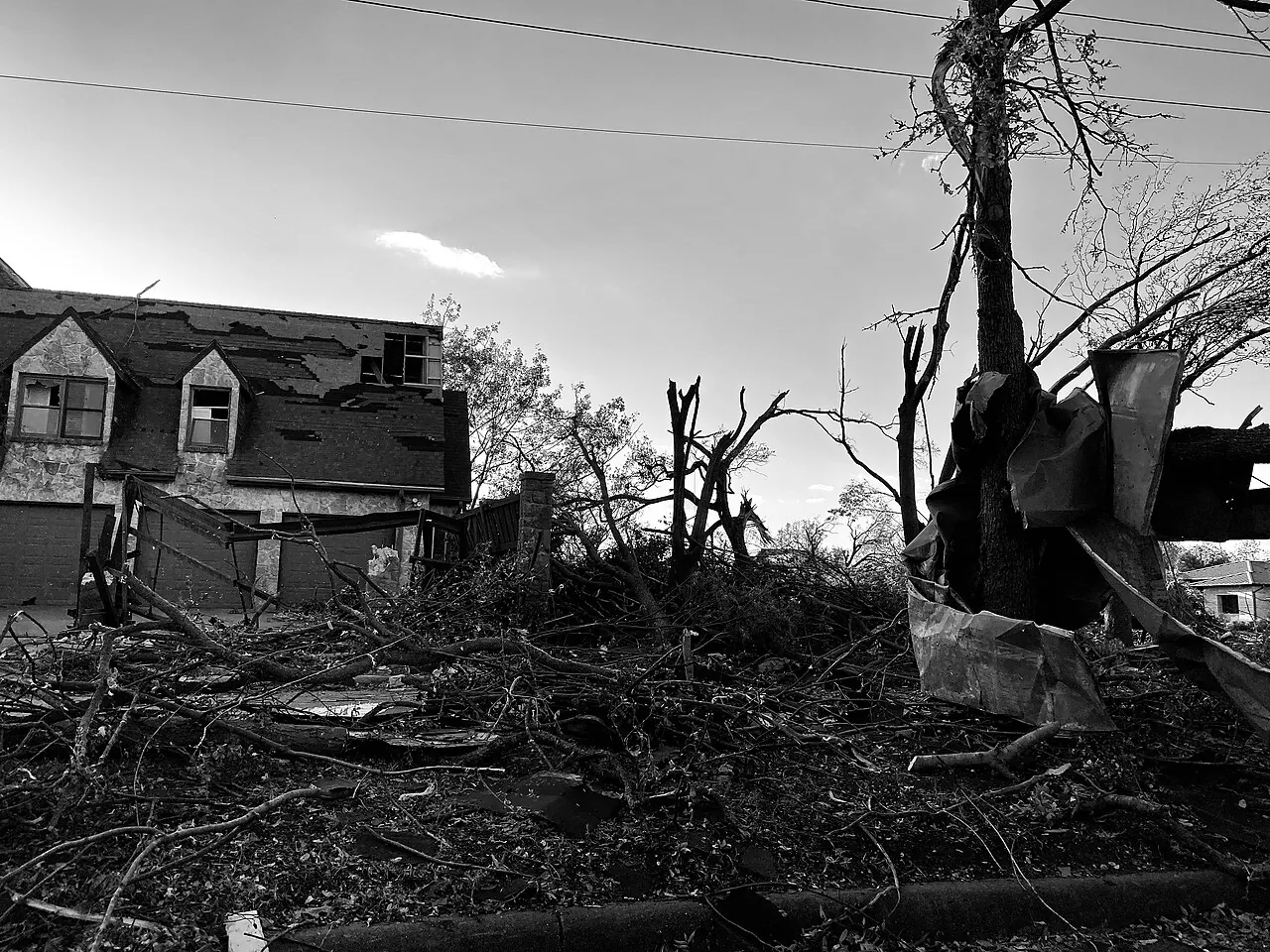
How tornado damage insurance works in Texas: what homeowners policies cover, how wind/hail deductibles apply, how to file and what to do if it's underpaid.

What is a Matterport scan and what is it used for? This guide covers how Matterport 3D virtual tours work, their accuracy, costs, CAD exports and their value in insurance claims.

Hidden damage, scope disputes, codes, pricing swings and depreciation make construction claim appraisals complex. Learn what an accurate property valuation requires.
Get a free, no-pressure claim review from TX Insurance Appraiser. We’ll tell you honestly whether appraisal makes sense for your loss.

Tell us about your claim and Joseph will personally review it — free, with no obligation.