
Storm damage claims often focus on shingles first. However, one of the most important roofing components is frequently overlooked: flashing. Understanding why flashing is commonly missed in claims can help homeowners identify costly omissions before repairs begin. Although flashing represents a relatively small portion of the overall roofing system, it plays a major role in preventing water intrusion. Nevertheless, flashing is regularly excluded from insurance estimates, leading to supplements, scope disputes, and unexpected expenses. As a result, homeowners may discover critical repair items only after contractors begin work. Therefore, understanding how flashing functions, where it is installed, and why it is frequently omitted can help property owners better evaluate their insurance claims.
What Is Roof Flashing?
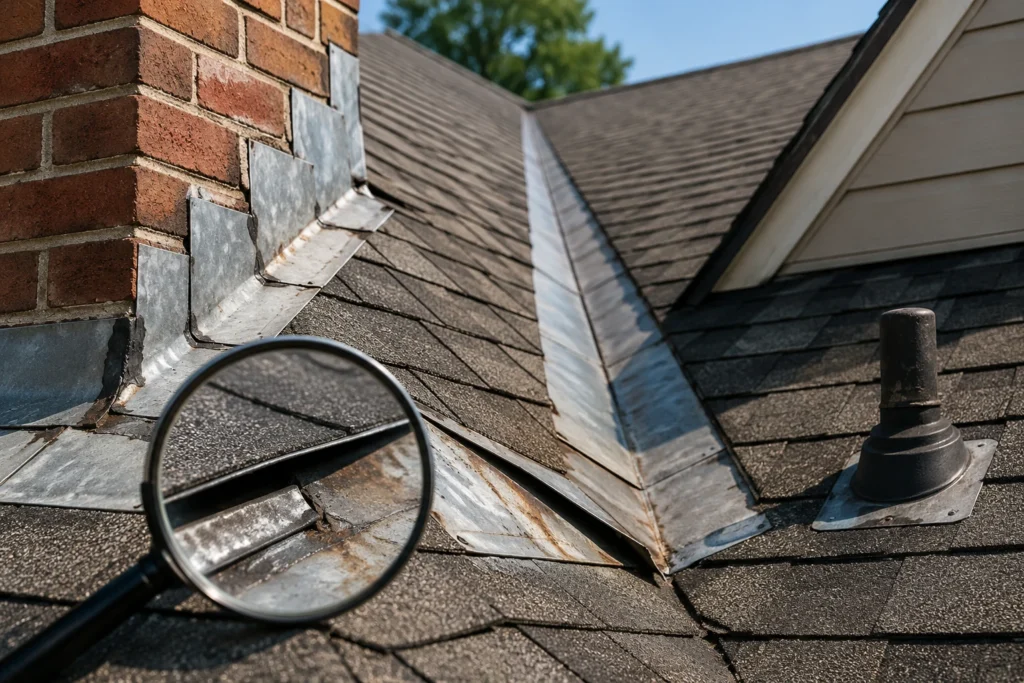
Before discussing insurance estimates, it is important to understand what flashing actually does. Roof flashing consists of metal materials installed around vulnerable roof areas where water could potentially enter the structure. Its primary purpose is to redirect water away from openings, transitions, and intersections. Without flashing, even a newly installed roof can develop leaks. Common flashing locations include:
- Chimneys
- Skylights
- Roof valleys
- Roof-to-wall transitions
- Plumbing penetrations
- Roof vents
- Dormers
- Roof edges
Because much of the flashing system remains hidden beneath shingles, siding, or masonry, many homeowners rarely notice it. Consequently, it often receives less attention during inspections.
Common Types of Roof Flashing
| Flashing Type | Purpose |
|---|---|
| Step Flashing | Protects roof-to-wall transitions |
| Counter Flashing | Covers and protects step flashing |
| Valley Flashing | Directs water through roof valleys |
| Chimney Flashing | Protects chimney intersections |
| Apron Flashing | Protects wall transitions |
| Drip Edge Flashing | Protects roof edges |
| Vent Flashing | Seals around roof penetrations |
| Skylight Flashing | Prevents leaks around skylights |
Each flashing component serves a specific purpose within the overall roofing system.
Why Flashing Is Critical to Roof Performance
Many homeowners assume shingles provide all the protection a roof needs. In reality, shingles are only one part of a larger water-management system. Flashing protects the roof’s most vulnerable locations. Specifically, it safeguards areas where materials intersect, change direction, or create openings. These locations are naturally more susceptible to leaks. Think of shingles as the outer layer. Flashing is the component that helps seal critical transitions. Without properly functioning flashing, water can enter around:
- Chimneys
- Skylights
- Pipe penetrations
- Roof walls
- Dormers
- Valleys
Once water enters the structure, problems can escalate quickly. Potential consequences include:
- Wet insulation
- Mold growth
- Interior staining
- Rotting roof decking
- Structural damage
- Ceiling and drywall repairs
Accordingly, flashing omissions can have consequences far beyond the roofing system itself.
Why Flashing Is Commonly Missed in Claims
So why is flashing commonly missed in claims despite its importance? The answer typically involves a combination of inspection limitations, visibility challenges, documentation issues, and estimating practices.
Inspectors Often Focus on Obvious Damage
After a hailstorm or windstorm, the most visible damage usually receives the most attention. Inspectors often focus on:
- Missing shingles
- Creased shingles
- Hail impacts
- Granule loss
- Wind damage
These conditions are easy to identify. Meanwhile, flashing systems may receive less scrutiny because they are smaller, less visible, and often partially concealed. Consequently, roofing accessories sometimes receive less detailed evaluation than the field shingles themselves.
Flashing Damage Is Frequently Hidden
Another major reason why flashing is commonly missed in claims is visibility. Many flashing systems cannot be fully inspected without removing materials. Some flashing components sit behind:
- Brick
- Stucco
- Siding
- Shingles
- Trim materials
As a result, only portions of the flashing may be visible during a standard inspection. For example, step flashing behind siding may appear acceptable from the exterior while hidden corrosion or damage exists underneath. Likewise, valley flashing can sustain storm-related impacts that become apparent only after roof tear-off begins. Therefore, some flashing damage remains undiscovered until construction starts.
Storm Damage Is Not Always Obvious
Not all storm damage creates dramatic visual evidence. In fact, many flashing problems are functional rather than cosmetic. Examples include:
- Bent flashing edges
- Lifted sections
- Broken sealant joints
- Loose fasteners
- Impact dents affecting drainage
These conditions may not immediately stand out during an inspection. Nevertheless, they can significantly affect the roof’s ability to manage water. Because flashing damage often appears less severe than damaged shingles, it may be overlooked even when it affects long-term performance.
High Claim Volumes Can Lead to Oversights
Following major storms, insurance carriers often face substantial claim volume. Inspectors may evaluate numerous properties each day. Under these circumstances, time becomes a significant factor. Although most inspections are performed professionally, practical limitations can reduce the amount of time available for evaluating every roofing component in detail. As a result, smaller items such as flashing may receive less attention than larger, more visible damage. This is particularly common after widespread hail events when hundreds or even thousands of claims are processed simultaneously.
Common Flashing Areas Frequently Missed in Claims
Certain flashing components appear in supplements and claim disputes more often than others. Let’s examine the most common examples.
Chimney Flashing
Chimneys create multiple opportunities for water intrusion. A typical chimney flashing system may include:
- Step flashing
- Counter flashing
- Apron flashing
- Back pan flashing
Each component works together to protect the chimney intersection. However, insurance estimates sometimes focus exclusively on surrounding shingles while overlooking flashing replacement requirements. This becomes especially important when older flashing cannot be reused during reroofing.
Wall Flashing
Roof-to-wall intersections frequently create claim disputes. Much of the flashing installed in these areas remains hidden behind siding materials. Consequently, inspectors may have limited visibility into its condition. Once contractors begin repairs, they may discover:
- Corrosion
- Improper installation
- Physical damage
- Missing flashing sections
When these conditions are identified, supplemental claim requests often follow.
Valley Flashing
Roof valleys handle substantial water flow during storms. In many cases, they process more water than almost any other section of the roof. Hail frequently damages valley metal. Denting can affect water flow and compromise long-term performance. Despite these concerns, valley flashing may be omitted from the original estimate because the damage appears less dramatic than shingle impacts.
Pipe Boot and Vent Flashing
Pipe boots represent one of the most commonly supplemented roofing components. The reason is simple. These materials experience continuous exposure to:
- Sunlight
- Rain
- Wind
- Temperature fluctuations
Over time, rubber components become brittle and deteriorate. Hail impacts can accelerate the damage. Contractors regularly identify:
- Cracked pipe boots
- Damaged collars
- Brittle rubber seals
- Impact-related failures
Yet these relatively inexpensive components often fail to appear on the initial insurance estimate.
Skylight Flashing Systems
Skylights introduce another area where flashing is commonly overlooked. Unlike many roofing components, skylight flashing systems are often manufacturer-specific. Replacement requirements may depend on:
- Manufacturer specifications
- Roof design
- Existing flashing condition
- Installation requirements
Therefore, simply replacing shingles around a skylight may not address the complete repair scope. In some situations, flashing replacement becomes necessary to maintain proper performance and warranty compliance.
Drip Edge Flashing
Drip edge flashing is another item frequently omitted from insurance estimates. Although it may appear simple, drip edge serves an important purpose. It helps:
- Protect roof edges
- Direct water away from fascia boards
- Reduce moisture intrusion
- Support proper drainage
In many jurisdictions, building codes require drip edge installation during roof replacement. Consequently, omitting this item can create unexpected costs for homeowners and contractors alike.
What Does It Mean to Underscope Roof Damage?
Before discussing why insurance companies underscope roof damage, it is important to understand what “scope” means. In an insurance claim, scope refers to the complete list of repairs needed to restore a property after a loss. Price, on the other hand, refers to the cost assigned to those repairs. In some ways, understanding material wear involves principles similar to Tribology the study of friction, wear, and lubrication between surfaces. Likewise, the durability and corrosion resistance of flashing materials are influenced by principles of Metallurgy, which examines the properties and performance of metals over time.
Why Insurance Estimates Often Exclude Flashing Replacement
In many cases, the omission is not intentional. Rather, it stems from assumptions, limited visibility, or incomplete documentation.

The Assumption That Flashing Can Be Reused
On paper, that sounds reasonable. In practice, however, reroofing frequently involves disturbing flashing components during tear-off and installation. Problems arise when existing flashing is:
- Rusted
- Bent
- Improperly installed
- Too short by current standards
- Damaged during removal
Consequently, contractors often determine that replacement is necessary even when the original estimate assumes otherwise.
Documentation Challenges
Insurance estimates rely heavily on documentation. Common documentation issues include:
- Limited photographs
- Incomplete inspection notes
- Hidden flashing systems
- Inaccessible roof areas
As a result, important flashing components may be left out of the original claim scope.
Estimating Software Limitations
These programs are powerful tools. However, they are only as accurate as the information entered into them. Likewise, two estimators evaluating the same roof may create significantly different scopes depending on what they identify during inspection. Therefore, estimate differences often stem from scope development rather than pricing alone.
Manufacturer Requirements and Flashing Replacement
Manufacturers do not simply sell shingles. They sell integrated systems that include:
- Underlayment
- Starter shingles
- Ridge materials
- Ventilation components
- Flashing requirements
Consequently, flashing replacement may be necessary to comply with installation specifications.
When Existing Flashing Cannot Be Reused
Contractors frequently encounter flashing that has reached the end of its useful life. Common examples include:
- Corroded metal
- Fatigued flashing
- Improperly sized flashing
- Damaged counter flashing
- Warped valley metal
Even if the flashing appears acceptable from a distance, closer inspection may reveal conditions that prevent reuse. Therefore, replacement often becomes the safer and more practical solution.
Warranty Considerations
Manufacturer warranties frequently require proper installation practices. Mixing new roofing materials with deteriorated flashing can create problems. For example:
| Potential Issue | Possible Consequence |
|---|---|
| Corroded flashing reused | Future water intrusion |
| Improper flashing dimensions | Drainage problems |
| Damaged flashing left in place | Premature roof failure |
| Incomplete installation | Warranty concerns |
Accordingly, contractors may recommend flashing replacement even when visible storm damage appears limited.
Building Code Requirements Can Change the Scope
Many homeowners assume insurance estimates automatically account for current code requirements. Unfortunately, that is not always the case.
Code Upgrades Can Trigger Additional Work
Roofing codes evolve over time. Materials and installation methods that were acceptable twenty years ago may no longer meet current standards. Examples may include:
- Drip edge requirements
- Flashing dimensions
- Fastening methods
- Water barrier requirements
Consequently, a roof replacement may require upgrades that were not included in the original estimate.
Matching New Materials
Building codes and installation standards often require compatibility between roofing components. A contractor may determine that older flashing does not properly integrate with the new roofing system. As a result, replacement becomes necessary to ensure proper performance. These situations frequently generate supplemental claim requests.
How Missing Flashing Impacts Homeowners
The consequences of flashing omissions extend far beyond paperwork.
Increased Leak Risk
Flashing protects the roof’s most vulnerable areas. When damaged flashing remains in place, water intrusion becomes more likely. Potential outcomes include:
- Ceiling damage
- Wet insulation
- Mold growth
- Wood rot
- Interior repairs
Therefore, flashing should never be treated as a minor accessory.
Unexpected Out-of-Pocket Costs
Many homeowners believe claim settlement funds will cover the entire repair. However, omitted flashing items can create unexpected expenses.
For example:
| Missing Item | Potential Result |
|---|---|
| Drip edge | Additional contractor charges |
| Valley flashing | Supplemental repairs |
| Chimney flashing | Leak-related repairs |
| Pipe boots | Additional replacement costs |
Consequently, homeowners may face expenses that were never anticipated when the claim was first approved.
Project Delays
Missing flashing items can also delay construction.
Once contractors identify omissions, they often need to:
- Document the issue
- Submit supplements
- Await carrier review
- Revise repair scopes
Meanwhile, project timelines can extend significantly.
How Contractors Identify Missing Flashing Items
Experienced roofing contractors typically perform more detailed evaluations than initial storm inspections. Their goal is not simply to identify damage.
Comprehensive Roof Evaluations
Contractors often inspect:
- Roof penetrations
- Chimneys
- Valleys
- Roof-to-wall transitions
- Skylights
- Vent systems
This detailed review frequently uncovers flashing concerns not included in the original estimate.
Tear-Off Discoveries
During tear-off, contractors may discover:
- Rusted metal
- Improper installation
- Hidden deterioration
- Water damage
- Missing flashing sections
Consequently, supplemental requests often arise after construction begins rather than before.
Documentation Matters
Successful supplements typically rely on strong documentation. Helpful evidence may include:
- Photographs
- Measurements
- Manufacturer specifications
- Building code references
- Contractor reports
The more thorough the documentation, the easier it becomes to demonstrate the need for additional repairs.
The Role of Insurance Appraisal in Flashing Disputes
This is where appraisal may enter the discussion.
Scope Disputes Are Common
Many roofing disputes involve scope rather than coverage. The disagreement is not whether damage exists. Instead, the disagreement centers on what repairs are necessary. Flashing replacement frequently falls into this category. For example:
- The contractor recommends replacement.
- The carrier believes reuse is appropriate.
- Both parties rely on different interpretations of the evidence.
Consequently, disputes can develop even when everyone agrees a roof requires repairs.
Appraisal Provides Independent Review
The appraisal process offers an alternative method for resolving valuation and scope disagreements. Rather than relying solely on opposing opinions, independent appraisers evaluate the evidence and determine an appropriate amount of loss. Supporting evidence may include:
- Inspection reports
- Photographs
- Contractor estimates
- Code documentation
- Manufacturer requirements
When used appropriately, appraisal can help resolve disagreements involving omitted flashing components.
Warning Signs Flashing May Be Missing From Your Estimate
Homeowners should carefully review their insurance estimates before repairs begin. Pay particular attention to:
- Chimney flashing
- Step flashing
- Counter flashing
- Valley metal
- Pipe boots
- Skylight flashing
- Drip edge
If these items do not appear in the estimate, additional questions may be warranted. Consider asking:
- Is flashing included in the scope?
- Can existing flashing realistically be reused?
- Are code requirements addressed?
- Have manufacturer specifications been considered?
- Has a contractor reviewed the estimate?
These questions often reveal potential omissions early in the process.
Best Practices for Reviewing Roof Claims
A careful review can prevent costly surprises later.
Compare the Estimate to Actual Roof Components
Do not focus exclusively on shingles. Instead, verify that all roofing accessories and components are accounted for. A complete roof system involves much more than the visible roofing surface.
Obtain an Independent Inspection
Independent evaluations frequently identify issues missed during initial inspections. Professional inspections may uncover:
- Hidden flashing damage
- Code concerns
- Installation deficiencies
- Supplemental repair needs
Accordingly, a second opinion can provide valuable insight before repairs begin.
Review the Scope Before Settling
Perhaps most importantly, review the estimate thoroughly before accepting the final settlement. Identifying omissions early is often easier than addressing them after construction has started.
Conclusion
Ultimately, understanding why flashing is commonly missed in claims can help homeowners avoid costly surprises during the repair process. Although flashing may not receive the same attention as shingles, it plays a critical role in protecting the roof from water intrusion. Therefore, homeowners should review estimates carefully, compare the scope to actual roof components, and seek professional guidance when necessary. By doing so, they can identify potential omissions early and help ensure the claim accurately reflects the work required to restore the property properly.
FAQs
Flashing is often hidden beneath shingles, siding, or masonry, making it harder to inspect than visible roofing materials. As a result, it may be overlooked during the initial claim evaluation.
Roof flashing is a metal material installed around vulnerable roof areas to direct water away from openings, transitions, and intersections. It helps prevent leaks and moisture intrusion.
Yes. Hail can dent, bend, loosen, or damage flashing components, especially around chimneys, valleys, vents, and skylights.
Not always. Some estimates assume existing flashing can be reused, while others may omit flashing because damage was not identified during the inspection.
Damaged flashing can allow water to enter the roof system, potentially leading to leaks, wood rot, mold growth, and interior damage over time.
Contractors frequently discover hidden flashing damage during detailed inspections or roof tear-off. These findings may require additional repairs that were not included in the original estimate.
Yes. Current building codes may require flashing upgrades or replacement during reroofing projects, even if older flashing was previously considered acceptable.
Sometimes, but not always. Factors such as corrosion, physical damage, improper installation, and manufacturer requirements may make replacement necessary.
Homeowners should review the scope for items such as chimney flashing, valley metal, drip edge, pipe boots, and skylight flashing. A professional roof inspection can also help identify omissions.
Yes. When contractors and insurance carriers disagree about flashing replacement or repair scope, appraisal may provide an independent method for evaluating the appropriate amount of loss.