
Roof claims often look straightforward. However, many homeowners discover that the insurance estimate does not include all necessary repairs. This is one reason why insurance companies underscope roof damage, creating disputes over what should actually be repaired or replaced. An incomplete scope can leave homeowners paying unexpected costs or dealing with future problems. Therefore, understanding why under-scoping occurs can help you identify missing damage and pursue a more accurate settlement.
What Does It Mean to Underscope Roof Damage?
Before discussing why insurance companies underscope roof damage, it is important to understand what “scope” means. In an insurance claim, scope refers to the complete list of repairs needed to restore a property after a loss. Price, on the other hand, refers to the cost assigned to those repairs. Consequently, a claim can contain accurate pricing while still missing important repairs. For example, an estimate may include:
- Replacing several damaged shingles
- Minor flashing repairs
- Basic labor costs
However, it may leave out:
- Underlayment replacement
- Ridge cap repairs
- Starter shingles
- Code-required upgrades
- Ventilation components
- Additional storm-damaged areas
As a result, the estimate may appear complete even though significant repairs remain unaddressed.
Common Signs of an Under-Scoped Roof Claim
Several warning signs may suggest your roof claim deserves a closer look.
| Warning Sign | Possible Concern |
|---|---|
| Extremely low repair estimate | Damage may have been missed |
| Few damaged shingles listed | Broader damage pattern may exist |
| Missing roof components | Incomplete inspection |
| Large difference between estimates | Scope disagreement |
| No code upgrade allowance | Compliance costs omitted |
Additionally, if you discover more damage after the initial inspection, the claim process may not be finished. Many homeowners are unfamiliar with how supplemental claims work, which is why understanding Supplemental Insurance Claims Explained can be valuable when hidden damage, overlooked materials, or code-required upgrades emerge after the original estimate is issued.
Why Insurance Companies Often Miss Roof Damage
Many property owners assume an incomplete estimate means someone made a mistake. Sometimes that is true. More often, several factors contribute to missed damage.
Limited Inspection Time
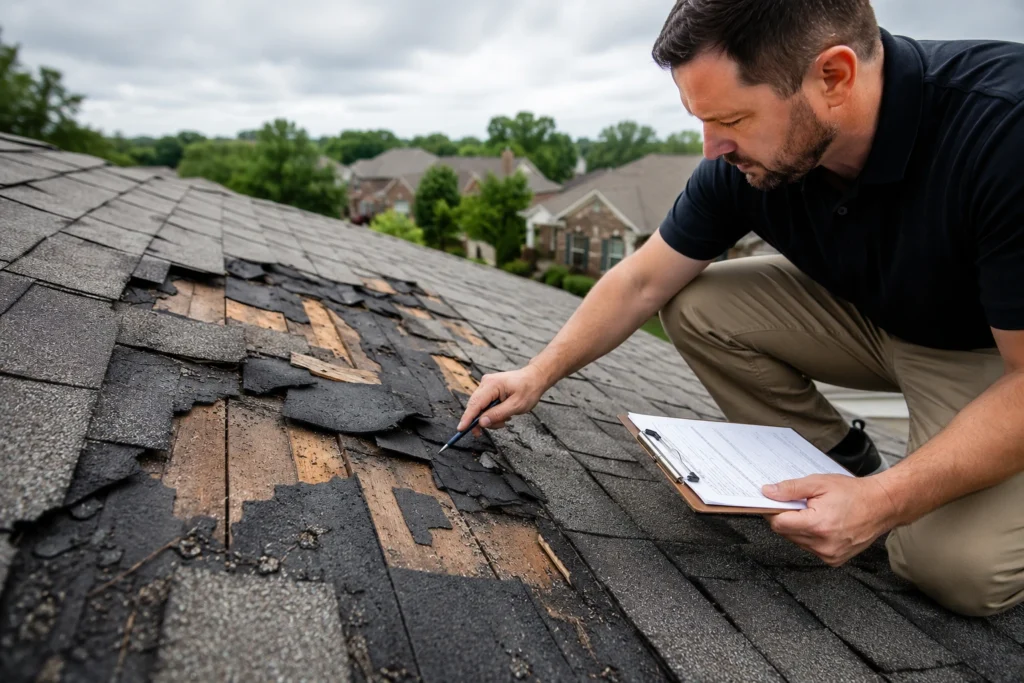
Insurance adjusters frequently inspect numerous properties within a short period. Following a major hailstorm or wind event, schedules become especially demanding. Consequently, inspections may focus on obvious damage while more subtle issues receive less attention. A roof system contains multiple components working together. Therefore, identifying all damage requires time, documentation, and careful evaluation. When inspections are rushed, important details can be overlooked.
Reliance on Surface-Level Observations
Some roof damage is easy to spot. Missing shingles. Torn flashing. Exposed decking. However, many storm-related issues are less obvious. Damage may exist beneath roofing materials or within components that are not immediately visible. Consequently, what appears minor from the ground may become much more significant during a detailed inspection. What looks insignificant at first glance may require closer analysis, particularly when inspectors must evaluate complex patterns of damage rather than relying on simple visual Heuristic methods.
Lack of Specialized Roofing Expertise
Not every adjuster specializes in roofing systems. Today’s roofs are more complex than many homeowners realize. Different materials, installation methods, and code requirements create unique challenges during inspections. A thorough roof evaluation may require knowledge of:
- Asphalt shingles
- Metal roofing
- Tile roofing
- Synthetic materials
- Ventilation systems
- Flashing assemblies
- Building code requirements
Therefore, inspectors with limited roofing experience may unintentionally overlook critical damage indicators.
Increased Use of Remote Inspections
Technology has changed the insurance industry. Today, insurers often rely on:
- Satellite imagery
- Drone photography
- Remote measurement software
- Virtual inspections
These tools certainly improve efficiency. However, they also have limitations. For example, a drone can capture visible damage but may not identify lifted shingles, weakened seal strips, hidden fractures, or underlying moisture intrusion. As a result, some forms of damage require hands-on inspection to be properly documented.
The Most Common Roof Damage Items Insurance Estimates Miss
Certain roofing components appear repeatedly in disputed claims.
Damaged Underlayment
Underlayment serves as a secondary layer of protection beneath roofing materials. When hail or wind damages a roof, the underlayment may also suffer damage. However, because it remains hidden beneath the surface, it is frequently overlooked during initial inspections. Consequently, homeowners may experience leaks even after repairs have been completed.
Flashing Damage
Flashing protects some of the most vulnerable areas of a roof. These areas commonly include:
- Chimneys
- Skylights
- Roof valleys
- Plumbing penetrations
- Wall intersections
Because flashing can bend, crack, loosen, or puncture during storms, it requires careful inspection. Nevertheless, flashing damage is often omitted from initial estimates.
Ventilation Components
Proper ventilation helps extend roof life and improve performance. Important ventilation components include:
- Ridge vents
- Static vents
- Turbine vents
- Power vents
- Exhaust systems
Although these components are essential, estimates sometimes focus only on shingles and overlook ventilation-related damage.
Starter Shingles and Ridge Caps
Starter shingles and ridge caps play critical roles in roof protection, shingles help secure roof edges against wind uplift. Ridge caps protect the highest points of the roof. Therefore, when a roof replacement becomes necessary, these materials often require replacement as well. Yet they are commonly excluded from under-scoped estimates.
Drip Edge and Edge Metals
Drip edge materials help direct water away from the roof structure. Additionally, many local building codes require proper edge protection. When older roofs lack compliant drip edge systems, replacement projects may trigger additional requirements. Consequently, repair costs can increase.
Valleys and Transition Areas
Roof valleys handle large volumes of water during storms. Because of their design, valleys often experience concentrated stress from wind and hail. However, damage in these areas may not be immediately obvious. For that reason, valleys deserve special attention during every roof inspection.
How Texas Building Codes Can Increase Roof Repair Costs
Visible storm damage is only part of the equation. In many cases, building code requirements significantly affect repair costs.
Code Upgrade Requirements
Many Texas homes were built under older code standards. When major roof repairs occur, local jurisdictions may require upgrades that were not part of the original installation. These upgrades may include:
- Improved underlayment
- Enhanced flashing systems
- Drip edge installation
- Updated ventilation requirements
- Additional water protection barriers
As a result, repair costs often increase beyond the original estimate. Furthermore, modern construction standards frequently follow principles similar to Systems engineering where multiple building components work together as a complete system rather than functioning independently.
Ordinance and Law Coverage
Many insurance policies contain Ordinance and Law coverage. This coverage may help pay for additional expenses associated with code-required upgrades. However, those costs are not always fully considered during the initial claim review. Therefore, homeowners should carefully examine whether code-related expenses have been included.
The Financial Impact of Code Compliance
At first glance, an estimate may appear reasonable. However, once local code requirements are identified, additional materials, labor, and installation procedures can substantially increase project costs. Consequently, code compliance frequently becomes a major point of disagreement between contractors and insurance companies.
Why Hail Damage Is Frequently Under-Scoped
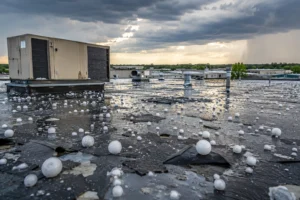
Texas regularly experiences severe hailstorms. Therefore, hail-related roof disputes remain among the most common insurance claim disagreements.
Hidden Hail Impacts
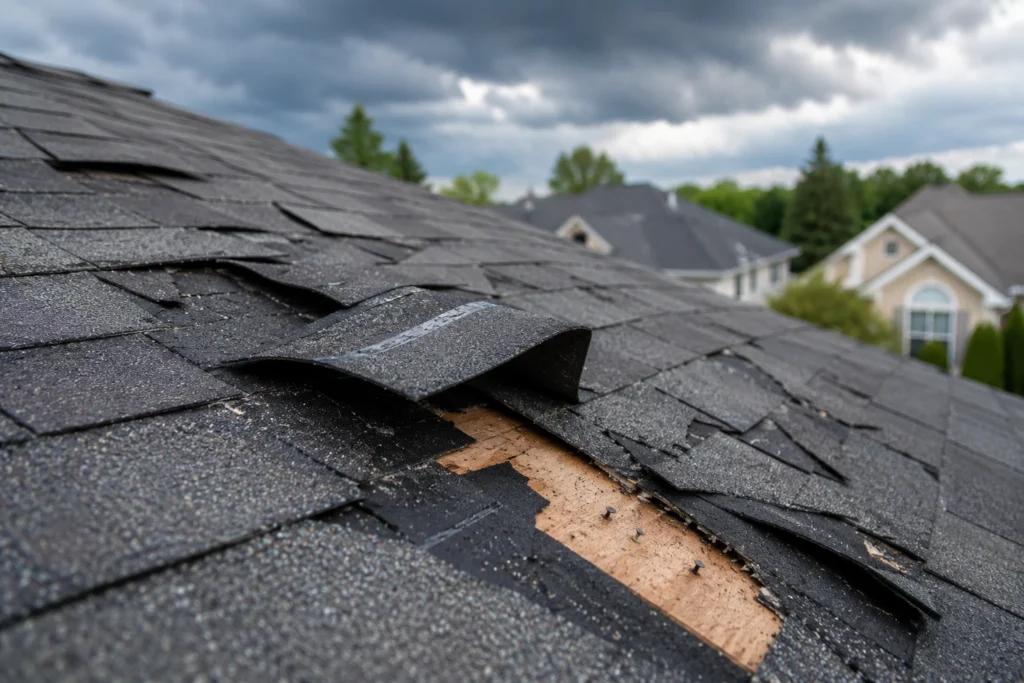
Many homeowners expect hail damage to be obvious. In reality, some of the most serious damage can be difficult to detect. Examples include:
- Granule loss
- Mat fractures
- Bruising
- Surface cracking
- Soft impact areas
Because these conditions are often subtle, they may not be identified during a quick inspection.
Functional Versus Cosmetic Damage
Another common dispute involves whether damage is cosmetic or functional. Insurance companies may argue that certain impacts affect appearance only. Contractors, however, may conclude the same damage reduces the roof’s ability to perform properly. As a result, disagreements over damage classification frequently contribute to under-scoped claims.
Damage Beyond the Shingles
Hail affects more than shingles. A complete inspection should also evaluate:
- Gutters
- Downspouts
- Flashings
- Skylights
- Soft metals
- Roof vents
Therefore, focusing exclusively on shingles may leave important damage undocumented.
Why Wind Damage Is Frequently Underestimated
Wind damage presents unique challenges. Unlike hail damage, wind often leaves subtle signs behind. Shingles may appear intact even though their performance has been compromised. Consequently, wind-related damage is frequently underestimated during initial inspections we will examine the financial consequences of under-scoped roof claims, why contractors and insurance companies often disagree, and how the insurance appraisal process can help resolve scope disputes.
Why Wind Damage Is Frequently Underestimated
Wind damage often creates disputes because the signs are not always obvious. Unlike hail, which usually leaves visible impact marks, wind can weaken roofing materials without creating dramatic surface damage. Consequently, an adjuster may view the roof differently than a contractor performing a detailed inspection.
Lifted and Creased Shingles
Strong winds can lift shingles and break their adhesive seals. Once this occurs, the shingles become more vulnerable to future weather events. In some cases, the damage creates visible creases. In other situations, however, the damage may be difficult to see without physically manipulating the shingles. As a result, initial inspections sometimes underestimate the extent of the damage.
Seal Strip Failure
Seal strips help shingles remain attached during wind events. When these seals break, the shingles may no longer perform as designed. Although the roof may still appear functional, its ability to withstand future storms can be significantly reduced. Therefore, overlooking seal strip failure can create long-term problems that are not immediately apparent.
Secondary Water Intrusion Risks
Even minor wind damage can lead to larger issues. For example, a lifted shingle may allow water to penetrate beneath the roofing system during future storms. Over time, that moisture can damage decking, insulation, and interior finishes. Consequently, a roof that appears repairable today may require much more extensive repairs later if the original damage is overlooked.
The Financial Consequences of an Under-Scoped Roof Claim
When insurance companies underscope roof damage, the consequences often extend far beyond the initial estimate. Many homeowners focus on the immediate settlement amount. However, the long-term costs can be much greater.
Out-of-Pocket Expenses
Perhaps the most obvious consequence is additional financial responsibility. If the insurance estimate fails to include necessary repairs, homeowners may have to pay the difference themselves. These unexpected costs can include:
- Additional roofing materials
- Labor expenses
- Code upgrades
- Ventilation corrections
- Water damage repairs
Therefore, accepting an incomplete scope without review can become expensive.
Incomplete Repairs
Contractors face challenges when working with inadequate claim budgets. In some cases, homeowners choose to proceed with only the repairs approved by the insurer. While this may seem practical initially, it can leave portions of the damage unaddressed. Consequently, the roof may continue to deteriorate despite recent repairs.
Future Damage Risks
An under-scoped claim can create a chain reaction. Missing flashing damage may lead to leaks. Damaged underlayment may allow moisture intrusion. Unaddressed ventilation issues may contribute to premature roof deterioration. As a result, a relatively small omission today can become a much larger claim tomorrow.
Reduced Property Value
Buyers often evaluate the condition of a roof carefully. If storm damage was not properly repaired, future inspections may identify deficiencies that affect property value. Furthermore, disclosure requirements may create additional complications during a sale. Therefore, complete repairs help protect both the property and its marketability.
How Contractors and Insurance Companies Often Disagree
One of the most misunderstood aspects of roof claims is the disagreement between contractors and insurance companies. Many homeowners assume one side must be wrong. However, the situation is often more complex.
Different Inspection Objectives
Insurance adjusters and contractors approach inspections from different perspectives. An adjuster’s goal is to determine what damage is covered under the policy. A contractor’s goal is to identify everything required to complete a proper repair. Although these objectives overlap, they are not always identical. Consequently, differing conclusions can emerge.
Scope Disputes Versus Price Disputes
Many homeowners focus on pricing. In reality, scope disagreements are often the larger issue. Consider the following example:
| Issue | Insurance Estimate | Contractor Estimate |
|---|---|---|
| Damaged Shingles | 20 shingles | Entire slope |
| Ridge Caps | Not included | Included |
| Underlayment | Not included | Included |
| Flashing | Limited repairs | Full replacement |
| Ventilation | Not included | Included |
In this example, the primary disagreement involves what should be repaired rather than how much those repairs cost.
Documentation Challenges
Roof damage disputes often come down to documentation. Strong documentation may include:
- Photographs
- Drone imagery
- Moisture readings
- Roof measurements
- Manufacturer requirements
- Building code references
- Contractor reports
Therefore, detailed documentation frequently plays a critical role in resolving disagreements.
The Role of an Independent Insurance Appraiser
When significant scope disputes arise, homeowners may seek assistance from an independent insurance appraiser.
What an Insurance Appraiser Does
An insurance appraiser independently evaluates the claimed damage. Rather than relying solely on the original insurance estimate, the appraiser conducts a detailed review of the property, supporting documentation, and repair requirements. As a result, overlooked damage items can often be identified and properly documented.
Identifying Missing Damage Items
Independent appraisers commonly review:
- Roofing materials
- Flashing systems
- Underlayment
- Ventilation components
- Code-related requirements
- Contractor findings
Because they focus specifically on claim valuation and scope issues, they may identify items that were omitted from the original estimate.
Building a Defensible Scope of Loss
A successful claim dispute often depends on evidence. Therefore, independent appraisers work to create a well-supported scope of loss that reflects the actual repair requirements of the property. This evidence-based approach can strengthen the homeowner’s position during negotiations or appraisal proceedings.
How the Insurance Appraisal Process Resolves Roof Scope Disputes
Many property owners are unfamiliar with the appraisal process. However, it can be one of the most effective tools available when roof claim disagreements occur.
When Appraisal May Be Appropriate
Appraisal is often considered when:
- The insurer acknowledges covered damage
- A disagreement exists regarding value
- A dispute exists regarding repair scope
- Settlement negotiations have stalled
Therefore, appraisal may provide an alternative to prolonged disputes.
The Appraisal Process Explained
While policy language varies, the process generally follows several steps. First, each party selects an appraiser. Next, the appraisers review the claim and attempt to reach an agreement. If disagreements remain, they select an umpire who helps resolve disputed issues. Finally, a binding appraisal award may determine the value of the loss. As a result, appraisal often provides a structured method for resolving disagreements.
Benefits of Appraisal
Many homeowners choose appraisal because it offers several advantages. These benefits may include:
- Faster resolution than litigation
- Lower costs than lawsuits
- Independent review of the claim
- Detailed scope analysis
- Greater focus on factual damage documentation
Consequently, appraisal has become a common method for resolving roofing claim disputes in Texas.
Steps Homeowners Should Take After Discovering Roof Damage
The actions taken immediately after a storm can significantly influence the outcome of a claim.
Schedule a Thorough Inspection
First, obtain a professional roof inspection. A detailed evaluation may identify damage that is not visible from the ground. Furthermore, early documentation often strengthens future claim discussions.
Document Everything
Good documentation creates leverage. Be sure to collect:
- Photos
- Videos
- Weather reports
- Inspection reports
- Repair invoices
- Communication records
The more evidence you have, the easier it becomes to support your position.
Review the Insurance Estimate Carefully
Do not assume the estimate is complete. Instead, compare the insurance scope against contractor findings. Look for omitted materials, code requirements, and roofing components. Even small omissions can significantly affect the final settlement.
Consider an Independent Appraisal Review
If substantial differences remain between the insurance estimate and contractor findings, an independent appraisal review may be beneficial. A second opinion can provide valuable insight into whether important repairs have been overlooked.
Conclusion
Roof claims involve much more than counting damaged shingles. When insurance companies underscope roof damage, homeowners may face incomplete repairs, future leaks, and unnecessary out-of-pocket costs. Therefore, it is important to carefully review every estimate, document all damage, and understand your options when disagreements arise. Ultimately, a complete and accurate scope of loss is one of the most important factors in achieving a fair claim settlement.
FAQs
Insurance companies may miss damage due to limited inspection time, remote assessments, or hidden roofing issues that are not immediately visible.
An under-scoped claim occurs when the insurance estimate fails to include all repairs necessary to restore the roof properly.
Yes. Contractors often uncover additional damage to underlayment, flashing, or decking once repair work begins.
Carefully compare both scopes of work and identify any missing items, materials, or code-related requirements.
Not always. However, widespread functional damage may justify replacement depending on the extent and location of the impacts.
Yes. Wind can break seal strips, crease shingles, or weaken roofing materials without completely removing them.
Supplemental claims request additional payment when previously undiscovered damage or necessary repairs are identified after the original estimate.
Yes. Local code requirements can increase repair costs and may require upgrades that were not included in the initial estimate.
An independent appraiser can evaluate the damage, identify overlooked items, and develop a more accurate scope of loss.
Appraisal is often faster and less expensive than litigation when the dispute involves the value or scope of covered roof damage.