
Key takeaways
- Large loss appraisal resolves high-dollar disputes over the amount of loss.
- Scope, pricing, overhead and profit, and code upgrades drive most large loss disputes.
- Ask for an itemized award by building, coverage, RCV and ACV.
- Texas appraisers decide amount of loss, not coverage.
- Preserve evidence early with photos, drone imagery and 3D scans.
Large loss insurance appraisal in Texas is the policy-based process for resolving disputes over the value of high-dollar property claims, such as major fires, hurricanes, hailstorms and water events. Each side appoints an appraiser, an umpire settles disagreements, and the signed award sets the amount of loss, usually faster and cheaper than litigation.
What is a large loss insurance claim?
There is no single legal definition of a large loss. Carriers often route a claim to a dedicated large loss or major case unit once the estimated damage passes an internal threshold, which varies by insurer and by line of business. In practice, large loss claims usually share a few traits:
- Damage across multiple building systems, such as roofing, structure, mechanical, electrical and interiors
- Commercial, multi-family, institutional or high-value residential property
- Several parties involved, including engineers, consultants, building consultants and specialty contractors
- Related coverages in play, such as business income, extra expense, ordinance or law and debris removal
- Estimates that run hundreds of pages and thousands of line items
Because the dollars are large, small differences in scope, unit pricing or overhead and profit compound quickly. A 10 percent pricing gap on a multimillion-dollar estimate is a very large number.
Why large loss claims end up in appraisal
On large losses, the carrier usually agrees something serious happened. The fight is over how much it costs to put the property back. Common sources of disagreement include:
| Dispute area | What the carrier may argue | What the owner may argue |
|---|---|---|
| Scope of damage | Only certain areas or systems were damaged by the event | Damage extends to adjacent areas, hidden assemblies or entire systems |
| Repair method | Repair or overlay is adequate | Full replacement is required for a proper, code-compliant repair |
| Pricing | Database pricing reflects market cost | Post-catastrophe labor and material costs are higher in the local market |
| Overhead and profit | A general contractor is not needed | Multiple trades require GC coordination, so O&P belongs in the estimate |
| Code upgrades | Upgrades are not required or not covered | The building department requires them as part of the repair |
| Depreciation | Heavy depreciation on older components | Depreciation is overstated given condition and maintenance |
Each of these is a valuation question. That is exactly what the appraisal clause was built to answer.
How large loss insurance appraisal works in Texas
The basic structure is the same as any appraisal, but the scale changes how each step is handled.
- Written demand. Either party invokes appraisal in writing, identifying the claim and the disagreement over the amount of loss. For complex claims, it helps to state clearly which buildings, systems or coverages are in dispute.
- Appraiser appointment. Each side names a competent, disinterested appraiser, commonly within about 20 days. On a large loss, the appraiser's estimating depth matters as much as their negotiating skill.
- Umpire selection. The appraisers choose an umpire or, if they cannot agree, a court appoints one. See what an insurance umpire does for the umpire's role.
- Inspections. Large sites may require multiple visits, specialist input, destructive testing or moisture mapping.
- Estimate exchange. Appraisers exchange full line-item estimates, usually in Xactimate or Symbility, and work through differences section by section.
- Agreement or umpire review. Agreed items are set aside. Disputed items go to the umpire with supporting evidence.
- Award. Any two of the three sign a written award. Awards on large losses are often itemized by building, coverage or replacement cost and actual cash value to make payment straightforward.
Under State Farm Lloyds v. Johnson (Tex. 2009), Texas appraisers decide the amount of loss and may consider causation and the extent of damage, but they do not decide coverage. Coverage questions stay with the parties and, if needed, the courts.
What makes large loss appraisal different
Volume of evidence
A large loss file may include engineering reports, environmental testing, drone imagery, 3D scans, contractor proposals, invoices for emergency services and months of correspondence. Organizing it so the panel can follow it is a job in itself.
Multiple coverages
Property damage, business income, extra expense, debris removal, ordinance or law and pollutant cleanup may each have their own limits and conditions. An award that separates these categories helps avoid a second dispute over how to apply it. Our guide on business interruption vs property damage claims explains why that split matters.
Estimating complexity
Large losses often include items that standard pricing databases handle poorly, such as specialty roofing systems, commercial HVAC, fire suppression, elevators or custom finishes. Appraisers may need to support those items with vendor quotes and documented market pricing. A detailed Xactimate estimate provides the framework, but supporting bids fill the gaps.
Higher stakes on the umpire
When the appraisers cannot agree on major items, the umpire's decision can move the award by large sums. Both sides take umpire selection seriously, and it is worth doing the same.
Common types of large losses in Texas
Texas sees nearly every type of catastrophic property loss. The ones that most often lead to large loss claims include:
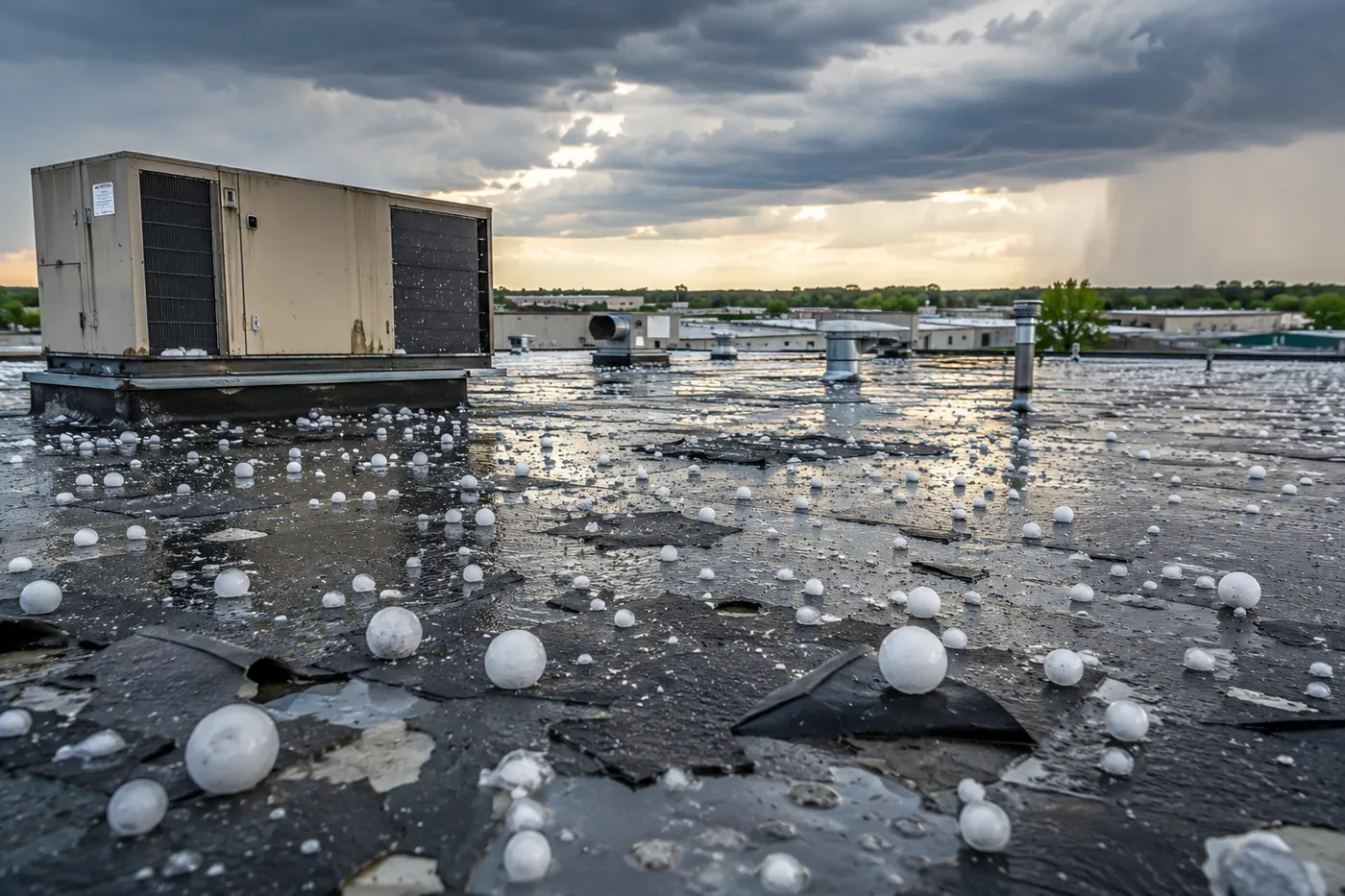
- Hail on commercial and multi-family roofs. North Texas, the Panhandle and Central Texas experience frequent large-hail events that can damage entire complexes.
- Hurricanes and tropical storms. Gulf Coast properties in Houston, Galveston, Beaumont and Corpus Christi face wind and wind-driven rain damage, with flood often covered separately.
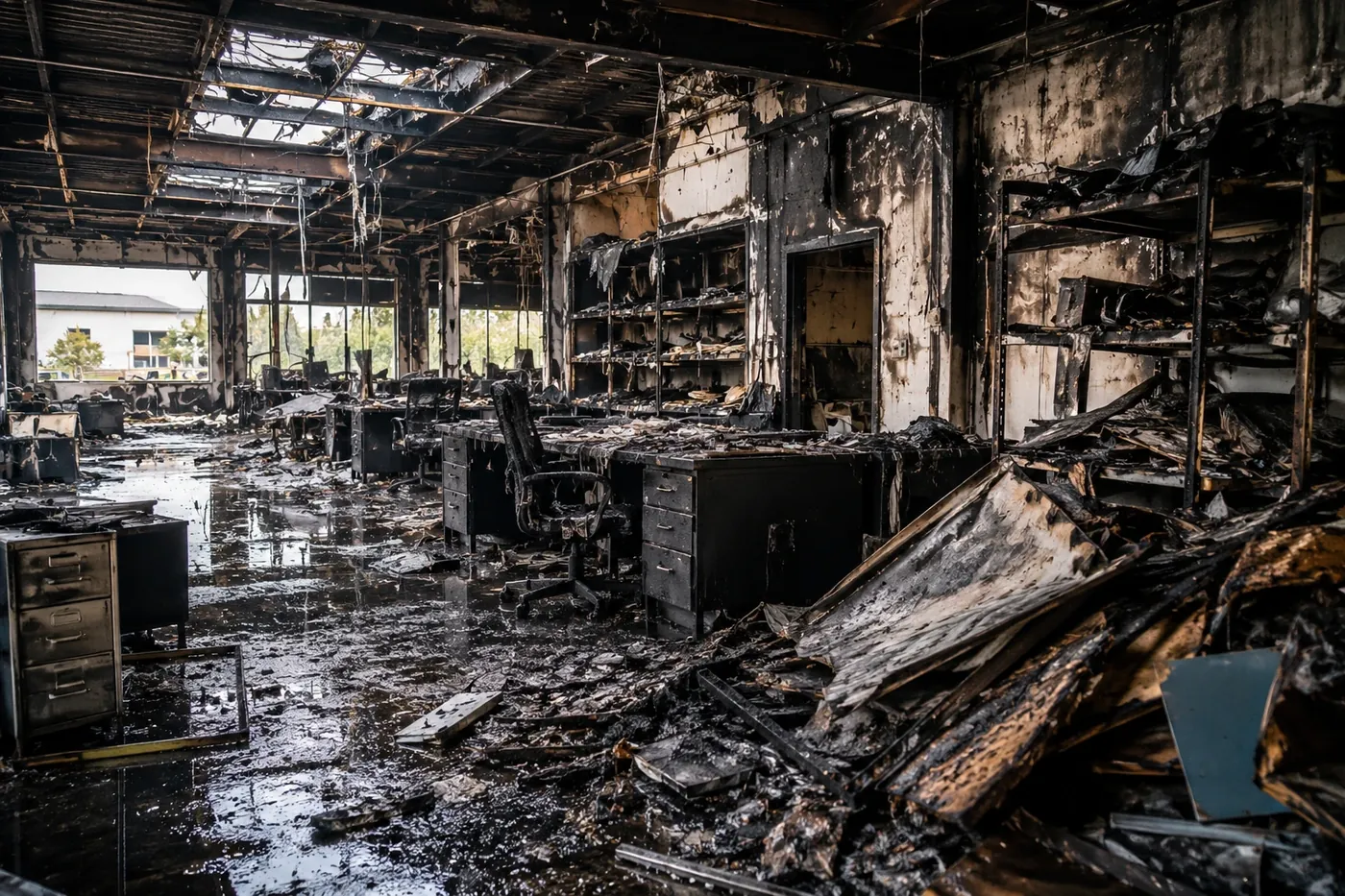
- Fires. Commercial fires bring structural, smoke and soot, and code issues together. See fire damage commercial insurance claims.
- Winter freeze events. Burst sprinkler and plumbing lines can cause widespread water damage in buildings not designed for extended hard freezes.
- Tornadoes and straight-line winds. Sudden, severe structural damage across a property or neighborhood.
Owners of large properties in the Houston area and along the coast should review their wind and named-storm deductibles before every season.
Texas law and large loss claims
Several Texas rules shape how large loss claims and appraisal play out. This is general information, not legal advice.
- Prompt payment. Texas Insurance Code chapter 542 generally requires carriers to acknowledge a claim within 15 days, accept or reject within 15 business days after receiving requested information (with extensions up to 45 days), and pay within 5 business days after accepting.
- Appraisal and prompt payment. In Barbara Technologies v. State Farm Lloyds (Tex. 2019), the Texas Supreme Court held that paying an appraisal award does not automatically bar a prompt payment claim. In Ortiz v. State Farm Lloyds (Tex. 2019), it held that paying the award generally bars most other extra-contractual claims.
- Weather claim notice. Chapter 542A generally requires 61 days' written pre-suit notice for weather-related claims.
Large loss owners should coordinate appraisal decisions with counsel when litigation is a possibility.
How to prepare for a large loss appraisal
Preparation separates a well-supported award from a frustrating one. Before or right after invoking appraisal:
- Assemble the policy. Get the complete policy with all endorsements, schedules and the statement of values.
- Collect every payment and estimate. Include all carrier estimates, revisions and payment letters.
- Document current conditions. Photos, drone imagery and Matterport scans preserve the scene before repairs change it.
- Keep invoices for emergency work. Mitigation, board-up, temporary roofing and drying costs belong in the claim.
- Get qualified bids. Specialty contractor proposals support pricing for items databases miss.
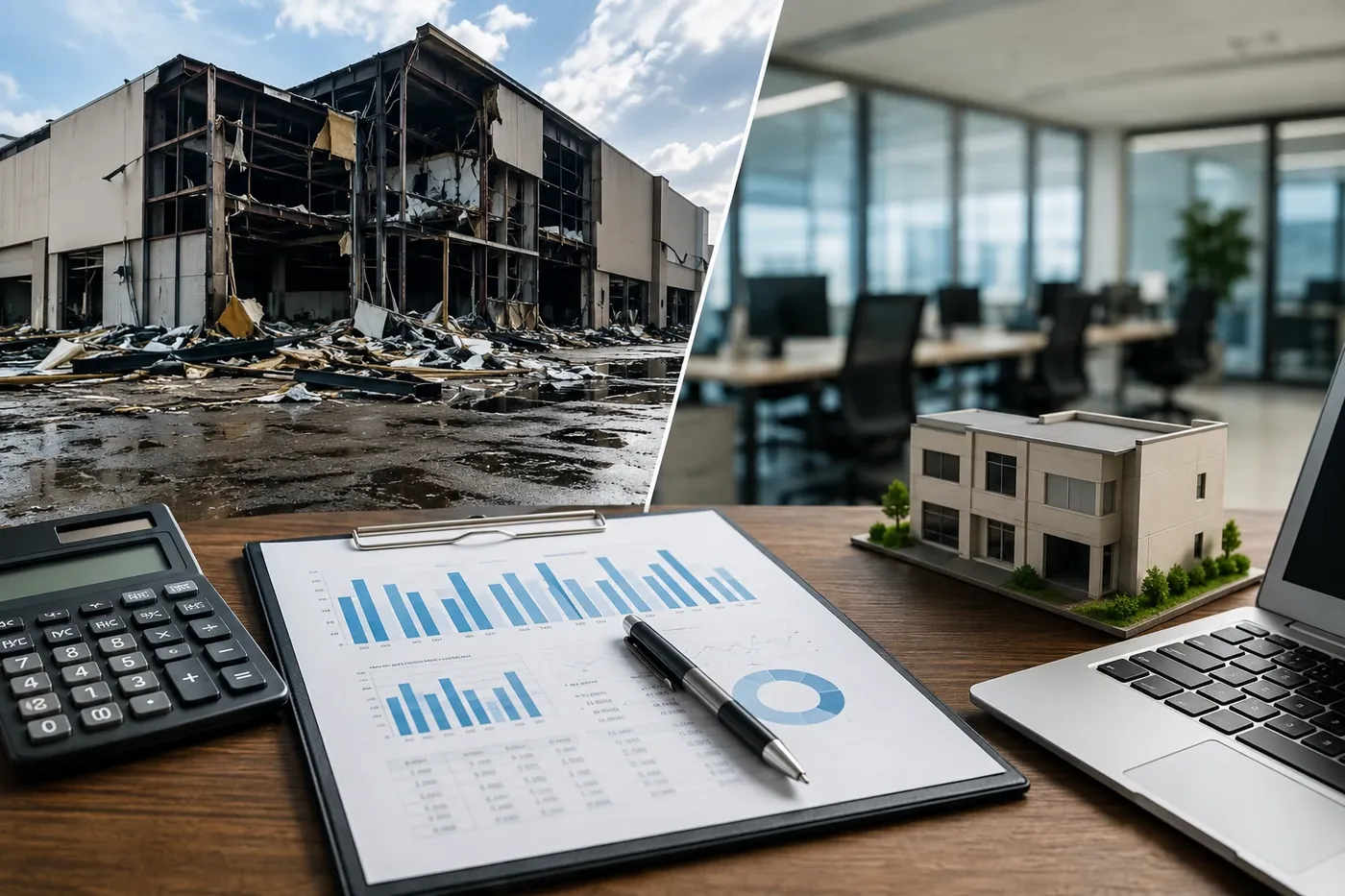
- Run the numbers. Our appraisal cost calculator helps you compare the cost of appraisal with the potential recovery.
When appraisal may not be the right tool
Large loss insurance appraisal in Texas is powerful, but it does not solve every problem. Before you invoke it, consider whether the real dispute is about value or about something else.
- Full coverage denials. If the carrier says the entire loss is excluded, appraisal can still set a number in some cases, but it will not force the carrier to accept coverage.
- Policy interpretation disputes. Questions about what an endorsement means, whether a limit applies per building or per occurrence, or whether a condition was met are legal questions.
- Bad faith or delay claims. Extra-contractual claims are handled outside appraisal, and paying an award can affect some of them under Texas case law.
- Incomplete investigation. If key damage has not been identified yet, it may make sense to finish documenting the loss before the panel starts work.
In many large loss claims, appraisal and other remedies run side by side. Owners often resolve the valuation piece through appraisal while counsel handles coverage questions. Sorting out which issues are which at the start saves months later.
Questions to ask before invoking appraisal
- Has the carrier accepted that at least part of the loss is covered?
- Do you have a complete, line-item estimate of your own to compare against theirs?
- Is the gap large enough to justify appraiser and umpire fees?
- Are there deadlines in the policy or under Texas law that affect timing?
If you can answer the first three with a confident yes, appraisal is usually worth serious consideration.
Choosing an appraiser for a large loss
Your appraiser should be able to build and defend a complete estimate, not just review the carrier's. Look for experience with commercial and multi-family property, comfort with engineering reports, and a track record of preparing detailed line-item estimates. Independence matters too: most policies require a disinterested appraiser.
TX Insurance Appraiser is led by Joseph Dittman, a Texas-licensed public adjuster who has spent his career on the policyholder side of hail, wind, water and fire losses. On appraisal assignments he serves as the policyholder's appraiser, or as umpire when appointed. Learn more about our commercial property insurance appraisal in Texas.
Next steps for Texas large loss claims
Large loss claims reward early, organized action. The sooner you document the damage, assemble your policy and get an independent estimate, the stronger your position will be whether the claim settles through negotiation or appraisal.
If your carrier's number on a major loss does not match what it will really cost to rebuild, do not wait. Large loss claims get harder to document as time passes and repairs move forward.
Frequently asked questions
What counts as a large loss insurance claim?
There is no fixed legal threshold. Insurers usually assign claims to a large loss unit once estimated damage passes an internal dollar amount that varies by company. Large losses typically involve commercial, multi-family or high-value residential property with damage across several building systems and multiple coverages such as business income.
How long does a large loss appraisal take in Texas?
Timelines vary with the size of the property, the number of disputed items and whether an umpire is needed. Many large loss appraisals take several months from demand to award. Quick appraiser selection, organized evidence and full line-item estimates are the best ways to keep the process moving.
Can business income losses be included in appraisal?
Often, yes, if the policy appraisal clause applies to the disputed amount and the parties disagree on value. Business income calculations rely on financial records, so the panel may need accountant input. Many awards list business income separately from physical damage so the carrier can apply each limit correctly.
Is a large loss appraisal award binding in Texas?
Generally yes. An award signed by two of the three panel members sets the amount of loss and is usually binding on both parties, subject to limited challenges such as fraud, mistake or an award made without authority. Coverage questions remain separate and are not decided by the appraisal panel.
Should I hire an appraiser who also handles large commercial estimates?
It helps. Large loss appraisal depends on building and defending a complete estimate covering structure, roofing, mechanical systems and finishes. An appraiser comfortable with Xactimate or Symbility, engineering reports and specialty contractor bids can present a stronger case to the other appraiser and the umpire.

About the author: Joseph Dittman
Joseph is the lead appraiser at TX Insurance Appraiser and a Texas-licensed public adjuster (Rise Public Adjusting LLC, TDI license #3356839). He has spent his career inspecting hail, wind, water and fire losses and negotiating property claims across Texas. More about Joseph.
This article is general information about property insurance claims in Texas and is not legal advice. Policy language and facts vary; review your policy or consult a Texas attorney for legal questions.