
A denied insurance claim can feel like a dead end.
You file the paperwork. Document the damage. Wait for inspections. Then suddenly the carrier sends a denial letter that feels final and absolute.
But here is the important question many Texas property owners never ask:
Can you invoke appraisal after a denied claim?
Sometimes, yes.
And that answer can dramatically change the direction of a dispute.
The reality is that many denied claims are not truly “all-or-nothing” disputes. In Texas, insurance appraisal often becomes a powerful tool when the disagreement is really about the amount of loss rather than whether coverage exists at all.
That distinction matters enormously.
If you misunderstand it, you may walk away from money you were still entitled to pursue.
Let’s break this down carefully.
What Is the Insurance Appraisal Process?
Insurance appraisal is a dispute-resolution process built directly into many property insurance policies.
It is not a lawsuit.
It is not mediation.
And it is not arbitration either.
Instead, appraisal is designed to resolve disagreements about the value or scope of damage.
Here is the basic structure:
| Role | Purpose |
| Policyholder Appraiser | Represents the insured’s estimate and scope |
| Carrier Appraiser | Represents the insurance company’s estimate |
| Umpire | Resolves disagreements between appraisers |
If the two appraisers disagree, the umpire steps in to help finalize the award.
In many Texas property claims, the appraisal award becomes binding regarding the amount of loss.
That is why appraisal carries serious weight.
What Appraisal Is Intended to Resolve
Appraisal typically focuses on disputes involving:
- Repair pricing
- Scope disagreements
- Replacement versus repair
- Labor costs
- Code upgrades
- Hidden damage
- Material quantities
For example, a homeowner may believe the roof requires full replacement while the carrier only approves spot repairs.
That is often an appraisal issue.
What Appraisal Usually Cannot Decide
Appraisal generally does not determine:
- Whether coverage exists
- Fraud allegations
- Policy exclusions
- Intentional damage claims
- Late notice defenses
This distinction becomes critical when discussing whether you can invoke appraisal after a denied claim.
Because not all denials are equal.
Understanding Insurance Claim Denials in Texas
Many homeowners hear the word “denied” and immediately assume the matter is over.
That is not always true.
Some denials are complete coverage denials.
Others are partial denials hidden inside underpaid estimates.
And sometimes the carrier’s wording intentionally blurs the line.
I see this confusion constantly in property disputes.
Common Reasons Claims Get Denied
Insurance companies may deny claims for reasons such as:
- Wear and tear exclusions
- Pre-existing damage
- Cosmetic damage limitations
- Late reporting
- Lack of documentation
- Non-covered causes of loss
- Policy lapses
- Flood exclusions
Some of these denials involve genuine coverage disputes.
Others involve disputes over damage evaluation.
That difference changes everything.
Why the Reason for Denial Matters
Here is the core issue:
Appraisal usually resolves amount-of-loss disputes.
Not pure coverage disputes.
So when asking, “can you invoke appraisal after a denied claim,” the real question becomes:
Did the carrier deny coverage entirely, or is the dispute actually about the amount and scope of damage?
Those are very different situations.
Can You Invoke Appraisal After a Denied Claim?
The short answer?
Sometimes.
Texas courts have repeatedly dealt with this issue because insurance carriers and policyholders often disagree about what appraisal can address.
In many situations, appraisal remains available even after a denial letter is issued.
Especially when the carrier acknowledges at least some covered damage.
When Appraisal May Still Apply
Appraisal may still be possible when:
- The insurer admits some damage exists
- The disagreement centers on repair costs
- The scope of repairs is disputed
- Hidden damage is discovered later
- The carrier partially denies portions of the claim
- Replacement versus repair is disputed
Here is a common example.
A hailstorm damages a roof.
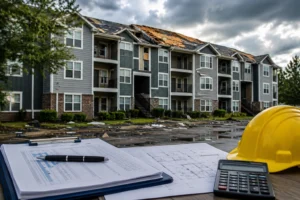
The carrier agrees hail occurred but claims only a few shingles need replacement. The homeowner’s contractor finds widespread bruising, compromised underlayment, and code compliance issues requiring full replacement.
The carrier labels parts of the claim “denied.”
But the dispute may actually involve amount of loss rather than true coverage.
That distinction may open the door for appraisal.
When Appraisal May Not Apply
On the other hand, appraisal usually becomes difficult when:
- The carrier denies the entire loss under a policy exclusion
- The claim involves fraud allegations
- The dispute centers entirely on causation
- The policy provides no applicable coverage
- The loss falls outside the insured peril
For example:
If flood damage is excluded under the policy and the insurer concludes flooding caused the damage, appraisal may not resolve that legal coverage issue.
That could require litigation instead.
Coverage Disputes Versus Amount-of-Loss Disputes
This is the most important section in the article.
Seriously.
Most appraisal disputes in Texas revolve around this distinction.
What Is a Coverage Dispute?
A coverage dispute asks:
“Does the policy cover this damage at all?”
Examples include:
- Flood versus plumbing leak
- Wear and tear versus storm damage
- Foundation settlement exclusions
- Intentional damage allegations
These issues often involve legal interpretation.
Courts usually resolve those disputes.
Not appraisers.
What Is an Amount-of-Loss Dispute?
An amount-of-loss dispute asks:
“How much covered damage exists?”
Examples include:
- Full roof replacement versus repair
- Scope disagreements
- Material quantity disputes
- Labor pricing differences
- Code upgrade costs
- Matching issues
These disputes commonly fall within appraisal territory.
And this is exactly why the question “can you invoke appraisal after a denied claim” requires careful analysis instead of a simple yes-or-no answer.
Because carriers sometimes frame amount disputes as coverage disputes.
That happens often.
Situations Where Appraisal Is Commonly Invoked After Denial
Certain claim types frequently end up in appraisal disputes after denial or underpayment.
Roof Hail Damage Claims
Texas sees massive hail activity every year.
And roof disputes are incredibly common.
Typical disagreements involve:
- Soft metal damage
- Granule loss
- Functional versus cosmetic damage
- Code compliance
- Underlayment replacement
- Matching requirements
A denial letter may sound absolute while still leaving room for appraisal.
Especially when covered storm damage is acknowledged somewhere in the estimate.
Water Damage Claims
Water losses create complicated scope disputes fast.
Very fast.
Common disagreements include:
- Moisture behind walls
- Cabinet replacement
- Flooring continuity
- Mold-related tear-out
- Dry-out procedures
Sometimes the insurer pays for minimal drying while denying broader reconstruction work.
That may still lead to appraisal.
Fire and Smoke Damage Claims
Smoke travels farther than many estimates acknowledge.
Into insulation.
HVAC systems.
Cabinets.
Electrical components.
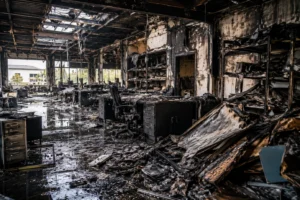
A carrier may deny portions of the claim while accepting others. That creates mixed disputes where appraisal sometimes becomes appropriate.
How to Review a Denial Letter Properly
Most homeowners skim denial letters emotionally.
That is understandable.
But it is also dangerous.
You need to read them strategically.
Sections That Matter Most
Focus carefully on:
- Cause of loss wording
- Exclusion language
- Reservation of rights statements
- Scope descriptions
- Estimate attachments
- Coverage acknowledgments
Sometimes a denial letter quietly admits covered damage while limiting payment aggressively.
That detail matters.
Red Flags That May Signal Appraisal Potential
Watch for these situations:
| Red Flag | Why It Matters |
| Estimate attached to denial | Suggests value dispute exists |
| Partial payment issued | Coverage may already be acknowledged |
| Inconsistent explanations | May weaken denial position |
| Extremely limited repair scope | Could support appraisal |
| Missing line items | Indicates amount-of-loss disagreement |
Small wording differences can significantly affect appraisal rights.
The Appraisal Clause in Texas Insurance Policies
Most property policies contain an appraisal clause.
But homeowners rarely read it until a dispute explodes.
Where the Clause Is Usually Found
Look under sections like:
- Conditions
- Loss settlement
- Property conditions
- Dispute resolution
The wording varies between policies.
But many clauses operate similarly.
Typical Appraisal Language
Most clauses explain:
- Either party may demand appraisal
- Each side selects an appraiser
- The appraisers choose an umpire
- Agreement by two participants finalizes the award
Simple on paper.
Far more complicated in real life.
Timing Matters
Delays create problems.
Waiting too long after a denial may lead to:
- Waiver arguments
- Evidence deterioration
- Repair complications
- Documentation gaps
Fast action matters.
Especially in Texas property claims.
How the Appraisal Process Works After a Denied Claim
If appraisal remains viable, the process usually unfolds in stages.
Step 1: Policy and Denial Review
The first task is determining whether appraisal applies.
That requires reviewing:
- Policy language
- Denial wording
- Scope disputes
- Coverage positions
This step is critical.
Misreading the dispute can waste enormous time and money.
Step 2: Selecting an Appraiser
Not all appraisers are equal.
Experience matters.
Construction knowledge matters.
Texas claim familiarity matters.
A strong appraiser understands:
- Estimating software
- Building codes
- Roofing systems
- Interior damage evaluation
- Policy interpretation boundaries
Weak appraisers create weak outcomes.
Step 3: Scope and Estimate Exchange
The appraisers compare:
- Damage evaluations
- Repair scopes
- Pricing
- Supporting evidence
This stage often determines the trajectory of the entire process.
Step 4: Umpire Involvement
If the appraisers disagree, the umpire reviews disputed items.
The umpire’s role becomes especially important in large losses.
Step 5: Final Award
Once two participants agree, the appraisal award is typically issued.
That award often carries binding authority regarding the amount of loss.
Mistakes Homeowners Make After a Denied Claim
Denied claims create stress.
Stress causes mistakes.
And some mistakes seriously weaken future appraisal opportunities.
Assuming Denial Means the Claim Is Finished
This is probably the biggest mistake.
A denial letter is not always the final word.
Especially when scope disputes exist beneath the surface.
Waiting Too Long
Delays damage claims.
Evidence disappears.
Repairs happen.
Conditions change.
Documentation weakens.
Fast organization creates leverage later.
Failing to Document Thoroughly
Strong appraisal files usually include:
- Detailed photos
- Contractor reports
- Moisture readings
- Engineering evaluations
- Repair estimates
- Communication logs
Organized documentation changes outcomes.
Repeatedly.
Confusing Appraisal With Litigation
Appraisal and lawsuits are different tools.
Very different.
| Appraisal | Litigation |
| Focuses on amount of loss | Focuses on legal disputes |
| Faster process | Slower process |
| Lower cost | Higher expense |
| Technical valuation focus | Broader legal remedies |
Sometimes both occur simultaneously.
When You Should Consider Hiring an Insurance Appraiser
Some disputes become too technical for homeowners to manage alone.
That is just reality.
Signs the Claim Is Becoming Complex
Consider professional help when:
- The loss is large
- Multiple experts disagree
- The carrier estimate feels incomplete
- The denial language is confusing
- Structural damage exists
- Commercial property is involved
Complex claims require structured analysis.
Not guesswork.
Benefits of Experienced Appraisal Support
A skilled appraiser may help with:
- Damage documentation
- Scope development
- Estimating accuracy
- Technical negotiations
- Umpire presentations
Strong evidence matters more than emotional arguments.
Every time.
What to Look For in an Insurance Appraiser
Look for professionals with:
- Texas appraisal experience
- Construction background
- Carrier-side understanding
- Estimating expertise
- Strong communication skills
Technical competence matters enormously in disputed claims.
Appraisal Versus Lawsuit After a Denied Claim
Sometimes appraisal resolves disputes efficiently.
Sometimes it does not.
When Appraisal May Resolve Things Faster
Appraisal often works well when:
- Coverage is partially acknowledged
- Scope disputes dominate
- Both sides want resolution
- Repair pricing is the main issue
It is generally faster and less expensive than full litigation.
When Litigation May Still Be Necessary
Lawsuits may still become necessary for:
- Bad faith allegations
- Full coverage denials
- Statutory violations
- Fraud accusations
- Major causation disputes
Some cases simply extend beyond appraisal authority.
Practical Tips for Texas Policyholders
Here are practical steps homeowners can take immediately after a denial.
| Action | Why It Helps |
| Read the denial carefully | Identifies dispute type |
| Save all emails and estimates | Preserves evidence |
| Photograph all damage | Strengthens documentation |
| Request detailed scopes | Exposes omissions |
| Review policy language | Clarifies appraisal rights |
| Stay organized | Improves negotiation leverage |
Simple organization creates enormous advantages later.
Final Thoughts
So, can you invoke appraisal after a denied claim?
Sometimes absolutely.
But the answer depends on the nature of the dispute.
If the disagreement involves the amount of loss, appraisal may still remain available even after strong denial language appears in the carrier’s letter.
If the dispute centers entirely on coverage, exclusions, or causation, appraisal may not resolve the issue.
That distinction matters more than most homeowners realize.
The key is avoiding assumptions.
Do not assume a denial automatically ends your options.
Read the policy carefully.
Study the denial language closely.
Document everything thoroughly.
And when the claim becomes technical or confusing, seek experienced guidance early before small mistakes grow into major financial problems.
Because in Texas property claims, the way a dispute is framed often changes the entire outcome.
FAQs
Yes, sometimes you can invoke appraisal after a denied claim if the dispute involves the amount of loss rather than pure coverage issues.
A coverage dispute questions whether the policy covers the damage at all, while an amount-of-loss dispute focuses on repair scope and pricing.
No. Some denial letters still acknowledge covered damage, which may leave room for appraisal under the policy.
Yes, appraisal is commonly used in Texas roof hail claims when homeowners and insurers disagree on repair scope or replacement costs.
In many cases, yes. Appraisal is often quicker and less expensive than full litigation.
The two appraisers usually attempt to agree on an umpire, and the umpire helps resolve disputed items if disagreements remain.
Generally no. Appraisal usually focuses on the amount of loss, not legal coverage questions.
It depends on the complexity of the dispute, but professional appraisers can help with documentation, estimating, and negotiations.
Roof hail damage, water losses, fire damage, and commercial property disputes frequently end up in appraisal.
You should act quickly because delays may weaken documentation, create waiver arguments, and complicate the appraisal process.