Key takeaways
- Xactimate prices line items from regional price lists, generally updated monthly.
- The estimator chooses scope and quantities, which drive most of the total.
- Check the price list date, measurements, depreciation and overhead and profit.
- In appraisal, a well-documented line-item estimate carries the most weight.
Xactimate pricing in Texas works through regional price lists that Verisk publishes for each market, typically updated monthly. Each line item combines labor, materials and equipment priced for the property's area. The adjuster chooses the line items and quantities, so the final estimate depends far more on scope and measurements than on the software itself.
Most Texas property claims are paid off an Xactimate estimate. The software is widely used by carriers, independent adjusters, contractors and appraisers, yet most homeowners never see how its numbers are built. Understanding how Xactimate pricing works in Texas helps you read your estimate, spot real problems, and avoid arguing over the wrong things.
What is Xactimate?
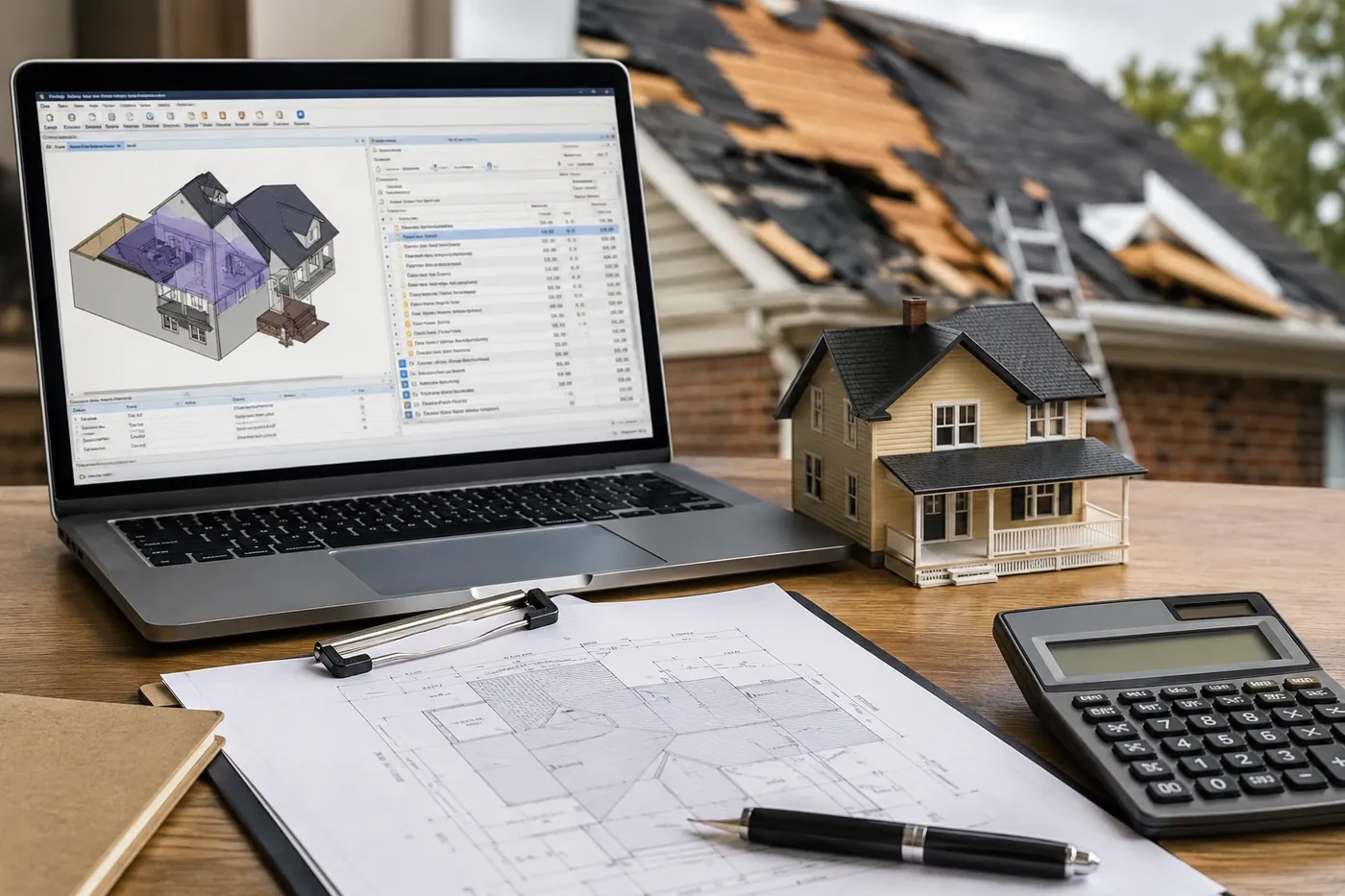
Xactimate is estimating software from Verisk used to price property damage repairs. An estimator builds a sketch of the structure, then adds line items for each repair task: remove drywall, replace shingles, paint walls, and so on. Each line item carries a unit price pulled from a regional price list.
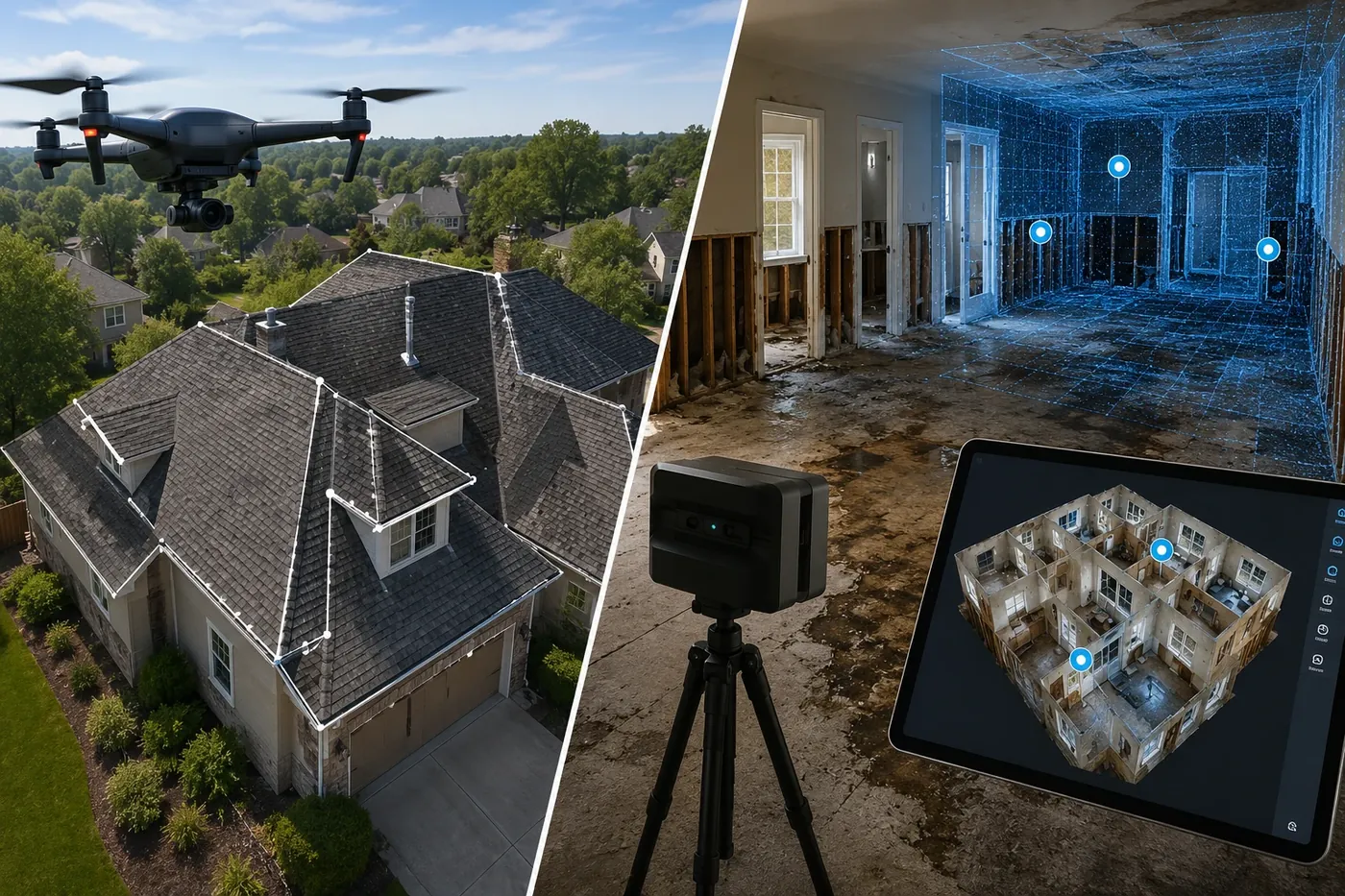
The sketch matters more than most people realize. Room dimensions, ceiling heights, roof facets and pitch entered in the sketch drive the quantities for drywall, paint, insulation, flooring, shingles and underlayment. A sketch that is slightly off produces errors throughout the estimate, even when every unit price is correct.
Insurers use it because it gives a consistent, auditable format. Two estimators looking at the same damage, using the same price list, should produce similar unit prices. What they will not necessarily produce is the same scope.
How is Xactimate pricing developed?
Verisk researches local construction costs and publishes price lists for many market areas across the country. Pricing is based on research into labor rates, material costs and equipment costs in each area, along with feedback from the industry. Price lists are generally updated monthly, and estimators select the list that matches the property's location and the date of the estimate.
| Price component | What it includes | Common issue |
|---|---|---|
| Labor | Trade-specific hourly rates and time to perform the task | Rates may lag after a catastrophe when labor is scarce |
| Materials | Cost of the product used in the line item | Specialty or discontinued products may not be listed accurately |
| Equipment | Tools and equipment such as lifts or drying units | Often omitted entirely rather than mispriced |
| Overhead and profit | General contractor overhead and profit, added separately | Frequently left off multi-trade jobs |
Labor minimums and small jobs
Many trades charge a minimum to show up, no matter how small the task. Xactimate includes labor minimum line items for this reason. A carrier estimate that pays for one small task from each of several trades, without the matching minimums, can understate the real cost of small repairs considerably. Look for these when your estimate includes many minor items.
Monthly updates and price list dates
Because prices change, the price list date matters. An estimate written right after a storm may use an older list, while repairs happen months later at higher costs. If repair costs rose between the estimate and the work, ask for the estimate to be updated to a current price list. Policy language and carrier practice affect how that is handled.
Regional pricing differences across Texas
Texas is large and diverse, and construction costs vary by market. A roofer's labor rate in a major metro area can differ from rates in a rural county or a West Texas city. Xactimate reflects this by assigning properties to market-specific price lists.
- Major metros such as Dallas, Houston, Austin and San Antonio have their own price lists.
- Mid-size markets such as Waco, Lubbock, Amarillo and Corpus Christi are priced separately.
- Rural areas may fall under a nearby market's list, which can understate travel and availability costs.
That is why two otherwise identical repairs can be priced differently in different parts of the state. For a deeper explanation, see why Xactimate estimates differ by ZIP code.
Texas catastrophe events
After large hail or hurricane events in Texas, demand for roofers, drywall crews and materials can spike quickly. Price lists eventually reflect those shifts, but there can be a lag. Contractors may also travel in from other areas, adding costs. If your repair bids are well above the carrier's unit prices, document the market conditions with multiple contractor bids and supplier quotes.
How to document Texas market pricing
If you believe local prices exceed the price list, build a record. Collect at least two or three written bids from licensed, local contractors with itemized pricing. Ask suppliers for written material quotes, especially for specialty or high-demand products. Note lead times and any surcharges. That evidence gives the adjuster or an appraisal panel a concrete reason to adjust unit prices, rather than simply your opinion that the estimate is low.
How Xactimate pricing affects Texas insurance claims
Roof damage claims
Roof estimates depend on accurate squares, pitch, waste and every accessory: starter, drip edge, ridge cap, valley metal, flashing, vents and pipe jacks. Steep and high-roof charges also matter. Missing accessories often matter more than the per-square price. See common Xactimate line items missing from roof claims.
Water damage claims
Water estimates include mitigation, drying equipment, demolition, and reconstruction. Disputes often involve how much drywall, flooring or cabinetry must be removed and how long drying equipment ran.
Fire damage claims
Fire estimates include cleaning, sealing, deodorization, contents and reconstruction. Clean-vs-replace decisions and smoke migration drive most differences.
Why the Xactimate estimate may not match the actual repair cost
Homeowners often see a contractor bid well above the carrier's Xactimate estimate. Usually, the gap comes from three places:
- Scope differences: the estimate leaves out tasks the contractor must perform.
- Measurement differences: the estimate undercounts squares, wall area or linear footage.
- Repair method differences: the estimate assumes a repair the contractor considers impossible or inadequate.
Unit prices matter, but in many disputes, scope and quantity account for the larger share of the difference. Our post on insurance estimate vs actual repair cost goes further.
Common misconceptions about Xactimate pricing
- "The software decides what must be paid." Xactimate prices what the estimator enters. The policy, not the software, determines what is owed.
- "All Xactimate estimates are identical." Two estimators can produce very different totals with the same price list because they chose different scope.
- "Xactimate pricing is always accurate." Price lists are research-based averages. Local conditions, specialty materials and catastrophe demand can make real costs higher or lower.
- "Overhead and profit is automatic." O&P must be added by the estimator, and carriers often dispute whether it applies.
Texas-specific challenges in Xactimate estimates
Repeated hail events
North and Central Texas see frequent hail. Roofs may have prior damage, repairs or overlapping claims, which makes causation and depreciation arguments more common.
Building code requirements
Local codes may require items such as drip edge, ice and water shield in certain areas, or decking upgrades when roofs are replaced. These items belong in the estimate when required and when ordinance and law coverage applies.
Matching
Siding, roofing and flooring that cannot be matched may justify replacing larger areas. Xactimate can price the replacement, but the estimator must include it. See matching issues in insurance claims.
Depreciation
Depreciation in Xactimate is applied per line item based on age and condition settings. Excessive depreciation reduces the actual cash value payment. Check the depreciation percentages and use our recoverable depreciation calculator to see what you may recover after repairs.
How Texas policyholders can review their Xactimate estimate
- Check the price list code and date at the top of the estimate. Is it the right market and a recent month?
- Review measurements in the sketch and summary: squares, wall area, floor area, linear footage.
- Look for missing line items by walking the property with the estimate in hand.
- Review depreciation for each line and whether it is recoverable.
- Confirm O&P when the job involves multiple trades that need coordination.
- Ask questions in writing for anything unclear.
When Xactimate estimates become part of appraisal
If you and the carrier cannot resolve the differences, the appraisal clause in most Texas policies lets either side demand appraisal. Each appraiser typically prepares or reviews a line-item estimate, often in Xactimate, and the panel works through the disputed items. The appraiser with a well-documented, accurate estimate is in the strongest position.
Appraisal panels often review estimates written in different programs. Some carriers use Symbility rather than Xactimate, and the two programs organize line items differently. An experienced appraiser can work across both, reconcile the formats and focus the discussion on the real differences in scope and price. Learn about our Symbility estimates as well.
TX Insurance Appraiser prepares detailed Xactimate estimates and serves as the policyholder's appraiser across Texas. Joseph Dittman has written line-item estimates on hail, wind, water and fire losses throughout his career on the policyholder side.
Appraisal is not the only option, and it is not always necessary. Many Xactimate disputes resolve through a well-documented supplement or a reinspection once the adjuster sees the missing items. Appraisal makes the most sense when both sides agree there is covered damage, the carrier has reviewed your evidence, and a meaningful gap still remains.
Next steps: focus on scope, then price
Xactimate is a tool, not a verdict. The most effective way to challenge an estimate is to document the full scope, verify measurements, and only then address pricing. Keep everything in writing and support each requested change with photos or measurements.
Frequently asked questions
Who sets Xactimate prices in Texas?
Verisk, the company behind Xactimate, researches construction costs and publishes price lists for market areas, including many in Texas. Insurers and contractors do not set the list prices, but estimators can choose line items, quantities and in some cases adjust pricing with documentation. The price list code on your estimate shows which market and month were used.
Can I ask my insurer to use a newer Xactimate price list?
You can ask, especially if repairs occur months after the original estimate and costs have risen. Provide current contractor bids or supplier quotes to support the request. Whether the carrier updates pricing depends on policy terms and its practices, so make the request in writing and keep the response.
Is overhead and profit included in Xactimate estimates?
Not automatically. Overhead and profit is added by the estimator, commonly when a job requires a general contractor to coordinate multiple trades. Carriers sometimes omit it or dispute whether it applies. If your repairs involve roofing, drywall, painting and other trades, ask why O&P was left out and support the need for coordination.
Why is my contractor's bid higher than the Xactimate estimate?
Most gaps come from scope and quantity differences, not unit prices. The carrier's estimate may miss tasks, undercount measurements or assume a repair rather than replacement. Contractor overhead, market demand after a storm and specialty materials can also add cost. Compare the two documents line by line to find where the difference really is.

About the author: Joseph Dittman
Joseph is the lead appraiser at TX Insurance Appraiser and a Texas-licensed public adjuster (Rise Public Adjusting LLC, TDI license #3356839). He has spent his career inspecting hail, wind, water and fire losses and negotiating property claims across Texas. More about Joseph.
This article is general information about property insurance claims in Texas and is not legal advice. Policy language and facts vary; review your policy or consult a Texas attorney for legal questions.