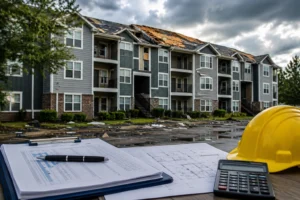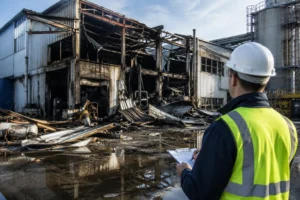

Many property owners ask, can you dispute a scope of loss after receiving an insurance estimate that seems incomplete. The answer is yes. In fact, if damage is overlooked, underestimated, or improperly documented, policyholders often have the right to challenge the insurance company’s assessment. Because the scope of loss directly affects settlement amounts, even small omissions can lead to significant financial consequences. Therefore, understanding how scope disputes work can help you protect your claim and secure a more accurate outcome.
What Is a Scope of Loss?
A scope of loss is a detailed document that identifies damaged property and outlines the repairs required after an insured event. Think of it as the blueprint for your claim. It typically includes:
- Damaged areas of the property
- Repair methods
- Quantities and measurements
- Material specifications
- Labor requirements
- Estimated costs
The insurance company uses this document to calculate settlement amounts. Likewise, contractors often use it as a starting point when preparing repair estimates. When the scope is accurate, repairs can proceed efficiently. However, when it is incomplete, problems often follow.
Why the Scope of Loss Matters
A scope of loss influences nearly every aspect of a property claim. If damage is omitted, reimbursement may be insufficient. Similarly, if measurements are incorrect, repair budgets may fall short. If repair methods are inadequate, property owners could face unexpected out-of-pocket expenses later. The scope determines:
| Claim Component | Impact |
|---|---|
| Repair Budget | Determines available funds |
| Contractor Estimates | Guides pricing and repair plans |
| Settlement Amount | Influences final payment |
| Project Timeline | Affects repair scheduling |
| Supplemental Requests | May become necessary if damage is missed |

Because so much depends on this document, reviewing it carefully is essential.
Why Insurance Scope of Loss Disputes Happen
Many policyholders assume the insurance estimate is automatically correct. Unfortunately, that isn’t always the case. In complex property evaluations, professionals often rely on detailed analysis methods similar to those used in fields involving photogrammetry, where measurements and visual documentation help support accurate assessments.
Incomplete Damage Inspections
Insurance adjusters often work under demanding schedules. While many perform thorough inspections, time constraints can limit what is identified during a site visit. Certain damages are especially difficult to detect immediately:
- Water intrusion behind walls
- Roof deck damage
- Smoke contamination
- Hidden structural movement
- Electrical system damage
As a result, a quick inspection may miss conditions that only become apparent during repairs.
Differences in Repair Methodology
Not every disagreement involves missing damage. Sometimes the dispute centers on how repairs should be performed. For example, an insurer may recommend repairing a damaged roof section. A contractor may conclude that full replacement is necessary due to material availability, code requirements, or manufacturer recommendations. Both parties acknowledge the damage. However, the disagreement involves the repair approach.
Pricing and Labor Disputes
Costs vary dramatically depending on location, labor availability, and market conditions. An insurance estimate generated through software may not always reflect actual contractor pricing in the area. Common disagreements involve:
- Roofing labor rates
- Specialty trades
- Material availability
- Debris removal costs
- Equipment rental expenses
Consequently, when contractor bids consistently exceed the insurance estimate, a closer review may be warranted.
Scope Limitations by Insurance Companies
In some cases, insurers simply fail to include every damaged item. Examples may include:
- Damaged insulation
- Flashing replacement
- Interior painting
- Moisture mitigation
- Code-required upgrades
Even small omissions can create substantial financial gaps when added together.
Common Types of Scope of Loss Disputes
Certain claims generate disputes more frequently than others.
Roof Damage Claims
Roof losses often involve extensive disagreements. Issues may include:
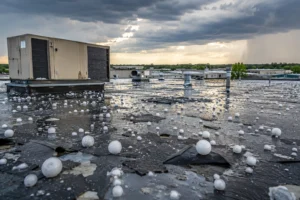
- Missing hail impacts
- Underestimated wind damage
- Improper repair recommendations
- Insufficient replacement quantities
Roofing systems function as integrated systems. Damage to one component can affect the performance of the entire assembly. This is also one of the primary reasons property owners research Why Insurance Companies Underscope Roof Damage after receiving an estimate that fails to account for all affected roofing components. Missing flashing, underlayment issues, ventilation damage, or compromised decking can create significant differences between an insurer’s scope and a contractor’s assessment.

Water Damage Claims
Water losses can become complicated quickly. Visible staining rarely tells the entire story. Hidden concerns may include:
- Wet insulation
- Moisture behind drywall
- Flooring damage
- Mold prevention measures
- Structural deterioration
Therefore, these hidden conditions frequently trigger supplemental requests and scope disputes.
Fire and Smoke Damage Claims
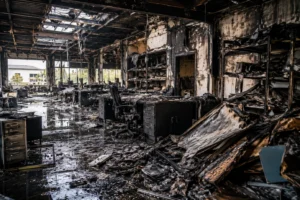
Fire claims often involve more than burned materials. Smoke travels, Soot spreads. Odors penetrate porous surfaces. As a result, disagreements may arise regarding:
- Cleaning versus replacement
- HVAC contamination
- Structural repairs
- Contents restoration
What appears minor on the surface can become extensive after detailed evaluation.
Commercial Property Claims
Commercial claims often introduce additional complexity. Examples include:
- Specialized equipment
- Tenant improvements
- Operational disruptions
- Building code requirements
The larger the property, the greater the potential for scope disagreements.
Signs Your Scope of Loss May Be Inaccurate
Not every estimate is wrong. However, certain warning signs deserve attention.
Significant Differences Between Estimates
If contractor proposals exceed the insurance estimate by thousands of dollars, investigate why. Large discrepancies often indicate missing items, pricing issues, or differing repair approaches.
Missing Damaged Areas
Review every room, system, and component. If damaged areas are absent from the estimate, the scope may be incomplete.
Contractors Express Concern
Experienced contractors review insurance estimates regularly. Therefore, when multiple professionals point out omissions, their concerns should not be ignored.
Repairs Cannot Be Completed Within Budget
One of the clearest indicators of a scope issue occurs when contractors cannot perform necessary repairs using the approved claim amount. This situation often signals an incomplete scope of loss.
Multiple Supplemental Requests
Frequent supplemental submissions may indicate that substantial damage was missed during the initial inspection.
Can You Legally Dispute a Scope of Loss?
Absolutely. Policyholders generally have the right to challenge inaccurate claim assessments. Insurance policies create contractual obligations for both parties. Therefore, if damages are omitted or undervalued, property owners may present evidence supporting a revised evaluation. This is one reason the question “can you dispute a scope of loss” arises so frequently. The answer remains yes. However, successful disputes typically rely on evidence rather than opinions.
When a Dispute Is Justified
A scope challenge may be appropriate when:
- Damage was omitted
- Quantities are inaccurate
- Repair methods are insufficient
- Pricing is unrealistic
- Code requirements are ignored
- Contractors identify missing repairs
The stronger the documentation, the stronger the position.
Steps to Dispute a Scope of Loss
Knowing that you can dispute a scope of loss is only the first step. The real value comes from knowing how to proceed effectively.
Review the Insurance Estimate Carefully
Start with a line-by-line review. Look for:
- Missing rooms
- Incorrect measurements
- Omitted materials
- Incomplete repair sequences
- Unrealistic pricing
Many policyholders never thoroughly examine the estimate they receive. That can be a costly mistake.
Obtain Independent Contractor Estimates
Contractor proposals provide valuable comparisons. Request detailed estimates rather than simple lump-sum pricing. The more detail included, the easier it becomes to identify differences between scopes.
Gather Supporting Evidence
Documentation matters. Helpful evidence may include:
- Photographs
- Videos
- Moisture reports
- Engineering assessments
- Contractor findings
- Manufacturer documentation
In some large-loss cases, experts may apply principles similar to forensic engineering to determine how damage occurred and whether additional repairs should be included within the scope of loss. Facts carry weight. Opinions alone rarely do.
Submit a Supplemental Claim Request
Many disputes are resolved through supplemental claim submissions. A supplemental request identifies additional damage or costs discovered after the initial estimate was prepared. When supported by evidence, insurers may revise the scope without requiring formal dispute proceedings.
The Role of an Insurance Appraisal in Scope of Loss Disputes
Sometimes negotiations stall. You present contractor estimates. The insurance company reviews them. Yet neither side agrees on the appropriate scope or value of repairs. At that point, an insurance appraisal may become a valuable option.
What Is the Insurance Appraisal Process?
Many property insurance policies contain an appraisal clause designed to resolve disputes involving the amount of loss. The process typically works as follows:
- One party invokes appraisal.
- Each side selects a qualified appraiser.
- The appraisers evaluate the disputed damages.
- If disagreements remain, an impartial umpire participates.
- Any agreement between two of the three parties becomes binding regarding the amount of loss.
Importantly, appraisal generally addresses valuation and scope disputes rather than coverage disputes.
How Appraisal Helps Resolve Scope Disputes
Appraisal creates an independent review process. Rather than relying solely on the insurance company’s estimate or the contractor’s proposal, experienced appraisers evaluate the damages and determine an appropriate scope. As a result, appraisal may help:
- Identify omitted damages
- Resolve pricing disagreements
- Clarify repair requirements
- Reduce claim delays
- Avoid costly litigation
For many property owners, appraisal provides a practical path toward resolution.
When Appraisal May Be Appropriate
Not every claim requires appraisal. However, it may be worth considering when:
- Negotiations have failed
- Significant estimate differences exist
- Supplemental requests are repeatedly denied
- Repair costs remain heavily disputed
- Large property losses are involved
Therefore, understanding your policy’s appraisal clause can be extremely valuable.
Insurance Appraiser vs. Public Adjuster
Many policyholders confuse insurance appraisers and public adjusters. Although both assist property owners, their roles differ significantly.
Key Differences
| Insurance Appraiser | Public Adjuster |
|---|---|
| Focuses on valuation disputes | Manages claim negotiations |
| Participates in appraisal proceedings | Handles claim presentation |
| Evaluates scope and pricing | Assists throughout the claim |
| Often involved after disputes arise | Often involved earlier |
Which Professional Should You Consider?
The answer depends on your situation. If you need assistance preparing, documenting, and negotiating a claim, a public adjuster may be appropriate. However, if a dispute already exists regarding the amount of loss or scope of repairs, an insurance appraiser may provide targeted expertise. In some cases, property owners utilize both professionals at different stages of the claim.
Mistakes to Avoid When Challenging a Scope of Loss
Even valid disputes can encounter obstacles. Fortunately, many common mistakes are avoidable.
Accepting the First Estimate Without Review
Many people assume the insurer’s estimate is final. However, insurance estimates are not immune from errors. Always review the scope carefully before accepting a settlement.
Failing to Document Damage Thoroughly
Evidence strengthens every claim. Without proper documentation, proving omitted damage becomes significantly more difficult. Take photographs early. Take additional photographs often. Maintain organized records throughout the process.
Starting Major Repairs Too Early
Emergency mitigation is often necessary. However, extensive repairs before documentation is complete may create challenges later. Whenever possible, preserve evidence until inspections and evaluations are finished.
Missing Important Deadlines
Insurance policies frequently contain notice requirements and deadlines. Therefore, delaying action can create unnecessary complications. Keep track of:
- Claim correspondence
- Inspection dates
- Supplemental submissions
- Appraisal deadlines
- Policy requirements
Organization matters.
Ignoring Appraisal Rights
Many policyholders are unaware that appraisal rights exist. As a result, they may spend months arguing with insurers without exploring available dispute-resolution options. Review your policy carefully and understand your rights.
How to Strengthen Your Position During a Scope of Loss Dispute
Successful disputes are rarely built on frustration alone. Instead, they are built on preparation.
Maintain Organized Records
Create a claim file containing:
- Estimates
- Photos
- Correspondence
- Inspection reports
- Contractor proposals
- Policy documents
Good organization often makes the entire process easier.
Work With Qualified Contractors
Experienced contractors understand repair requirements and insurance documentation. Consequently, their estimates often provide valuable support during scope discussions. Detailed proposals generally carry more weight than vague repair quotes.
Understand Policy Language
Policyholders sometimes focus solely on repair costs. However, policy language matters just as much. Review:
- Coverage provisions
- Exclusions
- Appraisal clauses
- Duties after loss
- Settlement provisions
A clear understanding of your policy can help prevent misunderstandings.
Seek Independent Damage Evaluations
Independent assessments often provide additional clarity. Depending on the claim, this may include:
- Roofing consultants
- Engineers
- Contractors
- Building experts
- Moisture specialists
Third-party evaluations may uncover damage that was initially overlooked.
Communicate in Writing Whenever Possible
Written communication creates a documented record. Emails, letters, and written submissions help establish timelines and preserve important details. Additionally, written communication reduces misunderstandings that sometimes occur during verbal discussions.
When Litigation May Become Necessary
Most scope disputes resolve through negotiation, supplements, or appraisal. Occasionally, however, litigation becomes necessary.
Situations Where Appraisal Cannot Resolve the Issue
Appraisal typically addresses valuation disputes. Coverage disputes often fall outside its authority. For example:
- Denied claims
- Policy interpretation disputes
- Coverage exclusions
- Bad-faith allegations
These issues may require legal review.
Bad Faith Concerns
Insurance companies have obligations to investigate and evaluate claims fairly. If a carrier fails to meet those obligations, additional legal issues may arise. Examples may include:
- Unreasonable delays
- Inadequate investigations
- Failure to communicate
- Improper claim handling
However, every situation is unique and should be evaluated individually.
Coverage Versus Valuation Disputes
Understanding the distinction is important. A valuation dispute involves disagreement regarding the amount of damage. A coverage dispute involves disagreement regarding whether the policy covers the damage at all. The resolution path may differ significantly depending on which issue exists.
Working With Legal Counsel
When litigation becomes necessary, legal counsel can help evaluate options and explain available remedies. Fortunately, many disputes are resolved long before reaching that stage.
How the Insurance Appraisal Process Can Protect Property Owners
Property owners often feel overwhelmed when faced with a disputed estimate. Nevertheless, appraisal provides an alternative to endless negotiations. Benefits may include:
- Independent review of damages
- More accurate repair scopes
- Resolution of pricing disagreements
- Faster outcomes than litigation
- Reduced uncertainty
Most importantly, appraisal gives property owners another avenue for pursuing a fair evaluation of their loss. When used appropriately, it can help balance competing opinions and move the claim toward resolution.
Conclusion
So, can you dispute a scope of loss? Yes. Moreover, property owners should not hesitate to question an estimate when evidence suggests damage has been overlooked or undervalued. By gathering documentation, obtaining independent evaluations, and understanding available options such as supplements and appraisal, you can strengthen your position and pursue a more accurate claim outcome. Ultimately, informed action often leads to better results.
FAQs
In some situations, additional damage discovered later may support a supplemental claim. However, the ability to dispute the estimate depends on the circumstances and policy terms.
Missing damage is one of the most common causes. Hidden issues often become apparent only after repairs begin.
Compare the insurance estimate with detailed contractor proposals. Significant differences may indicate missing items or inaccurate pricing.
Yes. Experienced contractors often spot omitted repairs, incorrect measurements, or unrealistic labor allowances.
Photos, videos, inspection reports, contractor estimates, and engineering evaluations can all strengthen your position.
A supplemental claim requests additional compensation for damage or repair costs not included in the original estimate.
In many cases, appraisal can help resolve disagreements regarding the amount of loss and necessary repairs.
The timeline varies depending on the complexity of the claim, the amount of damage, and the responsiveness of the parties involved.
Yes. If previously undiscovered damage is found during repairs, it may be included through a supplemental claim process.
An insurance appraiser may be beneficial when negotiations have stalled and there is a significant disagreement regarding the scope or value of the loss.