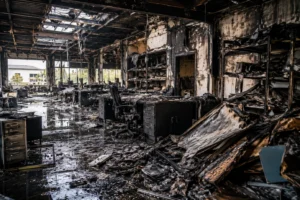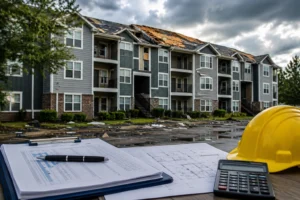

Insurance claim disputes often begin with two very different numbers. A contractor may inspect the damage and provide a repair estimate, while the insurance company produces its own evaluation that comes in much lower. Consequently, many property owners ask the same question: Can Your Insurance Company Ignore Contractor Estimates? The answer is more nuanced than most people expect. Although insurers are not automatically required to accept a contractor’s bid, they should evaluate legitimate evidence submitted during the claim process. Therefore, understanding how contractor estimates are used can help homeowners navigate disputes and pursue a fair claim outcome.
Understanding the Role of Contractor Estimates in Insurance Claims
Before determining whether an insurer can reject a contractor’s estimate, it helps to understand what these estimates are designed to accomplish.
What Is a Contractor Estimate?
A contractor estimate is a professional assessment of the work needed to repair or replace damaged property. It generally includes labor, materials, equipment, permit costs, and project-specific requirements. Unlike insurance adjusters, contractors are responsible for performing the actual repairs. As a result, they often focus on the practical realities of restoring a structure to its pre-loss condition. A typical contractor estimate may include:
- Labor expenses
- Material costs
- Equipment rentals
- Debris removal
- Permit fees
- Code-required upgrades
- Project timelines
Because contractors work directly in the construction industry, their pricing often reflects current local market conditions.
Why Homeowners Obtain Contractor Estimates
Many homeowners seek contractor estimates immediately after property damage occurs. First, they want an independent assessment of the damage. Second, they want to understand the true cost of repairs. Third, they may need documentation to compare against the insurance company’s estimate. In many cases, contractor estimates help identify damage that may have been overlooked during the initial inspection. For example, a roofing contractor may discover damaged flashing, underlayment issues, or ventilation concerns that were not included in the insurance scope.
When Contractor Estimates Become Especially Important
Contractor estimates become increasingly valuable as claims become more complex. This often occurs with:
- Hail damage claims
- Wind damage claims
- Roof replacement claims
- Water damage losses
- Fire restoration projects
- Commercial property claims
The larger the loss, the more important detailed repair documentation becomes.
How Insurance Companies Create Their Own Estimates
To fully answer the question, Can Your Insurance Company Ignore Contractor Estimates, you must first understand how insurance estimates are developed.
The Insurance Adjuster’s Inspection Process
Most property claims begin with an inspection conducted by an adjuster. During this process, the adjuster typically:
- Inspects damaged areas
- Takes photographs
- Measures affected components
- Documents visible damage
- Creates a repair scope
The information collected during the inspection forms the basis of the insurance estimate. However, no inspection is perfect. Access limitations, weather conditions, time constraints, and hidden damage can all affect the final scope.
Estimating Software Used by Insurance Companies
Most insurance carriers rely on estimating software to generate repair costs. Common platforms include:
- Xactimate
- Symbility
- Proprietary carrier systems
These programs use pricing databases intended to reflect regional construction costs. However, software does not determine claim value by itself. The accuracy of the estimate still depends on the information entered into the system. If damage is omitted, the estimate may not fully reflect repair needs.
Why Insurance Estimates Often Differ From Contractor Estimates
It is extremely common for contractor estimates and insurance estimates to differ. Several factors contribute to these differences.
| Reason for Difference | Potential Impact |
|---|---|
| Missing damage | Lower insurance estimate |
| Different labor rates | Pricing disputes |
| Material substitutions | Reduced repair costs |
| Scope disagreements | Coverage conflicts |
| Code upgrade omissions | Incomplete repair allowances |
Even relatively small omissions can create significant differences in the total estimate. For example, failing to include flashing replacement, ridge cap materials, or permit costs may reduce the estimate by thousands of dollars.
Human Judgment Still Plays a Role
Although estimating software improves consistency, claim evaluations still involve professional judgment. Adjusters frequently rely on experience-based decision-making methods known as heuristics when reviewing property losses. Consequently, two professionals evaluating the same damage may occasionally reach different conclusions regarding repair scope and cost.
Can Insurance Companies Legally Ignore Contractor Estimates?
This is where many homeowners become frustrated. They obtain a detailed estimate from a qualified contractor only to discover that the insurance company has reached a different conclusion.
The Short Answer
Technically, insurance companies are not required to automatically accept contractor estimates. Instead, they have the right to investigate claims independently and develop their own conclusions regarding repair costs. However, that does not necessarily mean they can simply dismiss contractor findings without review.
What Insurance Companies Should Consider
When a contractor submits a detailed estimate, it may contain important information such as:
- Damage documentation
- Photographs
- Measurements
- Repair recommendations
- Building code concerns
- Material specifications
These items may provide valuable evidence regarding the extent of the loss. Therefore, responsible claim handling generally involves evaluating all relevant information before making a final decision.
Ignoring Versus Disagreeing
This distinction is critical. Many homeowners assume that any rejection of a contractor estimate means the insurer ignored it. That is not always true. An insurer may review a contractor estimate and still disagree with portions of it. For example:
Legitimate Disagreement
- Contractor recommends full replacement.
- Insurance company recommends repair.
- Both sides provide supporting evidence.
In this situation, the estimate was considered even though the parties disagree. On the other hand, concerns may arise when substantial documentation is submitted and receives little or no meaningful evaluation. The distinction is important because claim evaluations often involve evidence analysis and judgment calls. In many ways, the process resembles epistemology the study of how knowledge is evaluated and justified. Contractors and insurers may review the same facts yet arrive at different conclusions regarding repair requirements.
When Ignoring an Estimate May Become Problematic
Problems may arise when:
- Evidence is not reviewed
- Damage documentation is overlooked
- Reinspection requests are denied without explanation
- Important repair items are excluded without justification
Although disagreements are normal, decisions should generally be supported by facts and documentation.
Common Reasons Insurance Companies Reject Contractor Estimates
Understanding why disputes occur can help homeowners respond more effectively.
Scope Differences
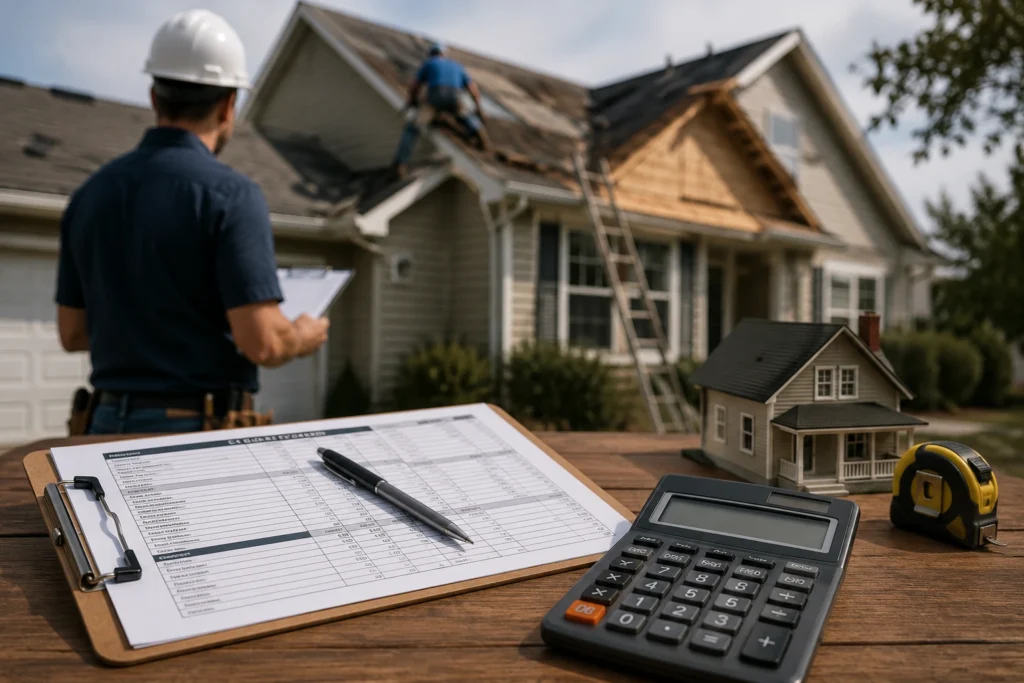
One of the most common reasons for disagreement involves scope. Contractors often identify damage that was not included in the original insurance estimate. Examples include:
- Damaged flashing
- Underlayment issues
- Ventilation deficiencies
- Structural concerns
- Water intrusion
Naturally, additional damage results in higher repair costs.
Pricing Disputes
Construction costs constantly change. Labor shortages, inflation, material availability, and regional market conditions all affect pricing. As a result, contractor estimates may differ significantly from software-generated insurance estimates.
Code Upgrade Issues
Building codes evolve over time. A structure that was compliant years ago may no longer meet current requirements. Examples include:
- Roofing attachment standards
- Ventilation requirements
- Ice and water barrier requirements
- Decking replacement standards
If these items are omitted from the insurance estimate, disputes frequently follow.
Matching and Uniformity Concerns
Property owners often encounter disputes involving matching issues. These disagreements may involve:
- Roofing materials
- Siding panels
- Flooring systems
- Exterior paint finishes
Contractors may argue that partial repairs create noticeable inconsistencies. Insurance companies may disagree.
Repair Versus Replacement
Few disputes create larger estimate differences than repair-versus-replacement debates. A contractor may conclude that replacement is necessary. An insurer may determine that repairs are sufficient. The financial difference between those positions can be substantial. Many roof claim disputes center on whether damage affects appearance or performance. This is where understanding Supplemental Insurance Claims Explained becomes important. A supplemental claim allows property owners to request additional funds when new damage, overlooked repairs, or increased costs emerge after the initial settlement. Moreover, it helps ensure repairs meet proper standards instead of relying on incomplete estimates.
Red Flags That Your Claim May Be Undervalued
Not every difference between a contractor estimate and an insurance estimate indicates a problem. However, some situations deserve closer attention.
Multiple Contractors Reach Similar Conclusions
When several reputable contractors independently arrive at similar repair costs, their findings may carry weight. If all three estimates significantly exceed the insurance estimate, there may be a legitimate reason for the discrepancy. While higher pricing alone does not prove the insurance estimate is wrong, it often justifies further review.
Significant Pricing Gaps
Minor estimate differences are normal. Large differences are not. For example:
| Difference | Potential Concern |
|---|---|
| 5%–10% | Often normal |
| 10%–20% | May require review |
| 20%–40% | Significant discrepancy |
| Over 40% | Strong reason for investigation |
A substantial pricing gap often points to missing scope items, pricing differences, or differing repair recommendations.
Missing Line Items
One of the most common causes of undervalued claims involves omitted repair items. Frequently overlooked items include:
- Drip edge
- Starter shingles
- Ridge cap
- Flashing
- Permit fees
- Debris removal
- Safety equipment
- Detach and reset costs
Individually, these items may seem minor. Collectively, they can represent thousands of dollars.
Hidden Damage Discovered Later
Property damage is not always visible during the initial inspection. Contractors frequently uncover:
- Damaged roof decking
- Wet insulation
- Structural deterioration
- Water intrusion
- Ventilation deficiencies
As repairs progress, newly discovered damage can substantially alter the scope of work.
Insurance Estimates That Appear Generic
Some estimates rely heavily on standard templates. Although templates can improve consistency, every property loss is unique. If the estimate appears incomplete or fails to address specific damage conditions, additional review may be necessary.
What Happens When Contractor Estimates Reveal Additional Damage?
Many claim disputes arise because contractors discover damage after the insurance inspection has been completed. Fortunately, the claims process includes mechanisms for addressing newly identified issues.
Supplemental Claims Explained
A supplement is a request for additional payment based on damage not included in the original estimate. Supplements are common. In fact, many large property claims involve one or more supplemental requests. A supplement does not automatically mean the original estimate was wrong. Instead, it often reflects information that became available later.
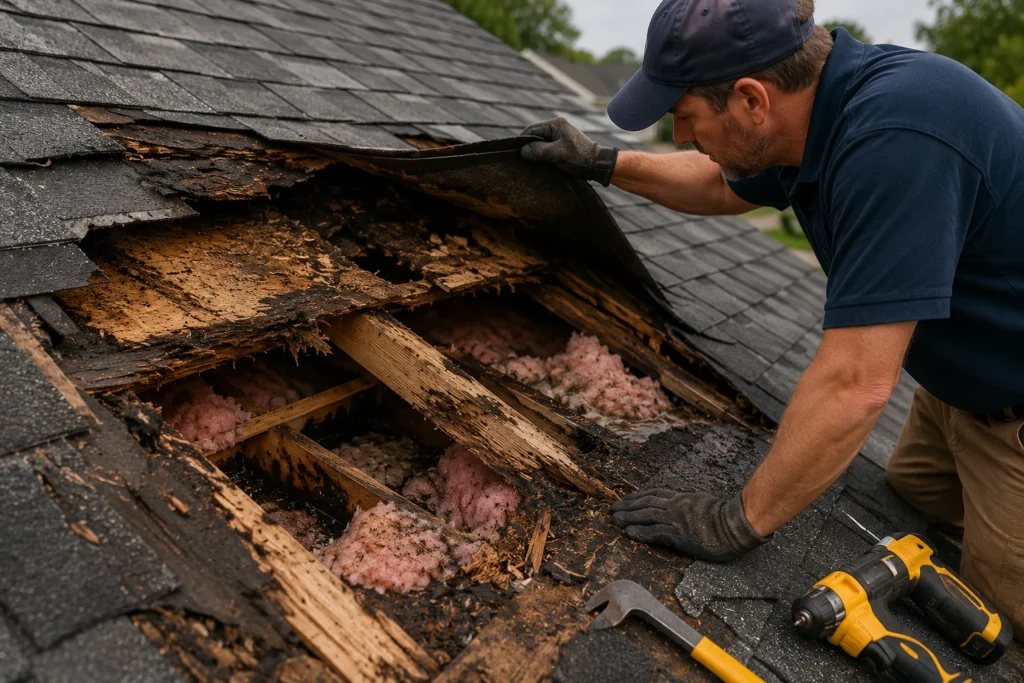
Hidden Damage Is Common
Property systems are layered. Roofing materials cover underlayment. Drywall conceals framing. Flooring covers subfloors. As a result, some damage simply cannot be confirmed until repairs begin. Contractors regularly discover:
- Damaged decking
- Moisture intrusion
- Structural concerns
- Electrical issues
- Ventilation deficiencies
These discoveries frequently increase repair costs.
Supporting a Supplement Request
Strong supplemental claims are typically supported by documentation such as:
- Photographs
- Contractor reports
- Material invoices
- Measurements
- Building code references
- Manufacturer specifications
The more evidence provided, the easier it becomes to justify additional payment requests.
How to Challenge an Insurance Estimate That Is Too Low
If you believe your claim has been undervalued, there are several practical steps you can take.
Request a Detailed Explanation
First, understand why the insurer reached its conclusions. Ask questions such as:
- Why were certain repairs excluded?
- Why was replacement denied?
- What pricing was used?
- Which damage was considered non-covered?
Clear explanations often reveal the true source of disagreement.
Submit Supporting Documentation
Documentation is one of the most powerful tools available to policyholders. Helpful evidence may include:
- Contractor estimates
- Engineering reports
- Inspection findings
- Photographs
- Manufacturer specifications
- Building code references
Strong documentation creates a stronger negotiating position.
Request a Reinspection
Sometimes additional evidence warrants another inspection. A reinspection may be appropriate when:
- New damage is discovered
- Hidden damage becomes visible
- Contractors provide additional findings
- Significant estimate differences exist
A second inspection occasionally resolves disputes without further escalation.
Work With Qualified Experts
Depending on the circumstances, outside professionals may provide valuable support. These experts may include:
- Roofing contractors
- Engineers
- Building consultants
- Restoration specialists
Their findings can help clarify technical issues and strengthen the claim.
The Role of Insurance Appraisers in Estimate Disputes
When negotiations fail to resolve estimate disagreements, appraisal may become an option.
What Is Insurance Appraisal?
Insurance appraisal is a formal dispute-resolution process designed to determine the amount of loss. It is commonly used when both parties agree that damage exists but disagree about repair costs.
When Appraisal May Be Appropriate
Appraisal may help when disputes involve:
- Repair versus replacement
- Scope disagreements
- Pricing conflicts
- Contractor estimate disputes
- Supplemental claim disagreements
Rather than continuing lengthy negotiations, appraisal offers a structured process for resolving valuation issues.
How Appraisers Evaluate Competing Estimates
Appraisers review a variety of information, including:
- Insurance estimates
- Contractor estimates
- Inspection reports
- Photographs
- Market pricing data
- Repair requirements
Their goal is to determine a fair and supportable amount of loss.
Appraisal Versus Litigation
Many policyholders compare appraisal and litigation when disputes arise.
| Factor | Appraisal | Litigation |
|---|---|---|
| Cost | Generally Lower | Often Higher |
| Timeline | Faster | Slower |
| Complexity | Moderate | High |
| Focus | Amount of Loss | Broader Legal Issues |
Although every situation is different, appraisal can often provide an efficient path toward resolution.
Texas-Specific Considerations for Contractor Estimate Disputes
Texas property owners face unique claim challenges due to severe weather events.
Frequent Causes of Texas Estimate Disputes
Common causes include:
- Hailstorms
- Windstorms
- Hurricanes
- Water losses
- Roof damage
Because these events often affect large geographic areas, claim volume can increase dramatically after major storms.
Local Pricing Matters
Construction pricing varies throughout Texas. Labor availability, material demand, and regional market conditions all influence repair costs. For example, pricing in Houston may differ significantly from pricing in Dallas, Austin, or San Antonio. Consequently, local contractor estimates can provide valuable insight into actual repair costs.
Why Accurate Scoping Is Critical
Many Texas claims involve more than one damaged component. A roof claim may also include:
- Gutters
- Flashing
- Siding
- Windows
- Interior water damage
If any component is overlooked, the estimate may fail to reflect the true cost of restoration.
Practical Tips for Homeowners Facing Estimate Disagreements
Although claim disputes can be frustrating, preparation often improves outcomes.
Obtain Multiple Estimates
One estimate provides useful information. Several estimates may establish a stronger foundation for comparison. When multiple contractors identify similar repair requirements, patterns become easier to recognize.
Compare Line Items, Not Just Totals
Many homeowners focus exclusively on the final price. That can be a mistake. Instead, compare:
- Scope of work
- Materials
- Labor costs
- Code requirements
- Additional repair items
The source of the disagreement often becomes obvious when estimates are reviewed line by line.
Keep Detailed Records
Good documentation remains essential throughout the claims process. Maintain copies of:
- Emails
- Letters
- Inspection reports
- Photographs
- Estimates
- Invoices
Organized records can significantly strengthen your position.
Understand Your Insurance Policy
Policy language influences every claim. Pay close attention to:
- Replacement cost provisions
- Actual cash value provisions
- Deductibles
- Ordinance and law coverage
- Exclusions and limitations
Understanding these provisions helps set realistic expectations.
Know When Professional Assistance May Be Appropriate
If estimate differences involve substantial sums, professional guidance may help clarify the dispute and identify available options. In some situations, expert analysis can uncover issues that might otherwise remain unresolved.
Conclusion
So, can your insurance company ignore contractor estimates? Not necessarily. While insurers are not required to accept every contractor proposal, they should evaluate credible evidence and supporting documentation. Furthermore, estimate disagreements often involve scope, pricing, code requirements, or hidden damage rather than simple rejection. Therefore, homeowners should focus on documentation, detailed comparisons, and informed communication. When disputes persist, appraisal or additional expert review may help move the claim toward a fair resolution. Ultimately, the goal is not to prove one estimate right and the other wrong it is to determine the true cost of restoring the property properly.
FAQs
Yes. Insurance companies can disagree with a contractor’s estimate, but they should evaluate the supporting evidence before making a final decision.
Not necessarily. Insurance companies typically determine payment based on their assessment of covered damage and policy provisions.
Contractors may include additional damage, code upgrades, or current market pricing that was not reflected in the insurance estimate.
Yes. Multiple estimates can provide a clearer picture of repair costs and help identify consistent findings among contractors.
The contractor can document the newly discovered damage and submit information that may support a supplemental claim request.
Absolutely. Hidden damage such as wet insulation, damaged decking, or structural issues can significantly increase repair costs.
A supplement is a request for additional claim funds when damage or repair costs exceed what was included in the original estimate.
Yes. If new evidence becomes available or damage was overlooked, requesting a reinspection may help resolve estimate disputes.
Appraisal may be appropriate when both sides agree damage exists but disagree about the amount of loss or repair costs.
Photographs, inspection reports, contractor estimates, invoices, measurements, and building code documentation can strengthen your position during a claim dispute.