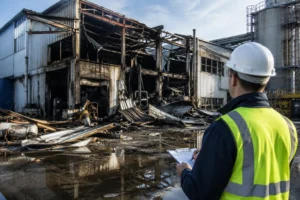

Insurance claim disputes can escalate quickly. One estimate says the damage is worth $40,000. Another says $140,000. Suddenly, the property owner and insurance company are locked in a major disagreement over repair costs, scope, and valuation. That is where residential vs commercial insurance appraisal becomes incredibly important. While both processes are designed to resolve claim disputes without litigation, the reality is very different once commercial properties, business interruption losses, and large-scale damage enter the picture. Understanding those differences helps property owners prepare properly and avoid costly mistakes during the appraisal process.
Understanding Insurance Appraisal
Insurance appraisal is a dispute resolution method found in many property insurance policies. When the policyholder and insurance company disagree on the amount of loss, either side can usually invoke appraisal. Each party selects an appraiser. If disagreements remain, an umpire helps settle the unresolved issues. The goal is simple: determine the value of the loss fairly. Appraisal commonly happens after disputes involving:
- Roof damage
- Water losses
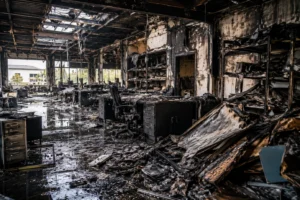
- Fire claims
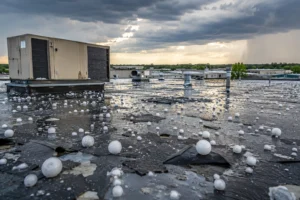
- Storm damage
- Underpaid estimates
- Scope disagreements
In Texas, appraisal has become increasingly common because severe weather events generate massive claim volume every year.
Residential Insurance Appraisal Explained
Residential appraisal typically involves homes and smaller residential properties. Examples include:
- Single-family homes
- Townhomes
- Condominiums
- Duplexes
Most residential claims involve damage from:
| Damage Type | Common Cause |
|---|---|
| Roof damage | Hail and wind |
| Water intrusion | Pipe leaks or storms |
| Fire damage | Electrical or cooking incidents |
| Interior damage | Roof leaks and storm entry |
| Structural damage | Fallen trees or severe weather |
In many residential disputes, homeowners discover the carrier estimate does not fully account for the actual repair cost. That is extremely common after major Texas hailstorms. A roof may require complete replacement while the initial estimate only includes partial repairs. Interior moisture damage may also be overlooked during early inspections. These disagreements often trigger residential appraisal.
Residential Appraisal Usually Moves Faster
Residential claims tend to involve fewer variables. That speeds things up. Most residential appraisals focus primarily on:
- Roofing materials
- Interior finishes
- Labor pricing
- Moisture damage
- Code upgrades
Compared to commercial losses, the documentation burden is usually lighter. Fewer contractors are involved. Fewer experts participate. The overall repair scope is often more manageable. Still, residential claims can become highly contested when large storm damage or hidden moisture issues appear.

Commercial Insurance Appraisal Explained
Commercial appraisal operates on a completely different scale. Now the claim may involve:
- Office buildings
- Shopping centers
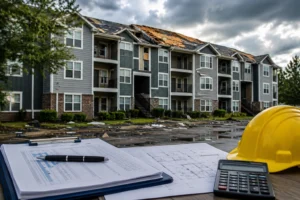
- Apartment complexes
- Warehouses
- Industrial facilities
- Hotels
The financial exposure rises dramatically. Commercial insurance disputes regularly involve hundreds of thousands or even millions of dollars in repair costs and operational losses. That changes the appraisal process entirely.
Why Commercial Claims Become More Complex
Commercial properties contain larger systems, more occupants, and greater operational risk. As a result, commercial appraisals often involve:
- Engineering reports
- Roofing consultants
- Structural evaluations
- Tenant improvements
- Code compliance reviews
- Financial documentation
- Operational interruption analysis
This is one of the biggest differences in residential vs commercial insurance appraisal. Commercial claims are rarely limited to visible damage alone. The investigation may include hidden moisture intrusion, structural concerns, building envelope failures, and long-term operational impacts. Some appraisers even use advanced technologies similar to Thermography to help identify concealed moisture behind walls and roofing systems.
Business Interruption Creates Additional Challenges
Residential claims usually focus on physical repairs. Commercial claims often involve lost income too. That creates another layer of complexity.
Business interruption disputes may include:
- Lost revenue
- Payroll continuation
- Temporary relocation expenses
- Inventory losses
- Equipment downtime
- Lease obligations
Now the appraisal team must evaluate not only physical damage, but operational financial losses as well. That requires specialized expertise.
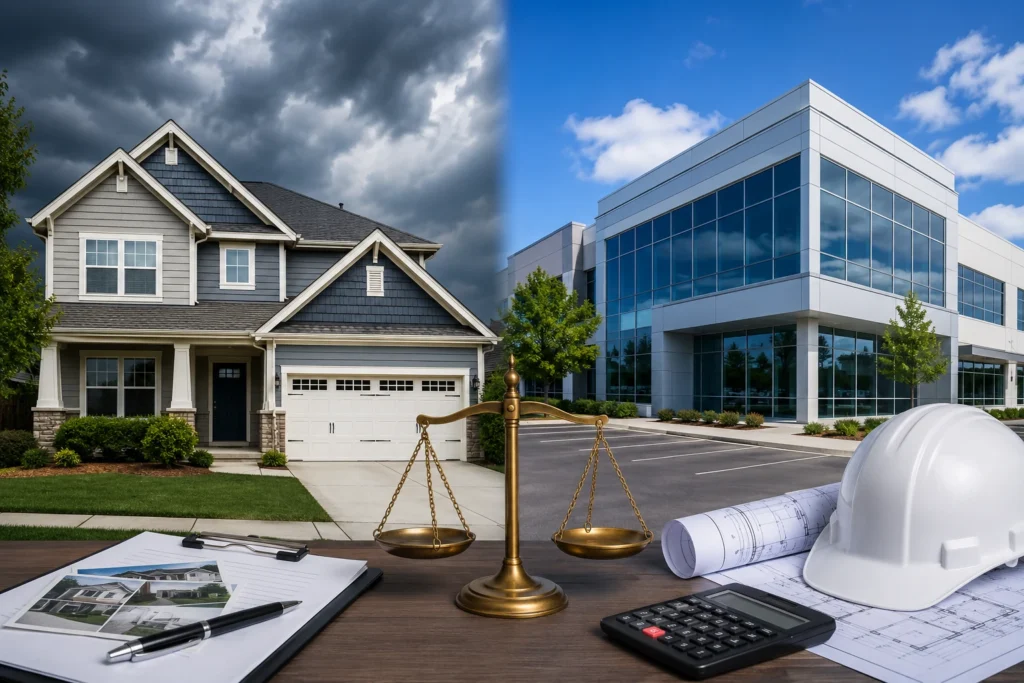
Residential vs Commercial Insurance Appraisal: Major Differences
The differences become very clear once the process begins.
| Factor | Residential Appraisal | Commercial Appraisal |
|---|---|---|
| Claim Value | Smaller | Often very large |
| Timeline | Faster | Longer |
| Documentation | Moderate | Extensive |
| Experts Involved | Contractors and appraisers | Engineers, accountants, consultants |
| Complexity | Simpler | Highly technical |
| Business Losses | Rare | Common |
| Stakeholders | Homeowner and insurer | Owners, tenants, managers, investors |
These distinctions influence strategy from the very beginning.
Documentation Requirements Differ Significantly
Documentation matters in every appraisal. But commercial claims require far more detail. Residential files often include:
- Photos
- Repair estimates
- Inspection reports
- Invoices
- Moisture readings
Commercial files may also require:
- Financial statements
- Lease agreements
- Vendor contracts
- Engineering studies
- Maintenance records
- Operational reports
- Tenant correspondence
The larger the claim, the more documentation becomes necessary. Without organized evidence, appraisal disputes become much harder to support.
Code Compliance Plays a Bigger Role in Commercial Claims
Building code upgrades frequently increase claim value. Residential properties may require:
- Updated roofing systems
- Improved ventilation
- Water barrier upgrades
Commercial properties often involve much larger compliance issues. These may include:
- Fire suppression upgrades
- Accessibility requirements
- Structural reinforcement
- Electrical modernization
- Energy efficiency standards
Some large-loss claims also involve analysis of exterior building systems and Fenestration performance when evaluating storm-related envelope damage. These additional requirements can dramatically increase reconstruction costs.
Residential Roof Appraisals Are Extremely Common
Texas homeowners deal with hail damage constantly. That creates thousands of residential roof disputes every year. Common residential appraisal disagreements involve:
- Full replacement vs repair
- Shingle matching
- Underlayment replacement
- Flashing damage
- Soft metal impacts
- Local labor pricing
Insurance companies sometimes prepare estimates during periods of massive claim volume. Important details may be overlooked during initial inspections. Independent evaluations often reveal supplemental damage later in the process.
Commercial Roofing Appraisals Are More Technical
Commercial roofing systems are far more complex than residential shingles. Now the discussion may involve:
- TPO roofing
- EPDM membranes
- Modified bitumen systems
- Metal panel assemblies
- Multi-layer insulation systems
Each roofing type has different repair standards and performance concerns. Commercial appraisers frequently work with roofing consultants and engineers to determine:
- Moisture saturation
- Membrane damage
- Insulation failure
- Repair feasibility
- Long-term performance risks
This level of technical analysis separates commercial claims from residential disputes immediately.
The Role of the Appraiser Matters Enormously
Not every appraiser handles both claim types effectively. Some specialize in residential losses. Others focus heavily on commercial large-loss claims. That distinction matters.
Residential Appraisers Often Focus On
- Roofing systems
- Interior repairs
- Moisture damage
- Contractor pricing
- Local market costs
Commercial Appraisers Often Evaluate
- Structural systems
- Engineering conflicts
- Tenant improvements
- Operational losses
- Complex estimating
- Multi-phase reconstruction
A commercial loss requires different experience than a residential roof claim. Property owners should hire appraisers familiar with the specific claim type involved.
Common Problems During Residential Appraisal
Residential claims can still become difficult despite their smaller size. Common issues include:
Incomplete Inspections
Storm-related claims sometimes receive rushed inspections during high-volume seasons. Important damage gets missed.
Low Initial Estimates
Carrier pricing may not reflect actual contractor pricing in the local market.
Hidden Damage
Moisture intrusion often spreads beyond visible areas. Additional repairs appear later.
Delayed Communication
Slow responses from carriers can delay repairs and increase homeowner frustration.
Common Problems During Commercial Appraisal
Commercial disputes become far more aggressive because the financial stakes are higher. Common commercial problems include:
Scope Expansion Disputes
Additional damage often appears during deeper investigations. Insurance carriers may challenge whether those items relate directly to the loss.
Engineering Disagreements
Different experts may reach completely different conclusions regarding causation or repairability.
Tenant Improvement Conflicts
Customized tenant spaces create complicated valuation issues.
Business Interruption Disputes
Operational losses require detailed financial analysis and supporting records.
How Property Owners Should Prepare for Appraisal
Preparation changes outcomes. The strongest appraisal files are organized, detailed, and evidence-driven. Property owners should maintain:
- Inspection reports
- Repair invoices
- Contractor estimates
- Photos
- Claim correspondence
- Temporary repair receipts
Commercial owners should additionally organize:
- Financial statements
- Lease agreements
- Operational records
- Vendor documentation
Strong organization creates leverage during disputed claims.
Keep Everything in Writing
Documentation protects everyone. Always maintain written records for:
- Claim decisions
- Inspection findings
- Repair disagreements
- Payment explanations
- Scope discussions
Verbal conversations become difficult to verify later. Paper trails matter enormously during residential vs commercial insurance appraisal.
Hire Qualified Experts When Necessary
Not every claim needs a large team. But major disputes often benefit from independent experts. Depending on the situation, property owners may need:
- Public adjusters
- Roofing consultants
- Engineers
- Accountants
- Moisture specialists
Commercial claims especially require specialized support because the operational and financial exposure is much larger.
When Appraisal Makes Sense
Appraisal works best when both sides agree damage exists but disagree on value. Strong residential appraisal scenarios include:
- Underpaid roof claims
- Water damage disputes
- Fire restoration disagreements
- Scope omissions
Strong commercial appraisal scenarios include:
- Multi-building storm losses
- Large roofing disputes
- Operational interruptions
- Tenant-related damages
- Complex reconstruction issues
In many situations, appraisal resolves disputes much faster than litigation. That alone makes it valuable.
Can Insurance Appraisal Increase Settlement Amounts?
Sometimes it does. Especially when the original estimate missed important damage. Independent inspections often uncover:
- Hidden moisture
- Additional roofing components
- Structural concerns
- Code-required upgrades
- Labor cost increases
These supplemental findings can significantly affect claim value. That is one reason residential vs commercial insurance appraisal remains such an important process for disputed property claims throughout Texas.
Why Texas Sees Frequent Appraisal Disputes
Texas experiences constant severe weather exposure. Including:
- Hailstorms
- Windstorms
- Hurricanes
- Tornadoes
- Heavy rain events
Large storms create enormous claim volume. And during high-volume periods, inspection quality sometimes declines. Texas commercial growth also contributes heavily to appraisal activity. Apartment complexes, industrial facilities, office developments, and retail centers create substantial financial exposure during severe weather events. The larger the property, the larger the dispute potential.
Choosing the Right Insurance Appraiser
This decision can heavily influence the outcome of a claim. Before hiring an appraiser, property owners should ask:
- Do they specialize in residential or commercial claims?
- Have they handled similar losses before?
- Do they understand Texas property claims?
- Can they explain their process clearly?
- Do they have large-loss experience?
The answers matter. Strong appraisers rely on documentation, experience, and evidence-based analysis.
Final Thoughts on Residential vs Commercial Insurance Appraisal
The differences between residential vs commercial insurance appraisal are substantial. Residential claims often move faster and focus mainly on physical repairs. Commercial claims involve larger financial exposure, operational concerns, engineering conflicts, tenant complications, and business interruption analysis. Completely different environments. Still, both processes depend on one critical factor: strong documentation. Property owners who organize evidence early, maintain detailed records, and work with experienced professionals place themselves in a far stronger position during disputed insurance claims. And in Texas, where severe weather losses continue rising year after year, understanding residential vs commercial insurance appraisal has become more important than ever.
FAQs
Residential appraisal usually focuses on home repair costs, while commercial appraisal often involves larger losses, business interruption, tenant issues, and complex building systems.
In many Texas property policies, the appraisal award becomes binding regarding the amount of loss unless there is evidence of fraud or major procedural problems.
Yes. If the policy contains an appraisal clause, homeowners can usually invoke appraisal when they disagree with the insurance company’s damage valuation.
Commercial claims often require engineers, accountants, consultants, and extensive documentation, which increases the overall complexity and cost of the process.
Usually, no. Appraisal typically determines the value of the loss, while coverage questions are handled separately.
Many residential appraisals resolve within several weeks to a few months, depending on claim complexity and scheduling.
Yes. Some commercial appraisals involve disputes over lost income, operational downtime, payroll continuation, and other business interruption damages.
Many policyholders choose independent appraisers because they provide separate evaluations of the damage and repair scope.
Roof hail claims, water damage disputes, fire losses, storm damage, and underpaid commercial property claim frequently enter appraisal.
Sometimes. Independent inspections and detailed documentation may uncover additional damage or overlooked repair costs that were not included in the original estimate.