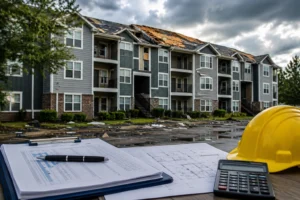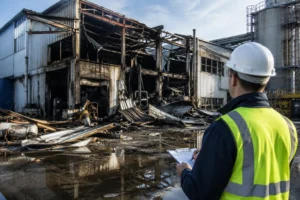

Insurance claims can become tense fast. One estimate says the damage is minor. Another says the property needs major repairs. Negotiations slow down. Communication breaks down. Eventually, both sides stop agreeing altogether. That situation is known as an impasse in insurance appraisal. Understanding what is an impasse in insurance appraisal matters tremendously for Texas homeowners and commercial property owners dealing with property damage disputes. Once the appraisal process stalls, delays, financial pressure, and settlement complications often follow closely behind. Knowing how these impasses happen and how to handle them properly can make a major difference in the final outcome of a claim.
Understanding Insurance Appraisal
Insurance appraisal is a dispute resolution process found inside many property insurance policies. It is commonly used when the policyholder and insurance company disagree on the amount of loss after property damage. The appraisal process usually involves three participants:
| Party | Role |
|---|---|
| Policyholder Appraiser | Represents the property owner’s estimate |
| Insurance Company Appraiser | Represents the insurer’s estimate |
| Umpire | Neutral third party who helps resolve disagreements |
The goal is simple. Determine the value of the damage fairly. But real-world claims rarely stay simple for long. Roofing disputes, fire losses, water damage, code upgrades, hidden structural problems, and pricing disagreements can quickly complicate the process. That is often where appraisal disputes begin moving toward impasse territory.
What Is an Impasse in Insurance Appraisal?
An impasse in insurance appraisal happens when the appraisers cannot agree on the amount of loss or repair scope. The process stalls. Negotiations stop progressing. Both sides remain locked into competing positions. Sometimes the disagreement centers around repair pricing. Other times it involves hidden damage, causation disputes, or code requirements. For example:
- One appraiser recommends full roof replacement
- The other recommends minor repairs only
- One estimate totals $60,000
- The other estimate totals $18,000
That gap creates conflict immediately. And when neither side moves toward compromise, the appraisal process reaches an impasse. Understanding what is an impasse in insurance appraisal becomes especially important because deadlocks can delay claims significantly and increase stress for property owners.
Why Impasses Happen During Insurance Appraisal
Insurance appraisals involve large financial disagreements. Naturally, tension develops. But certain issues repeatedly create serious deadlocks.
Scope of Damage Disputes
One of the most common causes of appraisal impasses involves disagreements about the actual extent of damage. This happens constantly in Texas storm claims. Common examples include:
- Full roof replacement vs. spot repairs
- Interior water damage disputes
- Matching material disagreements
- Hidden moisture damage
- Structural concerns
- Flashing and ventilation disputes
One appraiser may identify widespread storm damage while the opposing side argues the damage is cosmetic or unrelated. Those differences become difficult to bridge.
Pricing Disagreements
Even when both sides agree damage exists, pricing disputes often create major appraisal conflicts. Material prices change rapidly. Labor costs fluctuate constantly. After severe Texas storms, reconstruction demand can increase dramatically, pushing repair pricing much higher. Consider this example:
| Item | Policyholder Estimate | Insurance Estimate |
|---|---|---|
| Roofing Labor | $425/square | $275/square |
| Shingle Quality | Premium architectural | Standard laminate |
| Code Upgrades | Included | Excluded |
| Flashing Replacement | Full replacement | Partial replacement |
Small differences across multiple categories create enormous gaps in total claim value.
Causation Disagreements
Some appraisal disputes are not really about pricing at all. They are about what caused the damage. Insurance carriers may argue:
- Wear and tear
- Aging materials
- Installation defects
- Maintenance problems
- Previous damage
Meanwhile, the policyholder’s appraiser may connect the damage directly to hail, wind, or another covered event. These disputes become complicated quickly because appraisal typically focuses on valuation rather than coverage interpretation. That distinction matters enormously.
Weak Documentation Creates Bigger Problems
Poor documentation weakens claims dramatically. When evidence is incomplete, both sides gain more room to argue. Common documentation problems include:
- Missing inspection photos
- Weak contractor reports
- No weather documentation
- Incomplete repair estimates
- Missing moisture readings
- Poor communication records
Strong evidence reduces uncertainty. Weak evidence creates conflict. And conflict often leads directly to impasse situations.

Signs an Insurance Appraisal Is Reaching an Impasse
Most appraisal deadlocks develop gradually. Several warning signs usually appear first.
Repeated Estimate Rejections
If both appraisers repeatedly reject each other’s estimates without compromise, negotiations may be deteriorating.
Long Communication Delays
Slow responses often signal growing conflict behind the scenes.
Multiple Reinspection’s
Repeated inspections usually indicate major disagreements over damage scope or valuation.
Heavy Umpire Involvement Early
When the umpire becomes deeply involved early in the process, the appraisers may already be struggling to resolve differences independently.
Constant Supplemental Disputes
Newly discovered damage during appraisal can continuously expand the disagreement. That often pushes negotiations further apart instead of closer together.
The Role of the Umpire During an Impasse
When people ask what is an impasse in insurance appraisal, they often misunderstand the umpire’s role. The umpire does far more than simply break ties. An experienced umpire evaluates:
- Inspection findings
- Repair estimates
- Pricing data
- Engineering reports
- Contractor documentation
- Code requirements
The umpire may also perform independent inspections and compare competing estimates line by line. Eventually, if two members of the panel agree on the amount of loss, an appraisal award may be issued. That is why choosing the right umpire matters tremendously. An experienced umpire can help move difficult claims toward resolution much faster.
Why Texas Claims Often Reach Appraisal Impasse
Texas produces enormous numbers of severe weather claims every year. Hailstorms alone create widespread roofing disputes across residential and commercial properties. Several Texas-specific factors increase appraisal conflict:
| Texas Claim Factor | Impact |
|---|---|
| Large Hailstorms | High claim volume |
| Roofing Disputes | Significant valuation gaps |
| Material Inflation | Pricing disagreements |
| Code Requirements | Increased repair complexity |
| Commercial Losses | Larger financial exposure |
Roofing claims especially create repeated disputes involving:
- Cosmetic damage
- Functional damage
- Underlayment replacement
- Soft metals
- Ventilation systems
- Matching shingles
These disagreements frequently push appraisals into deadlock territory.
How Appraisal Impasses Affect Property Owners
An appraisal impasse creates more than paperwork problems. It creates real financial pressure. Claims take longer to resolve. Repairs may remain incomplete. Temporary fixes become extended solutions. Commercial property owners face even greater challenges. Business interruption losses can continue growing while the claim remains unresolved. Common consequences include:
- Delayed repairs
- Cash flow pressure
- Contractor scheduling problems
- Tenant complaints
- Revenue interruption
- Ongoing property deterioration
The longer the impasse lasts, the greater the pressure becomes.
Emotional Stress During Insurance Appraisal
Insurance disputes are exhausting. Property owners often become overwhelmed by endless inspections, estimate revisions, and conflicting opinions. A prolonged appraisal impasse can create:
- Anxiety
- Frustration
- Financial stress
- Uncertainty
- Emotional fatigue
That stress becomes even worse after severe storms or major fire losses when families are already dealing with damaged homes or interrupted businesses. Organization and preparation become extremely important during these situations.
Can an Appraisal Impasse Be Avoided?
Yes, Sometimes no. Certain claims naturally involve major disagreements. But many appraisal impasses become worse because of avoidable mistakes.
Thorough Documentation Helps Tremendously
Detailed evidence strengthens claim credibility. Helpful documentation includes:
- Drone photos
- Wide-angle roof images
- Interior damage photos
- Moisture readings
- Weather reports
- Contractor estimates
- Repair invoices
- Inspection summaries
The stronger the documentation package becomes, the harder legitimate damage becomes to dispute. In complicated property disputes involving structural analysis, the investigation process can sometimes resemble Forensic engineering, especially when experts analyze hidden damage and structural failure causes.
Detailed Inspections Matter
Fast inspections often miss critical issues. Thorough inspections reduce uncertainty and improve estimate accuracy. Strong appraisers typically inspect:
- Roofing systems
- Gutters
- Flashing
- Interior ceilings
- Attic spaces
- HVAC systems
- Exterior elevations
- Structural components
Overlooked damage frequently creates supplemental disputes later in the process. That often leads directly into impasse situations.
Communication Helps Prevent Escalation
Poor communication can intensify even manageable disagreements. Professional communication keeps negotiations more productive. Best practices include:
- Respond promptly
- Keep written records
- Exchange detailed estimates
- Explain pricing differences clearly
- Confirm verbal conversations in writing
Documentation and communication often become critical leverage during appraisal disputes.
What Happens After an Appraisal Impasse?
Eventually, the appraisal process must move forward. In many cases, the umpire helps narrow disagreements and finalize an award. Once two members of the panel agree on the amount of loss, the appraisal award can often proceed. However, some disputes continue afterward. Especially involving:
- Coverage denials
- Bad faith allegations
- Fraud concerns
- Policy interpretation disputes
Those issues may still result in litigation even after appraisal concludes.
When Property Owners Should Seek Professional Help
Not every claim requires outside experts. But some absolutely do. Professional assistance becomes especially valuable when:
- Large losses exist
- Commercial properties are involved
- Engineers disagree
- Roofing disputes escalate
- The insurer undervalues damage
- Coverage complications develop
Potential professionals may include:
| Professional | Purpose |
|---|---|
| Public Adjuster | Claim valuation support |
| Attorney | Legal guidance |
| Engineer | Structural analysis |
| Roofing Consultant | Damage evaluation |
| Estimator | Repair pricing analysis |
Experienced professionals often identify problems inexperienced property owners completely overlook. During highly technical disputes, some valuation professionals also rely on analytical methods similar to Actuarial science when evaluating long-term financial exposure and reconstruction costs.
Mistakes That Make Appraisal Impasses Worse
Certain homeowner decisions unintentionally damage strong claims. Avoid these common mistakes carefully.
Waiting Too Long
Delayed inspections weaken evidence significantly. Weather exposure changes property conditions over time.
Accepting Verbal Explanations Only
Always request written confirmation regarding:
- Coverage decisions
- Estimate explanations
- Scope disagreements
- Inspection findings
Paper trails matter enormously.
Hiring Inexperienced Appraisers
Cheap representation can create expensive problems later. Experience matters heavily during complex appraisal disputes.
Ignoring Policy Language
Many property owners never fully review their appraisal clause or policy requirements. That creates confusion and procedural mistakes during negotiations.

Practical Tips for Handling an Insurance Appraisal Impasse
If you are currently facing an appraisal deadlock, organization becomes critical. Stay focused. Stay professional.bHere are several practical strategies:
Organize Every Document
Maintain folders for:
- Photos
- Estimates
- Emails
- Receipts
- Inspection reports
- Weather documentation
Cloud storage helps tremendously.
Review Estimates Carefully
Do not focus only on total settlement numbers. Line-item differences often reveal the real dispute.
Stay Professional During Negotiations
Emotional reactions rarely improve outcomes. Professional communication creates credibility.
Keep Realistic Expectations
Not every appraisal dramatically increases settlement value. Sometimes appraisal confirms portions of the insurer’s position too. Balanced expectations help reduce frustration.
Final Thoughts on What Is an Impasse in Insurance Appraisal
Understanding what is an impasse in insurance appraisal helps property owners navigate one of the most difficult stages of the claims process. An impasse occurs when appraisers cannot agree on repair scope, pricing, or valuation issues, causing negotiations to stall. Once that happens, the umpire often becomes essential in helping resolve remaining disagreements. These disputes are extremely common in Texas property claims involving hailstorms, fire losses, water damage, and commercial property damage. The strongest protection during appraisal disputes comes from preparation. Detailed inspections. Strong documentation. Organized communication. Experienced professionals. Realistic expectations. Those factors often determine whether a claim moves toward fair resolution or remains trapped in costly conflict for months.
FAQs
An impasse in insurance appraisal happens when the appraisers cannot agree on the amount of loss or repair scope, causing negotiations to stall.
No. An impasse usually means the dispute remains unresolved, not that the insurance company denied the claim entirely.
The umpire often helps resolve the disagreement by reviewing evidence, estimates, and inspection findings from both sides.
Yes. Most appraisal processes continue through umpire involvement until an award or agreement is reached.
Some impasses resolve within weeks, while more complicated disputes involving large losses or engineering issues may take several months.
Roofing disputes, hail damage disagreements, pricing conflicts, and code upgrade issues are among the most common causes in Texas claims.
Yes. Policyholders typically select their own independent appraiser during the insurance appraisal process.
Not always. Coverage disputes, bad faith allegations, or fraud claims may still lead to litigation after appraisal concludes.
Detailed photos, contractor estimates, weather reports, inspection summaries, and written communications can strengthen the claim significantly.
It depends on the complexity of the claim. Large losses, commercial claims, or serious disputes may justify legal guidance.