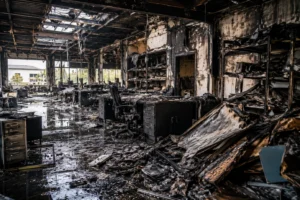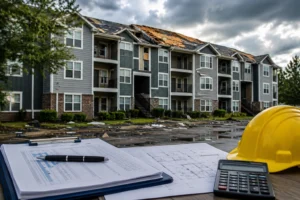

Many homeowners believe appraisal ends the insurance dispute completely. Sometimes it does. Sometimes it absolutely does not. That is why one of the most important questions policyholders ask is this: can you sue after insurance appraisal? In Texas, the answer is yes under certain circumstances. Appraisal may resolve the amount-of-loss dispute, but legal issues involving coverage, bad faith, delayed payment, or improper claim handling can still survive. Understanding where appraisal ends and where legal rights continue is critical. Especially during large property claims.
Understanding What Insurance Appraisal Actually Does
Insurance appraisal exists to resolve disputes over the value of damage. Not every dispute connected to the claim itself. That distinction matters enormously. Most Texas property policies include an appraisal clause allowing both sides to select appraisers when disagreements arise regarding repair costs, replacement pricing, or scope of loss. The process typically works like this:
| Step | What Happens |
|---|---|
| Policyholder selects appraiser | Independent appraiser represents insured |
| Insurance company selects appraiser | Carrier chooses its own appraiser |
| Umpire selected if disagreement remains | Neutral third party may assist |
| Inspection and estimate review occur | Damage scope and pricing evaluated |
| Appraisal award issued | Amount of loss determined |
The appraisal process focuses almost entirely on valuation. Not legal liability. Not policy interpretation. Not bad faith conduct. This is exactly why the question can you sue after insurance appraisal still matters even after the award is finalized.
Why Appraisal Does Not Automatically End Every Legal Dispute
Many policyholders mistakenly believe appraisal closes the claim permanently. That is not always accurate. Appraisal usually resolves disagreements involving:
- Repair pricing
- Scope disagreements
- Material costs
- Labor calculations
- Replacement estimates
But other disputes can remain unresolved. For example:
- Coverage denials
- Delayed claim handling
- Underpayment issues
- Fraud allegations
- Bad faith conduct
- Improper investigations
Texas courts often enforce valid appraisal awards. However, that does not necessarily erase every legal obligation the insurer still owes. And that is where lawsuits sometimes begin.
Coverage Disputes and Valuation Disputes Are Different
This is one of the most misunderstood parts of property insurance claims. Appraisal generally determines the amount of loss. Courts determine coverage disputes. Those are not the same thing.
Amount-of-Loss Disputes
These involve questions like:
- How much should roof replacement cost?
- Should full siding replacement be included?
- What labor pricing is reasonable?
- How extensive are the repairs?
Appraisal usually handles these issues.
Coverage Disputes
Coverage disputes involve entirely different questions. For example:
- Was the damage caused by wear and tear?
- Did flooding contribute to the loss?
- Was the claim reported too late?
- Does a policy exclusion apply?
- Was the damage pre-existing?
These disputes often remain outside appraisal authority. That means lawsuits may still happen even after appraisal concludes.
Can You Sue After Insurance Appraisal for Bad Faith?
Yes. And this is one of the most common reasons lawsuits continue after appraisal. Bad faith claims focus on how the insurance company handled the claim itself. Not simply the amount of loss.
Examples of Potential Bad Faith Conduct
Policyholders may allege:
- Delayed inspections
- Ignored evidence
- Weak investigations
- Misrepresentation of policy terms
- Repeated lowball estimates
- Failure to communicate properly
- Unreasonable payment delays
Sometimes appraisal reveals a massive difference between the insurer’s original estimate and the final award. That alone does not automatically prove bad faith. But it may raise serious questions. Especially if the insurer failed to investigate properly from the beginning.
Why Payment Delays Still Create Legal Problems
One of the biggest misconceptions surrounding appraisal is that insurers can take unlimited time to pay afterward. That is incorrect. Texas law still imposes obligations involving prompt claim payment. When insurers delay payment after appraisal, additional legal exposure may develop quickly.

Common Post-Appraisal Payment Problems
| Issue | Potential Concern |
|---|---|
| Delayed payment | Prompt payment violations |
| Partial payment | Breach of contract |
| Withheld depreciation | Underpayment disputes |
| Failure to issue checks promptly | Bad faith concerns |
| Denial of supplemental damage | Coverage disputes |
Timing matters enormously in Texas insurance claims. A clean appraisal award does not necessarily erase earlier delays or ongoing payment issues.
Hidden Damage Can Reopen Disputes
Property claims rarely stay simple. Especially after major storms. Once repairs begin, contractors often uncover additional damage hidden beneath visible surfaces. That creates another layer of conflict.
Common Hidden Damage Discovered After Appraisal
Contractors frequently identify:
- Rotten roof decking
- Water intrusion
- Saturated insulation
- Structural deterioration
- Mold contamination
- Ventilation deficiencies
- Electrical concerns
Now the insurer may argue the appraisal already resolved the claim. Meanwhile, the policyholder argues the newly discovered damage was hidden during the original inspection process. These disputes sometimes lead to supplemental claims or litigation. Large property claims sometimes resemble a form of Forensic engineering, where investigators analyze structural failures, impact patterns, and material damage to determine the true scope of loss.
Can Insurance Companies Sue After Appraisal?
Yes, they can. Although insurers generally prefer appraisal because it limits litigation exposure, they may still challenge appraisal awards under certain circumstances. But overturning an appraisal award is difficult. Very difficult. Texas courts strongly favor enforcing valid awards.
Situations Where Insurers May Challenge Awards
Insurance companies may allege:
- Fraud
- Collusion
- Appraiser bias
- Procedural misconduct
- Improper umpire conduct
- Authority overreach
Without strong evidence, courts rarely overturn appraisal decisions. Judges typically prefer finality and stability in the appraisal process.
When Courts May Reject an Appraisal Award
Not every appraisal survives judicial review. But challenges usually require substantial evidence.
Fraud or Collusion
Fraud is one of the strongest grounds for attacking an appraisal award. Examples may include:
- Fabricated repair invoices
- Manipulated estimates
- False inspection reports
- Secret coordination between participants
Fraud changes the legal landscape entirely.
Appraisers Exceeding Their Authority
Appraisers determine value. They generally do not determine legal coverage questions. If appraisers begin interpreting policy language or deciding exclusions, courts may intervene.
Serious Procedural Errors
Certain procedural failures may also create problems. Examples include:
- Failure to follow policy requirements
- Improper umpire selection
- Lack of neutrality
- Failure to inspect damage properly
Minor disagreements usually are not enough. Significant procedural failures are normally required.
Why Documentation Matters So Much During Appraisal
Strong documentation protects policyholders before, during, and after appraisal. Weak documentation destroys leverage. The difference is often dramatic.

Records Every Policyholder Should Maintain
Keep organized copies of:
- Inspection photos
- Repair estimates
- Claim letters
- Emails
- Text messages
- Payment summaries
- Contractor reports
- Engineering evaluations
Even small details matter later. Especially if litigation becomes necessary. In some complicated disputes, the communication process becomes almost Byzantine fault, with conflicting reports, overlapping inspections, and inconsistent documentation slowing claim resolution dramatically.
The Role of Attorneys After Insurance Appraisal
Not every claim requires legal involvement. But some absolutely justify professional review. Especially when large sums are involved.
Situations Where Legal Review May Help
Policyholders often consult attorneys when:
- The insurer refuses to honor the appraisal award
- Large underpayments remain unresolved
- Coverage disputes continue
- Payment delays become excessive
- Bad faith conduct appears likely
- Supplemental damage gets denied improperly
Complex commercial claims become especially challenging because repair scopes, business interruption losses, and code upgrades can create enormous financial exposure. One overlooked issue may cost tens of thousands of dollars. Sometimes more.
What Attorneys Commonly Review
Experienced attorneys typically examine:
| Item Reviewed | Why It Matters |
|---|---|
| Insurance policy | Determines coverage rights |
| Appraisal award | Defines valuation outcome |
| Claim timeline | Identifies delays |
| Communication records | Evaluates claim conduct |
| Inspection reports | Reviews investigation quality |
| Payment history | Tracks compliance issues |
A clean paper trail strengthens nearly every claim dispute.
Common Misunderstandings About Insurance Appraisal
There is tremendous confusion surrounding appraisal rights in Texas. Several myths appear constantly.
“Appraisal Ends Every Possible Dispute”
No. Appraisal mainly resolves valuation disagreements. Coverage disputes and bad faith claims may still remain.
“Winning Appraisal Guarantees Full Payment”
Not always. Insurers sometimes continue disputing depreciation, supplemental damage, or code-related costs even after appraisal.
“You Automatically Lose the Right to Sue”
That is also inaccurate. The answer to can you sue after insurance appraisal depends heavily on what legal issues remain unresolved after the award. Some rights narrow. Others survive.
Signs a Post-Appraisal Lawsuit May Be Worth Discussing
Not every disagreement justifies litigation. But certain warning signs deserve serious attention.
Potential Red Flags
- Refusal to pay the appraisal award
- Major payment delays
- Repeatedly ignored evidence
- Obvious investigative failures
- Misleading communication
- Improper denial of supplemental damage
- Significant underpayment concerns
The larger the claim becomes, the more important experienced guidance usually becomes.
Why Texas Courts Generally Favor Appraisal
Texas courts strongly support appraisal because it reduces litigation involving technical pricing disputes. And many claims truly do resolve successfully through appraisal alone. Roofing disputes. Material pricing conflicts. Scope disagreements. Labor calculations. These issues often fit well within appraisal procedures. But courts also recognize limits. Fraud allegations, bad faith conduct, statutory violations, and coverage disputes may still remain legally actionable. That is why understanding can you sue after insurance appraisal is so important for Texas policyholders dealing with major property losses.
Final Thoughts
Insurance appraisal is powerful. But it is not absolute. It resolves many disputes involving repair pricing and valuation disagreements. In countless Texas claims, appraisal successfully moves the process toward resolution without lengthy courtroom battles. Other times, major disputes remain. Coverage issues. Payment delays. Bad faith allegations. Hidden damage disputes. Procedural misconduct. These problems can survive long after the appraisal award is issued. That is why policyholders should never assume appraisal automatically eliminates every legal option available. The smarter approach is understanding exactly what appraisal resolved and what legal issues may still remain open. Because in large Texas property claims, the smallest details often shape the final outcome.
FAQs
Yes, lawsuits may still be possible after appraisal if disputes involving coverage, bad faith, delayed payment, or claim handling remain unresolved.
No. Appraisal mainly resolves valuation disputes and does not automatically eliminate every legal claim tied to the loss.
Sometimes insurers dispute portions of the award or delay payment, which may create additional legal issues for the policyholder.
Newly discovered damage may lead to supplemental claims or additional disputes if the damage was not visible during the original appraisal process.
Generally, no. Coverage questions are usually decided through legal interpretation, not through appraisal.
Texas insurance laws still require prompt payment within certain timelines, even after an appraisal award is issued.
Yes, but it is difficult. Courts usually require evidence of fraud, misconduct, bias, or serious procedural errors before rejecting an award.
It may be worth considering if the insurer refuses payment, delays the claim, or disputes major portions of the loss after appraisal.
No. A large difference between estimates may raise concerns, but bad faith usually requires evidence of unreasonable claim handling.
Policyholders should keep photos, estimates, emails, inspection reports, payment records, and all communication connected to the claim.