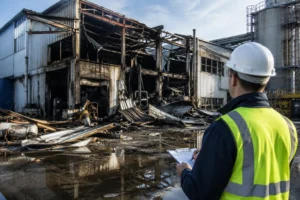

Roof damage is not always discovered during an insurance inspection. Sometimes hail impacts, wind damage, or flashing failures are overlooked, and homeowners only learn about the problem after a contractor performs a more detailed evaluation. If you’re wondering what to do if insurance missed roof damage, acting quickly can make a significant difference. Fortunately, several options may still be available, even after an inspection has been completed.
Understanding Why Roof Damage Gets Missed
Many homeowners assume that an insurance inspection will identify every damaged component. However, inspections are often performed under time constraints, especially after major storms. As a result, some forms of damage may not be fully documented.
High Claim Volume After Major Storms
Following severe hailstorms, hurricanes, or wind events, insurance companies may receive thousands of claims within a short period. When claim volume increases dramatically:
- Inspection times may be shortened
- Roof access may be limited
- Certain areas may receive less attention
- Documentation may be incomplete
Although experienced adjusters work hard to evaluate losses accurately, some damage can still be missed when large numbers of inspections are being conducted.
Not All Roof Damage Is Obvious
Certain types of roof damage are easy to identify. Missing shingles, broken flashing, and visible leaks typically attract immediate attention. However, other forms of damage are much harder to detect. For example:
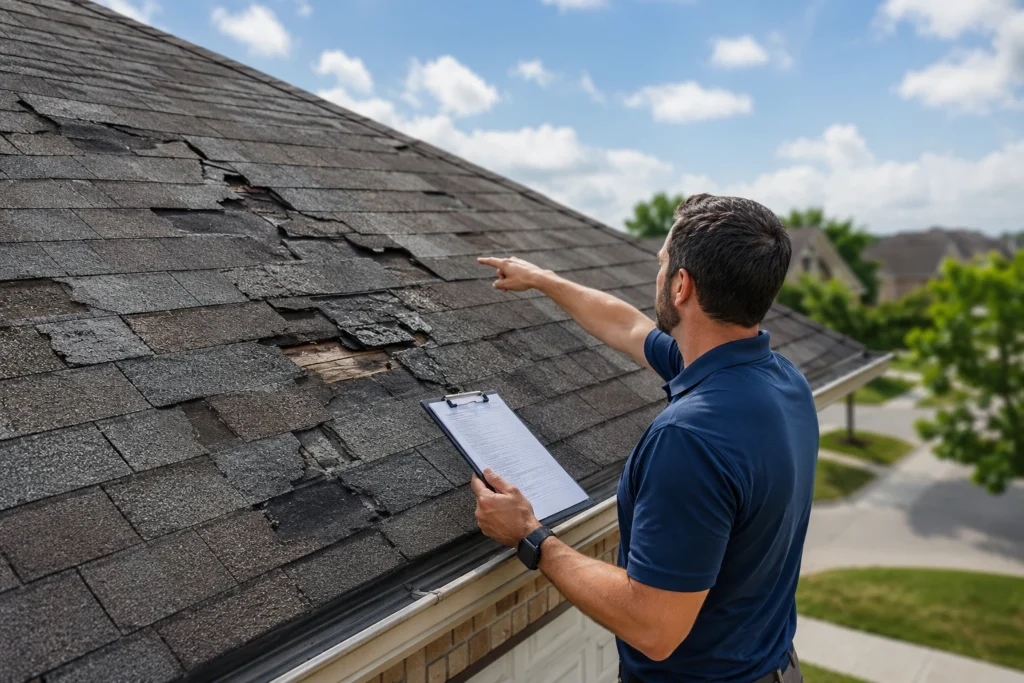
- Hail bruising may be hidden beneath granules
- Wind damage can weaken shingles without tearing them away
- Seal failures may not be visible from the ground
- Small punctures can remain unnoticed for months
Because these issues are often subtle, additional inspections are sometimes requested after contractors discover new findings.
Inspection Limitations
Not every inspection involves a comprehensive roof evaluation. In some situations, inspections may rely on:
- Ground observations
- Drone photography
- Limited roof access
- Safety restrictions
Common Types of Roof Damage Insurance Companies Miss
Knowing what damage is commonly overlooked can help homeowners identify potential problems before they become more expensive.

Hail Damage
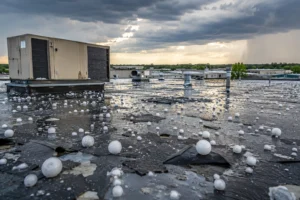
Unlike missing shingles, hail impacts often leave subtle evidence that requires close inspection. Common signs include:
- Granule loss
- Surface bruising
- Fractured shingles
- Circular impact marks
Wind Damage
Strong winds can compromise a roof without creating dramatic visual damage. Common examples include:
- Lifted shingles
- Creased shingle tabs
- Broken adhesive seals
- Loosened roofing materials
Initially, these problems may appear minor. However, future storms can worsen the damage and lead to costly repairs.
Flashing Damage
Flashing protects vulnerable areas where roofing materials meet other structures. Important flashing locations include:
- Chimneys
- Valleys
- Skylights
- Plumbing penetrations
Roof Vent Damage
Damaged components may include:
- Ridge vents
- Turbine vents
- Exhaust vents
- Static vents
Because these components are smaller than the roofing system itself, they may not always receive detailed attention during an inspection.
Collateral Damage Indicators
Interestingly, some of the strongest evidence of roof damage may appear elsewhere on the property. Inspectors often evaluate:
- Gutters
- Downspouts
- Window screens
- Soft metals
- Air conditioning fins
Damage to these items can support findings that hail or wind impacts affected the roof as well.
Interior Damage Linked to Roof Problems
In some cases, the first warning sign appears inside the home. Watch for:
- Ceiling stains
- Peeling paint
- Damp insulation
- Mold growth
- Attic moisture
Warning Signs Your Roof Claim May Be Incomplete
Not every insurance estimate tells the complete story. Therefore, homeowners should carefully review all claim documents and contractor findings.
Contractor Findings Exceed Insurance Scope
One of the most common warning signs occurs when a contractor identifies substantially more damage than the insurance estimate includes. While minor differences are normal, major discrepancies deserve closer examination.
Missing Roofing Components
Review your estimate carefully. Look for omitted items such as:
- Ridge caps
- Flashing
- Drip edge
- Vent replacements
- Underlayment
Missing components can significantly affect repair costs and project quality.
New Damage Found During Repairs
Additional damage is often discovered after roofing work begins.
Examples include:
- Hidden water damage
- Damaged decking
- Structural concerns
- Additional storm impacts
In many situations, supplemental claims can be submitted when new damage is uncovered.
Ongoing Leaks After Settlement
If leaks continue after repairs have been completed, further investigation may be necessary. Persistent water intrusion can indicate that important damage was missed during the initial evaluation.
What to Do Immediately After Discovering Missed Roof Damage
Once additional damage is discovered, quick action becomes important.
Document Everything
First, gather evidence. Take:
- Wide-angle photographs
- Close-up images
- Videos
- Date-stamped documentation
The more evidence collected, the stronger your position becomes.
Request Detailed Contractor Documentation
Next, obtain written findings from your contractor. Helpful documentation includes:
- Inspection reports
- Repair recommendations
- Damage photographs
- Itemized estimates
Detailed reports can provide valuable support during claim discussions.
Review the Insurance Estimate Carefully
Compare the insurance estimate line by line against contractor findings. In some ways, this process resembles Bayesian inference where stronger conclusions are reached as additional evidence becomes available. As more photographs, inspection reports, and contractor findings are gathered, homeowners can build a clearer picture of the full extent of the damage. Compare the insurance estimate line by line against contractor findings. Pay close attention to:
| Insurance Estimate | Contractor Estimate |
|---|---|
| Included repairs | Included repairs |
| Material quantities | Material quantities |
| Labor costs | Labor costs |
| Damaged components | Damaged components |
| Replacement recommendations | Replacement recommendations |
Organize Your Claim Records
Good documentation can be extremely valuable later. Maintain copies of:
- Inspection reports
- Correspondence
- Estimates
- Photographs
- Weather records
Keeping records organized creates a system where each piece of evidence supports another, similar to concepts explored in topology, a branch of mathematics focused on relationships and structures.
How to Challenge an Incomplete Roof Damage Assessment
After collecting evidence, homeowners can begin addressing discrepancies with the insurance company.
Contact the Insurance Company
Start by presenting your findings clearly and professionally. Explain:
- What additional damage was discovered
- Why you believe it was overlooked
- What evidence supports your position
Documentation should remain the primary focus.
Request a Reinspection
Many insurers allow reinspection when new evidence is provided. A second inspection may involve:
- Another field adjuster
- A supervisor
- An engineer
- Additional specialists
Fresh evaluations can sometimes lead to different conclusions.
Submit Additional Evidence
Provide:
- Contractor reports
- Photographs
- Repair estimates
- Weather information
- Supporting documentation
Strong evidence often leads to stronger discussions.
Keep Communication in Writing
Whenever possible, communicate through email or maintain written records of phone conversations. This helps establish:
- Timelines
- Requests
- Responses
- Agreements
When Reinspection Does Not Solve the Problem
For many homeowners, discovering additional roof damage after an inspection raises another important question: How to Fight a Low Insurance Settlement. When the insurer’s estimate fails to account for all covered damage, property owners may need to gather additional documentation, request further review, and explore dispute-resolution options to pursue a more accurate assessment of their loss. Common disagreements often involve:
- Scope of repairs
- Replacement versus repair decisions
- Pricing differences
- Cause-of-loss determinations
Understanding the Insurance Appraisal Process
When homeowners continue facing disagreements after reinspection and supplemental submissions, another option may become available. Many property insurance policies include an appraisal clause that allows disputes regarding the amount of loss to be resolved without filing a lawsuit. Although the process varies by policy, it is frequently used when homeowners and insurers cannot agree on repair costs, replacement needs, or the scope of damage.
What Is an Appraisal Clause?
An appraisal clause is a policy provision that establishes a formal method for resolving valuation disputes. Generally:
- The homeowner selects an appraiser.
- The insurance company selects its own appraiser.
- Both appraisers evaluate the loss.
- If disagreements remain, an umpire may be selected.
- A decision is ultimately reached regarding the amount of loss.
While policy interpretation issues may still require separate consideration, valuation disputes can often be addressed through appraisal.
How Appraisal Helps Resolve Roof Damage Disputes
Roof claims frequently involve disagreements about:
- The number of damaged shingles
- Repair versus replacement requirements
- Material pricing
- Labor costs
- Scope of repairs
Through appraisal, additional evidence can be reviewed and competing estimates can be evaluated more thoroughly.
Consequently, appraisal is often viewed as an alternative to lengthy litigation.
The Role of the Appraiser
An insurance appraiser serves as an independent evaluator of the loss. Their responsibilities may include:
- Reviewing estimates
- Examining photographs
- Inspecting the property
- Evaluating repair scopes
- Assessing replacement costs
The goal is to establish a fair valuation based on available evidence.
The Role of the Umpire
When appraisers disagree, an umpire may become involved. The umpire’s role is not to represent either party. Instead, disputed issues are reviewed and a decision is rendered when necessary. As a result, appraisal can create a structured framework for resolving disagreements.
When Hiring an Insurance Appraiser Makes Sense
Not every roof claim requires professional representation. However, certain situations often justify additional expertise.
Large Roof Claims
As claim values increase, the financial impact of missed damage grows as well. A seemingly small omission may translate into thousands of dollars in additional repairs. Therefore, larger claims often receive closer scrutiny.
Extensive Hail Damage
Hail claims are among the most disputed property insurance losses. Common disagreements involve:
- Number of impacts
- Severity of damage
- Repairability
- Replacement necessity
Because hail damage can be difficult to identify, independent evaluation is often sought.
Significant Estimate Differences
When contractor estimates differ substantially from insurance estimates, further investigation may be warranted.
Large gaps frequently indicate:
- Missing items
- Pricing discrepancies
- Scope disagreements
These differences should not be ignored.
Multiple Structures Affected
Properties with detached garages, workshops, sheds, or additional structures can create more complex claims. The more structures involved, the greater the possibility that certain damage was overlooked.
Long-Running Disputes
Sometimes claim discussions continue for months without meaningful progress. In these situations, professional guidance is often pursued to help move the process forward.
How to Strengthen Your Position Before Appraisal
Preparation matters. The stronger your documentation, the stronger your position becomes.
Obtain Independent Roof Evaluations
Independent inspections can provide valuable perspectives. Request detailed reports that include:
- Photographs
- Damage descriptions
- Repair recommendations
- Replacement explanations
Comprehensive documentation is often appreciated during claim reviews.
Gather Extensive Photographic Evidence
Photographs should be taken from multiple angles whenever possible. Focus on:
- Damaged shingles
- Flashing issues
- Vent damage
- Interior water stains
- Collateral damage
Clear images help support factual discussions.
Preserve Physical Evidence
When feasible, damaged materials should be retained. Examples include:
- Shingles
- Flashing sections
- Vent components
- Gutters
Physical evidence can sometimes strengthen damage evaluations.
Understand Policy Language
Many homeowners never review their insurance policy in detail. However, understanding key provisions can be extremely helpful. Pay particular attention to:
- Coverage terms
- Exclusions
- Deductibles
- Appraisal clauses
- Time limitations
Consequently, fewer surprises are encountered during the dispute process.
Maintain Organized Records
Every document should be retained. Important records include:
- Claim correspondence
- Estimates
- Inspection reports
- Repair invoices
- Photographs
Well-organized files make information easier to access when questions arise.
Common Mistakes Homeowners Make After Roof Damage Is Missed
Even strong claims can be weakened by avoidable mistakes. Fortunately, many of these errors can be prevented.
Accepting the First Settlement Too Quickly
Many homeowners assume the initial payment is final. However, additional damage may be discovered later. Before accepting conclusions, estimates should be reviewed carefully and independently.
Failing to Obtain Independent Inspections
Relying solely on one inspection can limit available information.
Waiting Too Long to Act
Time can complicate claim disputes. Memories fade. Evidence deteriorates. Documentation becomes harder to obtain. Therefore, prompt action is usually beneficial.
Inadequate Documentation
One of the most common weaknesses involves poor recordkeeping. Without photographs, reports, and written communication, disputes become more difficult to support.
Completing Repairs Before Documentation
Emergency repairs may be necessary to prevent further damage.
Ignoring Available Policy Rights
Many policyholders are unaware that appraisal rights may exist within their policy. As a result, valuable options sometimes go unused.
Conclusion
Discovering overlooked roof damage can be frustrating. However, homeowners are not without options. By documenting the damage, obtaining independent evaluations, requesting additional review, and understanding available policy rights, many claim disputes can be addressed more effectively. Furthermore, appraisal may provide a path toward resolving disagreements when negotiations stall. Most importantly, act quickly and stay organized.
FAQs
Gather photos, inspection reports, and a written estimate from the roofer, then submit the information to your insurance company for review.
In many cases, a claim can be revisited if additional covered damage is discovered and properly documented.
High claim volumes, limited inspection time, inaccessible roof areas, and hidden damage can all contribute to missed findings.
Photographs, contractor reports, weather records, and physical evidence of damage can help support your claim.
Yes. An independent inspection can identify damage that may have been overlooked during the original evaluation.
Appraisal is a policy-based dispute resolution method used when the homeowner and insurer disagree on the amount of loss.
Yes. Hail can cause bruising, granule loss, and other subtle damage that may not be obvious during a brief inspection.
Review your policy for available dispute resolution options, including appraisal rights if they apply to your claim.
The timeframe depends on your policy and state regulations, so it is important to review your coverage documents promptly.
It may be beneficial when significant damage appears to have been missed or when there is a large difference between contractor and insurance estimates.