
Tile roofs are among the most durable roofing systems found across Texas. However, when storms cause damage, the insurance claim process can become far more complicated than many property owners expect. As a result, disputes often arise over repair costs, replacement requirements, and the true scope of damage. Consequently, Tile Roof Insurance Appraisal in Texas has become an important tool for resolving disagreements between policyholders and insurance carriers. Unlike standard roofing claims, tile roof losses frequently involve specialized materials, matching concerns, hidden damage, and significant valuation differences. Therefore, understanding how appraisal works can help property owners pursue a fair claim outcome while avoiding unnecessary delays and expenses.
Understanding Tile Roof Systems
Before discussing appraisal, it is important to understand why tile roofs create unique insurance challenges.
Common Types of Tile Roofs Found in Texas
Texas properties utilize several types of tile roofing systems. The most common include:
- Concrete tile
- Clay tile
- Slate tile
- Composite or synthetic tile products
Each system has different installation requirements, replacement costs, and performance characteristics. Luxury homes throughout Central Texas, North Texas, Houston, Austin, San Antonio, and coastal regions frequently feature tile roofing because of its longevity and appearance. However, those same characteristics often create insurance claim complications.
Why Tile Roofs Are More Expensive to Repair
Repairing a tile roof is rarely as simple as replacing a few broken pieces. Several factors contribute to higher claim values:
| Cost Factor | Why It Matters |
|---|---|
| Specialized Labor | Tile installation requires skilled roofers |
| Material Costs | Individual tiles can be expensive |
| Safety Requirements | Additional protection and access equipment may be needed |
| Matching Concerns | Exact replacements may be unavailable |
| Underlayment Exposure | Hidden components may require replacement |
One broken tile may not seem significant. Yet reaching that tile can require removing surrounding tiles without causing additional damage. Consequently, the process takes time, expertise, and careful handling.
The Long Lifespan of Tile Roofs
Many tile roofs remain functional for 40 to 75 years or longer. Ironically, that longevity can create claim disputes. Older roofs may contain discontinued products. Manufacturers may have changed colors, profiles, or production methods. As a result, matching becomes increasingly difficult as roofs age. The result is often disagreement over whether isolated repairs can truly restore the roof to its pre-loss condition.
Why Tile Roof Insurance Claims Often Become Disputed
Few roofing systems generate as many valuation disagreements as tile roofs. The reasons are both technical and financial.
Cosmetic vs Functional Damage
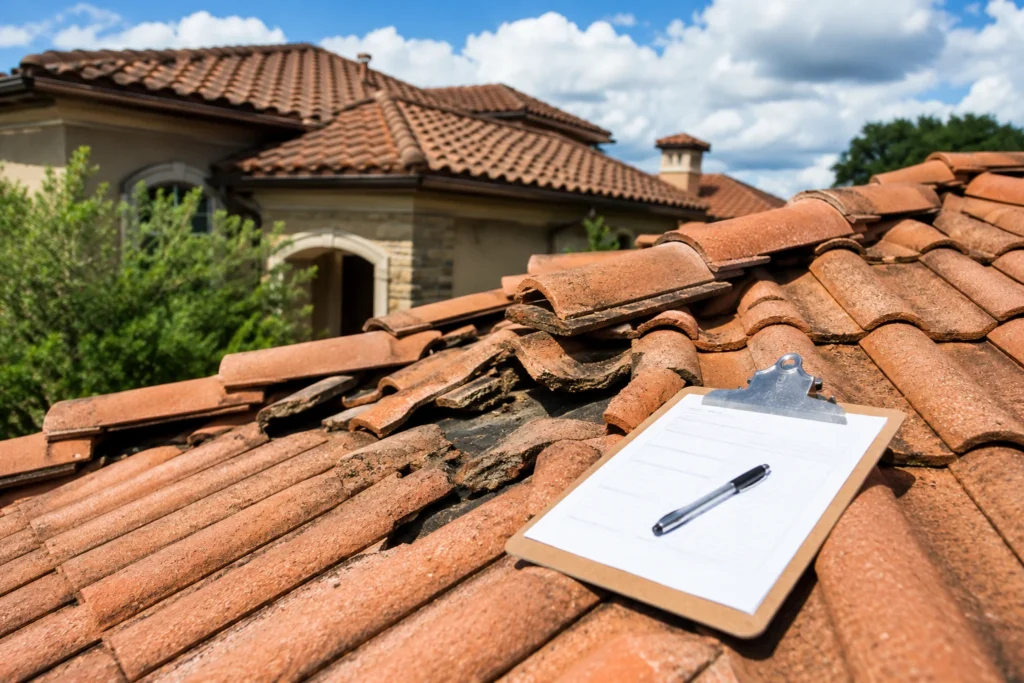
One of the most common disputes involves the nature of the damage itself. Insurance carriers may argue that certain impacts are cosmetic. Property owners and roofing professionals may disagree. For example:
- Surface chipping
- Impact marks
- Minor fractures
- Visible cracking
- Corner breaks
The question becomes whether the damage affects long-term performance. A crack that appears minor today may allow water intrusion months or years later. Therefore, determining whether damage is merely cosmetic or functionally significant often becomes a major point of contention.
Broken, Cracked, and Displaced Tiles
Texas weather creates numerous opportunities for tile damage. Common causes include:
- Hailstorms
- Windstorms
- Falling tree limbs
- Debris impacts
- Foot traffic during inspections
Tile systems distribute loads differently than shingles. Damage can be isolated, widespread, or hidden beneath visible surfaces. Consequently, differing opinions regarding the scope of necessary repairs frequently emerge.
Matching Issues After Partial Repairs
Matching is one of the biggest challenges in tile roof claims. A carrier may approve replacement of damaged tiles only. However, obtaining identical replacements may be impossible. Potential problems include:
- Discontinued products
- Manufacturing changes
- Color fading
- Different profiles
- Weathered appearance
When replacement materials fail to match existing materials, disputes often arise regarding whether larger replacement areas are required.
Underlayment Damage Beneath the Tile
Many people focus solely on visible tiles. However, the underlayment beneath the tile may actually be more important. Tile roofs shed water, but underlayment provides critical waterproof protection. Storm events can damage:
- Underlayment systems
- Fasteners
- Battens
- Flashing
- Structural components
Because these elements are hidden, they may not be fully evaluated during an initial inspection.
Unique Challenges in Texas Tile Roof Claims
Texas weather is not gentle. From Gulf Coast hurricanes to North Texas hailstorms, roofing systems face significant exposure throughout the year.
Hailstorms and Tile Roofing
Hail remains one of the leading causes of tile roof claims. Damage patterns often include:
- Impact fractures
- Surface spalling
- Corner breaks
- Hairline cracks
- Granular displacement on coated products
Some impacts are obvious. Others require close inspection. Determining the true extent of hail damage often becomes one of the central issues addressed during a Tile Roof Insurance Appraisal in Texas.
Windstorm Damage to Tile Roofs
Strong winds can affect tile systems in several ways. Potential damage includes:
- Lifted tiles
- Broken fasteners
- Displaced roofing sections
- Sliding tiles
- Broken ridge caps
Even when damage appears localized, movement can affect adjacent components. As a result, repair scope and project costs often increase significantly.
Severe Weather Across Texas
Different regions experience different threats.
| Texas Region | Common Roofing Threats |
|---|---|
| North Texas | Large hail events |
| Central Texas | Wind and hail |
| Gulf Coast | Hurricanes and tropical storms |
| West Texas | High winds and severe weather |
| South Texas | Tropical systems and wind damage |
These regional risks contribute to claim frequency and dispute potential.
Code Upgrade Requirements
Building codes change over time. When repairs are performed, additional work may be required to meet current standards. Potential upgrades include:
- Enhanced fastening systems
- Updated underlayment requirements
- Improved flashing installations
- Wind-resistance improvements
These costs can significantly affect claim values. Yet they are not always included in the initial estimate.
When Insurance Companies and Property Owners Disagree
Not every claim dispute involves bad faith or improper conduct. Instead, many disagreements simply involve different professional opinions.
Scope of Damage Disputes
Scope refers to what must be repaired or replaced. Common disagreements include:
- Number of damaged tiles
- Extent of storm impacts
- Underlayment involvement
- Repairability of affected areas
- Need for full replacement
A contractor may identify 150 damaged tiles. Meanwhile, an adjuster may identify only 25. Consequently, the resulting estimate difference can be substantial.
Pricing Disputes
Even when parties agree on scope, pricing may vary dramatically. Differences often involve:
- Labor rates
- Material pricing
- Equipment requirements
- Safety costs
- Disposal fees
High-end tile roofs can magnify these valuation gaps.
Engineering Opinions vs Roofing Opinions
Another frequent source of conflict involves competing expert opinions. Engineers may focus on causation. Roofing contractors may focus on repairability. Both perspectives can be valuable. In some complex claims, experts may perform a detailed fractography analysis to evaluate crack patterns and determine whether tile damage resulted from hail impacts, mechanical forces, or long-term deterioration. However, differing conclusions often create significant claim disputes that eventually lead to appraisal.
Partial Replacement Disagreements
This issue appears repeatedly in Texas tile roof claims. Questions often include:
- Can damaged sections be repaired?
- Are matching materials available?
- Will repairs restore functionality?
- Does replacement provide a better solution?
While this article focuses on tile roofing systems, many of the same valuation issues appear in other property claims as well. In fact, professionals who regularly handle How to Fight a Low Insurance Settlement often encounter similar disputes involving repairability, hidden damage, material availability, and disagreements regarding the proper scope of repairs. When parties cannot agree, appraisal may offer a structured process for resolving valuation differences.
What Is Insurance Appraisal?
Many policyholders have never heard of appraisal until a dispute arises. Yet appraisal clauses have existed in insurance policies for decades.
The Purpose of the Appraisal Clause
The appraisal clause provides a mechanism for resolving disputes involving the amount of loss. Rather than immediately pursuing litigation, the parties can use a structured valuation process. The goal is straightforward. Determine a fair value for the claimed damage.
How the Appraisal Process Works
Once appraisal is invoked, both parties follow a structured process designed to determine the amount of loss. Although every claim has unique circumstances, the process generally follows the same path.
Demand for Appraisal
The process begins when one party formally demands appraisal under the insurance policy. This demand typically occurs after negotiations stall and both sides remain far apart on value. Importantly, appraisal is not designed to determine whether coverage exists. Instead, it focuses on determining the value of covered damage.
Selection of Appraisers
Each side selects its own appraiser. The policyholder chooses one appraiser. The insurance company chooses another. These appraisers independently evaluate the loss and review documentation, photographs, estimates, inspections, and supporting evidence.
Appointment of an Umpire
If the appraisers cannot reach an agreement, they select an umpire. The umpire serves as a neutral third party. When disagreements remain unresolved, the umpire reviews the evidence and helps determine the final award.
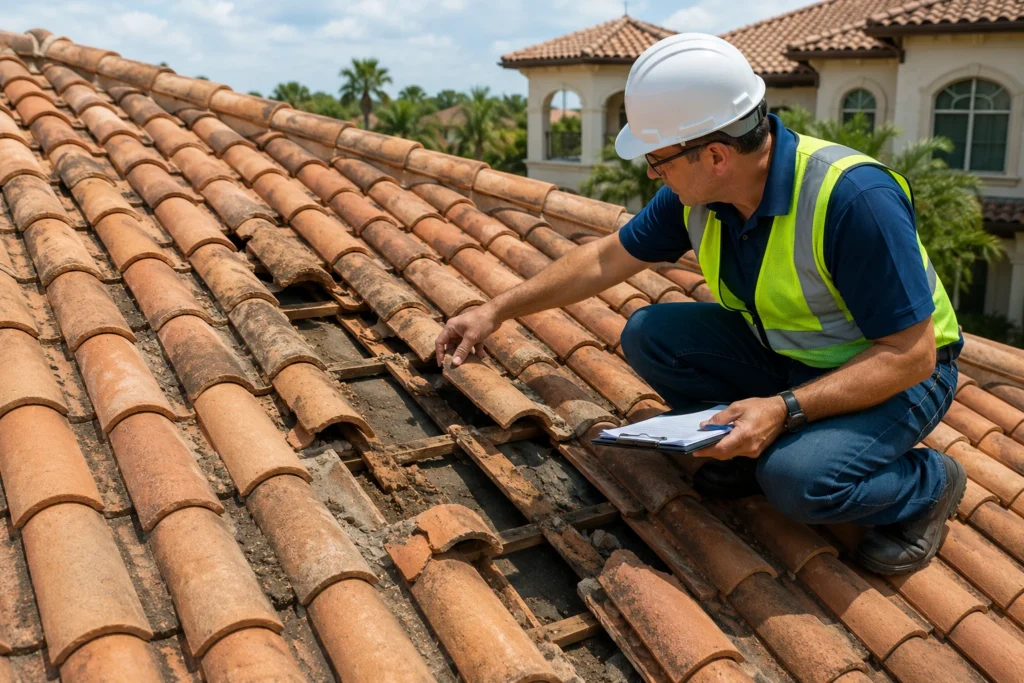
Inspection and Evaluation
The appraisal team may inspect the property. During the inspection, they often evaluate:
- Damaged tiles
- Roof slopes
- Matching concerns
- Underlayment conditions
- Flashing systems
- Accessory components
- Code compliance issues
The goal is to determine an accurate and complete scope of damage.
Appraisal Award
Once a value is agreed upon by any two members of the appraisal panel, an award is issued. In many Texas claims, this award becomes binding regarding the amount of loss. As a result, appraisal often resolves disputes that would otherwise continue for months or even years.
Why Tile Roof Claims Are Well-Suited for Appraisal
Not every insurance dispute benefits equally from appraisal. However, tile roof claims often fit the process exceptionally well.
High-Dollar Valuation Differences
Tile roof claims can involve substantial financial differences. For example:
| Disputed Issue | Potential Impact |
|---|---|
| Tile replacement quantity | Thousands of dollars |
| Matching requirements | Tens of thousands of dollars |
| Underlayment replacement | Significant added cost |
| Code upgrades | Major valuation increases |
| Labor requirements | Large estimate variations |
When estimates differ dramatically, appraisal provides a practical method for evaluating the true amount of loss.
Technical Roofing Disputes
Tile roofing systems are highly specialized. Consequently, disagreements often involve technical construction issues rather than simple pricing differences. Questions frequently include:
- Is the roof repairable?
- Are matching materials available?
- Has underlayment been compromised?
- Will repairs restore functionality?
These are exactly the types of issues appraisal professionals evaluate regularly.
Material Matching Concerns
Matching remains one of the most common drivers of appraisal demands. A roof may contain materials that are no longer manufactured. Alternatively, years of weather exposure may create noticeable color variation. In either situation, the dispute often extends beyond simple tile replacement and moves into broader valuation considerations.
Hidden Damage Considerations
Visible damage rarely tells the entire story. Storm events may affect:
- Fasteners
- Battens
- Flashing
- Underlayment
- Ventilation components
Consequently, appraisal inspections often uncover issues that were not fully included in the original estimate.
Evidence That Strengthens a Tile Roof Appraisal
Strong documentation often leads to stronger appraisal outcomes. Property owners should gather as much relevant evidence as possible.
Professional Roofing Inspections
Detailed inspections frequently provide the foundation for successful appraisal presentations. Roofing professionals can identify:
- Fractured tiles
- Impact damage
- Underlayment concerns
- Repairability issues
- Matching challenges
The more detailed the inspection, the stronger the supporting documentation becomes.
Photographic Documentation
Photos help establish the condition of the roof. Useful photographs include:
- Close-up damage images
- Wide-angle roof views
- Storm-related impacts
- Interior water damage
- Accessory component damage
Clear visual evidence often supports disputed scope items.
Contractor Estimates
Comprehensive contractor estimates can provide valuable insight. Strong estimates typically include:
- Material quantities
- Labor requirements
- Code-related items
- Safety measures
- Disposal costs
Detailed estimates help appraisers understand the full scope of work.
Manufacturer Documentation
Manufacturers can sometimes verify whether replacement tiles remain available. Documentation may include:
- Product discontinuation notices
- Matching limitations
- Technical specifications
- Installation requirements
These records can become important evidence during appraisal.
Engineering Reports
Some claims require additional technical evaluation. Engineers may assess:
- Storm causation
- Structural concerns
- Installation issues
- Damage mechanisms
Large commercial and luxury residential properties sometimes utilize aerial imaging and photogrammetry to document roof conditions and generate highly accurate measurements during claim evaluations.
Common Components Often Overlooked in Tile Roof Estimates
Many claim disputes arise because important components are missing from the original estimate. The following items are frequently overlooked:
| Component | Why It Matters |
|---|---|
| Underlayment | Primary waterproof barrier |
| Flashing | Prevents water intrusion |
| Ridge Tile | Specialized installation requirements |
| Hip Tile | Additional labor and materials |
| Fasteners | Critical for wind resistance |
| Battens | Supports tile installation |
| Valley Metal | Protects high-flow drainage areas |
| Vent Components | Maintains proper roof performance |
| Permit Fees | Often required by local jurisdictions |
| Debris Removal | Necessary project expense |
Even a few omitted items can significantly affect claim value.
The Role of an Insurance Appraiser in Tile Roof Claims
An experienced appraiser does much more than review numbers.
Independent Evaluation of Damage
Appraisers assess the loss independently. Their goal is to identify damage objectively and evaluate the true amount of loss.
Accurate Scope Development
A complete scope of repairs is critical. Appraisers review:
- Roofing systems
- Supporting components
- Hidden damage
- Code requirements
- Repair feasibility
This process helps ensure the claim reflects the actual work required.
Valuation Expertise
Pricing accuracy matters. Experienced appraisers understand:
- Labor markets
- Material pricing
- Construction methods
- Regional cost differences
As a result, they can evaluate whether estimates accurately reflect local conditions.
Negotiating Through the Appraisal Process
Appraisers communicate directly with opposing appraisers and, when necessary, the umpire. This collaborative process often helps narrow disagreements and move the claim toward resolution.
Benefits of Appraisal Compared to Litigation
Many property owners assume litigation is the next step after a dispute. However, appraisal often offers meaningful advantages.
Faster Resolution
Court cases can take years. Appraisal frequently resolves valuation disputes much faster.
Lower Costs
Litigation can become expensive. Appraisal generally involves fewer costs and less procedural complexity.
Reduced Stress
Most property owners simply want their claim resolved fairly. Appraisal often provides a more focused and efficient path forward.
Focus on Property Damage Valuation
Rather than litigating every issue, appraisal concentrates on determining the amount of loss. This narrower focus can streamline the process considerably.
Often Leads to Final Claim Resolution
Once an award is issued, many disputes move toward conclusion. Consequently, both sides gain greater certainty regarding claim value.
When Texas Property Owners Should Consider Appraisal
Appraisal is not appropriate for every claim. However, several situations frequently justify consideration.
Large Differences Between Estimates
If repair estimates differ dramatically, appraisal may help bridge the gap.
Tile Roof Replacement Disputes
Repair-versus-replacement disagreements are among the most common reasons appraisal is requested.
Matching Disagreements
When matching materials are unavailable, appraisal can help determine the financial impact.
Underpaid Insurance Claims
Policyholders who believe significant damage has been undervalued often explore appraisal as a potential solution.
Stalled Claim Negotiations
If discussions have reached an impasse, appraisal may provide a structured path toward resolution.
Conclusion
Ultimately, tile roof claims often involve complex valuation questions, matching concerns, hidden damage, and significant financial stakes. Consequently, disagreements between policyholders and insurance companies are not uncommon. However, Tile Roof Insurance Appraisal in Texas can provide an effective way to resolve those disputes without lengthy litigation. By presenting strong evidence, documenting the full scope of damage, and utilizing experienced appraisal professionals, property owners can pursue a more accurate and equitable claim outcome. Therefore, when negotiations stall and major valuation differences remain, appraisal may be one of the most effective tools available for reaching a fair resolution.
FAQs
Tile Roof Insurance Appraisal in Texas is a process used to resolve disputes over the value of a property insurance claim when the policyholder and insurance company cannot agree on the amount of loss.
Appraisal may be worth considering when claim negotiations stall, estimates differ significantly, or there is disagreement about the scope and cost of repairs.
Generally, appraisal focuses on the amount of loss rather than coverage questions. Coverage decisions are typically handled separately under the policy terms.
Tile roofs often involve specialized materials, matching concerns, hidden damage, and higher repair costs, which can create larger valuation disputes.
Yes. Even when visible damage appears limited, hail impacts can affect underlayment, fasteners, flashing, and other components beneath the tile surface.
When matching materials cannot be obtained, disputes may arise regarding whether larger sections or the entire roof should be replaced to restore uniformity.
The timeline varies depending on the complexity of the claim and the level of disagreement, but appraisal is often faster than litigation.
Professional inspections, photographs, contractor estimates, engineering reports, and manufacturer documentation can all strengthen an appraisal case.
They can be if storm damage affects those components. However, these items are sometimes overlooked during initial claim evaluations and may require further review.
In many cases, yes. Appraisal is typically more focused and efficient, making it a less costly option for resolving valuation disputes than prolonged litigation.