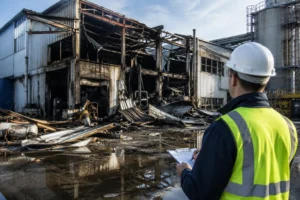

At first glance, two insurance claims with similar damage should produce similar estimates. However, that is not always the case. In fact, Why Xactimate Estimates Differ by ZIP Code is one of the most common questions property owners ask after reviewing a claim estimate. While the damage may appear identical, local labor rates, material costs, contractor availability, and market conditions can create substantial pricing differences. Therefore, understanding these factors can help property owners evaluate estimates more effectively and identify potential issues before they become disputes.
What Is Xactimate?
Before discussing ZIP code pricing, it helps to understand the role Xactimate plays in the claims process. Xactimate is one of the most widely used estimating platforms in the property insurance industry. It helps calculate repair and replacement costs for residential and commercial property damage. Because it contains thousands of construction-related pricing items, it has become a standard tool for estimating losses. Insurance carriers use it. Independent adjusters use it. Contractors use it. Insurance appraisers use it. The software contains pricing for:
- Roofing materials
- Drywall replacement
- Painting
- Flooring installation
- Plumbing repairs
- Electrical work
- Demolition
- Debris removal
Most importantly, each line item uses pricing tied to a specific geographic area. As a result, the same repair may produce a different estimate in another ZIP code.
Why Insurance Companies Rely on Xactimate
Insurance companies process thousands of claims annually. Therefore, consistency is important. Instead of allowing every adjuster to create estimates independently, carriers often rely on Xactimate to provide a standardized framework. Consequently, estimates can be produced more efficiently and compared more easily across claims. Insurance companies use Xactimate to:
- Improve consistency
- Streamline claim handling
- Apply location-based pricing
- Support estimate documentation
However, while consistency is valuable, it does not guarantee perfect accuracy. As a result, pricing disagreements sometimes occur.
How Xactimate Pricing Databases Work
Many property owners assume Xactimate uses a single national pricing list. However, that is not how the system works. Instead, Xactimate develops pricing based on local market research. Because construction costs vary across regions, localized pricing becomes essential.
Local Market Data Collection
To build pricing databases, Xactimate gathers information from various industry sources.
| Pricing Source | Information Collected |
|---|---|
| Suppliers | Material costs |
| Contractors | Labor rates |
| Equipment Vendors | Rental pricing |
| Construction Firms | Market trends |
| Industry Data Sources | Regional cost data |
As pricing data is collected, it is analyzed to reflect actual market conditions within specific geographic areas.

Monthly Price List Updates
Construction pricing rarely remains static. Material prices increase. Fuel costs fluctuate. Labor availability changes. Therefore, Xactimate regularly updates its pricing databases. Consequently, estimates generated today may differ from estimates prepared several months earlier. This is especially important during periods of inflation or supply chain disruptions. As costs shift, pricing databases attempt to reflect those changes.
Regional Cost Analysis
In addition to collecting pricing information, analysts also study broader economic trends. These factors often include:
- Labor shortages
- Transportation expenses
- Construction demand
- Material availability
- Regional economic conditions
The process of gathering and analyzing construction pricing data is surprisingly complex. In some ways, it resembles the principles of Econometrics, where large datasets are evaluated to identify patterns, relationships, and market trends. As analysts review labor rates, supplier costs, and regional construction activity, pricing databases become more reflective of real-world conditions. Likewise, market pricing may be influenced by factors that create unexpected fluctuations. Analysts often evaluate variables that introduce Stochasticity, meaning outcomes are partially affected by unpredictable events. For example, severe storms, labor shortages, and transportation disruptions can quickly alter local construction costs.
Why ZIP Codes Matter
At its core, the answer to Why Xactimate Estimates Differ by ZIP Code is simple. Construction costs vary by location. Because labor markets, material suppliers, and contractor expenses differ from one area to another, estimates naturally vary as well.
Labor Costs Vary Significantly
Labor is often one of the largest components of any estimate. However, labor costs are not identical across markets. Consider the following comparison:
| Market Type | Typical Labor Cost Trend |
|---|---|
| Large Metro Area | Higher |
| Smaller Community | Lower |
In metropolitan areas, labor costs may increase because of:
- Higher living expenses
- Skilled labor shortages
- Increased demand
- Greater competition
Consequently, estimate totals often rise as labor costs rise.
Material Prices Are Not Universal
Likewise, material prices vary significantly. Many homeowners assume roofing materials cost the same everywhere. However, supplier pricing often differs by region. Several factors influence material pricing:
- Freight costs
- Inventory availability
- Supplier competition
- Local demand
Therefore, even small differences in material pricing can create noticeable estimate variations.
Contractor Operating Costs Matter
Contractors also face different business expenses depending on where they operate. Examples include:
- Commercial insurance
- Fuel expenses
- Licensing requirements
- Employee wages
- Equipment maintenance
As these costs increase, contractors often adjust pricing accordingly. Consequently, local construction markets may produce different repair costs for similar projects.
Real-World Examples of ZIP Code Pricing Differences
The easiest way to understand Why Xactimate Estimates Differ by ZIP Code is through real-world examples.
Roofing Repairs
Imagine two homes with nearly identical hail damage. Both require:
- Shingle removal
- Underlayment replacement
- New shingles
- Ridge cap installation
Even so, the final estimates may differ substantially. Why? Because labor costs, material availability, and contractor demand may vary between ZIP codes. Therefore, repair pricing often reflects those local conditions.
Interior Water Damage Repairs
Water damage repairs frequently involve:
- Drywall replacement
- Texture matching
- Interior painting
- Baseboard installation
In markets where restoration contractors are in high demand, labor rates may increase. Consequently, estimates may be significantly higher than estimates generated in areas with lower demand.
Exterior Restoration Projects
Similarly, exterior restoration projects often include:
- Siding replacement
- Fence repairs
- Gutter replacement
- Window repairs
Because supplier networks and contractor availability differ by region, pricing can vary considerably.
Texas-Specific Factors That Affect Xactimate Pricing
Texas provides an excellent example of how regional pricing differences work. Because Texas is large and economically diverse, construction costs can vary dramatically throughout the state.
Major Metropolitan Areas
Large Texas cities often experience:
- Higher labor demand
- Increased wage pressure
- Greater contractor overhead
- More competition for skilled trades
Examples include:
- Houston
- Dallas-Fort Worth
- Austin
- San Antonio
As a result, estimates generated in these markets may differ significantly from estimates generated elsewhere.
Smaller Markets
Meanwhile, smaller communities may benefit from:
- Lower operating costs
- Reduced overhead
- Different supplier relationships
Many property owners researching Is Insurance Appraisal Legally Binding in Texas? are surprised to learn that pricing can vary dramatically across the state. While one ZIP code may reflect strong contractor competition and stable material pricing, another may experience labor shortages and increased transportation expenses. Therefore, two similar claims may produce very different estimate totals.
Weather Events Change Everything
Texas frequently experiences:
- Hailstorms
- Hurricanes
- Wind events
- Freeze losses
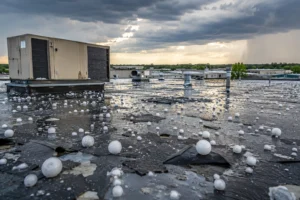
When major weather events occur, demand for repairs often rises rapidly. Consequently, contractors become busier. Likewise, material shortages may develop. As demand increases, pricing often increases as well. Therefore, weather events can significantly influence local estimate pricing and further explain Why Xactimate Estimates Differ by ZIP Code.
Catastrophe Pricing and Temporary Market Changes
While many pricing changes occur gradually, some happen almost overnight. In particular, major storms, hurricanes, hail events, and widespread freeze damage can dramatically affect local construction markets. As thousands of property owners seek repairs simultaneously, demand often exceeds available resources. Consequently, pricing can increase rapidly.
What Happens After a Major Storm?
Following a major weather event, contractors often receive more repair requests than they can immediately handle. As a result, labor availability becomes limited. Common challenges include:
- Labor shortages
- Material shortages
- Equipment demand
- Shipping delays
- Increased transportation costs
Because demand rises so quickly, repair costs often increase as well. Therefore, estimates generated after a catastrophe may differ significantly from estimates prepared before the event.
Understanding CAT Price Lists
In some situations, Xactimate publishes catastrophe, or CAT, pricing. CAT pricing is designed to reflect temporary market conditions created by large-scale losses. Accordingly, pricing may be adjusted to account for increased labor costs, material shortages, and elevated contractor demand.
| Standard Conditions | CAT Conditions |
|---|---|
| Stable labor rates | Higher labor rates |
| Normal material supply | Material shortages |
| Standard contractor availability | Increased demand |
| Predictable scheduling | Longer project delays |
Therefore, CAT pricing can help explain why estimates suddenly increase following major disasters.
Common Reasons Xactimate Estimates May Still Be Inaccurate
Although Xactimate relies on extensive market data, estimates are not automatically perfect. Instead, accuracy depends on proper inputs, complete scope development, and current pricing information.

Wrong ZIP Code Selection
First, the wrong ZIP code can create significant pricing issues. Because pricing is location-specific, selecting the wrong market may cause labor and material costs to be inaccurately applied. Consequently, estimate totals may not reflect actual local conditions.
Outdated Price Lists
Likewise, outdated pricing databases can create problems. Construction costs change constantly. Therefore, estimates built using older price lists may not accurately reflect:
- Current labor rates
- Material pricing
- Supplier costs
- Market demand
As a result, repair values may be either understated or overstated.
Missing Line Items
In many cases, the issue is not pricing at all. Instead, the estimate may be missing necessary repair items. Common omissions include:
- Starter shingles
- Ridge cap
- Drip edge
- Flashing
- Vent replacements
- Debris removal
Consequently, even an estimate with accurate pricing can still undervalue the claim if important components are excluded.
Unique Property Conditions
Furthermore, some properties contain conditions that standard pricing databases cannot fully account for. Examples include:
- Historic homes
- Custom materials
- Difficult access conditions
- Steep roof systems
- Specialty construction methods
Therefore, actual repair costs may differ from standard estimating assumptions.
Why Contractors and Insurance Estimates Often Differ
Property owners frequently notice that contractor estimates are higher than insurance estimates. However, pricing alone is not always the reason.
Different Perspectives
Insurance estimates and contractor estimates serve different purposes. On one hand, adjusters focus on documenting covered damage and applying pricing databases. On the other hand, contractors focus on performing the actual repairs. Consequently, both parties may arrive at different conclusions.
Scope Differences vs. Pricing Differences
More importantly, many disputes involve scope rather than pricing. For example:
| Issue | Potential Impact |
|---|---|
| Missing materials | Increased contractor estimate |
| Additional labor | Higher project costs |
| Code upgrades | Expanded repair costs |
| Hidden damage | Additional repairs required |
Therefore, identifying the true source of the disagreement becomes critical.
Documentation Matters
Fortunately, strong documentation can help clarify many estimate disputes. Helpful documentation includes:
- Photographs
- Measurements
- Contractor proposals
- Supplier quotes
- Building code references
- Inspection reports
As more supporting information becomes available, evaluating disputed pricing becomes much easier.
How Insurance Appraisers Evaluate Pricing Disputes
When disagreements persist, insurance appraisers are often asked to evaluate the loss.
Reviewing the Correct Price List
First, appraisers typically verify:
- ZIP code selection
- Date-of-loss pricing
- Applicable market conditions
- Database accuracy
Because even small errors can affect valuation, these details receive close scrutiny.
Comparing Local Market Conditions
Next, appraisers often review:
- Contractor estimates
- Local labor rates
- Material pricing
- Supplier information
- Project complexity
By comparing multiple data sources, appraisers can better determine whether pricing reflects actual market conditions.
Determining Fair Repair Values
Ultimately, the goal is not to support one side or the other. Instead, the objective is to establish a fair and supportable repair value based on available evidence. Consequently, independent analysis often helps resolve pricing disputes more effectively.
Signs Property Owners Should Question an Estimate
Not every estimate contains problems. However, certain warning signs deserve closer attention.
Large Differences Between Estimates
If several qualified contractors consistently produce estimates that differ substantially from the carrier estimate, further investigation may be appropriate.
Missing Repair Items
Likewise, missing line items can create significant valuation gaps. Pay particular attention to:
- Roofing accessories
- Flashing
- Ventilation components
- Paint preparation
- Waste factors
Questionable Labor Pricing
Additionally, labor rates that appear inconsistent with local market pricing may warrant review.
Post-Storm Market Conditions
Furthermore, estimates prepared after major weather events should reflect current market realities. If they do not, pricing concerns may exist.
What Property Owners Can Do If They Disagree With Pricing
Fortunately, property owners have several options when pricing disputes arise.
Request Clarification
First, ask questions. Request clarification regarding:
- Pricing selections
- Scope decisions
- Labor assumptions
- Missing line items
Often, misunderstandings can be resolved through communication alone.
Obtain Independent Estimates
Next, obtain contractor proposals. By comparing multiple estimates, property owners can better understand whether pricing concerns exist.
Gather Supporting Documentation
Additionally, collect supporting evidence such as:
- Contractor bids
- Supplier pricing
- Inspection reports
- Photographs
- Code documentation
The stronger the documentation, the easier it becomes to support a position.
Consider the Appraisal Process
If disagreements continue, appraisal may provide an alternative path toward resolution.
The Role of Insurance Appraisal in Pricing Disputes
When both parties agree damage exists but disagree on value, appraisal may become an effective solution.
When Pricing Becomes the Main Issue
Appraisal is often used when disputes involve:
- Repair costs
- Replacement values
- Scope pricing
- Local market conditions
Rather than prolonging the disagreement, both parties can rely on independent evaluation.
How Appraisers Analyze Xactimate Estimates
Typically, appraisers review:
- Pricing databases
- Contractor documentation
- Market conditions
- Scope details
- Date-of-loss information
As a result, they can develop a more comprehensive understanding of the claim.
Benefits of Independent Valuation
Independent appraisal may provide:
- Objective analysis
- Faster dispute resolution
- Reduced conflict
- Better-supported repair values
Therefore, appraisal often serves as an effective method for resolving pricing disagreements without litigation.
Conclusion
Ultimately, Why Xactimate Estimates Differ by ZIP Code comes down to local market conditions. Because labor rates, material costs, contractor availability, and weather-related demand vary by location, estimate pricing varies as well. Therefore, property owners should look beyond the final number and evaluate how the estimate was developed. Moreover, when pricing concerns remain unresolved, additional documentation, professional review, and appraisal may help establish a fair and supportable repair value.
FAQs
Xactimate uses location-specific pricing databases that reflect local labor rates, material costs, and market conditions. As a result, similar repairs may be priced differently in different areas.
Yes. Xactimate typically updates its pricing databases monthly to account for changes in labor costs, material prices, and market conditions.
Yes. Even nearby ZIP codes can have different pricing if local labor markets, supplier networks, or construction demand vary between areas.
The difference may involve pricing, missing line items, additional labor requirements, or repairs the contractor believes are necessary but were not included in the insurance estimate.
A CAT, or catastrophe, price list is used after major disasters when labor and material costs increase because of high demand and limited availability.
Absolutely. Using an incorrect ZIP code may apply pricing that does not accurately reflect local repair costs, potentially impacting the estimate value.
No. Material pricing can vary based on transportation expenses, supplier competition, inventory levels, and regional demand.
Xactimate uses Texas-specific pricing data that varies by ZIP code, reflecting local labor rates, material costs, contractor availability, and market conditions across different regions of the state.
Review the estimate carefully, obtain contractor bids, gather supporting documentation, and request clarification regarding any disputed pricing or scope items.
Yes. Insurance appraisal can provide an independent evaluation of repair costs when both parties disagree on the amount of loss or estimate value.