
Insurance claims rarely become stressful because of paperwork alone. The real tension usually starts when both sides disagree on the value of the damage. That is why many policyholders eventually ask: what happens if appraisers disagree? The short answer is simple. The appraisal process keeps moving. Disagreements are actually built into the system. Appraisal exists specifically because insurance companies and policyholders often see damage differently. One appraiser may believe a roof requires full replacement. The other may insist repairs are enough. The difference can mean thousands sometimes tens of thousands of dollars. Understanding how these disputes work can dramatically reduce confusion during a claim.
Understanding the Role of Insurance Appraisers
Insurance appraisers evaluate the amount of loss tied to a property claim. Their responsibility is not emotional persuasion. Their job is evidence, pricing, and repair scope. They typically review:
- Contractor estimates
- Inspection reports
- Repair pricing
- Photos
- Material costs
- Labor rates
- Building code requirements
- Engineering findings
One appraiser represents the policyholder. The other represents the insurance carrier. That alone creates natural disagreement potential.
Appraisers Do Not Decide Coverage
This is one of the biggest misunderstandings in insurance appraisal. Appraisers usually determine the value of damage, not whether the policy covers the loss itself. For example:
| Issue | Usually Handled in Appraisal? |
|---|---|
| Repair pricing disputes | Yes |
| Scope of repairs | Yes |
| Roof replacement value | Yes |
| Policy exclusions | No |
| Fraud allegations | No |
| Coverage interpretation | No |
Understanding this distinction matters because appraisal cannot solve every insurance dispute.
Why Appraisers Disagree So Often
The question “what happens if appraisers disagree” comes up frequently because disagreements are incredibly common in large property claims. Especially after storms, fires, and major water losses.
Differences in Damage Scope
One appraiser may include:
- Full roof replacement
- Underlayment replacement
- Flashing repairs
- Interior repainting
- Ventilation corrections
The opposing appraiser may only approve limited repairs. That creates an immediate financial gap. Hidden damage makes the situation even more complicated. Moisture behind walls, wet insulation, deteriorated decking, and structural movement are not always visible during initial inspections. Some appraisers estimate conservatively. Others anticipate additional repair requirements. Those approaches create conflict fast.
Pricing Differences
Construction pricing changes constantly. Material inflation. Labor shortages. Regional contractor demand. Storm-related pricing surges. All of these factors influence claim estimates. One contractor may price a roofing project far differently than another contractor in the same city. Common pricing disputes include:
| Repair Item | Common Disagreement |
|---|---|
| Roofing labor | Local market pricing |
| Flooring replacement | Matching materials |
| Interior painting | Full room vs spot repair |
| Electrical work | Code compliance costs |
| Gutters | Replacement vs repair |
Small differences across dozens of line items quickly become major disputes.
Different Interpretations of Evidence
Sometimes the disagreement is not even about pricing. It is about interpretation. One appraiser may classify roof creasing as hail damage. Another may argue it resulted from aging or wear. One side may believe interior staining proves active water intrusion. The other may call it pre-existing damage. That is why documentation matters enormously during appraisal.

What Happens If Appraisers Disagree During Appraisal?
So let’s answer the core question directly: what happens if appraisers disagree? The umpire becomes involved. This is where the appraisal process transitions from negotiation into formal dispute resolution.
The Umpire Acts as the Tie-Breaker
The umpire serves as a neutral third party. When the two appraisers cannot reach agreement, the umpire reviews the disputed items and helps determine the final amount of loss. The umpire may review:
- Estimates
- Contractor reports
- Inspection findings
- Xactimate line items
- Engineering opinions
- Photos
- Code requirements
- Repair invoices
In many cases, the umpire also performs a personal property inspection. That inspection can completely reshape the dispute.
The Two-Out-Of-Three Rule
Most appraisal clauses follow a simple structure. If any two members of the panel agree, the decision becomes binding. That means:
- Policyholder appraiser + umpire = binding award
- Insurance appraiser + umpire = binding award
- Both appraisers together = no umpire decision needed
Unanimous agreement is not required. That is one reason the appraisal process continues functioning even when disagreements become intense.
How Umpires Usually Resolve Disputes
Many homeowners imagine appraisal disagreements turning into dramatic legal battles. Most are far less theatrical. Typically, disputes are resolved line by line.
Item-By-Item Review
Umpires often isolate disputed categories and compare supporting evidence. For example:
| Item | Policyholder Estimate | Carrier Estimate |
|---|---|---|
| Roof replacement | $38,000 | $18,000 |
| Interior repairs | $12,000 | $4,000 |
| Gutters | $4,500 | $1,500 |
The umpire evaluates each section independently. Sometimes the final award lands closer to one estimate. Sometimes it falls somewhere in the middle. And occasionally both appraisers are partially wrong.
Property Inspections Matter Enormously
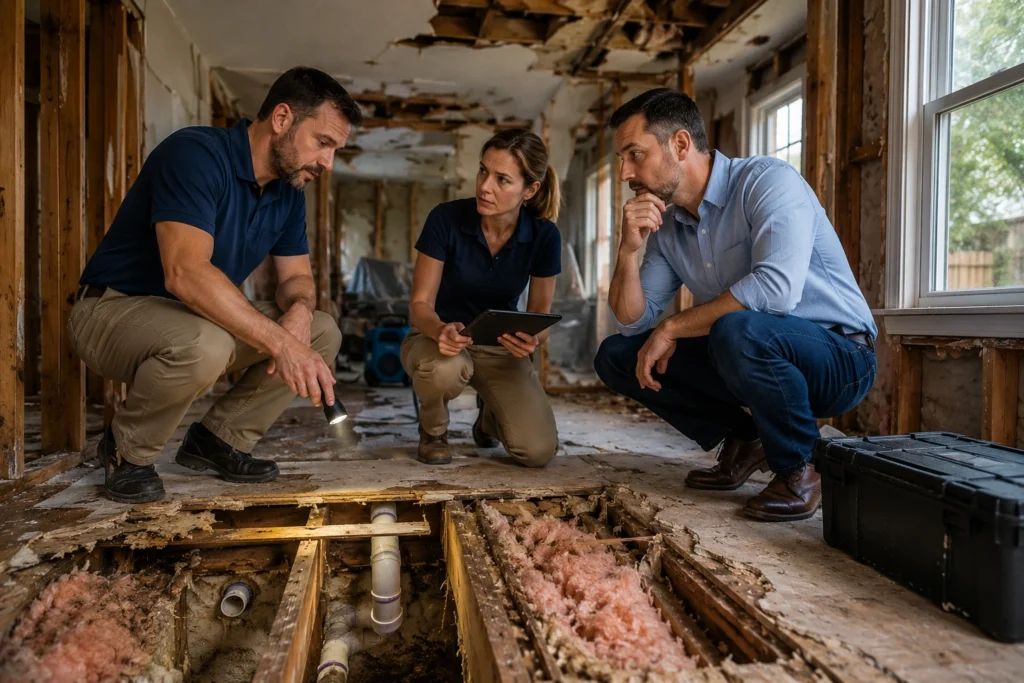
This is where claims can shift dramatically. An umpire inspection may reveal:
- Hidden moisture damage
- Structural movement
- Improper previous repairs
- Additional storm impacts
- Ventilation deficiencies
- Code upgrade requirements
That evidence changes leverage quickly. During large commercial disputes, appraisers sometimes rely on highly detailed documentation methods similar to Photogrammetry when analyzing structural measurements and property conditions.
Common Issues That Trigger Major Appraisal Disputes
Certain types of damage create more conflict than others.
Roof Replacement vs Repair
This is one of the biggest appraisal battlegrounds in Texas. Insurance companies may argue:
- Spot repairs are sufficient
- Damage is cosmetic
- Matching is unnecessary
- Aging contributed to deterioration
Policyholder appraisers may argue:
- Repairs cannot restore system integrity
- Matching laws apply
- Functional damage exists
- Full replacement is required
The financial difference can become enormous.
Hidden Damage
Hidden damage creates some of the fiercest appraisal disputes. Examples include:
- Wet insulation
- Mold growth
- Underlayment failure
- Decking deterioration
- Electrical moisture exposure
These problems often appear after demolition begins. And once new damage appears, supplemental disputes follow quickly.
Building Code Upgrades
Modern building codes complicate claims significantly. Code-related disputes may involve:
- Ice and water shield
- Fire-resistant materials
- Electrical upgrades
- Structural fastening improvements
- Ventilation corrections
One appraiser may include these upgrades. Another may reject them completely. In some highly technical claims, especially involving engineering reports, disagreements can become surprisingly complex and almost feel like a form of Epistemology, where each side debates how evidence itself should be interpreted.
How Long Appraisal Disagreements Usually Last
The timeline depends heavily on claim complexity. Some disputes resolve quickly. Others take months.
Typical Timeline Expectations
| Claim Type | Possible Timeline |
|---|---|
| Minor residential claim | 30–60 days |
| Large roof dispute | 60–120 days |
| Commercial property claim | Several months |
| Complex fire loss | Much longer |
Factors That Slow the Process
Several issues commonly delay appraisal:
- Scheduling inspections
- Waiting on engineering reports
- Contractor estimate revisions
- Umpire availability
- Supplemental damages
- Large documentation reviews
Commercial claims usually take longer because operational losses create additional valuation complexity.
What Policyholders Should Do If Appraisers Disagree
Hearing that appraisers disagree can feel intimidating. But panic rarely improves outcomes.
Stay Organized
Documentation strengthens claims. Keep:
- Photos
- Emails
- Repair estimates
- Temporary repair receipts
- Inspection reports
- Communication records
- Contractor invoices
Strong records improve credibility.
Continue Documenting Damage
Damage evolves over time. Water spreads. Materials deteriorate. Additional problems appear during repairs. Continue taking photos throughout the process.
Avoid Emotional Decision-Making
This part matters more than many homeowners realize. Disagreement does not automatically mean bad faith. Sometimes experienced professionals simply interpret evidence differently. The strongest claims rely on organized documentation, not emotional confrontation.
Work With Qualified Professionals
Experience matters enormously in appraisal. Look for professionals familiar with:
- Local pricing
- Roofing systems
- Water mitigation
- Building code enforcement
- Commercial property claims
- Structural damage evaluation
Experienced appraisers often identify issues others overlook.
Can Appraisers Reach Agreement Before the Umpire Decides?
Yes. And it happens often. Once the umpire reviews evidence, negotiations frequently improve. Partial agreements are common. For example:
- Roofing resolved
- Interior repairs disputed
- Gutters agreed upon
- Code upgrades unresolved
Sometimes the presence of the umpire alone pushes both sides toward compromise. That saves time and money.
What Happens After the Appraisal Award Is Issued?
Once two members of the panel agree, the appraisal award becomes finalized. Then payment discussions begin.
Insurance Company Payment Process
Depending on the policy structure, payments may include:
- Actual cash value
- Supplemental payments
- Recoverable depreciation
- Code upgrade reimbursements
Deductibles still apply. Policy limits still matter.
Remaining Disputes May Still Exist
Even after appraisal, certain disagreements may continue. Examples include:
- Policy exclusions
- Coverage interpretation
- Bad faith allegations
- Late reporting disputes
Appraisal resolves valuation disputes. Not every legal issue tied to the claim.
Mistakes That Hurt Policyholders During Appraisal
Some homeowner decisions unintentionally weaken otherwise strong claims. Avoid these mistakes.
Choosing an Inexperienced Appraiser
Cheap representation can become extremely expensive later. Large claims require expertise.
Ignoring Documentation Requests
Delays hurt credibility. Provide requested documents promptly whenever possible.
Assuming the Insurance Company Is Automatically Correct
Initial estimates are not always complete. Missed damage happens frequently.
Delaying Repairs Too Long
Further deterioration complicates claims. Temporary mitigation helps protect both the property and the claim itself.
Misunderstanding What Appraisal Can Resolve
Appraisal is powerful. But it is limited. It generally resolves amount-of-loss disputes, not every disagreement tied to the policy.
Final Thoughts
So, what happens if appraisers disagree? The appraisal process continues exactly as designed. The umpire reviews the evidence. Disputed items get evaluated. Eventually, two out of the three participants reach agreement and the claim moves forward. Disagreement is not failure. In many ways, it is the entire reason the appraisal system exists. Some disputes remain relatively small. Others become highly technical and financially significant, especially after major storms, fires, or commercial property losses. That is why preparation matters so much. Strong documentation. Organized evidence. Qualified professionals. Realistic expectations. Those things consistently improve outcomes during appraisal disputes. And perhaps most importantly, homeowners should remember this: when appraisers disagree, it does not mean the claim is dead. Very often, it simply means the real negotiation has finally begun.
FAQs
If appraisers disagree, the umpire steps in to review the disputed items and help determine the final amount of loss. Two out of the three participants must agree for the award to become binding.
Not always. Sometimes the two appraisers reach an agreement before the umpire issues a decision.
In most cases, yes. Once two members of the appraisal panel agree, the award is typically binding under the policy terms.
Insurance companies usually must honor a valid appraisal award, although separate coverage disputes may still continue afterward.
Simple residential claims may resolve within weeks, while large commercial or complex losses can take several months.
Absolutely. Newly discovered damage during inspections or repairs can significantly alter the scope and value of the claim.
Roof damage, fire losses, water intrusion, and commercial property claims often produce the largest disagreements because repair costs can vary dramatically.
Yes, homeowners are often present during inspections and may provide documentation, photos, and contractor information to support the claim.
Keep documenting the damage, stay organized, and maintain communication records throughout the process. Strong evidence helps strengthen the claim position.
No. Appraisal usually resolves amount-of-loss disagreements, but coverage disputes and policy interpretation issues may still remain afterward.