
Many homeowners think a closed insurance claim is finished forever. But that is not always true. In many situations, can appraisal reopen a closed insurance claim becomes an important question after hidden damage, low estimates, or incomplete inspections appear later. And in Texas property claims, appraisal is often one of the most powerful tools available for resolving disputes over repair costs. Sometimes the insurance company already paid something. Sometimes the file was marked closed months ago. Yet serious disagreements about the amount of damage still remain. That is where appraisal may step back into the picture. Understanding how appraisal works, when it applies, and what evidence strengthens the process can help homeowners avoid leaving major money on the table.
Understanding What a “Closed” Insurance Claim Really Means
One of the biggest misunderstandings in property insurance is assuming “closed” means legally untouchable. It often does not. Insurance companies close claims for administrative reasons every day. But an internal closure does not automatically erase every policyholder right.
Administrative Closure vs. Final Resolution
These two things are very different. An insurance carrier may close a file because:
- A payment was issued
- The homeowner stopped responding
- The insurer believed repairs were complete
- A partial denial was issued
- The company considered the matter resolved
But disputes involving repair costs, scope of damage, or supplemental findings may still continue afterward. That distinction matters enormously.
Why Claims Become Disputed Later
Storm damage evolves over time. A roof may initially appear repairable. Weeks later, moisture stains develop inside the home. Contractors begin removing shingles and discover rotten decking beneath the surface. Suddenly the original estimate no longer reflects the true repair cost. This is one reason homeowners frequently ask: can appraisal reopen a closed insurance claim after additional damage is discovered? In many cases, the answer may be yes.
What Is the Insurance Appraisal Process?
Appraisal is a dispute-resolution method built directly into many property insurance policies. Its purpose is narrow but powerful. It resolves disagreements about the amount of loss. Not coverage, fraud allegations, liability disputes. Just the financial value and scope of covered damage.
How the Appraisal Process Works
The process usually follows a familiar structure. The homeowner hires an appraiser. The insurance company hires its own appraiser. If those two appraisers cannot agree, an umpire becomes involved. The umpire serves as a neutral third party who helps resolve unresolved disagreements between the appraisers. Once an appraisal award is finalized, the result often becomes binding under the policy.
What Appraisal Usually Decides
| Usually Included | Usually Excluded |
|---|---|
| Repair costs | Coverage disputes |
| Scope of damage | Fraud claims |
| Material pricing | Liability issues |
| Replacement values | Policy cancellation disputes |
| Labor estimates | Intentional damage disputes |
This difference is critical. If the insurer already accepted coverage but underpaid the damage, appraisal may become extremely effective.
Can Appraisal Reopen a Closed Insurance Claim?
Yes, under the right circumstances. Can appraisal reopen a closed insurance claim depends heavily on the policy language, the nature of the dispute, and how much time has passed since closure. Appraisal most commonly reopens disputes involving underpayment rather than outright denials.
Situations Where Appraisal May Reopen a Claim
Appraisal often becomes relevant when:
- Roof damage was underestimated
- Hidden moisture appears later
- Contractors uncover structural problems
- Supplemental repairs become necessary
- Labor or material pricing was too low
- The insurer missed parts of the damage scope
These situations are extremely common after hailstorms and wind losses.
When Appraisal Has the Strongest Chance of Success
Appraisal usually works best when:
- Coverage was already accepted
- The insurer issued partial payment
- Damage is clearly related to the covered event
- The disagreement centers on repair cost or scope
This is why appraisal is often associated with underpaid property claims.
Situations Where Appraisal May Not Work
Appraisal is not unlimited. It may fail when:
- Coverage was completely denied
- The claim involves excluded damage
- Deadlines expired
- Fraud investigations exist
- Lawsuit limitations passed
This is why reviewing the policy carefully becomes so important before pursuing appraisal.
Common Reasons Homeowners Pursue Appraisal After Claim Closure
Most reopened disputes begin with one simple realization. The original estimate was incomplete.
Hidden Damage Appears Later
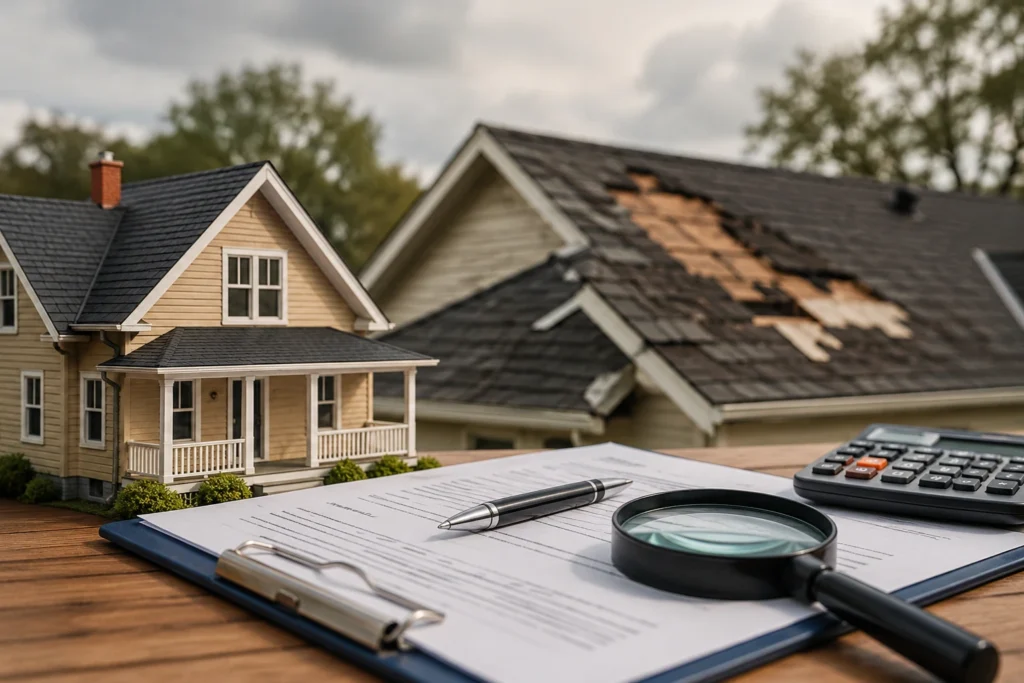
Storm damage is not always immediately visible. Water intrusion can remain hidden inside walls, ceilings, and insulation for weeks before symptoms appear. Common delayed discoveries include:
- Mold growth
- Saturated insulation
- Interior staining
- Soft decking
- Structural deterioration
By that point, the claim file may already be closed. Yet the financial dispute is still very real.
Contractor Findings During Tear-Off
This is one of the biggest triggers for supplemental disputes. Once roofing materials are removed, contractors frequently uncover problems that were impossible to see during the first inspection. Examples include:
- Rotten decking
- Underlayment failure
- Ventilation deficiencies
- Fastener damage
- Water barrier problems
These discoveries often change repair pricing dramatically.
Incomplete Insurance Estimates
Insurance estimates sometimes miss major line items. Not every omission is intentional. Sometimes inspections are rushed after major storms. Sometimes adjusters lack specialized roofing knowledge. Sometimes pricing databases lag behind real-world material costs. Commonly missed items include:
- Flashing
- Ridge vents
- Starter shingles
- Drip edge
- Gutters
- Code-required upgrades
Small omissions quickly become large financial gaps.
How Policy Language Changes Everything
No two appraisal clauses are exactly the same. That is where many homeowners get surprised.
The Appraisal Clause Controls the Process
Some policies allow appraisal long after claim closure. Others impose strict deadlines. Some clauses limit disputes to pricing only. Others allow broader disagreement over scope. Even small wording differences can change the outcome entirely.
Timing Requirements Matter
Waiting too long can seriously weaken a claim. Evidence changes quickly after storms. Roof materials deteriorate. Moisture spreads. Repairs remove visible evidence. That is why fast action often creates stronger appraisal positions.
Texas Insurance Policies and Appraisal
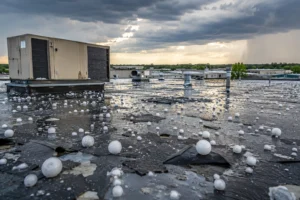
Texas property policies frequently contain appraisal clauses. Especially after major hail events. Large storms create massive inspection volume. Adjusters move quickly. Roofing systems become difficult to evaluate accurately under time pressure. Disputes naturally follow. That is one reason appraisal has become such a major part of Texas property insurance claims.
Evidence That Strengthens a Reopened Claim
Strong evidence creates leverage. Weak documentation weakens it. Simple as that.
The Most Valuable Types of Evidence
| Evidence Type | Why It Matters |
|---|---|
| Contractor reports | Explains repair scope |
| Engineer inspections | Supports structural findings |
| Moisture testing | Identifies hidden damage |
| Photos and videos | Creates visual proof |
| Weather reports | Connects damage to the storm |
| Xactimate estimates | Standardizes pricing |
| Repair invoices | Verifies actual costs |
Organized documentation often changes negotiation power significantly.
Photos Matter More Than Most People Realize
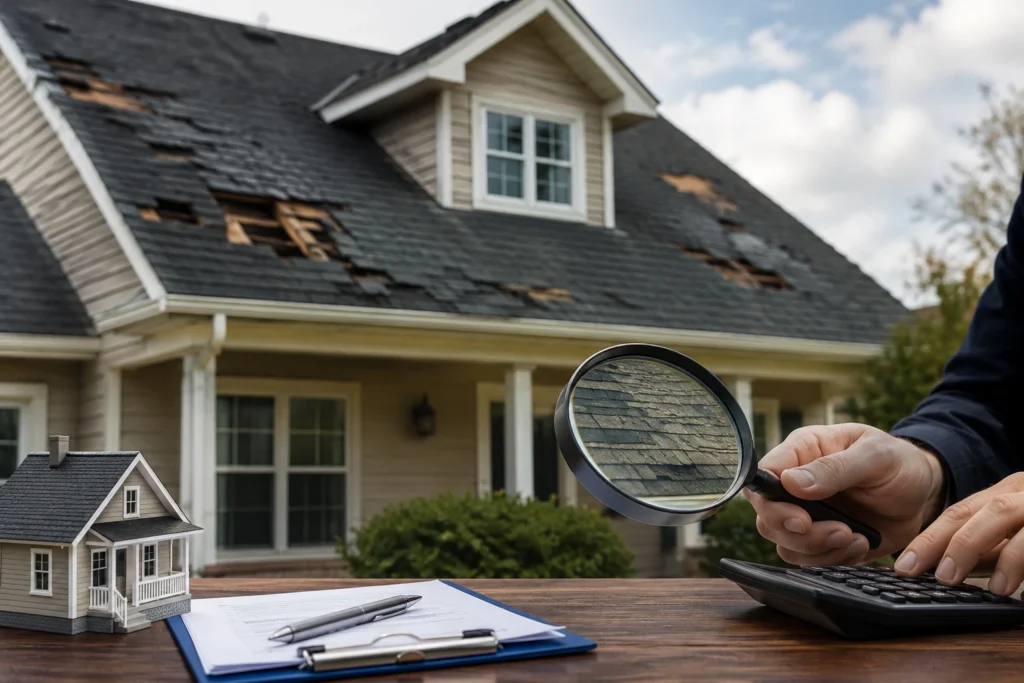
Take wide-angle photos. Take close-ups. Take progression photos during repairs. And preserve damaged materials whenever possible. Physical evidence still matters tremendously during appraisal disputes. In larger property disputes, some homeowners hire specialists trained in Forensic to evaluate hidden structural failures after severe storms.
The Biggest Mistakes Homeowners Make
Some mistakes seriously damage otherwise strong claims.
Assuming the First Payment Is Final
This is one of the most expensive assumptions homeowners make. Initial estimates are not always complete. If legitimate disputes remain regarding the amount of loss, additional recovery may still be possible.
Waiting Too Long
Delay hurts evidence. Storm damage changes rapidly over time. Roof exposure worsens.
Moisture spreads. Repairs alter conditions. Fast action protects leverage.
Throwing Away Damaged Materials
Discarded evidence becomes difficult to recover later. Save:
- Damaged shingles
- Contractor notes
- Inspection photos
- Repair invoices
- Moisture reports
Documentation strengthens appraisal positions enormously.
Hiring Inexperienced Representation
Not every appraiser understands complex roofing or structural claims. Experience matters. Especially with:
- Hail damage
- Moisture intrusion
- Matching disputes
- Code upgrades
- Structural failures
An inexperienced appraiser can weaken an otherwise strong case.
What Happens After Appraisal Is Invoked?
Many homeowners expect appraisal to resolve everything immediately. That rarely happens. The process still requires investigation, negotiation, and documentation.
Inspection Phase
Both appraisers evaluate:
- Damage scope
- Repair costs
- Material quantities
- Labor pricing
- Supporting evidence
This phase often includes property reinspections.
Negotiation Between Appraisers
The appraisers attempt to resolve disagreements independently. Sometimes they reach agreement quickly. Sometimes major differences remain. That is when the umpire may step in.
The Role of the Umpire
The umpire reviews unresolved disputes between the appraisers. If two of the three parties agree on a value, the appraisal award may become binding under the policy. This process can significantly increase settlement amounts in underpaid claims.
Can Claims Be Reopened Without Appraisal?
Yes. Appraisal is not the only path available.
Supplemental Claims
Newly discovered damage may justify supplemental claim requests. This commonly happens after:
- Roof tear-offs
- Moisture inspections
- Structural evaluations
- Interior damage discovery
Reinspection Requests
Insurance companies sometimes voluntarily reinspect properties when strong evidence appears. Especially when:
- Contractors identify overlooked damage
- Weather documentation improves
- Hidden damage becomes visible
Litigation
Some disputes eventually require lawsuits. Particularly when:
- Coverage is denied
- Bad faith allegations exist
- Appraisal rights become disputed
However, litigation is expensive and time-consuming. That is one reason many homeowners pursue appraisal first. Insurance pricing systems are heavily influenced by risk calculations connected to Actuarial science, which is one reason repair estimates and reserve calculations can vary between carriers.
How Long Does the Appraisal Process Take?
There is no universal timeline. Some disputes resolve within weeks. Others take months.
Factors That Affect Timing
| Factor | Effect on Timeline |
|---|---|
| Claim complexity | Larger claims require more review |
| Scheduling inspections | Delays are common |
| Amount of damage | More documentation required |
| Umpire availability | Can slow decisions |
| Cooperation level | Major impact on speed |
Complex roofing disputes often require detailed inspections and extensive estimate review. Especially after severe hailstorms.
When Appraisal Is Worth Pursuing
Not every dispute justifies appraisal costs. But some absolutely do.
Signs Appraisal May Help
- Contractor estimates greatly exceed insurer estimates
- Hidden damage appears during repairs
- Structural issues are discovered
- Code upgrades increase costs
- Matching problems exist
- Multiple experts support larger repairs
Large financial gaps often create the strongest appraisal cases.
Situations With Strong Recovery Potential
Appraisal becomes especially important when:
- Full roof replacement is disputed
- Commercial losses are involved
- High-end materials are affected
- Moisture damage spreads throughout the structure
These cases can involve massive pricing differences. Sometimes tens of thousands of dollars.
Final Thoughts
So, can appraisal reopen a closed insurance claim? In many situations, yes. Especially when the dispute involves underpaid damage, incomplete estimates, hidden structural issues, or supplemental repairs discovered after the file was closed. But success depends heavily on timing, policy language, documentation, and the strength of the supporting evidence. A closed claim is not always permanently finished. And homeowners who assume the insurance company’s first estimate is final may leave significant money uncollected. That is why understanding appraisal rights matters so much after major property losses. Because sometimes the real dispute begins only after the claim appears closed.
FAQs
Yes, in some situations. If the dispute involves the amount of loss rather than coverage denial, appraisal may still apply even after partial payment.
That depends on the policy language and state laws. Some policies have strict deadlines, so acting quickly is extremely important.
Usually not for full coverage denials. Appraisal is generally designed to resolve disputes about repair costs and damage scope.
Roofing disputes, hail damage, hidden moisture issues, and underestimated repair costs are among the most common appraisal disputes.
Yes, newly discovered damage can sometimes support supplemental claims or appraisal requests if the damage relates to the original covered event.
In many policies, the appraisal award becomes binding regarding the amount of loss once finalized by the required parties.
Not always. Many homeowners first work with experienced appraisers, contractors, or public adjusters before considering legal action.
Photos, contractor reports, engineer inspections, weather data, and detailed repair estimates can significantly strengthen the appraisal process.
Some cases resolve within weeks, while more complex disputes may take several months depending on inspections and negotiations.
Yes, appraisal is very common in Texas, especially after hailstorms and large-scale property damage events where repair costs become disputed.