Key takeaways
- Choose a qualified, disinterested appraiser who writes defensible line-item estimates.
- Document damage thoroughly before any repairs or cleanup.
- Read your appraisal clause and track every deadline in writing.
- Appraisal decides amount of loss, not coverage; know which dispute you have.
- Review the award breakdown carefully before accepting payment.
The most common mistakes during insurance appraisal are choosing an unqualified or biased appraiser, failing to document damage before repairs, missing policy deadlines, misunderstanding what appraisal can decide, and relying on lump-sum estimates. Each one can weaken your position on the amount of loss and lead to a lower appraisal award.
Why do appraisal mistakes matter so much?
Appraisal is designed to be faster and more final than litigation. That is its strength, and also why mistakes are costly. Once two of the three panel members sign an award, Texas courts generally treat it as binding on the amount of loss, and setting one aside is difficult.
In other words, appraisal usually gives you one good chance to prove your numbers. The evidence you bring, the appraiser you choose, and the way the dispute is framed all shape the result. If you are new to the process, start with what an insurance appraisal is and then come back to this list.
Mistakes made before appraisal is invoked
1. Invoking appraisal for a coverage dispute
Appraisal decides the amount of loss. Under State Farm Lloyds v. Johnson (Tex. 2009), appraisers may address the extent of damage and causation, but they do not decide whether the policy covers the loss. If the carrier has denied the claim based on an exclusion, appraisal may not resolve the real dispute. Read can you invoke appraisal after a denied claim to understand the difference.
2. Not reading the appraisal clause
Every policy words its appraisal clause a little differently. Some set deadlines for naming appraisers, some describe how umpires are selected, and some limit what appraisal covers. Skipping this step can lead to procedural problems later.
3. Waiting too long
Delay causes trouble. Damage worsens, evidence disappears, contractors move on, and the carrier may argue that appraisal was waived or that additional damage came from a later event. Policies may also contain suit limitation periods that keep running while you wait. Our Texas claim deadline calculator helps you track key dates.
4. Making repairs before documenting damage
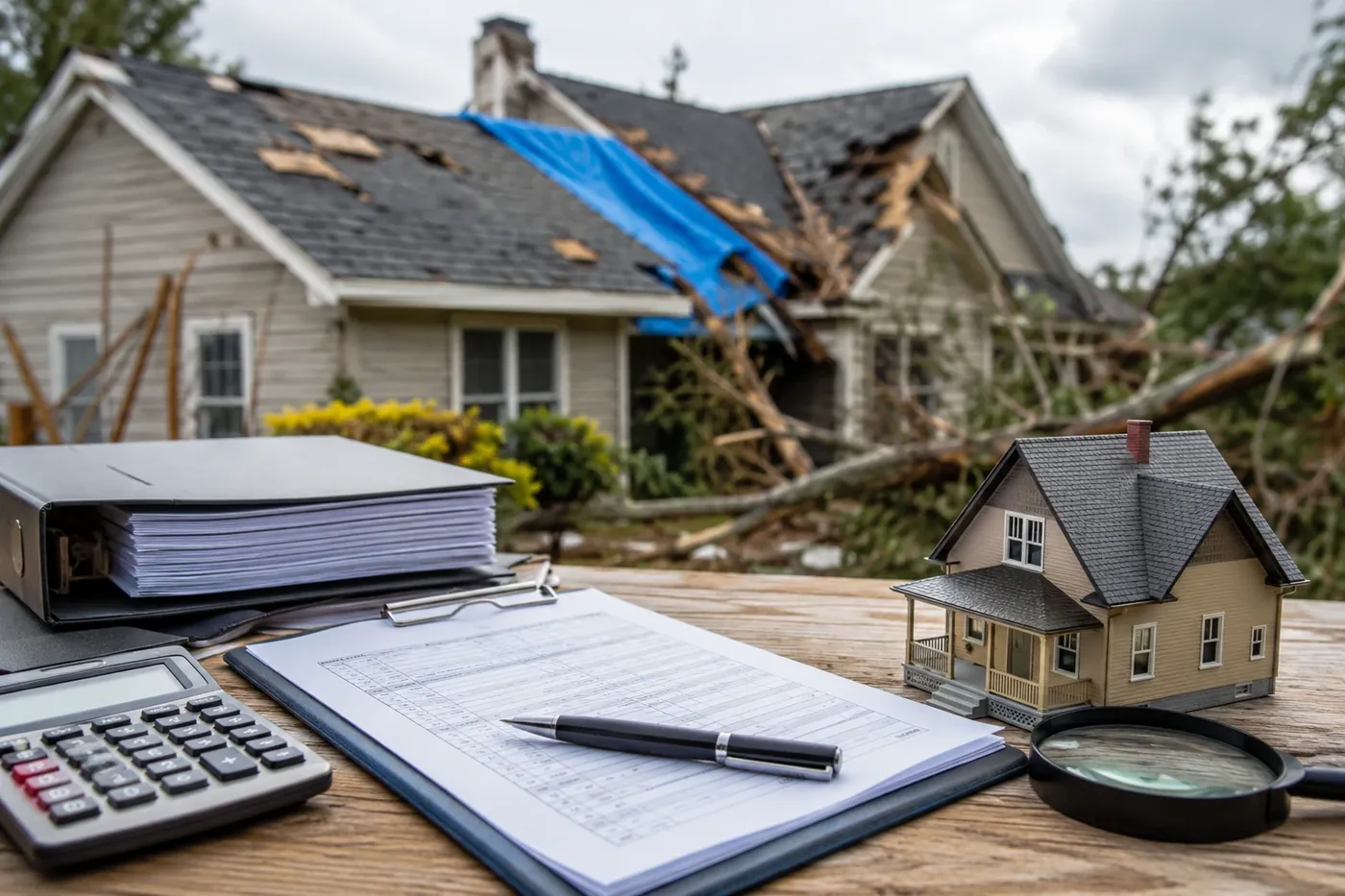
You have a duty to protect the property from further damage, so temporary repairs like tarping are expected. But tearing off a roof or removing drywall before it is photographed and measured can destroy your best evidence. Document first, then repair. If a contractor must open walls or remove roofing, ask them to photograph each step and set aside a few samples of damaged material.
Mistake 5: Choosing the wrong appraiser
This is the single most consequential decision in the process. Most policies require each appraiser to be "competent" and "disinterested." Common mistakes include:
- Hiring the contractor who will do the work. A contractor with a financial stake in the repair may be challenged as not disinterested. See can contractors participate in insurance appraisal.
- Choosing someone without estimating experience. Appraisal is won and lost on line items, quantities, and pricing.
- Choosing based only on price. A cheaper appraiser who cannot defend the estimate in front of an umpire is rarely a bargain.
- Ignoring Texas experience. Local pricing, code requirements, and common carrier positions vary by region.
Also confirm availability. After a major hailstorm, experienced appraisers get busy quickly, and the policy may give you only a short window to name yours. Line up a qualified appraiser before you send the demand so you are not forced to choose in a hurry.
A strong appraiser inspects carefully, writes a defensible estimate in Xactimate or Symbility, negotiates professionally, and presents clearly to an umpire.
Mistakes with evidence and documentation
6. Weak or incomplete photos
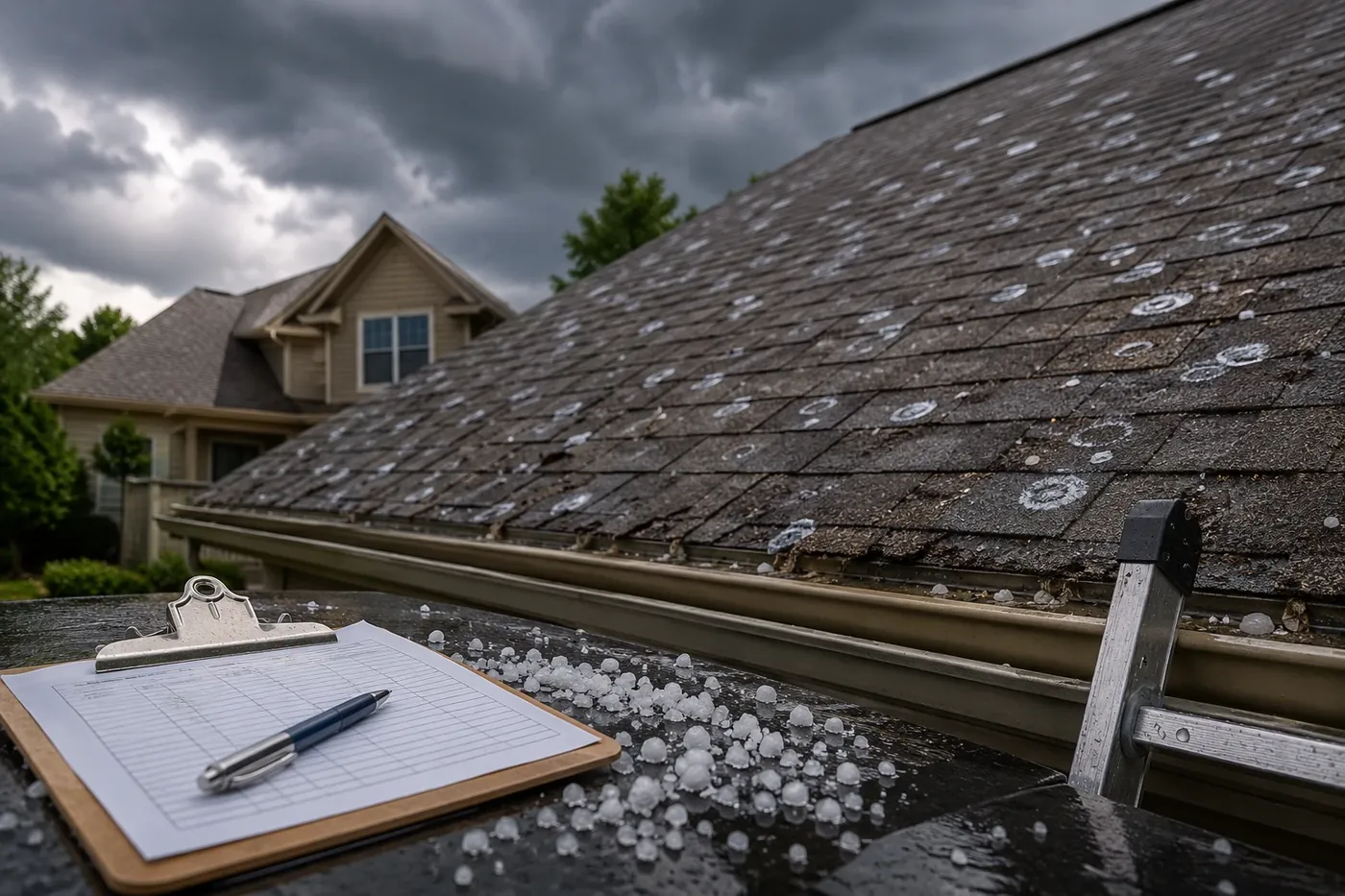
Wide shots alone are not enough. Appraisers need close-ups that show hail hits, creased shingles, damaged flashing, interior stains, and measurements, along with overview photos that show where each close-up was taken.
7. Relying on lump-sum bids
A contractor bid that says "replace roof: $24,000" is hard to compare with a carrier's 60-line Xactimate estimate. Line-item estimates let appraisers see exactly where the difference lies. Ask your contractor for an itemized estimate that breaks out tear-off, materials, accessories, and labor so each line can be checked.
8. Overlooking interior and secondary damage
Homeowners often focus on the roof and overlook ceiling stains, wet insulation, fences, gutters, window screens, HVAC fins, and detached structures. If an item is not raised, it usually is not included in the award.
The table below matches common appraisal issues to the evidence that helps most:
| Disputed issue | Helpful evidence |
|---|---|
| Roof replacement vs. repair | Close-up damage photos, test square counts, brittleness tests, discontinued product proof |
| Measurements and quantities | Aerial measurement reports, roof diagrams, contractor hand measurements |
| Date of loss | Storm reports, dated pre-loss photos, maintenance records |
| Interior damage | Moisture readings, stain photos, 3D scans, room measurements |
| Code upgrades | Building department letters, permit requirements, code references |
For a full list, see what evidence helps during insurance appraisal and our free claim documentation checklist.
Mistakes during the appraisal process
9. Communicating outside the process
Once appraisal is underway, side conversations with the carrier's adjuster or appraiser can create confusion. Route questions about the amount of loss through your appraiser, and keep copies of everything in writing.
10. Expecting the umpire to split the difference
Umpires decide disputed items on the evidence, not by averaging two totals. An appraiser who inflates numbers without support may lose credibility, while a well-supported estimate tends to carry more weight item by item. Present each disputed line with its own support, such as a photo, a measurement, a code reference, or an invoice, rather than relying on the total alone.
11. Misunderstanding the award
Awards often list replacement cost value, depreciation, and actual cash value, sometimes by coverage. Homeowners sometimes assume the RCV figure is what they will receive immediately. In reality, the deductible, prior payments, and held-back depreciation all affect the check. Use our recoverable depreciation calculator to understand the numbers.
12. Missing the steps after the award
On replacement cost policies, you typically must complete repairs and submit proof to recover depreciation, often within a time limit set by the policy. Forgetting this step can leave real money unclaimed. Ask your appraiser to walk you through the award line by line, confirm which amounts are paid now and which are held back, and calendar the deadline for submitting repair invoices to the carrier.
What can these mistakes cost? An illustrative example
Consider a hypothetical Central Texas homeowner whose carrier paid $14,000 for partial roof repairs after a hailstorm. The homeowner's contractor believes a full replacement plus interior repairs will cost about $31,000, so the homeowner invokes appraisal.
Now imagine three small mistakes. The roofer who bid the job is named as appraiser, the carrier objects, and weeks are lost replacing him. Meanwhile, the homeowner has the ceiling drywall replaced without photographing the stains or taking moisture readings. Finally, the only roof estimate is a one-page lump-sum bid.
When the panel finally meets, the interior damage is hard to prove, the roof bid cannot be compared line by line, and the umpire has little to work with on disputed items. The award may land closer to the carrier's number than it otherwise would have, not because the damage was smaller, but because the evidence was weaker.
Avoiding those mistakes does not ensure a particular result, but it gives the panel the information it needs to measure the loss accurately. Before you invoke appraisal, our appraisal cost calculator can help you weigh the likely recovery against the cost of the process.
Texas-specific appraisal mistakes to avoid
Texas homeowners face a few unique risks during appraisal:
- Treating every storm as one event. Hail in Dallas, Austin, or Lubbock can hit the same roof more than once in a season. Clear dates of loss avoid disputes about which storm caused which damage.
- Ignoring Chapter 542 timelines. The Texas Prompt Payment of Claims Act sets deadlines for insurers to acknowledge, decide, and pay claims. Knowing them helps you spot delays.
- Confusing appraisal with legal action. Chapter 542A generally requires 61 days' notice before suing on many weather claims. Appraisal is a separate contractual process.
- Assuming payment ends every issue. Texas courts have held that paying an award does not automatically bar prompt-payment claims (Barbara Technologies, 2019), but generally bars most other extra-contractual claims (Ortiz, 2019).
This is general information, not legal advice. The Texas Department of Insurance also publishes consumer resources on the claims process.
A quick checklist to avoid appraisal mistakes
- Confirm your dispute is about the amount of loss, not coverage.
- Read the appraisal clause and calendar every deadline.
- Photograph and measure all damage before permanent repairs.
- Get line-item estimates, not lump-sum bids.
- Choose a competent, disinterested appraiser with estimating experience.
- Include interior, exterior, and secondary damage.
- Keep all communication in writing and organized.
- Review the award breakdown and complete repairs to recover depreciation.
Next steps: getting appraisal right the first time
Most common mistakes during insurance appraisal are avoidable with preparation and the right appraiser. Because the process is designed to be final, it pays to get it right from the start.
Joseph Dittman has spent his career on the policyholder side of Texas property claims, inspecting losses and writing the line-item estimates that appraisal turns on. As your appraiser, he documents the full scope, defends each item, and works toward an award that reflects the true cost of repair.
Frequently asked questions
Can I use my roofer as my appraiser?
It is usually a bad idea. Most policies require appraisers to be disinterested, and a contractor who stands to profit from the repair may be challenged on that basis. That challenge can delay appraisal or put the award at risk. Your roofer can still provide estimates, measurements, and photos to support your independent appraiser.
What happens if I make repairs before appraisal?
Temporary repairs to prevent further damage are expected and usually required. Permanent repairs before documentation can make it harder to prove the extent of damage. If repairs must be done, photograph and measure everything first, keep removed materials if practical, and save invoices so your appraiser can still support the amount of loss.
Can I back out of appraisal once it starts?
It depends on the policy and circumstances. Once appraisal is properly invoked, the process is generally binding on both parties, and withdrawing can create legal and procedural issues. Before you demand appraisal, make sure your dispute concerns the amount of loss and that you are ready to commit to the process.
Will appraisal always increase my claim payment?
No. Appraisal sets the amount of loss based on evidence, and the award can be higher, similar to, or occasionally lower than prior estimates. Strong documentation and a well-supported estimate improve your position, but no appraiser can promise a particular result. Weigh likely recovery against costs before deciding.
How do I know if I chose a good insurance appraiser?
A good appraiser inspects thoroughly, explains the process clearly, writes detailed line-item estimates, understands Texas pricing and codes, and communicates professionally with the other side. They should be independent of the repair work and comfortable presenting disputed items to an umpire with photos, measurements, and code references.

About the author: Joseph Dittman
Joseph is the lead appraiser at TX Insurance Appraiser and a Texas-licensed public adjuster (Rise Public Adjusting LLC, TDI license #3356839). He has spent his career inspecting hail, wind, water and fire losses and negotiating property claims across Texas. More about Joseph.
This article is general information about property insurance claims in Texas and is not legal advice. Policy language and facts vary; review your policy or consult a Texas attorney for legal questions.