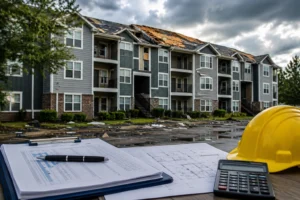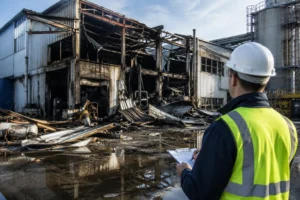

Insurance appraisal disputes are not won by emotion. They are won by evidence. That is why understanding what evidence helps during insurance appraisal can dramatically influence the final settlement amount. Strong documentation helps prove damage, justify repair costs, support hidden issues, and strengthen credibility throughout the entire process. Many appraisal cases become difficult because evidence is incomplete, poorly organized, or collected too late. Photos are missing. Estimates are vague. Important damage was never documented properly. And once that opportunity disappears, it becomes much harder to rebuild the claim later. The good news? Strong evidence can completely change the direction of an insurance appraisal.
Understanding the Insurance Appraisal Process
Insurance appraisal is a dispute-resolution method commonly included in property insurance policies. It is typically used when both parties agree damage exists but disagree on the amount of loss. That distinction matters. Appraisal usually focuses on repair scope and pricing rather than coverage itself. The process often looks like this:
| Step | Purpose |
|---|---|
| Appraisal demanded | One party invokes the appraisal clause |
| Appraisers selected | Each side hires an independent appraiser |
| Damage reviewed | Evidence and estimates are analyzed |
| Umpire involved if needed | Disagreements are resolved |
| Award finalized | Final value decision is issued |
Once appraisal begins, documentation becomes the backbone of the claim.
Why Evidence Matters So Much During Appraisal
Strong evidence does several important things immediately. It reduces guesswork. It supports pricing. It increases credibility. And it helps appraisers make decisions based on facts instead of assumptions. Organized evidence also speeds up negotiations. Claims with clear documentation often move faster because fewer questions remain unresolved. Weak documentation creates confusion. Strong documentation creates leverage.
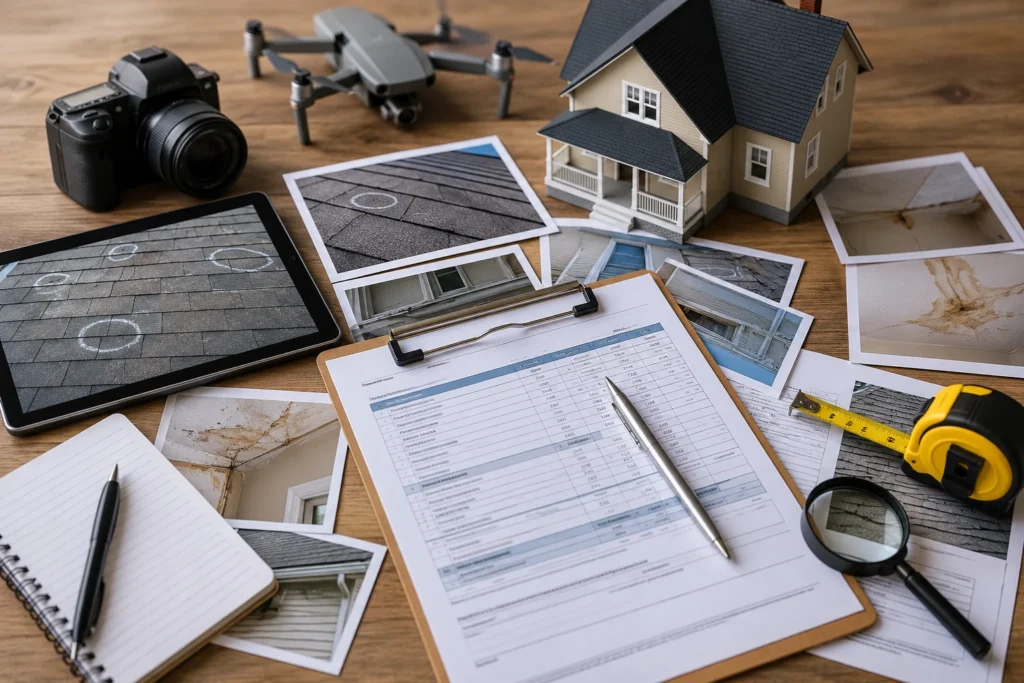
Detailed Property Photos
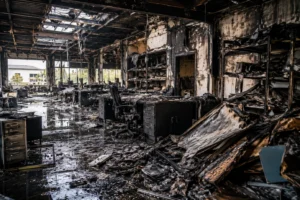
Photos are one of the most important forms of evidence during insurance appraisal. But quality matters. A few blurry phone photos from the driveway rarely help much. Clear, organized, detailed images tell a completely different story.
Exterior Damage Photos
Exterior documentation should include:
- Roofing damage
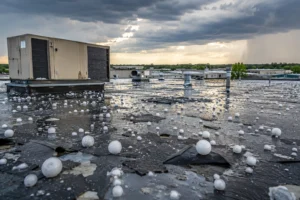
- Hail impacts
- Wind-created creases
- Gutter dents
- Siding fractures
- Window damage
- Fence damage
- Water entry areas
Capture both wide-angle and close-up images. Wide photos establish context. Close-ups establish proof. Both matter.
Interior Damage Photos
Interior evidence can strengthen causation arguments significantly. Document:
- Ceiling stains
- Wet drywall
- Flooring damage
- Swollen trim
- Mold growth
- Cracked paint
- Moisture discoloration
Interior damage often helps prove the severity of exterior failures.
Why Timing Matters
Timing can affect the strength of evidence dramatically. The best appraisal files contain:
- Immediate post-loss photos
- Progression photos
- Temporary repair photos
- Tear-off discoveries
- Final repair documentation
Damage changes over time. Your documentation should show that progression clearly.
Video Documentation Adds Context
Photos capture moments. Videos capture conditions. That difference can become extremely valuable during insurance appraisal. A slow walkthrough video may show active leaks, widespread damage patterns, or interior moisture conditions more effectively than still images alone. When recording damage videos:
- Walk slowly
- Narrate what you are seeing
- Mention dates if possible
- Capture multiple angles
- Include both exterior and interior conditions
Simple smartphone videos are often enough if they are organized properly.
Contractor Inspection Reports
Independent contractor inspections can significantly strengthen appraisal evidence. Especially in roofing and storm-related claims. Contractors frequently identify damage insurance inspections initially overlook. That happens more often than many property owners realize.
What Strong Contractor Reports Include
Strong reports usually contain:
| Report Element | Why It Matters |
|---|---|
| Measurements | Supports pricing accuracy |
| Damage photos | Provides visual proof |
| Material identification | Supports matching requirements |
| Scope details | Explains repair needs |
| Diagrams | Clarifies affected areas |
| Code references | Supports upgrade costs |
Generic one-page estimates rarely help much. Detailed reports create far stronger support during appraisal.
Roofing Reports Carry Major Weight
Roof claims commonly involve hidden or disputed damage such as:
- Hail bruising
- Wind creasing
- Underlayment damage
- Flashing failure
- Granule loss
- Ventilation deficiencies
Contractors often discover these issues during closer inspections or tear-off.
Repair Estimates and Xactimate Documentation
Pricing disputes are one of the biggest reasons appraisal gets invoked. That makes estimates central evidence. And estimate quality matters enormously.
What Makes an Estimate Strong
Strong estimates include:
- Line-item pricing
- Accurate measurements
- Labor calculations
- Waste factors
- Material specifications
- Code upgrades
- Local pricing support
Weak estimates leave out critical components and create larger disputes later.
Why Xactimate Frequently Matters
Many carriers and appraisers rely on Xactimate during claim evaluations. Errors inside estimates can dramatically distort repair values. Common estimating problems include:
- Missing starter rows
- Incorrect waste calculations
- Underpriced labor
- Omitted flashing components
- Missing detach-and-reset items
Small omissions add up quickly.
Weather Reports and Storm Verification
Weather evidence helps establish causation. But weather reports alone do not prove damage. They simply support the likelihood that damaging conditions occurred.
Useful Weather Documentation
Helpful weather evidence includes:
- Hail maps
- Radar reports
- Wind-speed verification
- NOAA records
- Storm tracking data
- Local weather station reports
Government weather resources like NOAA often strengthen claim documentation.
Physical Evidence Still Matters Most
The strongest claims combine:
- Storm verification
- Physical damage
- Interior evidence
- Contractor findings
- Repair estimates
Everything should support the same conclusion consistently.
Maintenance Records Can Strengthen Credibility
Insurance companies often investigate whether damage existed before the reported loss. This is why maintenance documentation matters. Strong maintenance records help separate old wear from new storm damage.
Helpful Maintenance Documents
Useful records include:
- Roof replacement invoices
- Home inspection reports
- Service receipts
- Prior repair documentation
- Maintenance logs
Well-maintained properties often create stronger credibility during disputes.
Receipts and Financial Records
Financial documentation matters more than many property owners expect. Especially after emergency mitigation begins.
Save All Expense Documentation
Keep receipts for:
- Emergency tarping
- Water extraction
- Temporary housing
- Debris removal
- Equipment rentals
- Temporary repairs
Every expense should connect clearly to the loss. Without documentation, reimbursement disputes become much harder to resolve.
Expert Opinions Can Strengthen Appraisal Evidence
Some claims require specialized analysis. Complex losses often involve engineers, hygienists, or other experts.
Engineers
Structural engineers may evaluate:
- Impact damage
- Structural movement
- Framing concerns
- Roof failure patterns
Moisture Specialists
Moisture experts may document:
- Water migration
- Mold growth
- Humidity conditions
- Indoor air quality concerns
Public Adjusters and Independent Appraisers
Independent professionals often identify:
- Missing scope items
- Underpriced repairs
- Code-related costs
- Estimating inconsistencies
That independent analysis can strengthen appraisal positions substantially.
Building Code Documentation
Building codes frequently increase repair costs. And code-related disputes are extremely common during insurance appraisal.
Common Code Upgrade Examples
| Code Requirement | Why It Matters |
|---|---|
| Ice and water barriers | Required in some jurisdictions |
| Drip edge installation | Modern roofing standard |
| Ventilation upgrades | May affect full roofing systems |
| Deck attachment updates | Structural compliance issue |
| Material matching laws | Impacts repair scope |
Organizations associated with the International Code Council may help support code-related documentation.
Communication Records Matter
Never rely solely on verbal conversations during a claim. Always preserve written communication.
Important Records to Save
Keep:
- Emails
- Text messages
- Coverage letters
- Claim notes
- Inspection confirmations
- Repair approvals
- Denial explanations
These records help establish timelines and clarify disputes later. Written documentation often becomes extremely valuable during appraisal disagreements.
Overlooked Evidence That Can Help
Some of the strongest evidence during insurance appraisal gets overlooked completely.
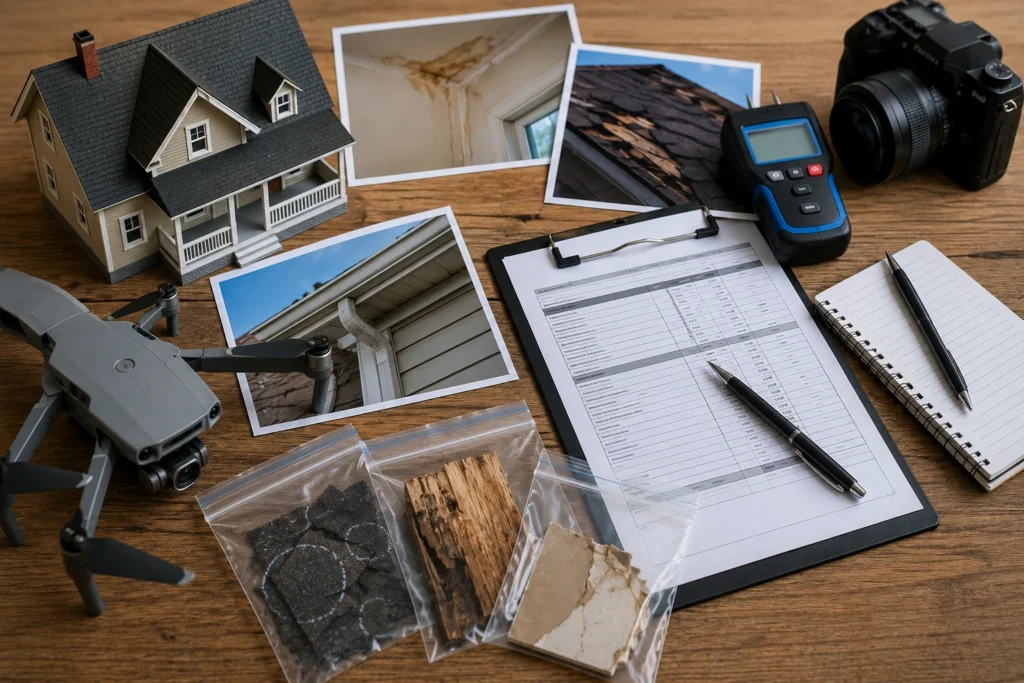
Moisture Readings
Moisture meters help prove hidden water intrusion.
Drone Photography
Drone images provide:
- Roof overviews
- High-resolution detail
- Safer inspection angles
- Better slope visibility
Thermal Imaging
Thermal imaging may reveal:
- Hidden leaks
- Moisture intrusion
- Insulation deficiencies
- Heat-loss patterns
Material Samples
Preserving damaged materials may help support causation arguments later. Especially in hail-related claims. Some complex investigations even involve forms of fractography to study how certain materials failed after impact or stress exposure.
Common Evidence Mistakes That Hurt Insurance Appraisal
Bad documentation can weaken strong claims quickly. These mistakes happen constantly.
Waiting Too Long
Time changes evidence. Leaks spread. Materials deteriorate. Conditions evolve. Document immediately whenever possible.
Throwing Away Damaged Materials
Preserve damaged shingles, siding, flooring, and other materials when appropriate. Those samples may later become valuable evidence.
Using Weak Estimates
Vague estimates without details rarely help. Detailed line-item documentation is far more effective.
Poor Organization
Disorganized claim files reduce credibility. If appraisers struggle to follow documentation, disputes become harder to resolve.
How to Organize Evidence Properly
Organization matters almost as much as the evidence itself. Clean documentation helps appraisers review claims more efficiently.
Create Structured Folders
Separate evidence into categories:
- Photos
- Videos
- Estimates
- Receipts
- Weather reports
- Communications
- Expert reports
Build a Timeline
Chronological timelines help clarify claim progression. Include:
- Date of loss
- Inspection dates
- Repair dates
- Supplemental discoveries
- Carrier responses
Some complex claim files almost resemble a digital taxonomy system because every document is carefully categorized for fast review.
How Appraisers Evaluate Evidence
Appraisers look for consistency. Strong evidence usually shares several traits:
- Multiple documents support the same conclusion
- Photos match estimates
- Reports align with physical conditions
- Timelines make sense
- Damage progression appears logical
Contradictions weaken credibility quickly. Consistent evidence strengthens it.
When Additional Evidence Becomes Necessary
Some claims evolve after appraisal begins. That is completely normal. Additional evidence may become necessary when:
- Hidden damage appears during tear-off
- Structural concerns develop
- Supplemental repairs are discovered
- Moisture spreads further
- Engineering disputes arise
Strong appraisal files continue adapting as new information appears.
Final Thoughts
Understanding what evidence helps during insurance appraisal can completely change the direction of a disputed insurance claim. Strong evidence supports pricing, validates repair scope, strengthens credibility, and helps prevent important damage from being overlooked. The strongest appraisal files combine photos, videos, estimates, weather verification, maintenance records, receipts, expert opinions, and organized communication into one clear story. And that story matters. Because successful insurance appraisal outcomes are rarely built on opinions alone. They are built on detailed, organized, professional evidence from beginning to end.
FAQs
Detailed photos, contractor reports, repair estimates, weather documentation, and written communication records are usually the most valuable forms of evidence during appraisal.
Photos help significantly, but they work best when combined with estimates, inspection reports, and supporting documentation that explains the full scope of damage.
Contractor reports often identify hidden or overlooked damage and help justify repair scope, pricing, and code-related upgrades.
Yes. Weather reports can support causation by confirming hail, wind, or storm activity near the property on the reported loss date.
Whenever possible, yes. Preserving damaged shingles, siding, flooring, or other materials may help support causation and repair discussions later.
Create separate folders for photos, estimates, receipts, communication records, and expert reports so appraisers can review everything efficiently.
Absolutely. Videos provide context, show active conditions like leaks, and help capture damage patterns that photos may miss.
Common mistakes include blurry photos, delayed documentation, weak estimates, poor organization, and relying only on verbal conversations.
Yes. Receipts for emergency repairs, mitigation work, temporary housing, and related expenses help support reimbursement requests.
In many cases, yes. Supplemental damage found during tear-off or repairs may require additional documentation and updated estimates.