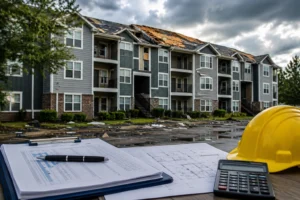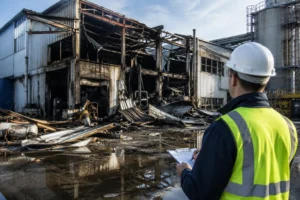

Most property owners expect insurance to pay for rebuilding after a covered loss. However, many discover a costly surprise once repairs begin. Local building codes may require upgrades that did not exist when the property was originally built. As a result, reconstruction costs can increase dramatically. This is where Ordinance and Law Coverage Explained becomes important. While standard insurance may cover damaged property, it may not fully cover the additional costs required to meet current building codes. Therefore, understanding this coverage before a loss occurs can help property owners avoid significant financial gaps.
What Is Ordinance and Law Coverage?
Ordinance and law coverage helps pay for expenses that arise when local building regulations require upgrades during repairs or reconstruction after a covered loss. Building codes are not static. Instead, they evolve over time to improve safety, energy efficiency, structural performance, and disaster resistance. Consequently, older homes and commercial buildings may no longer meet today’s standards. When damage occurs, local authorities may require portions of a structure to be rebuilt according to current codes rather than the standards in place when the property was originally constructed. Without proper coverage, those additional expenses may become the responsibility of the property owner.
Why Standard Insurance Coverage May Not Be Enough
Many insurance policies are designed to restore damaged property to its previous condition. However, rebuilding according to current codes often requires more than replacing what was lost. For example:
- A roof may require upgraded fastening systems.
- Electrical panels may need replacement.
- Plumbing systems may require modernization.
- Fire protection systems may need upgrades.
- Accessibility features may become mandatory.
As a result, reconstruction costs can increase significantly beyond the original repair estimate.
Why Building Codes Matter After Property Damage
Building codes exist to improve safety and reduce future risks. Nevertheless, compliance can become expensive after a major loss. Construction standards have changed substantially over the last several decades. Therefore, rebuilding an older structure often requires improvements that were not part of the original construction. Today’s requirements may include:
| Area | Common Code Upgrades |
|---|---|
| Roofing | Enhanced wind-resistance systems |
| Electrical | AFCI and GFCI protection |
| Fire Safety | Additional detectors and alarms |
| Structural | Updated framing requirements |
| Accessibility | Improved access features |
| Energy Efficiency | Ventilation and insulation upgrades |
Furthermore, building codes often evolve through engineering studies and safety research. Similar to how a heuristic helps guide decision-making in complex systems, building codes are developed to reduce risks based on lessons learned from previous failures and disasters. Even relatively minor damage can trigger code-related expenses. Therefore, property owners should understand ordinance and law coverage long before they need to file a claim.
How Ordinance and Law Coverage Works
Most ordinance and law endorsements are divided into three separate categories of protection. Each addresses a different rebuilding expense.
Coverage A: Loss to the Undamaged Portion of the Building
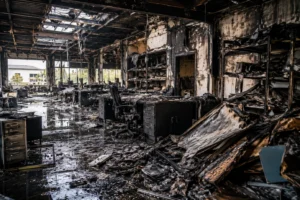
Sometimes only part of a building suffers direct damage. However, local authorities may require complete demolition because the remaining structure no longer complies with current regulations. In these situations, property owners may lose portions of the building that were not directly damaged. Coverage A helps address that loss.
Example
Imagine a commercial building suffers extensive fire damage to 60 percent of the structure. After an inspection, local officials determine the remaining 40 percent must also be removed to comply with current codes. As a result, the owner loses both the damaged and undamaged portions of the building. Coverage A may help compensate for the value of the undamaged section that must be demolished.
Coverage B: Demolition Costs
Demolition expenses can be substantial. In many cases, property owners focus on rebuilding costs while overlooking the expense of removing portions of the structure. Demolition costs may include:
- Labor
- Heavy equipment
- Debris hauling
- Disposal fees
- Permit expenses
- Environmental compliance requirements
Therefore, Coverage B plays a critical role when local regulations require the removal of undamaged portions of a structure.
Coverage C: Increased Cost of Construction
Coverage C is often the most valuable component of ordinance and law protection. It helps pay for additional construction costs required to comply with current building regulations. Examples include:
- Stronger roofing systems
- Updated electrical wiring
- Modern plumbing requirements
- Structural reinforcement
- Fire suppression improvements
- Accessibility upgrades
- Energy-efficiency enhancements
Without Coverage C, these costs can create a significant financial burden.
Common Situations Where Ordinance and Law Coverage Applies
Many people associate ordinance and law coverage exclusively with fire losses. However, code upgrades can arise from several different types of claims.
Fire Damage Claims
Fire losses frequently trigger extensive code requirements. For example, older buildings may contain outdated electrical systems, insufficient fire protection, or structural elements that no longer meet current standards. Consequently, rebuilding often involves far more than replacing damaged materials.
Wind Damage Claims
Texas property owners regularly face severe wind events. When structural repairs become necessary, local authorities may require compliance with current wind-resistance standards. As a result, reconstruction costs may increase considerably.
Hurricane Damage Claims
Coastal properties often face even stricter requirements. Modern coastal building codes frequently require stronger construction methods designed to withstand future storms. Therefore, rebuilding costs may exceed the cost of simply replacing damaged materials.
Hail Damage Claims
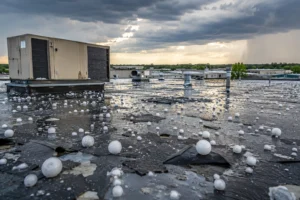
Hail losses can also create code-related issues. For example:
- Roof decking requirements may have changed.
- Ventilation standards may require upgrades.
- Underlayment systems may need replacement.
- Fastener requirements may be more stringent.
As a result, a roof replacement project can become significantly more expensive than initially expected.
Examples of Code Upgrade Costs Homeowners Often Overlook
One of the most common mistakes property owners make is underestimating the cost of required upgrades. Unfortunately, these expenses can add up quickly.
Roofing Upgrades
Roof systems have evolved significantly over the years. Current regulations may require:
- Additional underlayment
- Improved fastening systems
- Enhanced wind resistance
- Better ventilation
- Updated flashing requirements
Consequently, roofing upgrades can add thousands of dollars to a reconstruction project.
Electrical Improvements
Electrical systems are among the most common sources of code-related expenses. Required improvements may include:
- New breaker panels
- GFCI outlets
- AFCI protection
- Grounding enhancements
- Wiring replacement
Therefore, electrical upgrades often become a major part of rebuilding costs.
Plumbing Modifications
Plumbing systems may also require modernization during repairs. Potential upgrades include:
- Updated piping materials
- Water-saving fixtures
- Drainage improvements
- Venting modifications
Although each upgrade may seem minor individually, the combined cost can become substantial.
Fire and Safety Requirements
Modern building codes place significant emphasis on occupant safety. As a result, property owners may need:
- Additional smoke detectors
- Carbon monoxide detectors
- Fire-rated assemblies
- Emergency egress improvements
- Enhanced alarm systems
Furthermore, modern construction standards often incorporate concepts from material science and engineering. For example, understanding anisotropy helps engineers evaluate how certain materials respond differently to forces applied from various directions.
Why Replacement Cost Coverage Isn’t Always Enough
Many policyholders assume replacement cost coverage automatically addresses every rebuilding expense. However, that assumption can create problems after a loss. Replacement cost coverage generally pays to replace damaged property without deducting depreciation. Nevertheless, replacement cost coverage and ordinance and law coverage serve different purposes.
| Coverage Type | Purpose |
|---|---|
| Replacement Cost Coverage | Replaces damaged property |
| Ordinance and Law Coverage | Pays for code-required upgrades |
| Demolition Coverage | Covers required tear-down expenses |
| Increased Cost of Construction | Covers compliance-related rebuilding costs |
Therefore, a property owner may have replacement cost coverage and still face significant out-of-pocket expenses if ordinance and law limits are insufficient.
Common Misconceptions About Ordinance and Law Coverage
Misunderstanding policy language often leads to unpleasant surprises during the claims process.
“My Insurance Pays to Rebuild Everything”
Not necessarily. Insurance policies often contain specific limitations, exclusions, and coverage caps related to code-required upgrades.
“Building Codes Don’t Affect Older Properties”
In reality, older properties are often the most vulnerable to ordinance and law issues because they were built under outdated standards.
“Minor Damage Won’t Trigger Code Requirements”
Unfortunately, even partial repairs can trigger mandatory upgrades depending on local regulations.
“Code Upgrades Are Automatically Covered”
Coverage depends entirely on policy language, endorsements, and coverage limits. Therefore, property owners should never assume code-related costs are automatically included.
Texas-Specific Considerations for Ordinance and Law Coverage
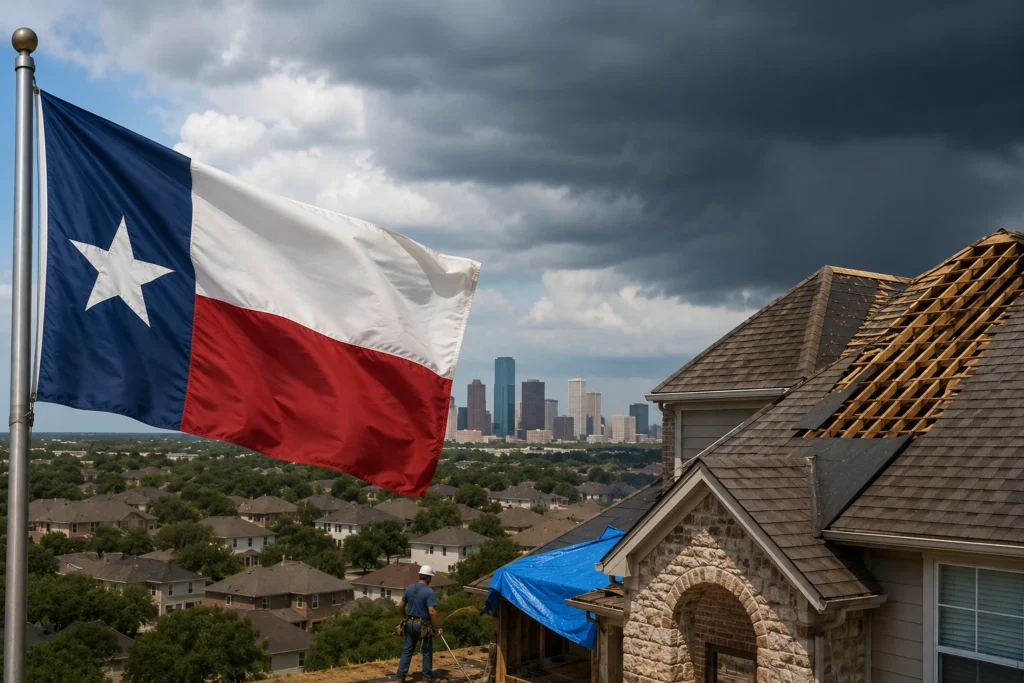
Texas presents unique challenges when it comes to rebuilding after a property loss. While ordinance and law coverage is important everywhere, it can be especially valuable in Texas due to varying local regulations and weather-related risks.
Building Codes Can Vary Significantly
Not every Texas city follows the same requirements. For example, code requirements in Houston may differ from those in Dallas, Austin, San Antonio, or smaller municipalities. Consequently, two similar properties could face very different rebuilding obligations after a loss. In addition, local authorities may adopt updated building standards at different times. Therefore, property owners should not assume code requirements remain the same from one jurisdiction to another.
Aging Properties Face Greater Risks
Many Texas homes and commercial buildings were constructed decades ago. Although these properties may function perfectly well today, they often contain features that no longer meet current building standards. As a result, major repairs can trigger costly upgrades. Common issues include:
- Outdated electrical systems
- Older roofing assemblies
- Insufficient ventilation
- Structural components that no longer comply with current standards
- Inadequate fire safety features
The older the building, the greater the potential gap between original construction and modern code requirements.
Coastal Properties Often Face Additional Requirements
Properties near the Texas Gulf Coast frequently encounter stricter regulations. Wind-resistance standards, roofing requirements, and structural reinforcements may all increase reconstruction costs after hurricane or wind damage. Therefore, ordinance and law coverage can become particularly important in these areas.
Challenges That Can Arise During Insurance Claims
Even when policyholders have ordinance and law coverage, disputes can still occur. Unfortunately, many disagreements arise after contractors, engineers, building officials, and insurance carriers evaluate the loss from different perspectives.
Disputes Over Required Upgrades
One common issue involves whether a particular upgrade is actually required. For example, a contractor may believe a complete electrical system upgrade is necessary to satisfy local codes. Meanwhile, the insurer may question whether the work is mandatory. As a result, claim negotiations can become complicated.
Scope of Damage Disagreements
Another challenge involves determining how much of the property requires repair or replacement. If larger portions of a structure must be rebuilt to meet current standards, reconstruction costs often increase. Consequently, disagreements regarding the scope of damage may directly affect ordinance and law benefits.
Matching Issues in Insurance Claims
Another challenge property owners frequently encounter involves Insurance Claim. A building may suffer damage to only one section of a roof, siding system, flooring area, or exterior finish. However, matching materials may no longer be available. In other cases, local building codes may require upgrades that affect larger portions of the property. As a result, what initially appears to be a simple repair can evolve into a much larger reconstruction project. These situations often overlap with ordinance and law coverage because code compliance may influence whether partial repairs are possible.
Insufficient Coverage Limits
Even when coverage exists, limits matter. Many policies provide ordinance and law coverage as a percentage of the dwelling or building limit. Consequently, major code upgrades can exceed available coverage. When this happens, property owners may become responsible for costs above the policy limit.
How Insurance Appraisals Can Help Resolve Ordinance and Law Disputes
Claim disputes are frustrating. They can also delay repairs and increase financial pressure. Fortunately, policyholders may have options.
Understanding the Insurance Appraisal Process
Many property insurance policies contain an appraisal clause. This provision allows disagreements regarding the amount of loss to be resolved through a structured process involving independent appraisers and, if necessary, an umpire. Importantly, appraisal is often used to address valuation disputes rather than questions of coverage. However, valuation issues frequently arise when code-related costs become part of the rebuilding process.
Determining Accurate Reconstruction Costs
Accurate cost estimates are critical. An experienced insurance appraiser can evaluate:
- Repair costs
- Replacement costs
- Demolition expenses
- Code-related upgrades
- Material pricing
- Labor costs
As a result, property owners may obtain a clearer picture of the true cost of restoring their property.
Supporting Fair Claim Settlements
Insurance appraisals can also help establish credible figures when disagreements arise. Rather than relying solely on competing estimates, the appraisal process provides a structured method for evaluating the amount of loss. Consequently, disputes may be resolved more efficiently. For property owners facing significant ordinance and law issues, having an independent assessment can be particularly valuable.
Tips for Reviewing Your Insurance Policy
The best time to evaluate ordinance and law coverage is before a loss occurs. Unfortunately, many policyholders do not examine these provisions until they are already dealing with a claim.
Verify Whether Coverage Exists
First, determine whether ordinance and law coverage is included in your policy. Some policies provide limited coverage automatically. Others require endorsements that increase available protection. Therefore, reviewing policy documents carefully is essential.
Understand Your Coverage Limits
Coverage limits vary significantly. Some policies provide:
- 10% of the building limit
- 25% of the building limit
- 50% of the building limit
- Higher customized limits
The appropriate amount depends on factors such as property age, location, construction type, and local code requirements.
Review Older Properties Carefully
Owners of older homes and commercial buildings should pay particular attention to ordinance and law coverage. The larger the gap between original construction standards and current building codes, the greater the potential exposure. Consequently, older properties often benefit from higher ordinance and law limits.
Ask Questions Before Renewal
Insurance renewals provide an opportunity to review coverage. Consider asking:
- What ordinance and law coverage is currently included?
- Are there coverage limitations?
- Would higher limits be available?
- How would code upgrades be handled after a major loss?
- Are demolition costs covered separately?
The answers may reveal important gaps that can be addressed before a claim occurs.
Warning Signs That Coverage May Be Inadequate
While every property is different, certain factors may indicate increased exposure. You may want to review your coverage if:
- The property is more than 20 years old.
- Major renovations have not been completed recently.
- Local building codes have changed substantially.
- The property is located in a coastal region.
- Previous claims involved code-related issues.
- Reconstruction costs have increased significantly since the policy was purchased.
Although these factors do not guarantee a coverage problem, they may warrant a closer review.
Why Proactive Planning Matters
Most property owners focus on visible risks. They think about fires, hailstorms, hurricanes, and water damage. However, rebuilding requirements can be just as important as the damage itself. A property may suffer a covered loss. Yet the real financial challenge often begins when code compliance requirements enter the picture. Therefore, understanding ordinance and law coverage before a claim occurs can help eliminate surprises later. A few hours spent reviewing coverage today could prevent thousands of dollars in unexpected expenses after a future loss.
Conclusion
Understanding Ordinance and Law Coverage Explained is essential for any property owner who wants to avoid costly rebuilding surprises. While standard insurance may cover direct physical damage, current building codes can create significant additional expenses. Therefore, reviewing your policy, understanding your coverage limits, and evaluating potential code-related exposures can help protect your financial interests. When disputes arise, professional insurance appraisal assistance may also help ensure rebuilding costs are evaluated fairly and accurately.
FAQs
Not always. Some policies include limited coverage, while others require an endorsement for additional protection.
It helps cover costs associated with code-required demolition, rebuilding, and upgrades after a covered loss.
Modern codes often require safer materials, updated systems, and improved construction methods that can significantly increase rebuilding costs.
Yes. If local codes require roofing upgrades during a covered roof replacement, the coverage may help pay for those additional costs.
Absolutely. Older properties are often more likely to require upgrades because they were built under outdated codes.
Many policies provide coverage for demolition expenses when local authorities require part or all of a structure to be removed.
These issues arise when damaged materials cannot be matched with existing materials, potentially leading to broader replacement requirements.
Review your policy declarations, endorsements, and coverage forms, or ask your insurance agent for clarification.
Yes. Both residential and commercial property policies may include ordinance and law coverage, depending on the policy terms.
Consider consulting a qualified insurance appraiser to evaluate the loss and help determine the true cost of repairs and code-related upgrades.