Key takeaways
- Appraisal works for roof claims when coverage is accepted but the amount is disputed.
- Repair vs. replacement, matching, scope, and pricing are the most common roof appraisal issues.
- Texas appraisers may assess extent of damage but do not decide coverage.
- Each side pays its own appraiser; umpire fees are usually split.
- Most residential roof appraisals resolve in one to two months.
Yes, appraisal can be used for roof claims, and roof disputes are among the most common appraisals in Texas. If your insurer agrees the roof damage is covered but you disagree on how much it costs to repair or replace, either side can usually invoke the policy's appraisal clause to resolve the amount of loss.
Roof claims generate more disagreements than almost any other part of a property claim. Repair or replace? Cosmetic or functional? Can the shingles be matched? Does the estimate include code items, steep charges, and flashing? Each question can move the payment by thousands of dollars.
This guide explains when appraisal fits a roof claim, when it does not, how roof appraisals work in practice, what it costs, how long it takes, and how to choose the right roof appraiser.
Why roof insurance claims become disputed
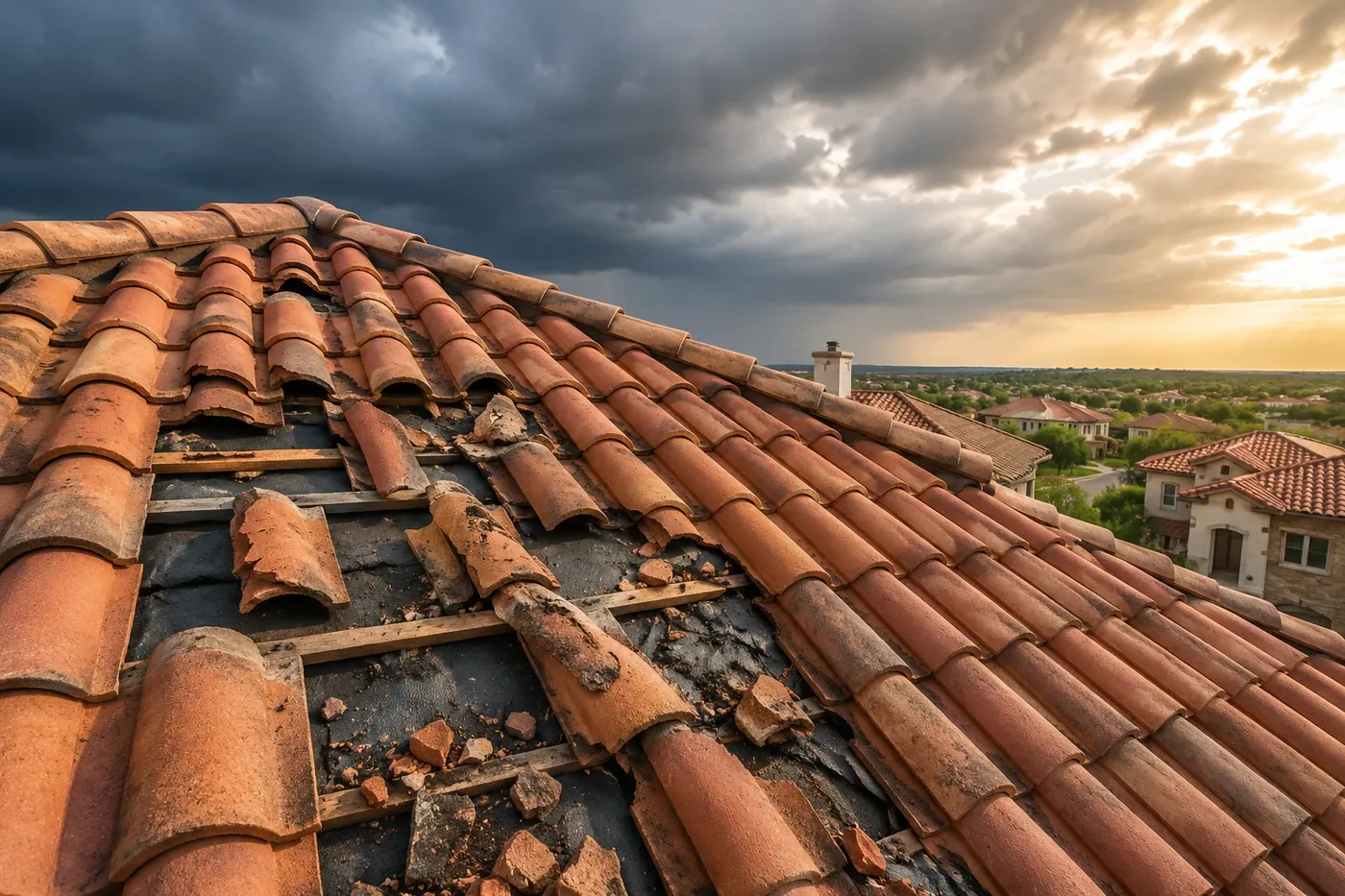
A roof claim covers damage to the roofing system, typically from hail, wind, falling trees, or fire. That includes shingles, tile, or metal panels, plus underlayment, flashing, vents, drip edge, gutters, and sometimes decking.
| Dispute type | Why it happens |
|---|---|
| Repair vs. replacement | Carrier believes targeted repairs restore the roof |
| Cosmetic vs. functional damage | Carrier argues the roof still sheds water despite dents or marks |
| Matching | Replacement materials are discontinued or visibly different |
| Code upgrades | Current codes require items the old roof did not have |
| Scope and quantities | Missing line items, short measurements, low waste factors |
| Depreciation | Disagreement over roof age, condition, and ACV |
What is insurance appraisal?
Insurance appraisal is a dispute-resolution process written into most Texas homeowners and commercial property policies. It resolves disagreements about the amount of loss, not whether the policy covers the claim. For the fundamentals, see what is an insurance appraisal.
- Appraisal is invoked: one party sends a written demand.
- Appraisers are selected: each side names a competent, disinterested appraiser, often within 20 days.
- An umpire is chosen: the appraisers agree on a neutral umpire, or a court appoints one.
- Inspection: the appraisers inspect the roof and review evidence.
- Estimates compared: scope and pricing are reconciled line by line.
- Award: an agreement signed by two of the three sets the amount of loss.
Can appraisal be used for roof claims?
Yes. Roof disputes are a natural fit for appraisal because they usually turn on how much of the roof is damaged and what it costs to fix. Under the Texas Supreme Court's decision in State Farm Lloyds v. Johnson (2009), appraisers can decide the extent of damage, including distinguishing storm damage from wear and tear when that is part of valuing the loss, but they cannot decide coverage.
Roof claims that commonly qualify for appraisal
- The carrier approved repairs but you believe the roof needs full replacement
- The estimate omits items like starter, ridge cap, drip edge, flashing, or vents
- Measurements, waste factors, or steep and high roof charges are wrong
- Matching problems make partial replacement unworkable
- Pricing does not reflect local Texas labor and material costs
- Depreciation on the roof is excessive
Situations where appraisal may not apply
- The carrier denied the entire claim as not covered (for example, a policy exclusion)
- Your policy lacks an appraisal clause or limits it by endorsement
- The dispute is purely legal, such as policy interpretation or bad faith
- The gap is too small to justify appraiser and umpire fees
Many disputes involve both coverage and amount. Appraisal can often resolve the amount while coverage questions are handled separately. This is general information, not legal advice; for coverage disputes, talk with a Texas attorney.
Why roof claims frequently enter appraisal in Texas
Texas consistently ranks at or near the top of the country for hail claims. North Texas, the Panhandle, Central Texas, and the San Antonio area all see damaging hail regularly, and coastal regions face hurricane-force winds. Repeated storms make it harder to separate new damage from old, which feeds disputes.
Other Texas factors push roof claims toward appraisal:
- Percentage deductibles: many policies carry wind and hail deductibles based on dwelling coverage, so repair-only estimates can fall below the deductible.
- Roofing costs: material and labor pricing shifts after major storms widen gaps between estimates.
- Local codes: cities adopt different code editions and amendments, affecting required upgrades.
- Roof surface endorsements: some Texas policies pay roofs on an ACV basis or exclude cosmetic damage, which shapes what can be recovered.
For a closer look at hail-specific issues, see insurance appraisal for hail damage claims.
Common roof claim disputes that lead to appraisal
Repair vs. full replacement
The most common roof appraisal issue. Evidence about damage distribution across slopes, brittleness, and repairability carries the day. Read why insurance companies deny full roof replacement.
Matching problems
When replacement shingles cannot reasonably match, appraisers may need to evaluate whether replacing more of the roof is necessary to restore it, depending on the policy language.
Hidden roof damage
Damaged decking, wet underlayment, and broken seal strips are not visible from the ground. A thorough appraisal inspection gets on the roof and into the attic.
Code upgrade disputes
Drip edge, ice barrier, ventilation, and decking requirements may be required when the roof is replaced. Whether they are paid depends on your ordinance or law coverage.
How roof appraisals actually work
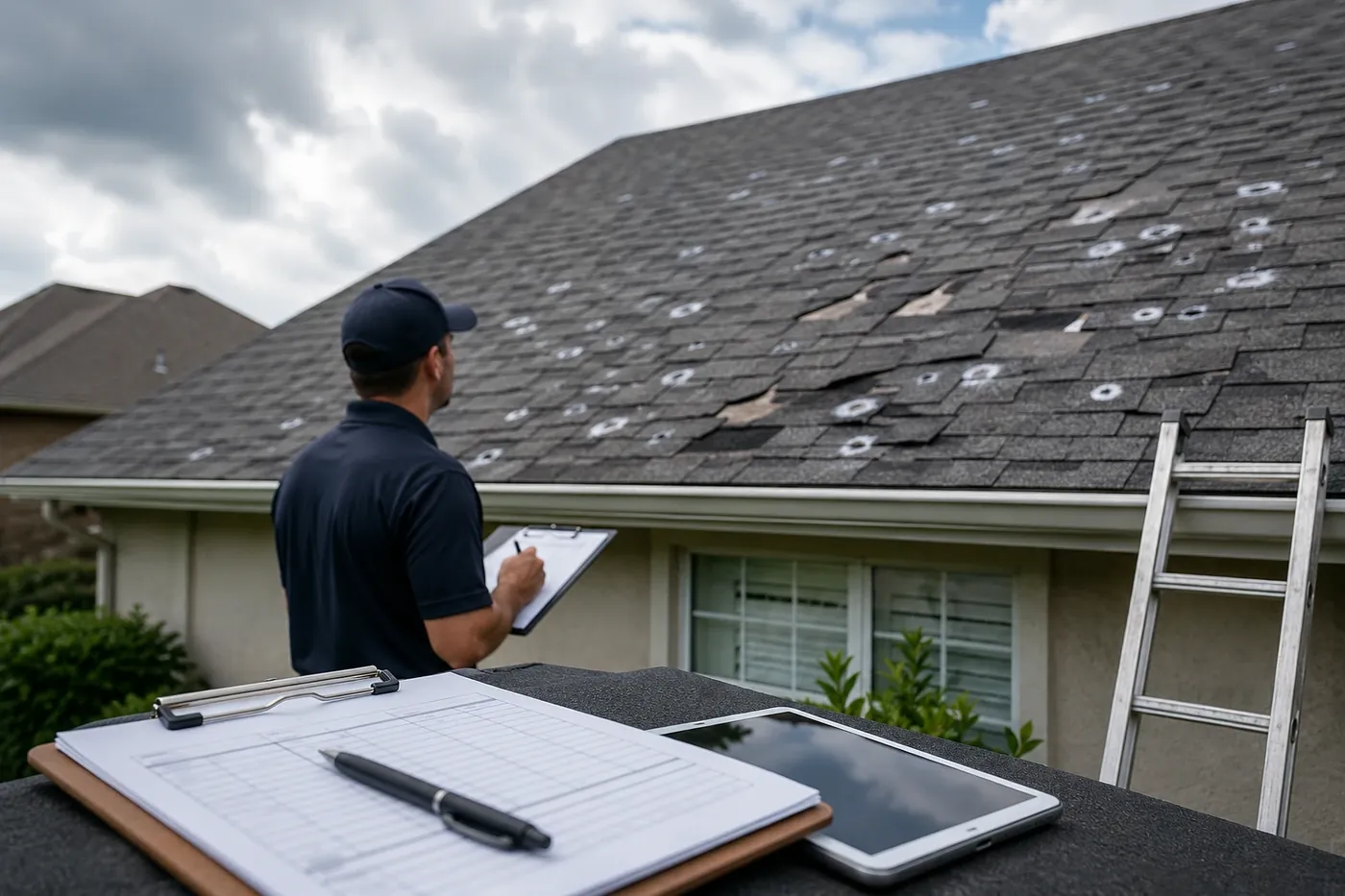
A roof appraisal lives or dies on the inspection. Your appraiser should walk every slope where it is safe, perform test squares, photograph hail fractures and soft-metal damage, measure the roof, check pitch, and look for brittleness and matching issues.
From there, each appraiser builds or refines a line-item estimate, usually in Xactimate or Symbility. The appraisers compare estimates line by line, agree where they can, and document disputed items. If they reach agreement, they sign the award. If not, the umpire decides the remaining items. See what happens if appraisers disagree.
What happens after the roof appraisal award
Once the award is signed, the insurer calculates payment based on the award, your deductible, prior payments, and depreciation. If your roof is covered on a replacement cost basis, the carrier may pay actual cash value first and release recoverable depreciation after the roof is replaced. If your policy pays the roof on an actual cash value basis, as some Texas roof surface endorsements do, depreciation is generally not recoverable. Texas prompt-payment rules under Chapter 542 generally require payment within five business days after the insurer notifies you it will pay.
Keep your roofer's invoice and completion photos. They are usually what the carrier needs to release any remaining holdback.
What to do before invoking appraisal on a roof claim
- Review your policy. Find the appraisal clause, any roof surface or cosmetic endorsements, and your deductible.
- Gather documentation. Photos, estimates, correspondence, and the carrier's inspection report.
- Understand the costs. Weigh fees against the amount in dispute.
- Choose your appraiser first. Having your appraiser ready before the demand avoids delay.
| Cost type | Who typically pays |
|---|---|
| Your appraiser's fee | You |
| Carrier's appraiser fee | The insurer |
| Umpire fee (if needed) | Usually split equally |
| Engineering or specialty inspections | The party that orders them |
Our appraisal cost calculator helps you estimate whether appraisal makes financial sense for your roof claim.
Benefits and risks of using appraisal for roof claims
Benefits
- Faster than litigation: many roof appraisals finish in weeks to a few months.
- Expert decision-makers: roofing and estimating professionals evaluate the evidence.
- Detailed evaluation: line-by-line review instead of broad arguments.
- Less conflict: a structured process often cools down an adversarial claim.
Risks and limitations
- No guaranteed increase: the award reflects the evidence and may be close to the carrier's number.
- Coverage issues remain: appraisal does not resolve coverage disputes.
- Binding result: Texas courts generally enforce awards on the amount of loss, so you usually cannot relitigate the number.
- Appraiser quality matters: an inexperienced appraiser can weaken your position.
How long does a roof appraisal take?
| Stage | Typical time |
|---|---|
| Appraiser selection | Up to about 20 days |
| Umpire selection | Often about 15 days, longer if a court appoints |
| Inspection | 1–3 weeks |
| Estimates and negotiation | 1–6 weeks |
| Umpire review (if needed) | 2–6 additional weeks |
A straightforward residential roof often resolves in one to two months. Catastrophe backlogs, umpire disputes, and complex commercial roofs extend the timeline. See how long an insurance appraisal takes for more detail.
Choosing the right roof appraiser
Questions to ask:
- How many roof appraisals have you handled, and on what roof types?
- Do you write line-item estimates in Xactimate or Symbility?
- Will you personally inspect the roof?
- Are you familiar with local Texas pricing and codes?
- How do you charge, and are there any conflicts of interest?
Ask, too, how the appraiser communicates during the process. You should know when inspections are scheduled, what the carrier's appraiser is disputing, and whether an umpire is likely.
Warning signs include promises of a specific result, pressure to sign quickly, or reluctance to inspect the roof in person. Most policies require appraisers to be competent and disinterested.
Next steps for a disputed roof claim
Appraisal can be used for roof claims whenever the carrier accepts that the roof damage is covered but you cannot agree on the amount. It is especially effective for repair-versus-replace, matching, scope, and pricing disputes.
Review your policy, organize your evidence, choose an experienced roof appraiser, and weigh the costs against the gap. Handled well, appraisal gives Texas homeowners and property owners a faster, expert-driven path to a fair, binding number.
Frequently asked questions
Can I invoke appraisal if my insurer only approved roof repairs?
Usually, yes. If the carrier accepts that storm damage occurred but approved only repairs while you believe the roof needs replacement, that is typically a dispute over the amount of loss. Most Texas policies allow either party to invoke appraisal in writing for that kind of disagreement. Check your policy's appraisal clause for the exact procedure.
Can appraisal decide whether roof damage is hail or wear and tear?
In Texas, appraisers can evaluate the extent of damage caused by a covered event, which may include separating storm damage from pre-existing wear when that is part of determining the amount of loss. They cannot decide coverage questions, such as whether a policy exclusion applies. The line can be nuanced, so review the specific dispute carefully.
How much does a roof appraisal cost?
You pay your own appraiser, the insurer pays its appraiser, and umpire fees are usually split equally if an umpire is needed. Fee structures vary by appraiser and claim size. Compare the likely total cost against the dollar difference between your estimate and the carrier's to decide whether appraisal makes financial sense.
Is a roof appraisal award binding in Texas?
Texas courts generally enforce appraisal awards as binding on the amount of loss, with limited exceptions such as fraud, mistake, or an award made without authority. The insurer may still raise coverage defenses. Because the number is usually final, it is important to present strong evidence and choose an experienced appraiser.
Can appraisal be used on commercial roof claims?
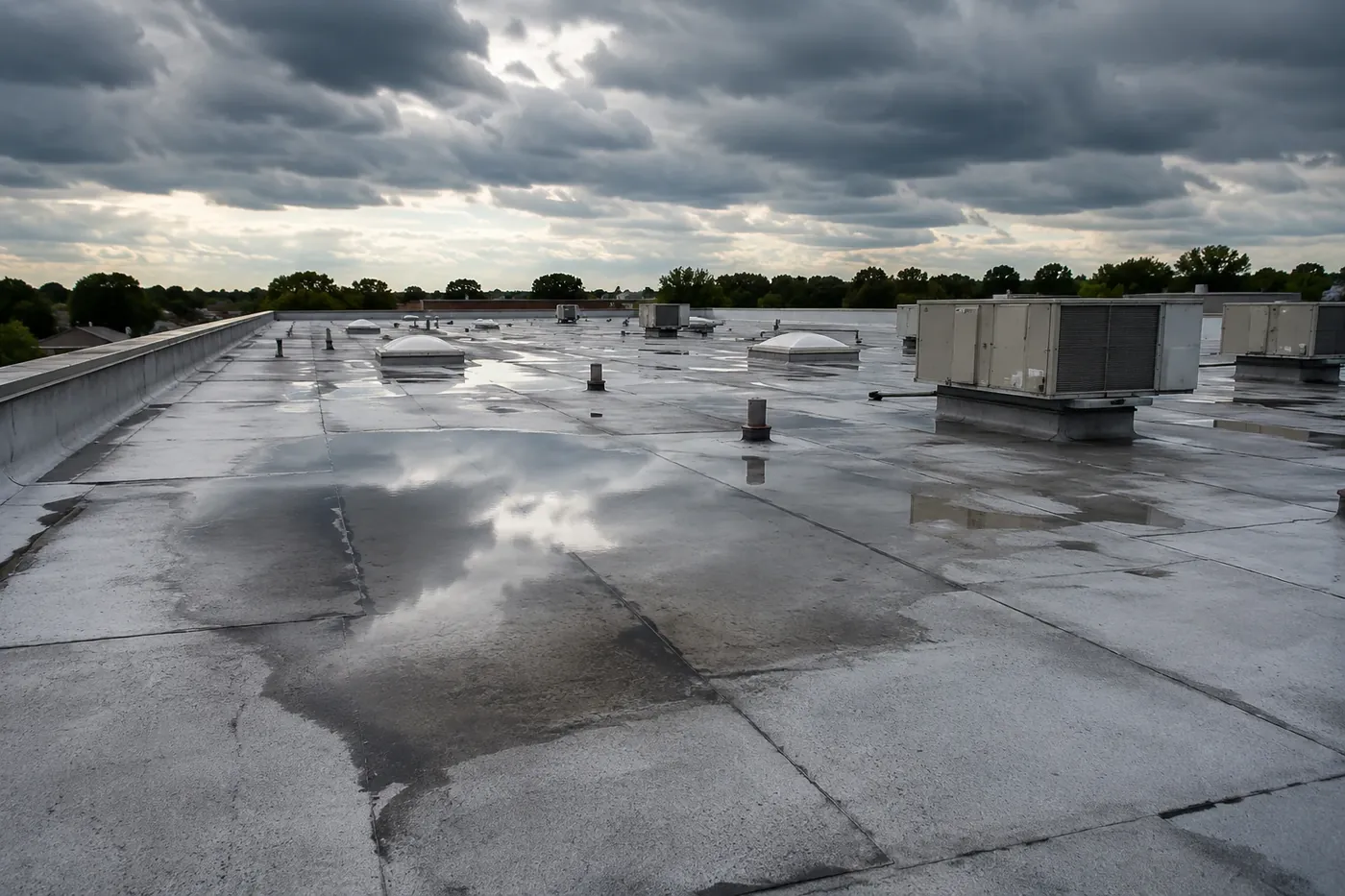
Yes. Most commercial property policies include an appraisal clause, and commercial roof disputes over membrane damage, metal panel hail damage, rooftop equipment, and replacement scope are frequently resolved through appraisal. Commercial roof appraisals often take longer because of size, complexity, and the number of building sections involved.

About the author: Joseph Dittman
Joseph is the lead appraiser at TX Insurance Appraiser and a Texas-licensed public adjuster (Rise Public Adjusting LLC, TDI license #3356839). He has spent his career inspecting hail, wind, water and fire losses and negotiating property claims across Texas. More about Joseph.
This article is general information about property insurance claims in Texas and is not legal advice. Policy language and facts vary; review your policy or consult a Texas attorney for legal questions.