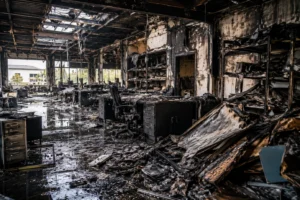


If you’ve ever filed an insurance claim—or even thought about it—you’ve likely seen the phrase notice of loss buried somewhere in your policy. It looks harmless. Almost administrative. But make no mistake: understanding the notice of loss insurance definition can be the difference between a smooth claim and a denied one.
This single step often determines how an insurance company responds to your situation. Miss it. Delay it. Do it incorrectly. And suddenly, a valid claim becomes an uphill battle. In this guide, I’ll break it all down in plain language—no fluff, no filler—so you know exactly what notice of loss means, when it’s required, and how to protect yourself.
Notice of Loss Insurance Definition (In Plain English)
Let’s start with the core notice of loss insurance definition.
A notice of loss is a formal notification you give your insurance company informing them that a loss, damage, or incident covered by your policy has occurred. That’s it. No estimates. No repair invoices. And no final numbers.
It’s simply you saying: “Something happened, and it may be covered.”
Most insurance policies require this notice as a condition of coverage. In other words, the insurer expects to be told about the loss within a certain timeframe so they can investigate, document, and respond.
Key takeaway:
- Notice of loss is not the same as filing a claim
- It starts the claims process
- It preserves your rights under the policy
And yes, timing matters. A lot.
Why Notice of Loss Exists in Insurance Policies
Insurance companies don’t require notice of loss to make your life harder. They require it because insurance is based on investigation, documentation, and risk control.
When you submit notice of loss, you give the insurer the opportunity to:
- Inspect the damage while it’s still fresh
- Determine the cause of loss
- Prevent additional damage
- Assign the right adjuster or specialist
From a policyholder perspective, notice of loss protects you as well. It creates a documented record that the loss occurred and that you complied with your policy terms.
This is why courts often scrutinize notice closely in coverage disputes.
When Is a Notice of Loss Required?
Here’s where people get tripped up.
A notice of loss is required as soon as reasonably possible after a covered event occurs—or after you become aware of it. Policies use different language, but common phrases include:
- “Prompt notice”
- “Immediate notice”
- “Notice as soon as practicable”
These don’t always mean same day. But they do mean don’t wait.
Common events that trigger notice of loss:
- Storm damage to a home or building
- Auto accidents
- Water leaks or plumbing failures
- Fire or smoke damage
- Theft or vandalism
- Liability incidents where someone may make a claim against you
Even if the damage looks minor, providing notice early keeps your options open.
How to Give Proper Notice of Loss
This is one of the most important sections in this article. Getting notice right upfront saves time, money, and frustration later.
Step-by-step process:
- Review your policy
Look for the “Duties After Loss” section. This outlines how and when notice must be given. - Notify the insurer
This can usually be done by phone, online portal, email, or mobile app. - Provide basic facts
Date, location, and a short description of what happened. - Ask for confirmation
Get a claim or reference number. Always.
You don’t need full documentation at this stage. You’re not expected to know the final cost or scope of damage yet.
Who can give notice?
- Policyholder
- Authorized representative
- Public adjuster
- Sometimes a contractor (with permission)
Notice of Loss vs Insurance Claim: Know the Difference
This confusion causes more problems than almost anything else. Let’s clear it up.
| Notice of Loss | Insurance Claim |
| Initial notification | Formal demand for payment |
| Minimal details required | Detailed documentation needed |
| Happens early | Happens after investigation |
| Preserves rights | Triggers coverage decision |
The notice of loss insurance definition refers to the first step, not the final one. You can give notice without committing to a full claim yet.
That’s powerful.
Deadlines and Time Limits You Must Respect

Most policies don’t give a hard number of days. Instead, they rely on reasonableness. But don’t assume that gives you unlimited time.
Some states and policies do impose specific deadlines, especially for:
- Auto claims
- Flood insurance
- Certain commercial policies
Delays can create problems if the insurer claims they were prejudiced by late notice—meaning your delay prevented them from properly investigating.
Best rule:
If you’re asking yourself whether it’s too early to notify, it’s probably the perfect time.
What Happens After Notice of Loss Is Submitted?
Once notice is given, things move quickly.
You can usually expect:
- A confirmation from the insurer
- Assignment of a claims adjuster
- Initial contact within days
- Instructions on next steps
This is when the claim begins to take shape. Photos may be requested. Inspections scheduled. Documents gathered.
But none of that happens without notice of loss.
Consequences of Late or Improper Notice of Loss
This is the uncomfortable part. But it’s real.
Late or improper notice can result in:
- Claim denial
- Reduced payment
- Lengthy disputes
- Legal challenges
In some cases, courts allow late notice if the insurer wasn’t harmed by the delay. In others, coverage is lost entirely.
The burden often falls on the policyholder to explain the delay.
That’s not where you want to be.
Notice of Loss Across Different Types of Insurance
The notice of loss insurance definition applies broadly, but details vary by policy type.
Property insurance
Notice should be given when damage occurs or is discovered, even if the cause isn’t fully known.
Auto insurance
Almost always requires immediate notice, especially when injuries or other vehicles are involved.
Homeowners insurance
Covers sudden and accidental losses. Ongoing issues discovered late should still be reported promptly.
Commercial insurance
Often stricter. Businesses should notify insurers immediately due to liability exposure.
Policy Language You Should Pay Attention To
Look for these phrases in your policy:
- “Duties After Loss”
- “Conditions”
- “Notice”
- “Promptly notify”
- “As soon as practicable”
If your policy includes language about prejudice to the insurer, late notice may not automatically void coverage—but don’t rely on that.
Best Practices That Protect You
Here’s what I recommend every policyholder do:
- Notify early, even if unsure
- Document everything
- Keep copies of emails and call logs
- Don’t wait for estimates before notifying
- Follow up if you don’t hear back
These habits reduce friction and keep control in your hands.
Common Mistakes to Avoid
I’ve seen these over and over:
- Waiting until repairs are complete
- Assuming damage is too small to report
- Only giving verbal notice without proof
- Missing policy deadlines
All of these are avoidable.
Real-World Notice of Loss Scenarios
Storm damage: Roof looks fine at first. Weeks later, leaks appear. Notice should be given when damage is discovered—not months later.
Auto accident: Even if you’re not at fault, notify your insurer immediately.
Water damage: Stop the leak, mitigate damage, then notify. Don’t wait.
Frequently Asked Questions
It refers to the policyholder’s obligation to notify the insurer that a covered loss or incident has occurred.
Yes, notice of loss is typically the first step and must be given before a formal claim is processed.
It should be given as soon as reasonably possible after the loss occurs or is discovered.
Yes, notice only requires basic facts and does not depend on final repair estimates.
No, it simply alerts the insurer and preserves your rights under the policy.
Delays can lead to claim denial or reduced coverage if the insurer is prejudiced by late notice.
Yes, but written or documented notice is strongly recommended for proof.
The policyholder or an authorized representative, such as a public adjuster, can submit it.
Most policies do, though the timing and method can vary by policy type and state law.
No, it only starts the process; coverage depends on policy terms and investigation results.
Final Thoughts: Treat Notice of Loss as Step One
The notice of loss insurance definition isn’t just a technical term—it’s a practical safeguard. It’s your first move after something goes wrong. And when handled properly, it keeps the process fair, transparent, and manageable.
When in doubt, notify. When uncertain, document. And when unsure, act early.
That’s how you protect your policy—and yourself.