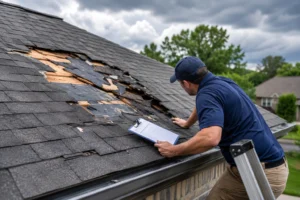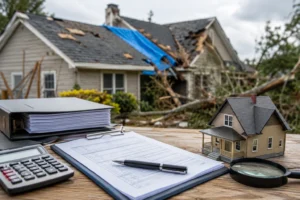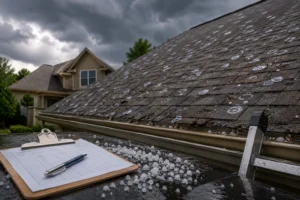

Many property owners become frustrated when they discover a large gap between an insurance estimate and a contractor’s proposal. One estimate may seem reasonable, while the other appears significantly higher. As a result, questions quickly arise about who is right and what the repairs should actually cost. However, the answer is rarely simple. Understanding why insurance estimates are often lower than contractor estimates requires a closer look at how each estimate is created and what each party is trying to accomplish. Moreover, differences in scope, pricing, labor costs, and repair methods can all contribute to the discrepancy. In many cases, one of the first Signs Your Insurance Claim Was Underpaid is when qualified contractors consistently identify repair costs or damage that were not included in the insurance estimate. Let’s examine why these differences occur and what property owners can do when estimates don’t match.
Understanding the Purpose of Each Estimate
Before comparing numbers, it is important to understand that insurance companies and contractors approach damage evaluations from entirely different perspectives.
What Is an Insurance Estimate?
An insurance estimate is created to determine the amount an insurer believes it owes under the terms of the policy. Typically, the estimate includes:
- Covered damage
- Repair costs
- Material pricing
- Labor pricing
- Depreciation calculations
- Policy limitations
The estimate is not designed to serve as a construction bid. Instead, it is intended to calculate the carrier’s financial responsibility based on the available information. In most cases, standardized estimating systems are used to maintain consistency across large numbers of claims.
What Is a Contractor Estimate?
A contractor estimate serves a much different purpose. The contractor’s responsibility is to determine the actual cost required to complete repairs properly and safely. As a result, contractor estimates often include:
- Labor costs
- Materials
- Equipment
- Project supervision
- Permits
- Disposal fees
- Overhead
- Profit
Unlike an insurance company, a contractor must complete the work for the amount quoted. Therefore, estimates are often built around real-world conditions rather than theoretical averages.
Different Goals Lead to Different Numbers
One of the primary reasons why insurance estimates are often lower than contractor estimates is that both parties are measuring different things. Insurance companies focus on covered damages. Contractors focus on repair completion. Although that distinction may seem small, it can have a major impact on the final numbers. For example, an insurance adjuster may identify damaged roofing shingles and prepare an estimate based solely on replacing those shingles. A contractor, however, may identify:
- Damaged flashing
- Underlayment concerns
- Ventilation issues
- Code-related requirements
- Additional labor needs
Consequently, the contractor’s estimate grows because the full scope of work is being evaluated. Meanwhile, the insurance estimate may remain limited to what was observed during the initial inspection.
Insurance Pricing Software Plays a Major Role
Most insurance companies rely on estimating platforms such as Xactimate to prepare claim valuations. These systems use extensive databases containing regional labor and material pricing information. There are several advantages to this approach:
- Consistency
- Efficiency
- Standardized pricing
- Broad market data
Nevertheless, software has limitations. Construction projects occur in constantly changing environments. Pricing databases attempt to reflect local conditions, but they cannot always react immediately to sudden market shifts. In many ways, these systems function similarly to a form of statistical Actuarial Science where large amounts of data are analyzed to estimate costs and financial risk. After major storms, labor demand often increases rapidly. Material shortages may develop. Contractors may experience rising supplier costs almost overnight. As a result, actual repair costs may exceed software-generated estimates.
Scope Differences Are Often the Biggest Problem
Many homeowners assume pricing disagreements are the primary cause of estimate discrepancies. In reality, scope differences frequently create much larger gaps. Scope refers to the specific work included within an estimate. Even a few omitted items can substantially affect the final settlement amount.
Commonly Missed Damage Items
Some damage is difficult to identify during an initial inspection. As a result, certain repair items may be overlooked. Examples include:
- Roof vents
- Flashing
- Gutters
- Window trim
- Interior water damage
- Insulation damage
- Siding accessories
This naturally creates a significant difference between the two numbers.
Measurement Differences
Measurements also play a critical role in estimating accuracy. Even minor errors can lead to substantial pricing variations. Consider the following examples:
| Item | Small Measurement Difference | Potential Financial Impact |
|---|---|---|
| Roofing | Additional 5 squares | Thousands of dollars |
| Flooring | Extra 200 square feet | Significant material increase |
| Siding | One elevation omitted | Higher labor and material costs |
| Painting | Additional rooms included | Increased labor expenses |
When measurements differ, estimate totals will differ as well.
Repair Versus Replacement Disputes
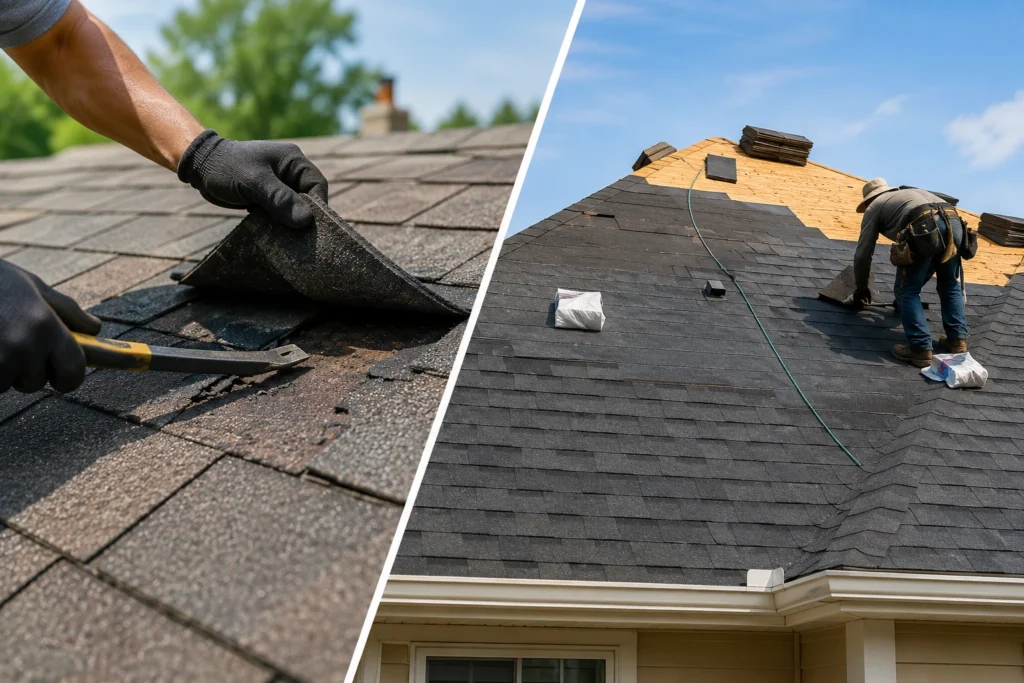
Insurance companies often evaluate whether repairs can restore functionality. Contractors frequently evaluate whether repairs are practical and sustainable. A roofing contractor may determine that matching materials are unavailable or that repairs would compromise the roof’s performance. The resulting estimates can vary dramatically. A minor repair estimate may cost hundreds of dollars. A full replacement estimate may cost tens of thousands. This type of dispute is frequently responsible for the large gaps property owners encounter after hail and wind claims.
Building Code and Ordinance Issues
Building codes evolve over time. Requirements that were acceptable years ago may no longer satisfy current standards. Contractors understand these requirements because completed projects must pass inspections and comply with local regulations. Insurance estimates may focus primarily on restoring damaged property. Contractors must consider code compliance as well.
Why Code Upgrades Increase Costs
Code-related requirements can add significant expenses to a project. Examples include:
- Updated roofing underlayment
- Enhanced ventilation systems
- Electrical upgrades
- Structural improvements
- Safety-related modifications
Consequently, contractor estimates may include costs that do not initially appear in an insurance estimate.
Insurance Coverage Limitations
Coverage for code upgrades depends on policy language. Some policies include Ordinance and Law coverage. Others provide limited protection.
Labor and Material Cost Differences
Construction pricing changes quickly. Following major storms, demand for qualified contractors often increases significantly. At the same time, labor shortages may develop. As demand rises, costs generally follow. Contractors must account for current market conditions when preparing estimates. This timing difference can create substantial estimate discrepancies. Material costs can create similar challenges. Prices for roofing products, drywall, insulation, lumber, and flooring materials often fluctuate. Contractors purchase materials at current supplier rates. Insurance software attempts to track these costs, but updates may lag behind market realities. Periods of economic uncertainty can further widen the gap. For example, during times of Stagflation, inflation can increase labor and material costs while economic growth remains sluggish. Under these conditions, contractor estimates may rise faster than insurance pricing databases can adapt. As a result, another common reason why insurance estimates are often lower than contractor estimates becomes apparent: contractors are pricing today’s market, while insurance systems may be relying on yesterday’s data.
Overhead and Profit Disputes
Another major reason why insurance estimates are often lower than contractor estimates involves overhead and profit. Overhead refers to the expenses required to operate a construction business. Profit represents the return a contractor earns for managing risk and completing the project successfully. Common overhead expenses include:
- Office operations
- Employee salaries
- Insurance
- Vehicles
- Equipment
- Licensing
- Administrative support
Contractors include these costs because they are necessary to operate the business.
Why Disagreements Occur
This issue often arises when:
- Multiple trades are involved
- Complex coordination is required
- Project management is necessary
- Significant scheduling is involved
For example, a project involving roofing, drywall, painting, flooring, and electrical work may require extensive coordination. Insurance estimates, however, may not always include these costs initially.nAs a result, the gap between estimates grows larger.
Hidden Damage Often Changes Everything
Not all damage is visible during the first inspection. This is especially common with:
- Water damage
- Roof damage
- Fire damage
- Structural damage
Examples of Hidden Damage
Contractors frequently discover:
- Wet insulation
- Damaged decking
- Hidden mold growth
- Structural deterioration
- Electrical damage
- Framing issues
The Importance of Documentation
Property owners should collect:
- Photographs
- Videos
- Contractor reports
- Moisture readings
- Material invoices
- Inspection findings
The stronger the documentation, the easier it becomes to support additional repair costs.
Common Property Claims Where Estimate Differences Occur
Certain claim types generate estimate disputes more frequently than others. Let’s look at some of the most common examples.
Roof Damage Claims
Roof claims routinely produce disagreements. Insurance adjusters and roofing contractors often differ on:
- Repair versus replacement
- Number of damaged shingles
- Underlayment damage
- Flashing replacement
- Ventilation requirements
Following hailstorms, these disputes become even more common.
Water Damage Claims
Water losses frequently involve hidden damage. While an insurance estimate may address visible damage, contractors may identify additional concerns involving:
- Moisture mitigation
- Structural drying
- Insulation replacement
- Flooring removal
- Cabinet damage
Consequently, contractor estimates often exceed initial claim valuations.
Fire and Smoke Damage Claims
Fire losses introduce additional complexities. Contractors may include:
- Smoke remediation
- Specialized cleaning
- Odor removal
- Material replacement
- Structural repairs
Meanwhile, insurance estimates may initially focus on visible damage. This difference in scope can create significant pricing gaps.
Commercial Property Claims
Commercial claims often involve complex systems and specialized repairs. Examples include:
- HVAC systems
- Roofing assemblies
- Electrical infrastructure
- Manufacturing equipment
- Tenant improvements
Because these losses are more complicated, estimate discrepancies tend to increase.
How Homeowners Can Respond to Estimate Discrepancies
Finding two very different estimates can feel overwhelming. Fortunately, there are practical steps property owners can take.
Compare the Scope Line by Line
Start by reviewing both estimates carefully. Don’t focus solely on the final numbers. Instead, examine:
- Materials
- Measurements
- Labor items
- Repair methods
- Missing components
Frequently, the biggest differences are hidden within the details.
Ask Questions
If something appears missing, request clarification. Ask the insurance carrier:
- Why certain items were excluded
- How measurements were calculated
- Whether additional inspections are available
- Whether supplemental documentation can be submitted
Clear communication often resolves misunderstandings.
Obtain Supporting Documentation
Independent evidence can strengthen your position. Helpful documentation may include:
- Contractor estimates
- Engineering reports
- Roofing inspections
- Moisture assessments
- Building code references
The more information provided, the more informed the evaluation becomes.
Maintain Organized Records
Good records protect property owners throughout the claims process. Keep copies of:
- Estimates
- Emails
- Inspection reports
- Photographs
- Invoices
- Correspondence
Important details are often overlooked when records are incomplete.
When Insurance Appraisal May Be Appropriate
Sometimes negotiations stall. The contractor disagrees. The insurance company disagrees. And the claim reaches a standstill. At that point, the appraisal process may provide a path forward.
What Is the Appraisal Clause?
Many property insurance policies contain an appraisal provision. Typically:
- The policyholder selects an appraiser.
- The insurance company selects an appraiser.
- An umpire is chosen if necessary.
- The amount of loss is determined.
The process is designed to resolve valuation disputes without litigation.
Situations Where Appraisal May Help
Appraisal is often considered when:
- Estimates differ significantly
- Scope disagreements persist
- Pricing disputes continue
- Negotiations reach an impasse
In these situations, an independent evaluation can be valuable.
Benefits of Appraisal
Several advantages exist. These include:
- Faster resolution
- Independent review
- Reduced legal expenses
- Focus on valuation issues
- Structured dispute resolution
For many property owners, appraisal becomes an effective tool when traditional negotiations fail.
Common Misconceptions About Estimate Differences
Several myths continue to circulate throughout the insurance industry. Let’s address a few of the most common.
“The Contractor Must Be Overcharging”
Not necessarily. Contractors often account for real-world construction conditions, labor shortages, project management requirements, and code compliance. Higher estimates do not automatically indicate inflated pricing.
“The Insurance Company Must Be Underpaying”
Not always. Insurance estimates are developed using policy language, inspection findings, and pricing databases. Additional investigation is often needed before conclusions can be reached.
“The Lowest Estimate Must Be Correct”
This assumption creates problems. The quality of an estimate depends on scope accuracy, not simply price. An incomplete estimate can appear less expensive while failing to address necessary repairs.
Conclusion
Understanding why insurance estimates are often lower than contractor estimates helps property owners navigate claim disputes more effectively. While pricing differences play a role, scope omissions, code requirements, labor costs, hidden damage, and overhead expenses are often bigger factors. Therefore, estimates should be reviewed carefully, supporting documentation should be gathered, and questions should be asked whenever discrepancies arise. If disagreements continue, the appraisal process may provide a practical path toward a fair resolution.
FAQs
Contractors often include additional repair items, code requirements, labor costs, and project management expenses that may not appear in the initial insurance estimate.
Not necessarily. The difference may result from scope disagreements, pricing variations, or damage that was not identified during the first inspection.
Yes. Hidden damage, moisture intrusion, structural issues, and code-related requirements are sometimes discovered after the initial inspection.
Gather supporting documentation from qualified contractors and submit the information to your insurance company for review.
Estimating software helps insurers create consistent claim valuations using regional labor and material pricing data.
A supplemental claim is a request for additional payment after new damage or repair costs are discovered during the restoration process.
Coverage depends on the policy. Some policies include Ordinance and Law coverage, while others may limit or exclude certain code-related expenses.
These are business expenses and earnings associated with managing and completing a construction project, especially when multiple trades are involved.
Appraisal may be appropriate when significant disagreements remain regarding the amount of loss and negotiations have stalled.
In some cases, appraisal results in a higher settlement when additional scope, pricing, or valuation issues are identified and properly evaluated.