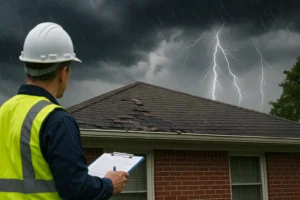

Most people shop for home insurance because their lender tells them to. But the second they hear the phrase what is hazard insurance for home, their eyes glaze over. Hazard insurance sounds technical. Dry. Something you’ll get around to understanding “one day.” Yet it’s one of the most important parts of your policy—and the part that actually protects you when your home is damaged. Let’s break it down simply, clearly, and honestly. Because if you own a home in Texas, hazard coverage isn’t optional…it’s survival.
Why Hazard Insurance Matters in Texas

Texas doesn’t do storms halfway. Hail the size of baseballs. Straight-line winds that rattle windows like a freight train. Wildfires that tear through rural neighborhoods faster than people can pack a bag. Hazard insurance is the layer of financial protection that lets you recover and rebuild after those moments.
And here’s the real twist: most people don’t even know what hazard insurance is because lenders rarely use the term “homeowners insurance” correctly. Instead, they say things like “make sure you have hazard insurance,” which leaves homeowners scrambling to Google what is hazard insurance for home.
Hazard Insurance Defined
Hazard insurance is the part of your homeowners policy that covers damage caused by specific risks—think fire, wind, hail, lightning, vandalism, and more. It protects the physical structure of your home: the walls, roof, foundation, windows, and attached structures.
Here’s the first truth bomb: Hazard insurance is not a separate standalone policy. It’s built into homeowners insurance.
But lenders call it out separately because they care about the structure — not your personal items, liability, or living expenses. When they say, “You need hazard insurance,” what they’re really saying is: “You need enough dwelling coverage to repair or rebuild your home after a disaster.”
So when homeowners ask what is hazard insurance for home, the quick answer is: It’s the essential protection that covers physical damage from common disasters.
Simple. Precise. Absolutely necessary.
What Hazard Insurance Typically Covers
Let’s go deeper. Because knowing exactly what’s covered helps you understand your risk.
A. Fire, Smoke, and Explosions
Fire is still one of the biggest home-destroying risks nationwide. In Texas, electrical storms and lightning only add fuel to the problem. Hazard insurance covers structural damage, smoke infiltration, and repairs after explosions from gas leaks or appliances.
B. Wind, Hail, and Storm Damage
Texas leads the nation in hail claims year after year. Roofs take the beating first, followed by siding and windows. Hazard insurance typically covers all of this unless you’re in a coastal zone requiring a separate windstorm policy.
C. Lightning Damage
Lightning can blow out electronics, fry wiring, and cause hidden structural issues. Hazard insurance covers the repairs—even if flames never appear.
D. Vandalism and Malicious Mischief
Break-ins, intentional property damage, and destructive acts often fall under hazard coverage, depending on policy conditions.
E. Theft (Depending on Policy Structure)
Some policies include it in dwelling protections, others assign it to personal property coverage. It’s worth checking.
F. Falling Objects & Vehicle Impact
Trees, limbs, and even runaway vehicles are covered hazards in most policies.
Table: Common Hazards and Typical Coverage
| Hazard Type | Usually Covered | Sometimes Covered | Not Covered | Notes |
| Fire & Smoke | ✔️ | — | — | Always included in standard policies |
| Hail & Wind | ✔️ | — | — | Coastal areas may require separate windstorm |
| Lightning | ✔️ | — | — | Covers surges & structural harm |
| Vandalism | ✔️ | — | — | Exclusions in vacant homes |
| Theft | — | ✔️ | — | Depends on policy structure |
| Earth Movement | — | — | ❌ | Requires separate earthquake/sinkhole |
| Flooding | — | — | ❌ | Requires NFIP or private flood policy |
What Hazard Insurance Does Not Cover
This part matters as much as the coverage list. Because assumptions cost homeowners money—and stress.
Hazard insurance does not cover:
- Flooding from storms or rising water
- Earthquakes, sinkholes, or land shifts
- Sewer backups
- Routine wear and tear
- Damage from pests
- Poor maintenance
- Mold growth tied to long-term neglect
If you’ve ever wondered what is hazard insurance for home not supposed to cover, this is the list. Not understanding exclusions is how homeowners get blindsided.
How Hazard Insurance Works With Your Mortgage

Mortgage lenders want your home protected because your house is the collateral. If something damages it, they want assurance it can be rebuilt.
A. Why Lenders Demand Hazard Insurance
- It safeguards the investment
- It ensures a damaged home doesn’t lose value
- It guarantees the borrower can’t abandon a destroyed home
This is why the phrase what is hazard insurance for home shows up in loan requirements again and again.
B. Escrow and Hazard Insurance Premiums
Most homeowners pay hazard insurance through escrow. It’s rolled into your monthly mortgage payment, then your lender pays the insurer annually.
Premium changes? Yep, they happen. When they do, your escrow adjusts—sometimes up, sometimes down.
How Much Hazard Insurance Do You Actually Need?
This part gets overlooked constantly. People guess. They pick a number because it looks reasonable. Or they match the amount their neighbor chose.
But hazard insurance should always be based on replacement cost, not market value.
Replacement Cost vs. Actual Cash Value
- Replacement Cost: What it would cost today to rebuild your home exactly as it stands.
- Actual Cash Value: Replacement cost minus depreciation. Much cheaper. Much riskier.
If your policy uses actual cash value for your structure, rebuilding after a major loss becomes financially painful.
Why Appraisals Matter
To insure your home correctly, you need an accurate valuation. That’s where TX Insurance Appraiser becomes a critical partner. We provide unbiased, real-world assessments of home value and repair costs.
If you want a policy that truly reflects your home’s rebuild cost, an appraisal is non-negotiable.
What Affects Your Hazard Insurance Premium?
Premiums vary wildly across Texas. But they aren’t random. They’re based on identifiable, measurable factors.
Here’s a breakdown:
A. Location & Local Risk Levels
Homes in hail belts, flood zones, wildfire corridors, or high-wind regions pay more.
B. Age of the Home
Older homes = older electrical, plumbing, roofs, and materials.
C. Roofing Materials
Metal roofs often reduce premiums. Wood shingles? Expect the opposite.
D. Claims History
Multiple previous claims follow the property—not just the homeowner.
E. Deductible Choices
Higher deductible = lower premium
Lower deductible = higher premium
Simple math.
F. Safety Upgrades
Insurance companies love:
- Impact-resistant roofing
- Monitoring security systems
- Fire-rated building materials
Table: Factors That Influence Cost
| Factor | Low Impact | Medium Impact | High Impact | Cost-Saving Tip |
| Location | — | ✔️ | ✔️✔️ | Trim trees, maintain roof |
| Age of Home | ✔️ | ✔️ | — | Update old systems |
| Roof Type | ✔️ | — | ✔️✔️ | Upgrade to impact-resistant |
| Claims History | — | ✔️ | ✔️✔️ | Prevent repeat claims |
| Deductible | ✔️ | ✔️ | — | Choose wisely |
| Home Upgrades | ✔️✔️ | — | — | Install security system |
Filing a Claim: What to Expect
The moment something goes wrong, hazard insurance becomes real. But filing a claim doesn’t have to feel chaotic.
A. When to File
If damage is significant enough to impact safety, comfort, or structure—file. If it’s minor, weigh the deductible carefully.
B. Documentation
This step is everything.
Gather:
- Photos and videos (lots of them)
- Receipts
- Contractor estimates
- Any prior appraisals
C. Adjuster Visit
The insurer’s adjuster evaluates damage and assigns costs. But here’s where disputes can happen.
Some adjusters undervalue repairs. Not out of malice—often from lack of local pricing knowledge or limited time. When that happens, homeowners turn to TX Insurance Appraiser for an independent assessment.
D. Repair Estimates
Always get your own estimate. Don’t rely solely on the insurer’s numbers.
E. Avoiding Delays
Respond quickly. Provide clean documentation. Keep your records organized.
F. Why Independent Appraisers Matter
If you disagree with the insurer’s valuation, the policy’s appraisal clause kicks in. That’s when you need experts who understand real construction costs and Texas market pricing.
TX Insurance Appraiser specializes in this work. We fight for accurate payouts. And we make sure homeowners aren’t left with the bill for under-assessed damage.
Hazard Insurance Appraisals: When They Matter Most
Appraisals aren’t just for home sales. They’re crucial during insurance disputes, especially when the insurer’s repair estimate is too low.
Appraisal matters when:
- A roof claim is undervalued
- Hail damage is categorized as “cosmetic” when it’s structural
- An insurer refuses to recognize interior leak damage
- Repair costs have risen due to material shortages
- Contractor bids are significantly higher than the insurer’s estimate
Hazard insurance exists to rebuild your home—not leave you with financial gaps. And when you’re unsure what is hazard insurance for home supposed to cover in real-world scenarios, appraisal exposes the truth.
TX Insurance Appraiser steps in as your advocate, ensuring your valuation reflects actual repair costs—not shortcuts.
Hazard Insurance vs. Other Common Policies
People often lump all property coverage together. But each type serves a different purpose.
Hazard vs. Homeowners Insurance
Homeowners insurance includes hazard coverage PLUS:
- Personal property
- Liability
- Loss of use
Hazard is just the structural protection portion.
Hazard vs. Flood Insurance
Hazard insurance doesn’t cover rising water. Ever. Flood insurance is a separate policy through NFIP or private insurers.
Hazard vs. Windstorm Insurance
Coastal residents may need windstorm coverage from TWIA if private insurers exclude it.
Hazard vs. Mortgage Insurance
These two have nothing in common. Mortgage insurance protects the lender, not you.
Comparison Table
| Insurance Type | Purpose | Required by Lender? | Covers Structure? | Notes |
| Hazard | Protects home from named perils | ✔️ | ✔️ | Part of homeowners policy |
| Homeowners | Full-spectrum home coverage | ✔️ | ✔️ | Includes hazard + more |
| Flood | Covers rising water | Sometimes | ✔️ | Separate policy |
| Windstorm | Covers hurricanes/high winds | In some areas | ✔️ | Required in coastal Texas |
| Mortgage Insurance | Protects lender from default | Sometimes | ❌ | No structural protection |
Choosing the Right Hazard Insurance Policy
A poor hazard policy can cost you thousands after a major loss. But a strong policy feels invisible—until the day you need it.
Straightforward tips:
- Read the exclusions first. They matter more than the coverage list.
- Match your policy to Texas risks. Hail, wind, lightning—don’t skimp.
- Avoid underinsuring. If it costs $350,000 to rebuild your home, don’t insure it for $250,000.
- Review annually. Costs change. Materials change. Risks change.
- Document everything. Photos. Videos. Receipts. Keep them together.
- Use an appraiser when confused. It saves time and protects your wallet.
When homeowners ask what is hazard insurance for home, the most honest answer is this:
It’s the part of your policy you’ll rely on when the unexpected happens. Choose wisely.
How TX Insurance Appraiser Helps Protect Your Home
We aren’t an insurance company. We aren’t tied to an insurer’s financial interests.
We’re independent. Neutral. But deeply knowledgeable about Texas property damage.
TX Insurance Appraiser helps homeowners by:
- Providing unbiased home valuations
- Identifying underinsured properties
- Supporting policyholders during claim disputes
- Ensuring repair costs reflect real market pricing
- Clarifying coverage gaps
- Reviewing policy language tied to hazard risks
- Representing the homeowner in appraisal processes
Hazard insurance protects your home. TX Insurance Appraiser protects your payout.
We make sure the numbers match reality—not wishful thinking.
FAQs About Hazard Insurance for Homes
Hazard insurance protects the structure of your home from specific risks like fire, hail, wind, and lightning. It’s a core part of your homeowners insurance.
No—hazard insurance is just one part of a homeowners policy, specifically covering structural damage from named hazards.
Yes, most policies cover roof damage caused by wind, hail, and storms, unless excluded by your region or policy.
No, flooding is never included; you must purchase separate flood insurance if you’re in a high-risk area.
Lenders require it to protect the home’s rebuild value since the property is their financial collateral.
You need enough coverage to rebuild your home at today’s construction prices, not its market value.
Higher deductibles lower your premium, while lower deductibles raise it.
Hazard policies typically exclude earthquakes, sinkholes, sewer backups, pest damage, and general wear and tear.
Yes—you can invoke the appraisal clause and bring in an independent appraiser to reassess the damage and costs.
They provide unbiased valuations, assist with disputed claims, and ensure repair costs match real market pricing.
Conclusion: The Real Meaning of Hazard Protection
Hazard insurance is more than a line item on your mortgage. It’s the financial shield that lets you recover after life throws something unexpected your way. Texas homeowners face real, measurable risks—from hailstorms to lightning strikes to wind that can peel off a roof in seconds.
Understanding what is hazard insurance for home isn’t just smart. It’s essential. And partnering with TX Insurance Appraiser ensures that when your home needs repairs, your policy works exactly the way you expect it to.
Your home is too important for guesswork. Your coverage should be too.