
Roof insurance disputes are everywhere in Texas right now. After major hailstorms and wind events, homeowners often discover that the insurance estimate feels too low, the repairs seem incomplete, or the insurer refuses full roof replacement entirely. That is usually when the question appears fast: can appraisal be used for roof claims? In many situations, yes. Insurance appraisal has become one of the most common ways to resolve roofing claim disputes without entering a courtroom. It focuses primarily on disagreements involving repair scope, pricing, replacement costs, and the overall amount of loss. But appraisal is not a magic fix for every roofing dispute. Some claims qualify. Others do not. And understanding the difference can save homeowners enormous time, money, and frustration.
Understanding Roof Insurance Claims
Roof claims sound straightforward until the paperwork starts. A storm damages the roof. A claim gets filed. An adjuster inspects the property. Then the disagreements begin. Roofing systems are complicated. Insurance policies are complicated too. When both sides start interpreting damage differently, disputes happen quickly.
What Counts as a Roof Claim?
Most roof insurance claims involve sudden storm-related events such as:
- Hail damage
- Wind damage
- Tornado impacts
- Falling tree limbs
- Heavy rain intrusion after storm damage
- Hurricane-related roof failures
Some claims involve catastrophic destruction that is easy to identify. Others become gray-area disputes where the contractor recommends replacement while the insurer approves only repairs. That is where appraisal often enters the picture.
Why Roof Claims Become Disputed
Insurance companies and roofing contractors frequently disagree about what the roof actually needs. One side may believe the roof remains repairable. The other may believe replacement is unavoidable. Several common issues create these disputes.
| Dispute Type | Why It Happens |
|---|---|
| Repair vs replacement | Insurer believes repairs are sufficient |
| Cosmetic vs functional damage | Carrier argues roof still performs properly |
| Matching problems | Replacement shingles unavailable |
| Code upgrade disagreements | Modern codes increase repair costs |
| Depreciation disputes | Reduced valuation lowers settlement amounts |
These disagreements are exactly why homeowners ask: can appraisal be used for roof claims? And in many Texas cases, the answer is absolutely yes.
What Is Insurance Appraisal?
Insurance appraisal is a formal dispute-resolution process built directly into many property insurance policies. It is not a lawsuit. It is not mediation either. Instead, appraisal focuses mainly on one issue: The amount of loss. In other words, appraisal determines how much the damage is worth.
How the Appraisal Process Works
The process usually follows several structured steps. First, the homeowner selects an appraiser. Then the insurance company selects its own appraiser. If those appraisers cannot agree, a neutral umpire helps resolve the disagreement. Once two of the three parties agree on the value, the appraisal award is typically finalized. Here is the general process:
| Step | Description |
|---|---|
| Appraisal invoked | One party formally demands appraisal |
| Appraisers selected | Both sides hire independent appraisers |
| Property inspections | Roof damage evaluated carefully |
| Estimates compared | Scope and pricing reviewed |
| Umpire involvement | If disagreements continue |
| Award finalized | Agreed value becomes binding in many cases |
Simple on paper. Much more intense in real-world roof claims.
Can Appraisal Be Used for Roof Claims?
Yes. Very commonly. Roofing disputes are among the most frequent insurance claims that enter appraisal throughout Texas. Severe hailstorms create massive claim volumes every year. Rising roofing costs only make those disputes worse. That combination pushes many homeowners directly into appraisal.
Roof Claims That Commonly Qualify for Appraisal
Appraisal usually works best when both sides agree that damage exists but disagree about the value or repair scope. Examples include:
- Hail-damaged shingles
- Wind-lifted roofing systems
- Partial replacement disagreements
- Flashing damage disputes
- Underlayment replacement issues
- Roofing code upgrade costs
- Labor pricing disputes
- Steep roof access charges
These situations focus primarily on pricing and scope. That is exactly where appraisal becomes useful.
Situations Where Appraisal May Not Apply
This part matters enormously. Appraisal usually does not resolve pure coverage disputes. For example:
- The insurer says no storm damage exists
- The carrier blames wear and tear
- Fraud concerns arise
- Policy exclusions apply
- Late reporting becomes disputed
Those issues often require legal interpretation rather than valuation discussions. And appraisal cannot always solve that.
Why Roof Claims Frequently Enter Appraisal in Texas
Texas produces some of the largest hail losses in the country. That creates pressure across the entire insurance industry. After major storms, insurers process enormous claim volumes within short periods of time. And rushed inspections often lead to incomplete estimates. Some roof inspections last only minutes. Seriously. That is one reason appraisal has become increasingly common for roof claims across Texas.
Rising Roofing Costs Create Bigger Disputes
Roof replacement pricing has changed dramatically over the last several years. Material costs increased. Labor shortages worsened. Supply chain disruptions affected availability. Everything became more expensive. As a result, the gap between contractor estimates and insurance estimates often grows much larger than homeowners expect. And larger valuation gaps usually increase the chances of appraisal.
Common Roof Claim Disputes That Lead to Appraisal
Certain roofing disagreements appear repeatedly during appraisal.
Repair vs Full Replacement Disputes
This is one of the biggest appraisal triggers. Insurance companies frequently approve repairs while roofing contractors recommend complete replacement. Insurers may argue:
- Damage is isolated
- Repairs remain functional
- Roof lifespan still exists
- Full replacement is unnecessary
Roofing contractors may counter with:
- Brittle shingles
- Widespread granule loss
- Matching problems
- Hidden structural concerns
These disputes frequently escalate into appraisal.
Roof Matching Problems
Partial roof replacement sounds simple until the materials no longer match. Then the homeowner ends up with a patchwork-looking roof. Manufacturers regularly discontinue shingles and color lines, making perfect matches difficult or impossible. Some insurance policies address matching directly. Others do not. Appraisers often evaluate these disputes carefully during roof claims.
Hidden Roof Damage
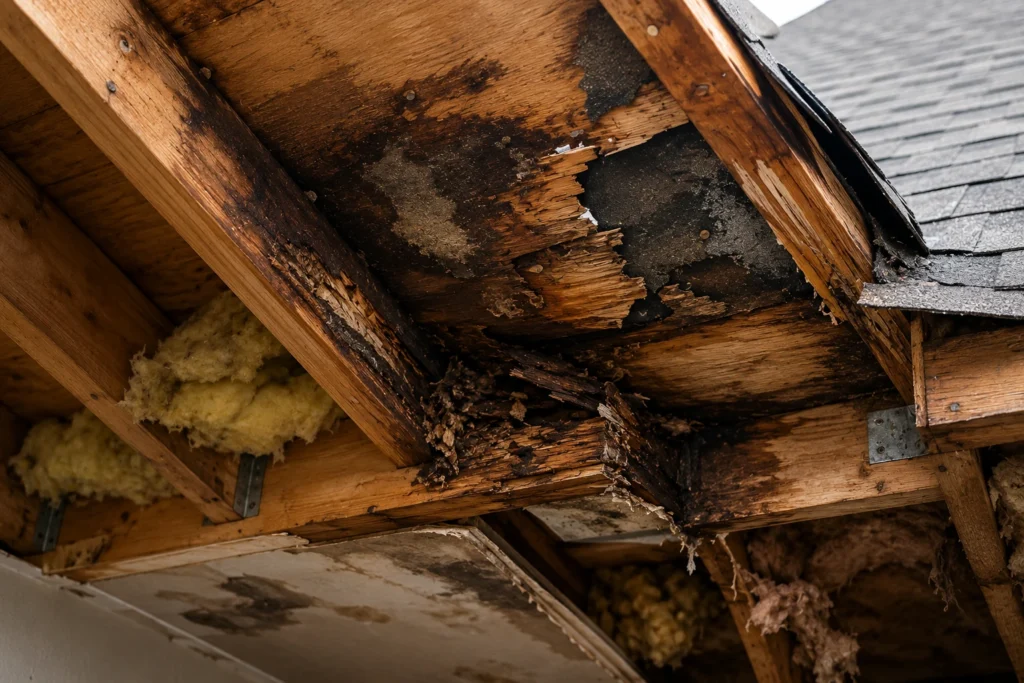
Not all roof damage appears immediately. Especially after severe hailstorms. Some hidden issues include:
- Damaged underlayment
- Soft roof decking
- Cracked flashing
- Moisture intrusion
- Ventilation problems
Independent appraisal inspections sometimes uncover damage completely missed during the original adjustment process. That can significantly change the final valuation.
Code Upgrade Disputes
Building code requirements frequently create major pricing disagreements. Especially on older roofs. Examples include:
- Ice and water shield requirements
- Drip edge installation
- Updated ventilation systems
- Deck attachment standards
- Municipal code compliance
Code-related costs can dramatically increase roof replacement pricing.
How Roof Appraisals Actually Work
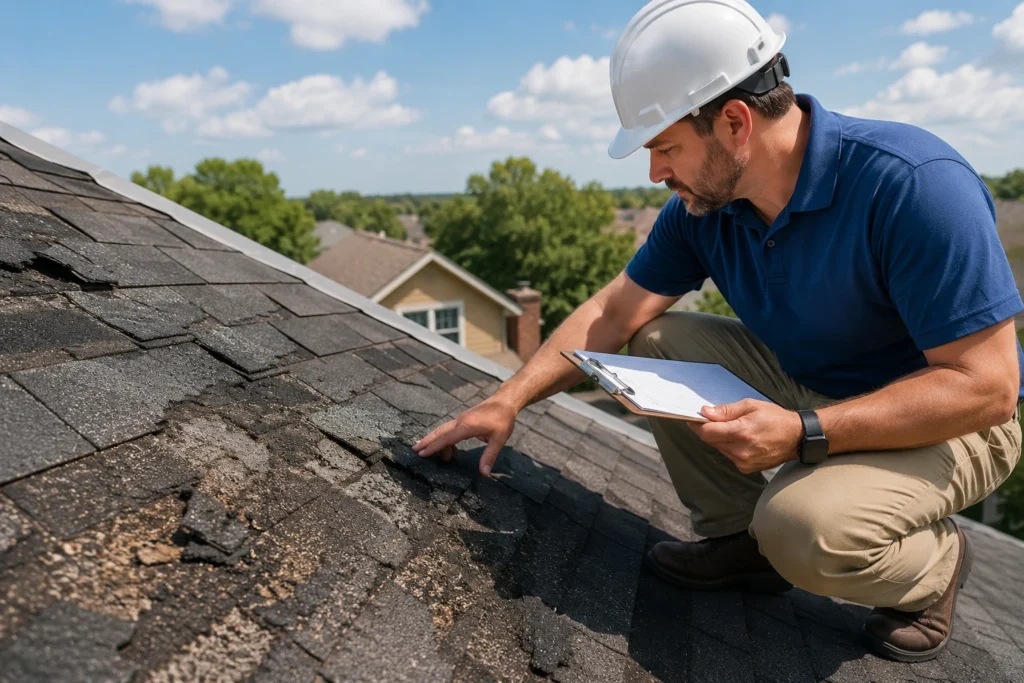
Roof appraisals are usually much more detailed than standard insurance inspections. Good appraisers inspect carefully. Very carefully.
Roof Inspections Matter Enormously
Professional roof appraisers commonly inspect:
- Shingles
- Flashing
- Ridge caps
- Roof vents
- Gutters
- Skylights
- Interior leak areas
- Attic conditions
Documentation becomes critical during this stage. That may include:
- Drone photography
- Measurement reports
- Moisture readings
- Weather reports
- Contractor estimates
- Prior repair documentation
The stronger the documentation, the stronger the appraisal position becomes.
Estimating Software Plays a Major Role
Many roofing disputes rely heavily on estimating software like Xactimate. These systems help standardize pricing structures. But disagreements still happen constantly. Especially involving:
- Labor minimums
- Waste factors
- Steep roof charges
- Code upgrades
- Detach-and-reset items
- Regional material pricing
Many large roofing disputes rely on structured estimating platforms and highly detailed valuation methodologies that resemble forms of Actuarial science when calculating long-term risk, pricing trends, and projected reconstruction costs. Even small pricing disagreements can create thousands of dollars in settlement differences.
What Homeowners Should Do Before Invoking Appraisal
Appraisal can help tremendously. But preparation matters.
Review the Insurance Policy Carefully
Every insurance policy handles appraisal differently. Read the appraisal clause closely. Pay attention to:
- Deadlines
- Procedures
- Cost-sharing rules
- Coverage limitations
Ignoring policy details creates unnecessary problems later.
Gather Strong Documentation
Weak documentation weakens claims. Before invoking appraisal, homeowners should organize:
- Roof inspection reports
- Contractor estimates
- Storm dates
- Photos
- Repair invoices
- Insurance correspondence
- Engineering reports if available
Digital organization helps enormously too. Create folders for:
- Roof photos
- Interior damage
- Estimates
- Weather reports
- Claim communications
Strong evidence often changes negotiations.
Understand the Costs Involved
Appraisal is not free. Usually, each side pays its own appraiser. The umpire cost is often shared. Potential expenses may include:
| Cost Type | Description |
|---|---|
| Appraiser fees | Independent roof valuation |
| Umpire fees | Shared neutral decision-maker |
| Engineering inspections | Structural analysis if needed |
| Additional inspections | Supplemental evaluations |
Even so, appraisal often costs far less than full litigation.
Benefits of Using Appraisal for Roof Claims
There is a reason appraisal continues growing throughout Texas roofing disputes. It often works.
Faster Than Litigation
Lawsuits can take years. Appraisal often moves faster. That matters enormously when homeowners are dealing with roof leaks, interior water damage, or delayed repairs.
More Detailed Damage Evaluations
Some original claim inspections are rushed. Appraisal inspections usually go deeper. Appraisers may identify:
- Missed collateral damage
- Additional roofing components
- Hidden moisture issues
- Code-related upgrades
That often creates more accurate valuations.
Reduced Emotional Conflict
Roof disputes become stressful quickly. Especially after severe storms. Appraisal introduces a structured process focused more on evidence and documentation than emotional arguments. That alone can help resolve deadlocked claims.
Risks and Limitations of Roof Claim Appraisal
Appraisal is powerful. But it has limitations.
Appraisal Does Not Guarantee Higher Payments
Some homeowners assume appraisal automatically increases settlements. Not true. Sometimes awards increase substantially. Other times the change remains minimal. Everything depends on evidence quality, policy language, and inspection findings.
Coverage Issues May Still Continue
Even after appraisal, insurers may continue disputing:
- Causation
- Policy exclusions
- Wear and tear arguments
- Late notice concerns
Appraisal mainly addresses valuation disputes. Not every legal disagreement disappears afterward.
Poor Appraisers Hurt Outcomes
Experience matters enormously during roof claims. An inexperienced appraiser may overlook:
- Roofing code requirements
- Regional pricing trends
- Supplemental damage
- Technical roofing issues
Choosing the right appraiser can significantly affect the outcome.
Roof Claims That Frequently End Up in Appraisal
Certain roofing systems generate disputes more frequently than others.
Residential Roofing Claims
Common residential appraisal disputes involve:
- Asphalt shingles
- Tile roofing
- Metal roofing systems
- Architectural shingles
Hail damage disputes dominate residential appraisals across Texas.
Commercial Roofing Claims
Commercial roof claims become much more complicated. These disputes may involve:
- TPO roofing systems
- EPDM roofs
- Modified bitumen
- Multi-building properties
- Business interruption concerns
Some advanced inspections may involve moisture mapping, thermal imaging, and surface analysis methods similar to principles studied in Photogrammetry, especially when documenting complex storm damage across large roofing systems. Commercial appraisal disputes can involve enormous financial exposure. Sometimes hundreds of thousands of dollars.
How Long Roof Appraisal Usually Takes
Homeowners always ask about timing. Fair question. The answer depends heavily on claim complexity.
Typical Roof Appraisal Timeline
| Stage | Estimated Time |
|---|---|
| Appraiser selection | 1–2 weeks |
| Inspection scheduling | 2–4 weeks |
| Estimate preparation | 2–6 weeks |
| Umpire review | Varies |
| Final award | Several weeks to months |
Large storm seasons often slow everything down. Especially in active Texas hail markets.
What Delays Roof Appraisal?
Several factors commonly delay the process:
- Severe weather seasons
- Scheduling conflicts
- Engineering disputes
- Large-loss complexity
- Umpire availability
- Incomplete documentation
Patience becomes important.
Choosing the Right Roof Appraiser
This decision matters more than many homeowners realize. Not every appraiser understands roofing. And not every roofing expert understands appraisal. You want both.
Questions Homeowners Should Ask
Before hiring an appraiser, ask:
- How much roofing experience do you have?
- Have you handled Texas hail claims?
- Are you familiar with local building codes?
- Do you understand Xactimate pricing?
- Have you worked commercial roofing disputes?
Specific experience matters enormously.
Warning Signs to Avoid
Be cautious of appraisers who:
- Promise unrealistic results
- Guarantee huge settlements
- Avoid detailed inspections
- Lack roofing expertise
- Communicate poorly
Strong appraisers focus on evidence. Not hype.
Final Thoughts
So, can appraisal be used for roof claims? Absolutely. And throughout Texas, it already is. Thousands of disputed roof claims enter appraisal every year because homeowners and insurers disagree on repair scope, pricing, replacement requirements, or code upgrades. But appraisal works best when homeowners prepare properly. Strong documentation matters. Thorough inspections matter. Experienced appraisers matter too. And understanding the difference between valuation disputes and coverage disputes matters most of all. When used strategically, appraisal can become one of the most effective tools available for resolving roof insurance disputes without years of courtroom delays.
FAQs
Yes. Hail damage disputes are one of the most common reasons homeowners invoke appraisal during roof insurance claims in Texas.
Usually, appraisal works best when both sides agree damage exists but disagree on value. Full coverage denials may require legal review instead.
Typically, each side pays its own appraiser while both parties split the umpire cost equally.
Most roof appraisals take several weeks to a few months depending on claim complexity, scheduling, and whether an umpire becomes necessary.
Appraisal can help determine the proper scope and value of repairs, but coverage limitations and policy language still matter.
Hail damage, wind damage, flashing disputes, underlayment issues, and code upgrade disagreements frequently lead to appraisal.
In many cases, yes. Appraisal often resolves valuation disputes much faster than full litigation.
Absolutely. Contractors often provide inspections, estimates, and documentation that strengthen the homeowner’s position.
If both appraisers cannot agree, a neutral umpire reviews the dispute and helps finalize the appraisal award.
Yes. Commercial roofing disputes involving TPO, EPDM, flat roofs, and multi-building properties commonly enter appraisal proceedings.