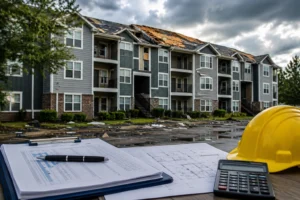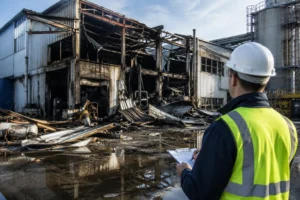

Insurance disputes can become expensive fast. A single mistake during the appraisal process may delay settlements, reduce payouts, or create unnecessary conflict between policyholders and insurers. That is why understanding the common mistakes during insurance appraisal matters so much. Small oversights often turn manageable claims into stressful, drawn-out disputes. The good news? Most appraisal problems are preventable with better preparation, stronger documentation, and a clear understanding of how the process works.
What Is an Insurance Appraisal?
Insurance appraisal is a dispute resolution process found in many property insurance policies. It is commonly used when the policyholder and insurance company disagree on the value of damages. Usually, the disagreement focuses on repair costs, pricing, or the scope of damage rather than coverage itself. The appraisal process generally includes:
- A policyholder-selected appraiser
- An insurance company appraiser
- A neutral umpire if disagreements remain
Compared to lawsuits, appraisal is usually faster and less expensive. Still, it can become highly technical. Large appraisal disputes often involve roofing systems, structural repairs, moisture intrusion, fire damage, and building code requirements. Even minor mistakes during the process may affect the final settlement significantly.
Why Insurance Appraisals Become Difficult
Insurance appraisal sounds simple on paper. In reality, it often becomes complicated because large property losses involve enormous amounts of information. Contractors disagree. Estimates vary. Hidden damage appears later. Repair pricing changes. Building codes increase costs unexpectedly. Disputes commonly involve:
| Common Dispute Area | Why It Creates Problems |
|---|---|
| Roof damage | Hidden impacts and matching issues |
| Water damage | Moisture spreads beyond visible areas |
| Fire claims | Smoke and structural complications |
| Labor pricing | Regional contractor pricing varies |
| Code upgrades | Local requirements increase repair costs |
Pressure also plays a role. After major storms, insurance carriers and contractors may handle massive claim volumes simultaneously. Fast inspections sometimes overlook important damage. That is where many common mistakes during insurance appraisal begin.
Waiting Too Long to Start the Appraisal Process
Delays create problems. One of the biggest mistakes policyholders make is waiting too long before addressing estimate disputes. Some homeowners assume the insurer will eventually revise the scope voluntarily. Others simply feel overwhelmed after major property damage. Meanwhile, evidence changes. Roof conditions deteriorate. Water spreads. Materials get discarded. Storm evidence fades under Texas weather conditions. Once conditions change, insurers may argue that some damage developed after the original loss. That becomes dangerous for the claim. Quick action helps preserve stronger evidence. If you suspect the estimate is incomplete:
- Photograph damages immediately
- Save damaged materials when possible
- Organize inspection reports
- Request written communication
- Maintain repair timelines
The earlier documentation begins, the stronger the appraisal position usually becomes.
Hiring an Inexperienced Appraiser
Not all appraisers have the same experience. That matters more than many homeowners realize. Insurance appraisal requires far more than basic estimating knowledge. Strong appraisers understand policy interpretation, construction practices, negotiation strategy, estimating software, and local rebuilding costs. An inexperienced appraiser may overlook important repair items entirely. That can include:
- Flashing systems
- Starter shingles
- Ridge components
- Permit fees
- Detach and reset items
- Steep roofing charges
- Interior texture matching
Individually, these omissions may seem small. Together, they can reduce settlements by thousands of dollars. Experienced appraisers often understand how to identify hidden damage, organize evidence, and negotiate disputed estimates professionally. That expertise becomes especially important during large roof, fire, or water claims. Choosing representation based only on low pricing is one of the most expensive common mistakes during insurance appraisal.

Failing to Read the Insurance Policy Carefully
Insurance policies control the appraisal process. Not assumptions. Many policyholders never fully review their appraisal clause until serious disagreements emerge. By then, confusion over deadlines, exclusions, and procedures may already create problems. Policy language can affect:
- Appraisal deadlines
- Replacement cost provisions
- Deductibles
- Matching limitations
- Ordinance and law coverage
- Actual cash value calculations
- Exclusions
Missing one policy requirement may complicate the dispute dramatically. I always recommend reviewing the policy carefully before negotiations intensify. If necessary, consult professionals familiar with appraisal disputes and Texas property claims. Understanding the rules early prevents costly surprises later.
Poor Documentation During the Claim
Weak documentation weakens claims. It really is that simple. Insurance carriers rely heavily on evidence during appraisal disputes. Strong documentation supports repair estimates, verifies damage conditions, and helps establish accurate timelines. Poor documentation remains one of the most common mistakes during insurance appraisal. Missing evidence often includes:
- Incomplete photos
- Missing contractor estimates
- Lost receipts
- Limited inspection reports
- No repair invoices
- Weak communication records
Good documentation removes confusion. Here is a simple comparison:
| Weak Documentation | Strong Documentation |
|---|---|
| Random cellphone photos | Organized wide-angle and close-up images |
| Verbal contractor opinions | Detailed written reports |
| No repair timeline | Chronological claim records |
| Missing invoices | Complete expense tracking |
| Verbal conversations only | Written email confirmations |
Organization matters tremendously. Large appraisal disputes involve huge amounts of information. Keeping records organized from the beginning prevents chaos later.
Relying Only on the Insurance Company’s Scope
Initial estimates are not always complete. Sometimes adjusters work under heavy workloads after catastrophic storms. Sometimes damage simply is not fully visible during initial inspections. That is why relying entirely on the insurer’s first estimate can become risky. Commonly overlooked issues may include:
- Underlayment damage
- Water intrusion
- Interior insulation
- Ventilation systems
- Flashing components
- Gutters
- Code-related upgrades
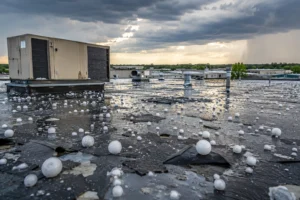
Roofing disputes especially create problems. Surface hail impacts may appear minor initially while deeper roofing system damage remains concealed underneath shingles or decking materials. Supplements often become necessary because additional legitimate damage appears later during more detailed inspections. The first estimate should never automatically be treated as final.
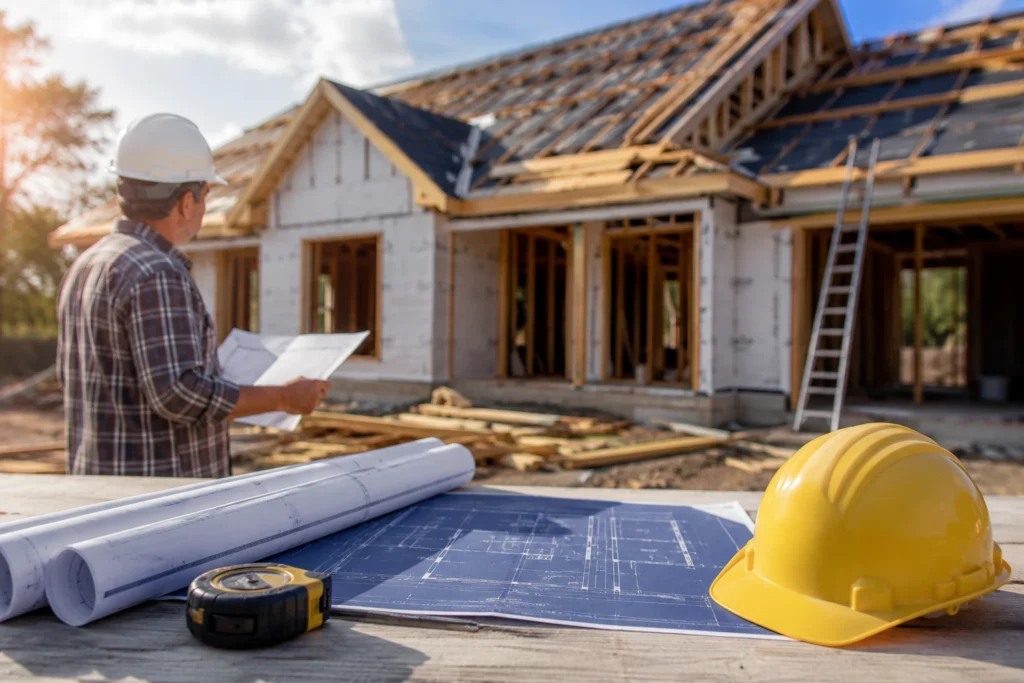
Ignoring Hidden Damage
Visible damage rarely tells the whole story. Hidden damage creates some of the most expensive appraisal disputes. Water intrusion is a perfect example. A small ceiling stain may appear harmless initially while moisture spreads behind walls, insulation, and flooring over time. Roofing systems create similar problems. Surface impacts may hide damaged underlayment, weakened decking, or compromised ventilation components underneath. Hidden damage may involve:
- Structural movement
- Mold development
- Electrical complications
- Smoke contamination
- Moisture intrusion
- Decking deterioration
Thorough inspections matter enormously during large losses. In some disputes, investigators may rely on principles similar to forensic engineering when analyzing structural failures, hidden deterioration, or storm-related damage patterns. Ignoring concealed issues early often creates much larger supplemental disputes later.
Choosing Price Over Experience
Everybody wants to save money. That is understandable. But choosing the cheapest appraiser without evaluating qualifications can become costly later. Low-cost representation sometimes means limited investigation, incomplete estimates, or weak negotiation preparation. Experienced professionals usually provide value through:
- Better documentation
- More detailed estimates
- Stronger negotiation strategy
- Better understanding of policy language
- More thorough inspections
Cheap representation may initially look attractive. But incomplete settlements often leave homeowners paying major repair costs themselves later. The lowest fee is not always the smartest financial decision.
Failing to Communicate in Writing
This mistake happens constantly. People rely heavily on phone calls during claims. Then weeks later, disagreements emerge about what was promised, approved, or explained. Without written confirmation, proving those conversations becomes difficult. Written communication creates accountability. Always document:
- Inspection scheduling
- Estimate revisions
- Coverage explanations
- Settlement offers
- Supplemental requests
- Claim decisions
Emails matter. A simple written timeline can dramatically strengthen a policyholder’s position during appraisal disputes. I strongly recommend organizing digital folders for:
- Adjuster Emails
- Inspection Reports
- Contractor Estimates
- Claim Photos
- Repair Receipts
- Temporary Repairs
Strong organization creates smoother negotiations.
Becoming Emotional During Negotiations
Insurance disputes feel personal. Because they are. Homeowners may face financial stress, property damage, temporary housing problems, or business interruptions during the appraisal process. Emotions naturally rise under those conditions. But emotional arguments rarely improve outcomes. Evidence does. Professional communication typically creates stronger negotiation leverage than frustration or anger. That does not mean homeowners should remain passive during disputes. It means organized evidence usually carries more weight than emotional reactions. Successful appraisal negotiations focus on:
- Documentation
- Pricing support
- Policy language
- Inspection findings
- Contractor reports
- Code requirements
Professionalism helps keep negotiations productive.
Overlooking Local Building Codes
Texas building codes can significantly affect repair costs. This issue becomes especially important in roofing disputes involving ventilation, underlayment, fasteners, or structural improvements. Local contractor pricing also varies dramatically. After severe storms, labor shortages and material demand often increase rebuilding costs substantially. Appraisers familiar with Texas markets usually understand those pricing realities more accurately. Overlooking code-related costs remains one of the costliest common mistakes during insurance appraisal. Potential code-related expenses may include:
- Permit fees
- Ventilation upgrades
- Safety requirements
- Structural reinforcement
- Fastener upgrades
- Ice and water shield requirements
Building compliance affects repair costs more than many policyholders expect.
Not Understanding the Role of the Umpire
Many homeowners misunderstand the umpire’s role completely. The umpire is not automatically there to support either side. Instead, the umpire helps resolve disagreements when appraisers cannot fully agree on valuation issues. Selecting an experienced, neutral umpire matters enormously because their interpretation of evidence may influence the final outcome heavily. Preparation still matters before umpire involvement. Some people mistakenly assume the umpire will independently uncover every missing issue automatically. That rarely happens. The stronger the documentation and estimate preparation become beforehand, the stronger the appraisal position entering umpire review.
Common Mistakes During Insurance Appraisal for Roof Claims
Roofing disputes create unique challenges. Especially after hailstorms. Common roofing appraisal mistakes include:
| Roofing Appraisal Mistake | Potential Consequence |
|---|---|
| Incomplete roof measurements | Underpaid material quantities |
| Missing accessory items | Lower settlement totals |
| Ignoring matching problems | Visible repair inconsistencies |
| No attic inspection | Missed hidden moisture |
| Limited slope inspections | Overlooked roof damage |
Roofing systems are complex. Detailed inspections matter tremendously. Organized documentation also becomes extremely important in complicated claims involving moisture migration, material degradation, or forms of entropy that gradually affect damaged structures over time.
How to Prepare for a Successful Insurance Appraisal
Preparation changes outcomes. Policyholders who stay organized and proactive often create stronger positions during negotiations. Practical steps include:
Organize Documentation Early
Store photos, reports, receipts, and communication records digitally.
Keep Written Communication
Always request written explanations whenever possible.
Use Detailed Estimates
Detailed scopes help identify missing repair components more effectively.
Review the Policy Carefully
Understand deductibles, exclusions, and appraisal requirements early.
Preserve Evidence
Do not discard damaged materials too quickly.
Hire Experienced Professionals
Construction knowledge alone is not enough. Appraisal experience matters too. Simple preparation often prevents major problems later.
Signs Your Insurance Appraisal Is Going Wrong
Some warning signs should never be ignored. Potential problems include:
- Communication delays
- Repeated estimate revisions
- Missing documentation
- Obvious damages being overlooked
- Inspection cancellations
- Inconsistent pricing explanations
Early intervention matters. The sooner problems are addressed, the easier they usually become to correct.
Why Experienced Insurance Appraisers Matter
Experience shapes outcomes. Especially during large property disputes involving roofing systems, water intrusion, or structural repairs. Experienced appraisers often understand how to:
- Identify hidden damage
- Build detailed estimates
- Organize evidence effectively
- Interpret policy language
- Address code-related expenses
- Negotiate professionally
Insurance appraisal is not simply about arguing numbers. It is about building a defensible, evidence-supported valuation that accurately reflects the true scope of damage. That requires preparation, documentation, and experience.
Final Thoughts
The common mistakes during insurance appraisal usually begin with small decisions. Waiting too long. Hiring inexperienced representation. Ignoring hidden damage. Failing to document evidence properly. Relying too heavily on incomplete estimates. Individually, these mistakes may seem manageable. Together, they can significantly affect settlement outcomes. Insurance appraisal works best when policyholders stay organized, informed, and proactive throughout the process. Strong documentation, professional communication, and experienced guidance often create major advantages during difficult disputes. Preparation matters. Evidence matters. And understanding the process early can make insurance appraisal far smoother, faster, and more financially accurate.
FAQs
An insurance appraisal is a dispute resolution process used when a policyholder and insurance company disagree on the value of property damage or repair costs.
Common mistakes during insurance appraisal include poor documentation, hiring inexperienced appraisers, delaying the process, and relying only on the insurer’s estimate.
Yes. Hidden damage like moisture intrusion, structural movement, or underlayment damage can significantly increase repair costs and affect settlement amounts.
In many cases, appraisal decisions are binding regarding the amount of loss, although coverage disputes may still remain separate.
The timeline varies depending on the complexity of the dispute, responsiveness of both parties, and whether an umpire becomes involved.
Yes. Hiring an experienced independent appraiser can help identify overlooked damage, strengthen documentation, and improve negotiation accuracy.
Absolutely. Insurance appraisal is commonly used for roof hail damage disputes, replacement disagreements, and scope-related conflicts.
Written communication creates clear records of inspections, estimates, decisions, and negotiations, which helps reduce misunderstandings later.
If the appraisers cannot reach an agreement, a neutral umpire reviews the dispute and helps determine the final valuation.
Sometimes. Coverage for code upgrades depends on the policy language and whether ordinance and law coverage is included.