
Insurance claims are meant to help property owners recover after a loss. However, many people are surprised when the settlement offer falls far below the actual cost of repairs. If you’re trying to learn How to Fight a Low Insurance Settlement, the good news is that you do not have to accept the first offer automatically. Instead, you can review the claim, gather evidence, and challenge inaccuracies when necessary. Moreover, understanding your rights and options can help you pursue a fairer outcome.
What Is a Low Insurance Settlement?
A low insurance settlement occurs when the insurance company’s payment does not adequately cover the cost of repairing or replacing covered damage. Insurance companies rely on inspections, pricing software, adjuster evaluations, and policy language to determine claim values. While many claims are handled fairly, mistakes can occur. In some cases, damage may be overlooked. In others, repair costs may be underestimated. Common examples include:
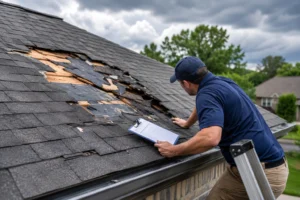
- Missing roof damage
- Incomplete repair estimates
- Low labor allowances
- Incorrect depreciation calculations
- Excluded building code upgrades
- Repair-versus-replacement disputes
Not every disagreement indicates bad faith. Nevertheless, policyholders should carefully review every settlement offer before accepting it.
Warning Signs Your Settlement May Be Too Low
Several indicators suggest that additional review may be warranted.
| Warning Sign | Why It Matters |
|---|---|
| Contractor estimate is much higher | Potential missing damage or underpricing |
| Repairs exceed settlement amount | Payment may be insufficient |
| Damage was omitted from estimate | Scope may be incomplete |
| Multiple contractors disagree with insurer | Additional evaluation may be needed |
| New damage appears during repairs | Initial inspection may have missed items |
If any of these situations apply to your claim, further investigation may be worthwhile.
Why Insurance Companies Sometimes Underpay Claims
Insurance claim disputes often begin when property owners notice a significant difference between the insurance company’s estimate and a contractor’s repair proposal. Understanding Why Insurance Estimates Are Often Lower Than Contractor Estimates can help policyholders identify potential omissions, pricing discrepancies, and scope differences that may affect the final settlement amount.

Damage Can Be Missed During Inspections
Insurance inspections are often completed under difficult conditions. Following major storms, adjusters may inspect numerous properties within a short timeframe. Roof damage can be difficult to identify. Water intrusion may remain hidden behind walls. Structural issues can also go unnoticed until repairs begin.
Estimating Software Has Limitations
Insurance estimating platforms rely heavily on large datasets and predictive models. In some ways, these systems resemble concepts studied in fields such as stochastic processes, where outcomes are influenced by numerous variables and probabilities. While insurance software is designed to improve consistency, it may not always reflect current local labor costs, material shortages, or unique property conditions.
Repair Versus Replacement Disagreements
One of the most common disputes involves whether damaged property should be repaired or replaced. For example:
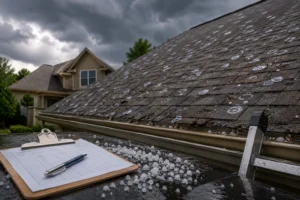
- Hail-damaged roofing systems
- Cracked siding panels
- Water-damaged flooring
- Aging building materials
An insurance company may determine that repairs are sufficient. Meanwhile, contractors may recommend replacement to restore the property properly. These differing opinions can significantly affect settlement values.
High Claim Volume Can Create Challenges
After widespread storms, insurance companies may process thousands of claims. While this does not automatically mean the insurer acted improperly, it does reinforce the importance of independently reviewing the settlement offer.
Review Your Insurance Policy Carefully
Before challenging a settlement, review the insurance policy itself. Many policyholders focus entirely on the estimate while overlooking the document that governs coverage.
Understand Your Coverage
Start by identifying the following:
- Dwelling coverage
- Other structures coverage
- Personal property coverage
- Commercial property coverage
- Deductibles
- Endorsements
- Policy limitations
Coverage details often influence claim outcomes more than people expect.
Understand Replacement Cost and Actual Cash Value
The type of coverage in your policy matters. Replacement cost coverage generally pays the amount necessary to replace damaged property with materials of similar quality, subject to policy terms. Actual cash value coverage typically reduces payment through depreciation. Understanding which valuation method applies can help explain differences between repair estimates and settlement offers.
Check for Ordinance and Law Coverage
Building codes evolve over time. Ordinance and law coverage may help pay for these mandatory improvements. Unfortunately, many policyholders never realize this coverage exists because they do not review the policy carefully.
Locate the Appraisal Clause
Many property insurance policies contain an appraisal clause. This provision may allow policyholders and insurers to resolve disputes regarding the amount of loss without going to court. Understanding whether appraisal is available can be extremely valuable when settlement negotiations stall.
Gather Evidence That Supports Your Position
Documentation is one of the most powerful tools available when challenging a low settlement. Facts carry far more weight than opinions. Therefore, collecting strong evidence should be a top priority.
Obtain Independent Repair Estimates
Independent contractor estimates can provide critical support. Look for contractors who:
- Conduct detailed inspections
- Provide itemized estimates
- Document damage thoroughly
- Explain repair recommendations
Avoid relying solely on verbal opinions. Written estimates provide a stronger foundation during negotiations.
Photograph All Damage
Photographs can help establish the true extent of a loss. Capture:
- Roof damage
- Exterior impacts
- Water intrusion
- Structural concerns
- Damaged personal property
- Interior finishes
Take photographs from multiple angles and distances whenever possible.
Save Every Claim Document
Create a dedicated claim file that includes:
- Insurance estimates
- Contractor estimates
- Inspection reports
- Correspondence
- Receipts
- Invoices
- Photographs
The stronger your documentation, the stronger your position becomes.
Organize Information Effectively
Managing large amounts of claim information can become challenging. Organizing documents in a structured format makes it easier to identify missing items and pricing discrepancies. In information science, this concept is similar to a knowledge graph, where connected pieces of information help create a clearer understanding of a complex issue. Likewise, organized claim documentation can reveal gaps in the insurer’s estimate and support requests for additional compensation.
Create a Side-by-Side Comparison
One effective strategy is comparing the insurer’s estimate directly against a contractor’s estimate. For example:
| Repair Item | Insurance Estimate | Contractor Estimate |
|---|---|---|
| Roof Replacement | $12,000 | $21,500 |
| Gutters | Not Included | $2,800 |
| Interior Repairs | $1,500 | $4,900 |
| Painting | Partial Coverage | Full Repaint Needed |
This comparison makes discrepancies easier to identify and discuss.
How to Negotiate a Higher Settlement
Negotiation is often the first step toward resolving a settlement dispute.
Present Additional Evidence
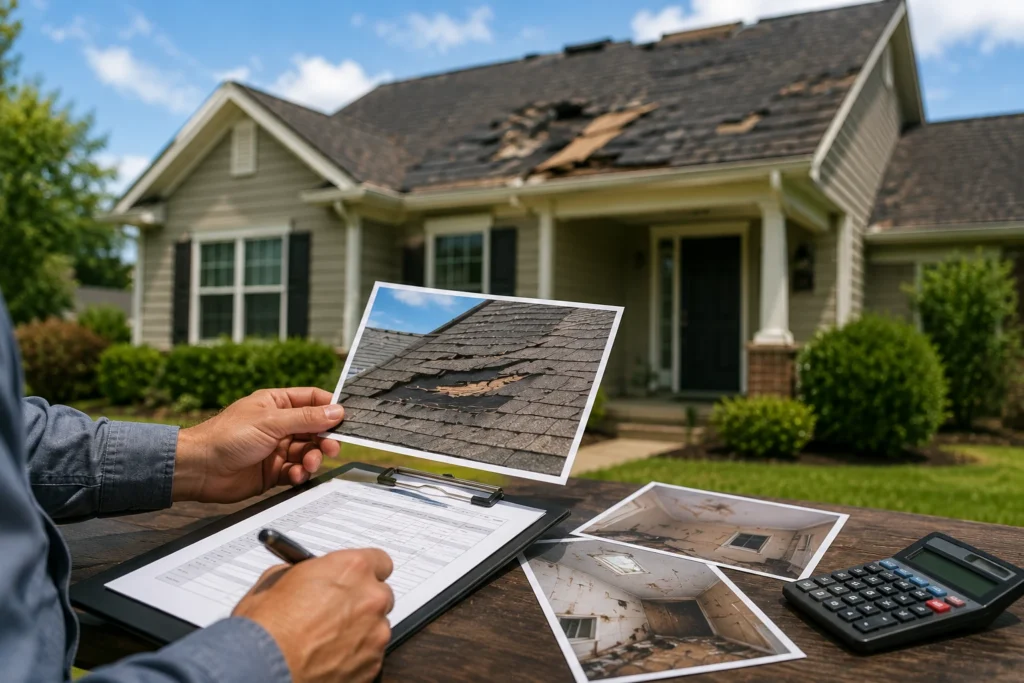
Strong evidence can change the course of a claim. Rather than simply stating that the offer is too low, provide:
- Contractor estimates
- Photographs
- Expert opinions
- Supplemental repair documentation
- Code compliance requirements
Supporting documentation allows the insurance company to reevaluate the claim based on objective information.
Request a Reinspection
Reinspection can be beneficial when:
- New damage is discovered
- Contractors identify missing items
- Additional evidence becomes available
- Initial inspections were limited
A second review sometimes results in revised estimates and additional payments.
Focus on Specific Line Items
General complaints rarely produce meaningful results. Instead, identify specific issues such as:
- Missing roofing materials
- Inadequate labor pricing
- Omitted flashing replacement
- Unincluded code upgrades
- Underpriced flooring repairs
Specific concerns are easier to evaluate and negotiate.
Maintain Professional Communication
Insurance disputes can become frustrating. Even so, professionalism remains important. Keep communications:
- Organized
- Respectful
- Fact-based
- Well-documented
Emotional arguments rarely strengthen a claim. On the other hand, detailed evidence and professional communication often encourage more productive discussions. Learning how to fight a low insurance settlement requires patience, preparation, and persistence. By understanding your policy, documenting damage thoroughly, and presenting strong evidence, you can significantly improve your chances of obtaining a fairer settlement.
When to Hire an Insurance Appraiser
Sometimes negotiations produce results. However, some disputes continue despite repeated discussions and additional evidence. When that happens, an insurance appraiser may become a valuable resource. Insurance appraisers focus on determining the amount of a covered loss. They review damage, estimate repair costs, and evaluate whether the insurer’s valuation accurately reflects the scope of repairs required.
What Does an Insurance Appraiser Do?
An insurance appraiser provides an independent assessment of property damage. Their responsibilities may include:
- Reviewing insurance estimates
- Inspecting damaged property
- Evaluating repair scopes
- Analyzing contractor estimates
- Preparing independent valuations
- Participating in the appraisal process
Unlike contractors, appraisers specialize in claim valuation and dispute resolution.
Situations Where an Appraiser May Help
While not every claim requires professional assistance, certain situations often benefit from expert involvement. Examples include:
- Large claim discrepancies
- Major storm losses
- Commercial property claims
- Complex structural damage
- Stalled negotiations
- Significant underpayments
The larger the financial gap, the more valuable an independent review often becomes.
Benefits of Hiring an Appraiser
An experienced appraiser can offer several advantages. These may include:
| Benefit | Potential Impact |
|---|---|
| Independent valuation | Objective damage assessment |
| Detailed estimate review | Identification of omissions |
| Industry expertise | Improved claim analysis |
| Appraisal representation | Structured dispute resolution |
| Documentation support | Stronger negotiating position |
As a result, many policyholders choose to involve an appraiser before pursuing more expensive legal options.
Understanding the Insurance Appraisal Process
Many property owners have never heard of appraisal until a claim dispute arises. Yet appraisal clauses appear in numerous property insurance policies. Consequently, understanding how the process works can be extremely valuable.
What Is Insurance Appraisal?
Insurance appraisal is a formal process designed to resolve disputes regarding the amount of loss. Importantly, appraisal does not determine whether damage is covered. Instead, it focuses on the value of covered damage. This process is often viewed as a faster and less expensive alternative to litigation.
How the Appraisal Process Works
While procedures vary slightly by policy, the general process follows several steps.
Step 1: Appraisal Is Invoked
One party requests appraisal according to the terms outlined in the policy.
Step 2: Each Side Selects an Appraiser
The policyholder selects an appraiser. The insurance company selects its own appraiser. Both appraisers then evaluate the loss independently.
Step 3: An Umpire Is Selected
If the appraisers disagree, an impartial umpire is chosen. The umpire helps resolve disputed valuation issues.
Step 4: A Decision Is Reached
When agreement is reached by the required parties, the appraisal award is issued. The final valuation is then used to determine the settlement amount.
What Appraisal Can Resolve
Appraisal is generally effective for disputes involving:
- Repair costs
- Replacement costs
- Scope disagreements
- Quantity disputes
- Pricing disputes
In many cases, appraisal helps move stalled claims toward resolution.
What Appraisal Cannot Resolve
Appraisal has limitations. Typically, it does not resolve:
- Coverage disputes
- Policy interpretation issues
- Fraud allegations
- Claim denial based on exclusions
Those matters may require legal review or litigation.
Mistakes to Avoid When Fighting a Low Settlement
Even strong claims can be weakened by avoidable mistakes. Fortunately, most of these errors can be prevented.
Accepting the First Offer Too Quickly
Many policyholders assume the first offer is final. Often, it is not. Insurance estimates should be reviewed carefully before any settlement is accepted.
Failing to Read the Policy
Therefore, overlooking policy provisions can lead to missed opportunities and misunderstandings. Always review the policy before challenging a claim.
Relying on Only One Opinion
A single contractor estimate may not provide enough information. Instead, consider obtaining multiple professional evaluations when large discrepancies exist. Additional opinions can strengthen your position.
Missing Deadlines
Insurance policies often contain important deadlines. These may involve:
- Proof of loss requirements
- Supplemental claim submissions
- Appraisal requests
- Legal filing deadlines
Failure to meet these deadlines can create unnecessary complications.
Waiting Too Long to Act
Time matters. The longer a dispute remains unresolved, the more difficult documentation may become. Witnesses move. Conditions change. Records become harder to obtain. Therefore, policyholders should address concerns as soon as possible.
Poor Documentation
Insufficient evidence remains one of the most common reasons disputes fail. Remember:
- Take photographs
- Save receipts
- Retain estimates
- Preserve correspondence
- Document conversations
Well-organized records often support stronger outcomes.
When Legal Action May Be Necessary
Nevertheless, some situations require legal intervention.
Appraisal Versus Litigation
Both options can help resolve disputes, but they serve different purposes.
| Appraisal | Litigation |
|---|---|
| Focuses on amount of loss | Can address coverage disputes |
| Usually faster | Often takes longer |
| Generally lower cost | Typically more expensive |
| Less formal | Court procedures apply |
| Limited scope | Broader legal remedies available |
As a result, many policyholders explore appraisal before considering litigation.
Situations That May Require an Attorney
Legal assistance may be appropriate when:
- Coverage is denied
- Bad-faith conduct is alleged
- Significant policy interpretation issues exist
- Contract disputes arise
- Statutory violations are suspected
In these circumstances, legal guidance may help protect the policyholder’s interests.
Evaluating Costs and Benefits
Before pursuing litigation, consider:
- Potential recovery
- Legal expenses
- Time commitment
- Likelihood of success
- Alternative dispute options
A strategic evaluation can help determine the most effective path forward.
Frequently Asked Questions
How do I know if my insurance settlement is too low?
A settlement may be too low if qualified contractors estimate significantly higher repair costs or if obvious damage is missing from the insurer’s estimate.
Can I reject an insurance settlement offer?
Yes. In many situations, policyholders can challenge or negotiate a settlement offer before accepting it.
What evidence helps support a settlement dispute?
Photographs, contractor estimates, invoices, inspection reports, and written communications often provide valuable support.
What is the insurance appraisal process?
The appraisal process is a contractual dispute-resolution method used to determine the amount of a covered loss when valuation disagreements arise.
Does hiring an appraiser guarantee a larger settlement?
No. However, an appraiser may identify omissions, pricing issues, or scope discrepancies that affect claim valuation.
Can I use my own contractor’s estimate?
Yes. Independent contractor estimates are frequently used to support settlement disputes.
Is appraisal faster than a lawsuit?
In many cases, yes. Appraisal often resolves valuation disputes more quickly than litigation.
What if the insurance company refuses to negotiate?
Depending on the policy, appraisal or legal remedies may be available.
Can commercial property owners use appraisal?
Many commercial insurance policies contain appraisal provisions that can be used to resolve valuation disputes.
Should I hire an attorney or an appraiser?
The answer depends on the dispute. Valuation disagreements often benefit from appraisal, while coverage disputes may require legal assistance.
Conclusion
A low insurance settlement does not necessarily represent the final outcome of your claim. By understanding your policy, documenting damage thoroughly, obtaining independent estimates, and presenting strong evidence, you can improve your chances of securing a fairer settlement. Furthermore, when negotiations stall, options such as appraisal may provide an effective path forward. While every claim is different, informed policyholders are often in a stronger position to challenge underpayments and protect their financial interests. The key is to remain organized, act promptly, and pursue every available avenue before accepting less than what your covered loss may truly be worth.
FAQs
Yes. You can present additional evidence, contractor estimates, photographs, and repair documentation to support a higher settlement amount.
The timeframe varies by policy and state regulations. Review your insurance policy carefully and act as soon as possible to avoid missing important deadlines.
Compare both estimates line by line and identify missing items, pricing differences, or scope discrepancies that may justify additional payment.
In some cases, yes. If additional damage is discovered or supplemental repairs become necessary, you may be able to request a claim review.
The appraisal process is a method for resolving disputes over the amount of loss when the policyholder and insurer cannot agree on repair costs.
No. However, an appraiser can provide an independent evaluation that may identify overlooked damage or valuation errors.
Yes. Many settlement disputes are resolved through negotiation, supplemental documentation, or appraisal before legal action becomes necessary.
Roof damage, hail claims, water damage, fire losses, and commercial property claims are among the most common sources of settlement disputes.
Detailed contractor estimates, photographs, inspection reports, receipts, invoices, and written communications often provide strong support for your position.
You may have options such as requesting appraisal, obtaining expert evaluations, filing a formal complaint, or consulting an attorney regarding your rights.