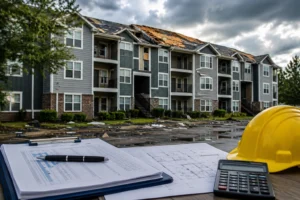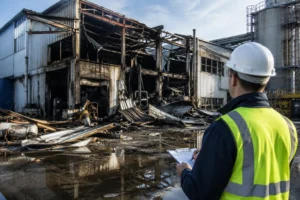

Hotel property insurance claims can quickly become complex, expensive, and disruptive. Whether the damage results from a hurricane, hailstorm, fire, freeze event, or plumbing failure, the consequences often extend far beyond physical repairs. Consequently, hotel owners may face lost revenue, operational interruptions, and significant recovery costs. Moreover, hotels operate differently than many other commercial properties. They serve guests around the clock, rely on multiple building systems, and generate income daily. Therefore, understanding how hotel property insurance claims work is essential for protecting both the property and the business itself. Fortunately, proper documentation, timely action, and careful claim management can help hotel owners pursue a more accurate settlement and a faster recovery.
Understanding Hotel Property Insurance Claims
A hotel property insurance claim is a request for compensation submitted to an insurance carrier after covered damage affects a hotel property. Simply put, the goal is to restore the property, repair the damage, and recover eligible financial losses. However, hotel claims are rarely straightforward. Unlike a small office building or retail space, hotels contain guest rooms, restaurants, meeting areas, fitness centers, elevators, pools, HVAC systems, and numerous operational components. As a result, damage assessments often become more detailed and more complex. Properties commonly involved in hotel property insurance claims include:
- Limited-service hotels
- Full-service hotels
- Boutique hotels
- Extended-stay properties
- Luxury resorts
- Franchise hotels
- Independent hotels
Regardless of size or location, hotel owners face the same challenge: accurately identifying all damage and ensuring nothing is overlooked.
Common Causes of Hotel Property Insurance Claims
Hotels face a variety of risks throughout the year. Some losses occur suddenly. Others develop gradually and become apparent only after additional damage has occurred.
Hurricane and Wind Damage
Texas hotel owners frequently deal with severe weather events. High winds can damage:
- Roofing systems
- Exterior walls
- Windows
- Signage
- HVAC equipment
Additionally, wind damage often allows water to enter the building envelope. Consequently, what begins as roof damage may eventually lead to interior repairs, mold concerns, and operational disruptions.
Hail Damage
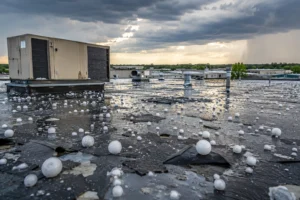
Hail is one of the most common causes of hotel property insurance claims. However, hail damage is not always easy to identify. Affected components often include:
- Roof membranes
- Metal roofing panels
- Skylights
- Condenser units
- Gutters
- Downspouts
Although some damage may appear cosmetic, it can still affect long-term performance and service life.
Fire and Smoke Damage
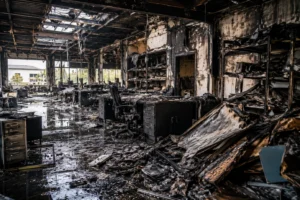
Fire losses can be devastating for hotel owners. Even if firefighters quickly contain the flames, smoke contamination can spread throughout the structure. As a result, affected areas may include:
- Structural components
- Electrical systems
- Furniture
- Flooring
- Insulation
- HVAC equipment
Furthermore, smoke odors and contamination can impact guest experience long after the fire is extinguished.
Water Damage and Plumbing Failures
Hotels depend heavily on plumbing systems. Therefore, even a single pipe failure can affect multiple guest rooms and several floors within a matter of hours. Common causes include:
- Burst pipes
- Water heater failures
- Sprinkler discharges
- Appliance leaks
- Drain backups
Consequently, rapid response and mitigation efforts become critical to reducing additional damage.
Freeze Events
Texas freeze events have demonstrated how quickly widespread property damage can occur. When pipes freeze and burst, hotels may experience:
- Room closures
- Mold concerns
- Ceiling damage
- Flooring replacement
- Operational disruptions
As a result, repair costs can escalate rapidly if mitigation efforts are delayed.
Hotel Property Components Frequently Damaged During Claims
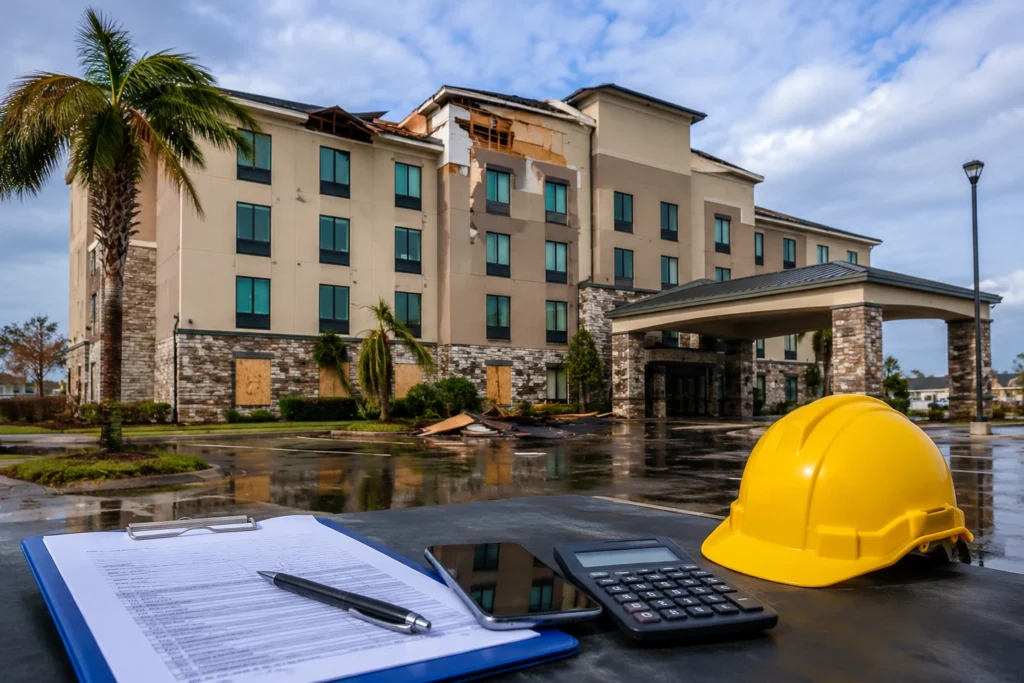
Every hotel contains hundreds of individual building components. Therefore, a thorough inspection should evaluate all potentially affected areas rather than focusing only on visible damage.
Roofing Systems
The roof serves as the property’s first line of defense against the elements. Common hotel roofing systems include:
- TPO membranes
- EPDM roofing
- Modified bitumen
- Metal roofing
- Tile roofing
When roofing systems sustain damage, water intrusion often follows. Consequently, interior repairs may become necessary as well.
Guest Rooms and Suites
Guest rooms are the primary source of hotel revenue. Therefore, damage affecting occupancy can directly impact financial performance. Areas that should be inspected include:
- Flooring
- Drywall
- Furniture
- Fixtures
- Electronics
- Bathroom finishes
Additionally, hidden moisture issues may exist behind walls and beneath flooring materials.
Common Areas
Lobbies, restaurants, conference centers, and hallways play a major role in guest satisfaction. Consequently, damage in these spaces may affect both daily operations and the property’s reputation. Furthermore, common areas often contain higher-end finishes that increase repair costs.
Mechanical Systems
Many large hotel claims involve mechanical equipment. Commonly affected systems include:
- HVAC units
- Boilers
- Chillers
- Elevators
- Fire suppression systems
- Water heaters
Because these systems support critical operations, failures can create widespread disruptions throughout the property.
Exterior Amenities
Hotels frequently invest substantial resources into guest amenities. Potentially damaged areas include:
- Swimming pools
- Outdoor kitchens
- Patios
- Landscaping
- Parking lots
- Lighting systems
Therefore, inspections should extend beyond the main building to include all revenue-supporting features.
Challenges Unique to Hotel Insurance Claims
Not all commercial property claims involve the same level of complexity. In contrast to many other businesses, hotels face unique valuation and operational challenges.
Business Interruption Losses
One of the largest exposures in hotel property insurance claims involves lost income. When rooms cannot be rented, revenue stops immediately. Unlike some businesses that can continue operating remotely, hotels depend on physical occupancy to generate income. Therefore, important business interruption factors may include:
- Occupancy rates
- Seasonal demand
- Average daily rates (ADR)
- Reservation cancellations
- Group booking losses
Consequently, even small calculation errors can significantly impact claim values.
Extra Expense Claims
Hotels often incur substantial emergency expenses following a loss. Examples include:
- Temporary accommodations for guests
- Security services
- Emergency repairs
- Water mitigation
- Equipment rentals
Depending on policy language, these costs may qualify for reimbursement. Therefore, maintaining detailed records becomes extremely important.
Large-Scale Valuation Issues
Hotels often contain premium finishes and specialized construction. In many cases, valuation becomes increasingly complex due to factors resembling heterogeneity, where different building materials, systems, and finishes require unique pricing and replacement considerations. Replacement costs may include:
- Custom millwork
- High-end flooring
- Decorative lighting
- Commercial kitchens
- Hospitality furnishings
As a result, undervaluing these components can significantly reduce claim recovery. Furthermore, large hotel properties often contain multiple structures and specialty systems that require separate evaluation. Therefore, comprehensive inspections and detailed estimates are essential for achieving an accurate valuation.
Common Insurance Claim Disputes in Hotel Losses
Unfortunately, disagreements are common in hotel property insurance claims. However, understanding the most frequent disputes can help hotel owners prepare for potential challenges and protect their financial interests.
Scope of Damage Disagreements
Insurance inspections sometimes focus primarily on visible damage. However, hidden issues may exist beneath the surface. Examples include:
- Moisture intrusion
- Structural movement
- Insulation damage
- Electrical impacts
As a result, incomplete inspections can lead to underpaid claims and unexpected repair costs. Furthermore, hidden damage often becomes apparent only after restoration work begins.
Repair Versus Replacement Disputes
One of the most common issues in hotel property insurance claims involves determining whether damaged materials should be repaired or replaced. Ultimately, the answer can have a significant impact on settlement values. Examples include:
| Component | Common Dispute |
|---|---|
| Roofing | Partial repair vs full replacement |
| Flooring | Spot repairs vs complete replacement |
| HVAC | Component repair vs equipment replacement |
| Exterior finishes | Matching concerns |
| Interior finishes | Uniform appearance requirements |
Consequently, even a single disagreement regarding replacement requirements can substantially affect the overall claim.
Undervalued Estimates
Many hotel owners assume the insurance estimate includes every necessary repair item. Unfortunately, that is not always the case. Commonly omitted items include:
- Demolition
- Debris removal
- Code upgrades
- Equipment access costs
- Project management expenses
- Temporary protections
Therefore, estimates should be reviewed carefully before accepting any settlement. Moreover, overlooked items can add up to substantial amounts on large commercial properties.
Critical Documentation for Hotel Property Insurance Claims
Strong documentation often separates successful claims from disputed claims. Therefore, documentation efforts should begin immediately after a loss occurs.
Essential Evidence to Collect
Document everything. More importantly, organize everything. Hotel owners should gather:
- Photographs
- Video recordings
- Inspection reports
- Contractor evaluations
- Financial statements
- Maintenance records
- Reservation reports
- Occupancy data
- Repair invoices
The more organized the documentation, the stronger the claim. Effective record management often benefits from a structured approach similar to taxonomy, where information is categorized systematically to improve retrieval and analysis during claim reviews.
Why Documentation Matters
Documentation serves several critical functions. Specifically, it helps establish:
- Cause of loss
- Extent of damage
- Repair costs
- Business income losses
- Operational disruptions
Without sufficient documentation, negotiations become considerably more difficult. Consequently, missing records can weaken otherwise valid claims.
The Hotel Insurance Claim Process
Understanding the claims process can help reduce delays and confusion. Furthermore, knowing what to expect allows hotel owners to make informed decisions throughout the recovery process.
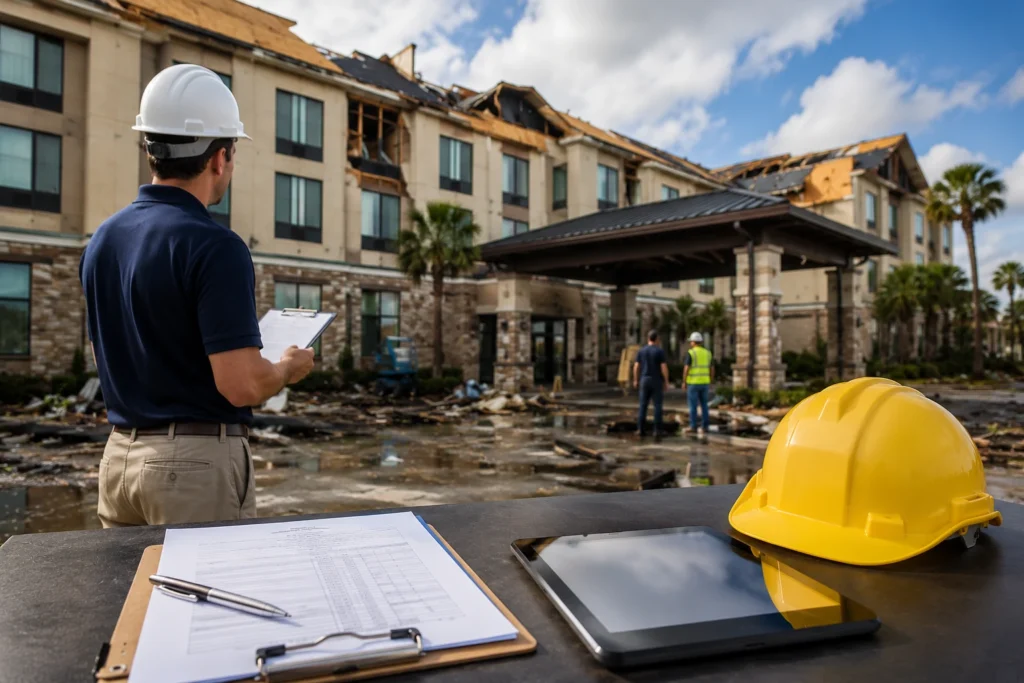
Step 1: Report the Loss
First, notify the insurance carrier as quickly as possible. Otherwise, delays may complicate claim handling and create unnecessary obstacles.
Step 2: Prevent Further Damage
Next, take reasonable steps to protect the property from additional harm. Examples include:
- Emergency tarping
- Water extraction
- Temporary fencing
- Security measures
By acting quickly, hotel owners can often reduce overall repair costs.
Step 3: Insurance Inspection
Afterward, the insurance company typically assigns an adjuster to inspect the property. Whenever possible, owners or property representatives should attend the inspection. This helps ensure that important concerns are addressed from the beginning.
Step 4: Independent Evaluation
In addition to the carrier’s inspection, many hotel owners obtain independent evaluations. In fact, independent experts frequently identify damage that may have been overlooked during the initial assessment.
Step 5: Estimate Review
Once estimates are prepared, they should be reviewed carefully. Rather than focusing solely on the final dollar amount, owners should examine the scope of work line by line.
Step 6: Negotiation
Not surprisingly, differences in scope and pricing are common. Therefore, detailed documentation and supporting evidence become extremely important during negotiations.
Step 7: Restoration
Finally, once claim issues are resolved, permanent repairs and restoration efforts can begin. At that stage, the focus shifts toward returning the hotel to normal operations.
Building Code Upgrades and Hotel Claims
Building code requirements are frequently overlooked during claim evaluations. Nevertheless, they can represent a significant portion of the overall loss.
Ordinance and Law Coverage
Many local jurisdictions require damaged properties to comply with current building codes during reconstruction. As a result, additional costs may arise. Potential upgrades include:
- Fire protection improvements
- Accessibility upgrades
- Electrical updates
- Structural improvements
However, coverage for these expenses depends on the policy’s specific terms and endorsements.
Common Hotel Code Expenses
Examples may include:
- Fire alarm enhancements
- Sprinkler modifications
- ADA accessibility improvements
- Emergency lighting updates
- Exit signage upgrades
Therefore, code-related costs should be identified and evaluated early in the claim process. Otherwise, important expenses may be overlooked.
When Hotel Insurance Claims Become Stalled
Some claims move efficiently toward resolution. Others, however, encounter delays and complications. Common warning signs include:
- Long periods without communication
- Repeated inspection requests
- Incomplete estimates
- Significant valuation disagreements
- Coverage disputes
When these issues arise, hotel owners should evaluate their options carefully. Furthermore, proactive communication can sometimes help prevent additional delays.
The Role of Insurance Appraisal in Hotel Property Claims
Many hotel owners are unfamiliar with the appraisal process. Nevertheless, appraisal can be one of the most effective methods for resolving valuation disputes. Although hotels and homeowners associations operate different types of properties, valuation disagreements often follow similar patterns. In fact, many of the same principles used in the Insurance Policies can apply when hotel owners and insurance carriers disagree on repair costs, replacement values, or the amount of loss.
What Is Insurance Appraisal?
Insurance appraisal is a dispute resolution process designed to address disagreements regarding the amount of loss. Typically:
- The policyholder selects an appraiser.
- The insurer selects an appraiser.
- An umpire is selected if necessary.
- A binding valuation decision is reached.
As a result, appraisal often provides a more efficient alternative to litigation.
Benefits of Appraisal
For many hotel property insurance claims, appraisal offers several advantages. These benefits may include:
- Faster resolution
- Independent valuation
- Reduced litigation costs
- Focus on damages rather than legal arguments
Therefore, when significant valuation disputes exist, appraisal may provide a practical path toward resolution.
How Hotel Owners Can Maximize Their Claim Recovery
Successful claims rarely occur by chance. Instead, they are often the result of preparation, organization, and persistence.
Conduct Independent Inspections
Independent inspections may identify damage that was missed during the initial evaluation. Consequently, additional damages can be documented before repairs begin.
Preserve Financial Records
Business interruption claims rely heavily on financial documentation. Therefore, hotel owners should maintain detailed and accurate records throughout the claim process.
Review Every Estimate
Never focus exclusively on the final number. Instead, review the scope of work, pricing assumptions, and included repairs carefully.
Understand Policy Provisions
Coverage limitations, deductibles, exclusions, and endorsements can all affect recovery. Therefore, understanding policy language is essential when evaluating claim decisions.
Act Quickly
Delays can create additional complications. Consequently, prompt reporting, documentation, and mitigation efforts can strengthen the overall claim.
Conclusion
Ultimately, hotel property insurance claims involve much more than repairing damaged buildings. They often include business interruption losses, operational disruptions, code compliance requirements, and valuation disputes. Therefore, hotel owners should approach every claim with a clear strategy, strong documentation, and a thorough understanding of their policy. Moreover, when disagreements arise, appraisal may provide an effective path toward resolution. By acting proactively and remaining organized throughout the process, hotel owners can improve their chances of achieving a fair and accurate recovery.
FAQs
The timeline varies depending on the extent of damage, claim complexity, and any disputes over valuation. Simple claims may resolve in weeks, while large losses can take several months or longer.
Coverage often includes damage from events such as hail, wind, fire, water, and certain storms, subject to policy terms and exclusions.
Many commercial policies include business interruption coverage that may compensate for lost revenue during repairs. Proper financial documentation is usually required to support the claim.
Hotel owners should gather photographs, videos, maintenance records, repair estimates, invoices, and financial reports.
Disputes often arise over the scope of damage, repair costs, replacement requirements, or business interruption calculations.
Some policies include ordinance and law coverage that may help pay for required code-related improvements. Coverage depends on the policy’s specific provisions and limits.
An independent inspection can help identify damage that may have been overlooked during the initial evaluation. This additional information may strengthen the claim and support negotiations.
Insurance appraisal is a method for resolving disputes about the amount of loss without going to court. Each side selects an appraiser, and an umpire may assist if the appraisers cannot agree.
In some situations, hotels can continue operating while repairs are completed in phases. However, the feasibility depends on the extent of damage and guest safety considerations.
Prompt reporting, thorough documentation, independent evaluations, and careful review of repair estimates can significantly improve claim outcomes.