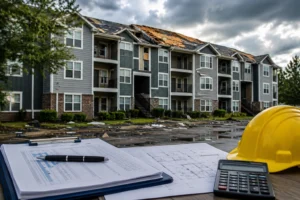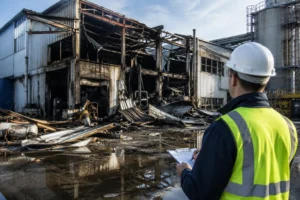

Retail Property Damage Appraisal can play a critical role when insurance claim disputes arise after a property suffers damage. Whether the loss stems from hail, wind, fire, water, or a major storm, disagreements over repair costs and damage scope are common. Consequently, many retail property owners find themselves facing settlements that may not fully reflect the actual cost of restoring their buildings. Fortunately, the appraisal process offers a structured way to resolve valuation disputes without immediately resorting to litigation.
What Is Retail Property Damage Appraisal?
Retail Property Damage Appraisal is a formal dispute resolution process found in many commercial insurance policies. When the policyholder and insurance company disagree on the value of a covered loss, appraisal allows both parties to present their positions through independent appraisers rather than immediately turning to litigation. The process focuses on determining the amount of damage and the cost to repair or replace that damage. Importantly, appraisal generally does not determine coverage. Instead, it addresses valuation disputes.
Appraisal vs. Other Claim Resolution Methods
| Method | Primary Purpose | Cost | Speed |
|---|---|---|---|
| Appraisal | Resolve amount-of-loss disputes | Moderate | Faster |
| Litigation | Resolve legal disputes | High | Slow |
| Mediation | Facilitate settlement discussions | Moderate | Variable |
| Negotiation | Informal claim resolution | Low | Variable |
For many retail property owners, appraisal offers a practical middle ground between accepting an inadequate settlement and pursuing a lengthy lawsuit.
When Appraisal Becomes Necessary
Not every claim requires appraisal. However, disputes often arise when significant damage is involved. Common situations include:
- Underestimated repair costs
- Disagreements regarding scope of damage
- Replacement versus repair disputes
- Missing line items
- Supplemental claim disagreements
- Code upgrade disputes
- Contractor estimate differences
A retail property owner may receive an estimate for $300,000 while qualified contractors estimate repairs at $600,000. As a result, that type of gap frequently leads to a Retail Property Damage Appraisal.
Types of Retail Properties Commonly Involved in Appraisal
Retail properties vary widely in size and complexity. Therefore, each presents unique claim challenges.
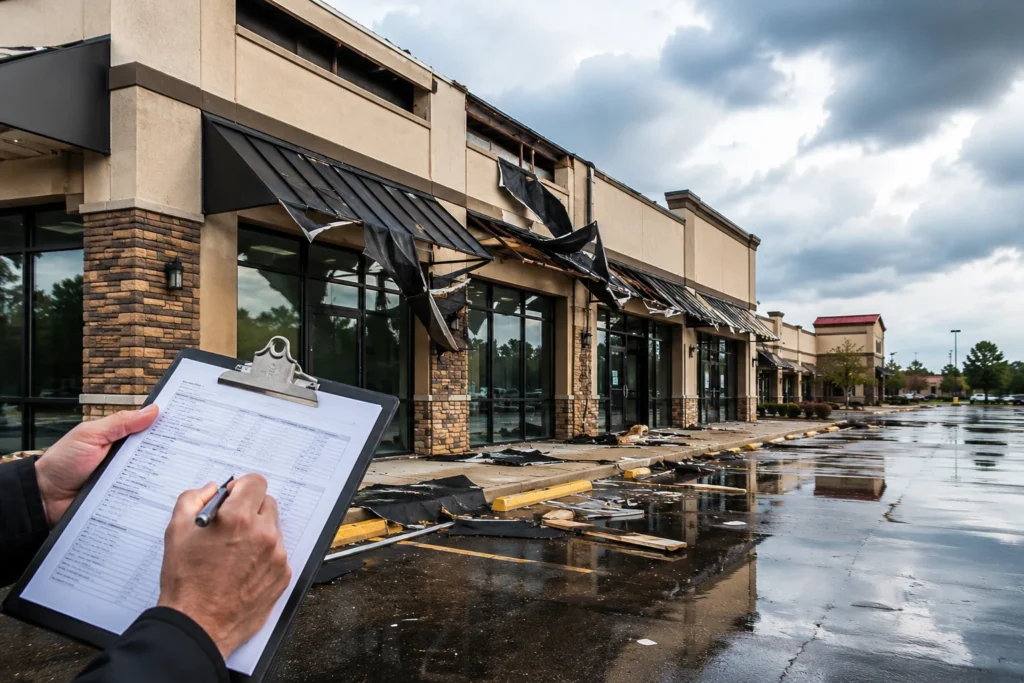
Standalone Retail Buildings
Single-tenant structures often include:
- Restaurants
- Pharmacies
- Convenience stores
- Specialty retailers
- Franchise locations
Damage to roofing systems, signage, storefronts, and HVAC equipment frequently becomes disputed.
Shopping Centers and Strip Malls
Multi-tenant properties introduce additional complexity. Owners may need to address:
- Shared roofing systems
- Common area damage
- Parking lot damage
- Exterior lighting
- Tenant-related losses
Consequently, multiple stakeholders often increase the importance of accurate claim valuation.
Large Retail Facilities
Big-box retailers and warehouse-style stores typically involve:
- Large roofing systems
- Extensive mechanical equipment
- Specialized electrical infrastructure
- High-value interior finishes
Even small pricing errors can significantly affect the final claim amount. While this article focuses on retail properties, many of the same appraisal principles apply to Hotels Insurance Appraisal often face similar challenges involving roofing systems, water intrusion, HVAC equipment, code upgrades, and business interruption concerns. Therefore, disputes over repair scope and valuation frequently arise in both retail and hospitality insurance claims.
Common Causes of Retail Property Damage Claims
Retail buildings face numerous risks throughout Texas and the Gulf Coast.
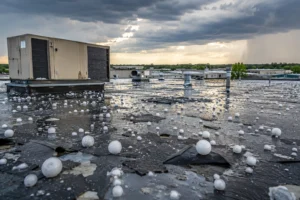
Hail Damage
Hail can damage:
- Roofing membranes
- Skylights
- Metal panels
- HVAC units
- Exterior signage
In many cases, hail damage is visible immediately. However, deterioration may also develop gradually over time.
Wind Damage
Strong winds frequently affect:
- Roof coverings
- Flashing
- Storefront systems
- Exterior cladding
- Mechanical equipment
Furthermore, wind and hail often occur together, creating overlapping damage patterns.
Water Damage
Water losses may result from:
- Roof leaks
- Plumbing failures
- Burst pipes
- Drainage problems
- Storm intrusion
As a result, water can spread far beyond the initial point of entry.
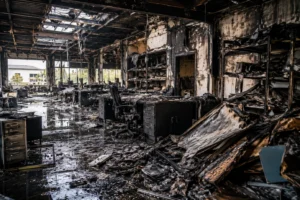
Fire and Smoke Damage
Fire losses often involve:
- Structural damage
- Smoke contamination
- Electrical damage
- HVAC contamination
- Business interruption concerns
Therefore, these claims frequently become large and complex.
Hurricanes and Severe Storms
Major storms create multiple sources of damage simultaneously. Roof damage, water intrusion, broken glass, signage failures, and equipment damage can all occur during a single event.
Why Retail Insurance Claims Often Become Disputed
Retail claims involve much more than visible damage. The financial stakes are often substantial.
Large Repair Costs
Commercial repair projects can easily reach six or seven figures. Consequently, when large amounts are involved, disagreements become more common.
Complex Building Systems
Retail facilities often contain:
- Roofing assemblies
- Mechanical systems
- Fire suppression systems
- Electrical infrastructure
- Specialty tenant improvements
Therefore, evaluating these systems requires expertise.
Ongoing Business Operations
Unlike vacant structures, retail properties frequently remain operational during repairs. As a result, repair sequencing and temporary protections can significantly increase project costs.
Conflicting Expert Opinions
Engineers, contractors, consultants, and adjusters may all reach different conclusions. Retail Property Damage Appraisal helps bridge these differences through an independent process. Retail claims frequently involve multiple stakeholders, competing repair opinions, and large amounts of technical data. In some cases, the evaluation process resembles a form of Bayesian inference, where experts continuously update conclusions as new evidence becomes available.
Damage Areas Frequently Underestimated by Insurance Carriers
One of the biggest issues in commercial claims involves overlooked components. The most obvious damage often receives attention first. However, hidden damage may not.
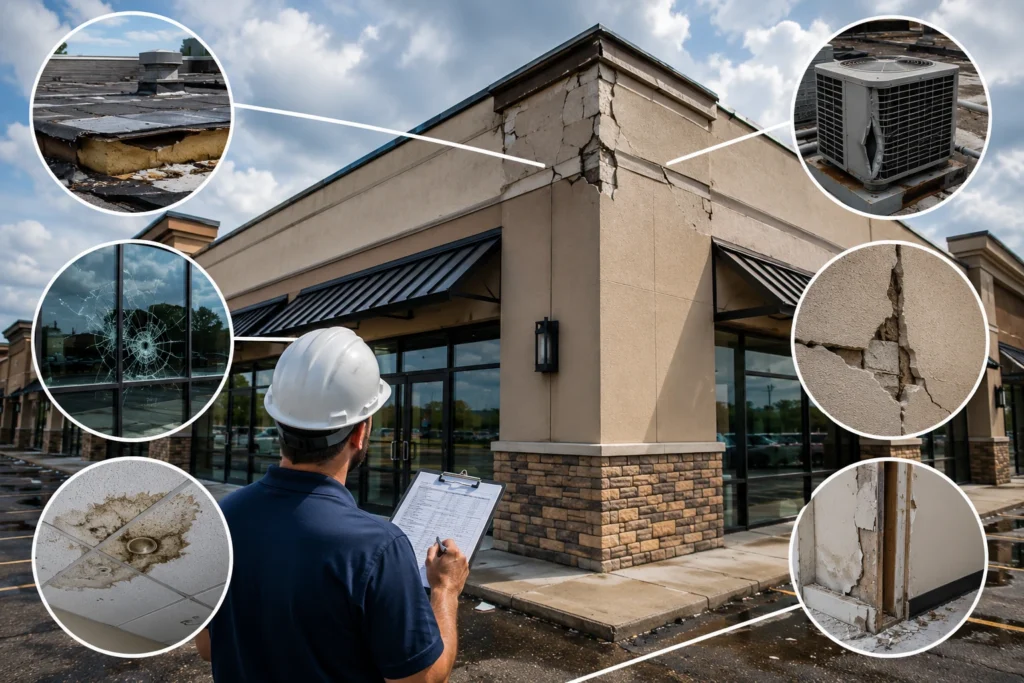
Roofing Systems
Commercial roofing systems are complex. Potentially overlooked items include:
- Insulation
- Cover boards
- Fasteners
- Flashing
- Roof penetrations
- Vapor barriers
Consequently, replacing surface materials alone may not restore the roof properly.
HVAC Equipment
Rooftop HVAC units are especially vulnerable. Damage may affect:
- Condenser coils
- Fins
- Housing components
- Internal controls
Importantly, equipment may continue functioning despite substantial damage.
Storefront Systems
Retail storefronts serve both functional and aesthetic purposes. Commonly disputed items include:
- Glass panels
- Aluminum framing
- Automatic doors
- Security systems
Therefore, replacement often involves more than simply changing broken glass.
Exterior Finishes
Damage may affect:
- EIFS systems
- Stucco
- Masonry
- Metal panels
- Decorative features
As a result, matching issues can significantly increase restoration costs.
Interior Finishes
Interior damage often extends beyond visible staining. Affected materials may include:
- Ceiling systems
- Flooring
- Lighting
- Millwork
- Wall coverings
These items can represent substantial portions of a claim.
Hidden Damage That May Increase Claim Value
Not all damage is immediately visible. In fact, some of the most expensive problems remain concealed until repairs begin.
Moisture Intrusion
Water can travel considerable distances within walls and roofing systems. Consequently, by the time visible staining appears, extensive damage may already exist.
Mold Development
Moisture trapped within building assemblies may create mold concerns. Therefore, early identification is essential.
Electrical Damage
Storms and fires may affect:
- Wiring
- Panels
- Switchgear
- Controls
Electrical issues often require specialized evaluation.
Structural Concerns
Water infiltration and severe impacts may affect structural elements that are not visible during an initial inspection.
Building Code Requirements
Repairs frequently trigger code-related upgrades. Examples include:
- Roofing standards
- Accessibility improvements
- Fire protection requirements
- Energy code compliance
As a result, code upgrades can substantially increase repair costs.
Retail Property Damage Appraisal After Major Storms
Large storm events create unique claim challenges. Following widespread damage, contractors become difficult to schedule. Material prices may increase. Labor shortages develop. Furthermore, insurance estimates prepared immediately after a storm may not accurately reflect actual reconstruction costs months later. This is one reason Retail Property Damage Appraisal becomes particularly valuable following catastrophic weather events. The appraisal process can account for realistic repair costs based on market conditions.
The Retail Property Appraisal Process Explained
Many property owners find the process less intimidating once they understand the steps.
Step One: Invoke Appraisal
One party formally requests appraisal according to policy language.
Step Two: Select an Appraiser
Each side chooses an independent appraiser. Importantly, experience with commercial property claims is critical.
Step Three: Property Inspection
Appraisers inspect the property and review documentation.
Step Four: Scope and Pricing Evaluation
Damage is evaluated. Repair costs are analyzed. Missing items are identified.
Step Five: Umpire Selection
If appraisers disagree, an umpire helps resolve remaining issues.
Step Six: Final Award
Once agreement is reached, the appraisal award establishes the amount of loss.
Evidence That Strengthens a Retail Property Damage Appraisal
Strong documentation improves outcomes. Important materials include:
Insurance Documents
- Policy
- Endorsements
- Prior estimates
- Claim correspondence
Contractor Estimates
Independent repair estimates often provide valuable support.
Engineering Reports
Technical evaluations can help identify overlooked damage.
Photographs and Videos
Visual documentation remains one of the most persuasive forms of evidence.
Maintenance Records
Maintenance records help demonstrate pre-loss conditions.
Building Plans
Original construction documents can clarify repair requirements. Large commercial claims often require organizing thousands of photographs, inspection reports, estimates, and maintenance records. Managing such information can resemble solving a complex combinatorial optimization problem, where decision-makers evaluate numerous variables to identify the most accurate repair scope.
How Retail Property Owners Can Prepare for Appraisal
Preparation matters. Therefore, well-organized claims tend to proceed more efficiently. Consider the following:
Document Everything
Take photographs from multiple angles. Capture wide shots and close-ups.
Preserve Damaged Materials
Do not dispose of evidence prematurely.
Maintain Organized Files
Create separate folders for:
- Estimates
- Reports
- Correspondence
- Photos
- Invoices
Obtain Independent Inspections
Third-party inspections often identify damage overlooked during initial evaluations.
Understand Policy Language
Review appraisal provisions carefully. Most importantly, deadlines and procedures matter.
Benefits of Appraisal for Retail Property Owners
The appraisal process offers several advantages.
Faster Resolution
Most appraisal proceedings conclude faster than lawsuits.
Reduced Costs
Similarly, appraisal generally costs less than litigation.
Focused Evaluation
The process concentrates specifically on valuation issues.
Fairer Outcomes
Independent evaluation often leads to more comprehensive damage assessments.
Reduced Business Disruption
Consequently, faster claim resolution helps owners begin repairs sooner.
Common Mistakes Retail Owners Make During Claim Disputes
Even strong claims can suffer from avoidable mistakes.
Waiting Too Long
Delays may complicate documentation and inspections.
Accepting Initial Estimates Without Review
Initial estimates are not always complete.
Ignoring Hidden Damage
Some of the largest claim items are discovered later.
Poor Documentation
Missing records weaken claims.
Disposing of Evidence
Damaged materials may become important during dispute resolution.
When Retail Property Owners Should Consider Appraisal
Certain circumstances strongly suggest appraisal may be appropriate. These include:
- Significant underpayments
- Major estimate discrepancies
- Large commercial losses
- Extensive storm damage
- Contractor estimate conflicts
- Complex repair projects
If repair costs differ dramatically from the insurer’s valuation, Retail Property Damage Appraisal may provide an effective path toward resolution.
Conclusion
Ultimately, retail property claims often involve far more than visible damage. Roofing systems, HVAC equipment, storefronts, interior finishes, code upgrades, and hidden issues can all affect the true cost of restoration. Therefore, when disputes arise over repair scope or valuation, Retail Property Damage Appraisal offers a structured and efficient way to pursue a fair outcome. By maintaining strong documentation and obtaining thorough evaluations, retail property owners can significantly improve their ability to secure an accurate insurance settlement.
FAQs
Retail Property Damage Appraisal is a process used to resolve disputes between a property owner and an insurance company regarding the value of a covered loss.
Appraisal may be appropriate when there is a significant disagreement over repair costs, damage scope, or the amount offered by the insurer.
Generally, no. Appraisal focuses on the amount of loss rather than policy coverage issues.
Standalone stores, shopping centers, strip malls, big-box retailers, and other commercial retail properties may be eligible if their policy contains an appraisal clause.
The timeline varies depending on the complexity of the claim, but appraisal is often faster than litigation.
Yes. If additional covered damage is discovered and properly documented, it may be considered during the appraisal process.
Photographs, contractor estimates, engineering reports, maintenance records, and insurance documents can all strengthen a claim.
If the appraisers cannot reach an agreement, an umpire is typically brought in to help resolve the remaining differences.
In many cases, appraisal costs less and reaches a resolution more quickly than traditional litigation.
Yes. Appraisal is commonly used for disputes involving hail, wind, hurricane, fire, and water damage affecting retail properties.