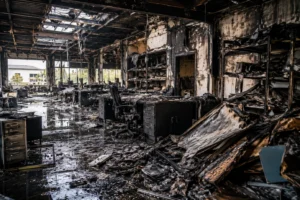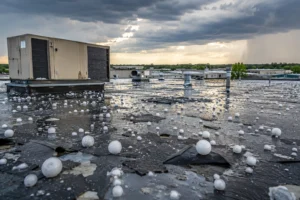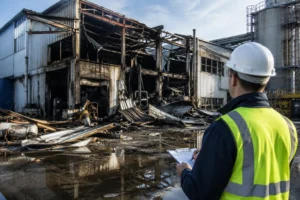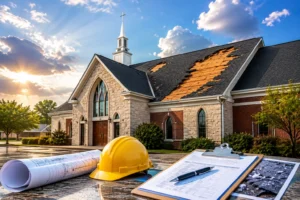

Multi-family property losses are rarely simple. When a hailstorm, fire, hurricane, or water event damages an apartment complex, the physical repairs are only part of the challenge. More importantly, disagreements over repair scope, pricing, code requirements, and claim valuation often emerge soon afterward. As a result, Multi-Family Insurance Claim Disputes can delay recovery, increase costs, and create significant financial pressure for property owners. Therefore, understanding how these disputes arise is critical to protecting your investment and pursuing a fair claim outcome.
What Is a Multi-Family Insurance Claim?
Multi-family properties present challenges that extend well beyond those found in a typical residential claim. These properties may include:
- Apartment complexes
- Duplexes
- Triplexes
- Townhome communities
- Condominium associations
- Student housing developments
- Senior living facilities
Unlike a single-family home, a loss at a multi-family property can affect multiple buildings, dozens of units, shared infrastructure, and various building systems at the same time. For example, a hailstorm may damage roofing throughout an entire apartment community. Similarly, a water loss may affect several floors simultaneously. Consequently, the larger the property and the greater the damage, the more likely Multi-Family Insurance Claim Disputes become.
Common Causes of Property Damage
Multi-family properties frequently sustain losses from:
| Cause of Loss | Potential Damage |
|---|---|
| Hail | Roofing, HVAC equipment, gutters |
| Wind | Roof coverings, siding, windows |
| Fire | Structural and interior damage |
| Water Intrusion | Drywall, flooring, insulation |
| Frozen Pipes | Interior flooding |
| Lightning | Electrical systems and equipment |
| Hurricanes | Extensive building damage |
| Vandalism | Exterior and interior property damage |
Because each event affects a property differently, determining the proper scope and cost of repairs can quickly become complicated.
Why Multi-Family Insurance Claims Often Lead to Disputes
Large losses naturally create larger questions. Consequently, disagreements are common.
The Scale of the Loss
A claim involving a single residence typically focuses on one roof, one HVAC system, and one living area. However, a multi-family property may involve:
- Multiple buildings
- Hundreds of windows
- Extensive roofing systems
- Numerous HVAC units
- Shared utility infrastructure
- Community amenities
As the number of affected components increases, so does the likelihood of differing opinions regarding damage and repair requirements.
Complex Damage Assessments
Not all damage can be seen immediately. In fact, some of the most expensive damage remains hidden during initial inspections. Water may migrate through walls. Roof systems may sustain impact damage that is difficult to identify from the ground. Mechanical systems may appear functional while still suffering storm-related issues. Therefore, these hidden conditions often become a major factor in Multi-Family Insurance Claim Disputes, particularly when experts disagree about the extent of damage. Evaluating large apartment losses can sometimes resemble a form of systems analysis, where multiple building components interact in ways that make damage patterns difficult to identify immediately.
Repair Cost Disagreements
Another common issue involves pricing. Contractors operate within current market conditions. Insurance estimates frequently rely on pricing databases and assumptions. Meanwhile, labor shortages, supply chain disruptions, and material inflation may significantly affect actual repair costs. As a result, the insurer’s estimate and the contractor’s estimate can differ substantially. That gap often becomes the foundation of a dispute.
Common Areas of Disagreement in Multi-Family Insurance Claims
Certain portions of a claim generate disputes more frequently than others.
Roof Damage Disputes
Roofing claims consistently rank among the most disputed areas. Questions often include:
- Is repair sufficient?
- Is full replacement necessary?
- How extensive is the damage?
- Are code upgrades required?
- Can damaged materials be matched?
Because roofing systems often represent a substantial portion of total repair costs, even minor disagreements can produce significant valuation differences.
Exterior Damage Disputes
Likewise, exterior building components frequently become disputed. Examples include:
- Siding
- Stucco
- Brick veneer
- Gutters
- Downspouts
- Exterior paint
- Windows
In many cases, one party may view the damage as cosmetic while another views it as functional. Consequently, claim values can vary dramatically depending on those conclusions.
Interior Damage Disputes
Interior losses often extend beyond visible damage. Affected areas may include:
- Drywall
- Flooring
- Cabinets
- Trim
- Paint
- Insulation
Water damage is especially challenging. Moisture can travel behind walls and beneath flooring long before visible signs appear. Therefore, incomplete inspections may overlook affected areas and underestimate repair costs.
Mechanical and Building Systems
Large apartment communities depend on numerous interconnected systems. These may include:
- HVAC equipment
- Electrical systems
- Plumbing infrastructure
- Fire suppression systems
- Elevators
- Security systems
Modern apartment communities often contain interconnected infrastructure that functions much like a cyber-physical system, where mechanical, electrical, and automated controls work together to support daily operations. Because these systems are highly specialized, evaluating damage often requires technical expertise and detailed inspections.
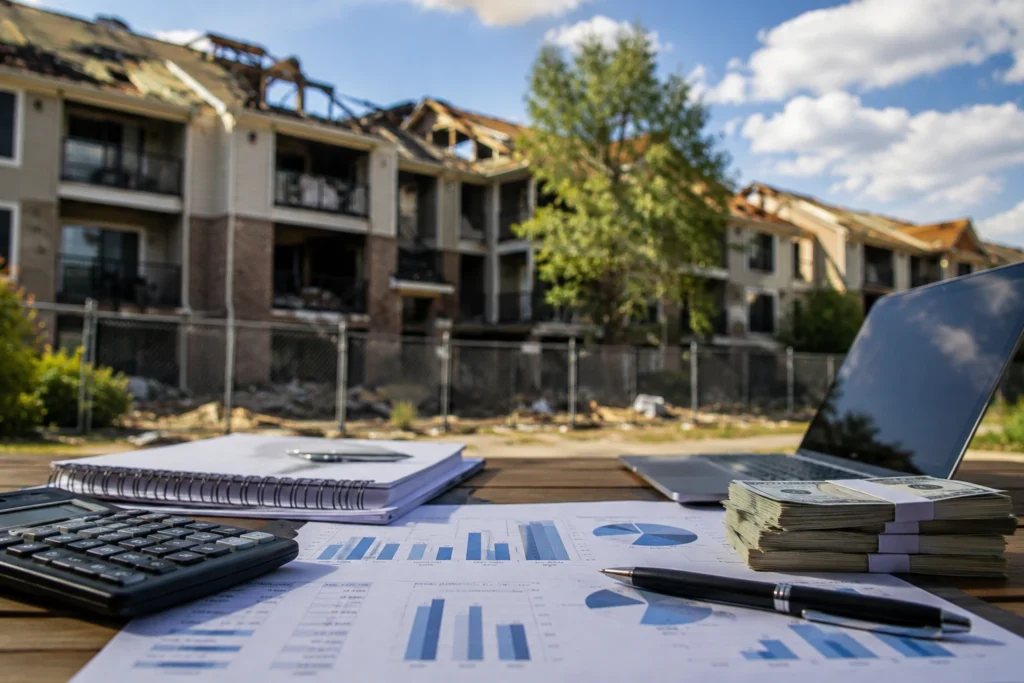
Understanding Underscoped Insurance Claims
One of the leading causes of Multi-Family Insurance Claim Disputes involves underscoped claims.
What Is an Underscoped Claim?
An underscoped claim occurs when the repair estimate does not include all work necessary to restore the property. Importantly, this does not automatically indicate wrongdoing. Instead, it often means that critical repair items were overlooked or underestimated. Examples may include:
- Missing building components
- Incomplete demolition work
- Omitted code upgrades
- Missing labor categories
- Undocumented damage areas
As a result, the claim valuation may fall well below actual repair costs.
Warning Signs of an Underscoped Claim
Property owners should pay close attention when:
- Contractor estimates greatly exceed insurance estimates
- Multiple supplements become necessary
- Hidden damage is discovered during repairs
- Code-related items are absent
- Pricing differences appear excessive
If several of these warning signs appear together, further review may be warranted.
Why Underscoping Happens
Several factors contribute to underscoped claims. These may include:
- Limited inspection time
- Incomplete documentation
- Restricted access to units
- Hidden damage conditions
- Complex building layouts
Regardless of the cause, underscoping often delays restoration efforts and contributes to prolonged Multi-Family Insurance Claim Disputes.
Building Code Upgrades: A Major Source of Claim Disputes
Building codes evolve over time. However, many apartment communities were built decades ago. Consequently, significant repairs often trigger code compliance requirements that did not exist when the property was originally constructed. This frequently becomes another source of Multi-Family Insurance Claim Disputes.
Why Building Codes Matter
Building codes exist to improve safety and performance. Therefore, contractors are often required to comply with current standards during major repairs. Potential requirements may involve:
- Roofing systems
- Fire protection equipment
- Accessibility improvements
- Electrical upgrades
- Energy efficiency standards
When these items are not included in an estimate, repair costs can quickly exceed expectations.
Common Code-Related Dispute Areas
| Building Component | Potential Upgrade Requirement |
|---|---|
| Roofing | Underlayment improvements |
| Electrical Systems | Panel updates |
| Fire Systems | Sprinkler modifications |
| Accessibility Features | Compliance improvements |
| Ventilation Systems | Updated airflow requirements |
As a result, code-related expenses frequently become a major point of disagreement during large property claims.
Matching and Uniform Appearance Disputes
Not every building material remains available forever. Roofing products become discontinued. Paint colors fade. Siding ages. Flooring manufacturers change product lines. Consequently, replacing only the damaged portion of a building may create noticeable differences in appearance. For apartment owners, that matters. Residents notice inconsistencies. Prospective tenants notice them as well. Common matching disputes involve:
- Roofing materials
- Siding products
- Exterior paint finishes
- Flooring systems
- Architectural features
When matching becomes impossible, repair costs often increase substantially. Therefore, matching disputes remain one of the most common drivers of large-scale Multi-Family Insurance Claim Disputes.
Business Interruption and Loss of Rental Income Disputes
Property damage is only part of the financial impact. For many apartment owners, lost rental income becomes an equally important concern. When units become uninhabitable, revenue often declines immediately. Meanwhile, operating expenses may continue. As a result, disputes frequently arise regarding business interruption and loss of rental income coverage.
Understanding Loss of Income Coverage
Loss of income coverage is generally designed to help compensate property owners for rental revenue lost because of covered damage. However, calculating those losses is rarely straightforward. Factors may include:
- Number of affected units
- Occupancy rates
- Lease agreements
- Repair timelines
- Market rental rates
Consequently, even small disagreements regarding these variables can produce significant valuation differences.
Common Areas of Dispute
Loss of income disputes often involve:
- Restoration period length
- Occupancy calculations
- Delayed repairs
- Scope-related delays
- Future rental projections
For example, an insurer may estimate repairs will take three months. However, contractors may believe six months is more realistic due to labor shortages, permitting requirements, or material availability. Therefore, the duration of lost income often becomes a major issue.
Documentation That Strengthens Income Loss Claims
Property owners should maintain:
- Rent rolls
- Lease agreements
- Occupancy reports
- Financial statements
- Tax records
- Property management reports
The more documentation available, the easier it becomes to support the claimed loss.
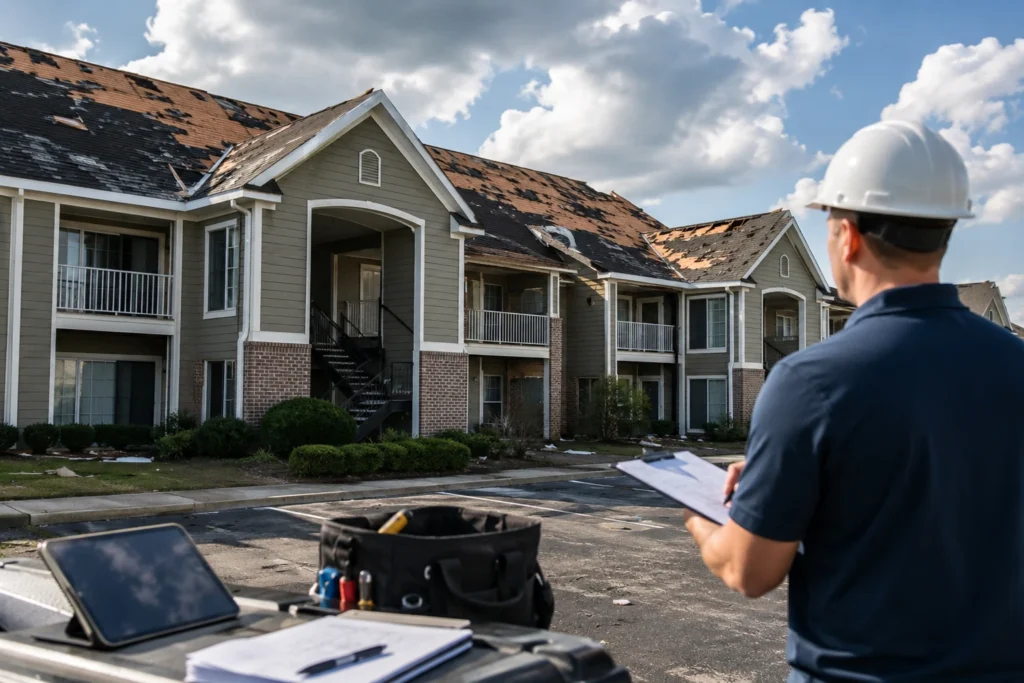
The Role of Contractors in Multi-Family Claim Disputes
Contractors frequently play a critical role in evaluating large property losses. After all, they are the professionals responsible for completing the repairs.
Why Contractor Estimates Often Differ
Insurance estimates and contractor estimates are developed differently. Contractors evaluate:
- Actual labor requirements
- Material availability
- Site conditions
- Local pricing
- Project complexity
Meanwhile, insurance estimates may rely on pricing databases and generalized assumptions. Consequently, substantial differences can emerge.
The Importance of Detailed Repair Scopes
Detailed scopes help eliminate uncertainty. Strong repair estimates often include:
- Line-item pricing
- Material specifications
- Labor breakdowns
- Quantity calculations
- Photographic support
As a result, comprehensive estimates often provide valuable evidence during Multi-Family Insurance Claim Disputes.
Identifying Missing Damage
Experienced contractors frequently uncover issues that were not identified during initial inspections. Examples include:
- Hidden moisture damage
- Structural deterioration
- Roofing system failures
- Code-related requirements
Therefore, contractor evaluations often become an important component of claim review.
What Is the Insurance Appraisal Process?
When valuation disagreements persist, many property owners begin exploring alternative methods of resolution. One option may be appraisal.
Understanding the Appraisal Clause
Many property insurance policies contain an appraisal provision. Generally, appraisal is designed to resolve disputes involving the amount of loss rather than questions of policy coverage. This distinction is important. Appraisal typically focuses on valuation. Coverage issues may require separate resolution.
How the Process Works
Although policies vary, the appraisal process often follows these steps:
- One party invokes appraisal.
- Each side selects an appraiser.
- The appraisers attempt to reach an agreement.
- If necessary, an umpire becomes involved.
- A valuation decision is reached.
Consequently, appraisal can provide a structured method for resolving disagreements without prolonged litigation.
Benefits of Appraisal
Potential advantages may include:
- Faster resolution
- Reduced legal expenses
- Independent evaluation
- More focused dispute resolution
- Increased certainty regarding valuation
Because of these benefits, appraisal is frequently discussed during Multi-Family Insurance Claim Disputes involving large losses.
When Should Multi-Family Property Owners Consider Appraisal?
Not every dispute requires appraisal. However, certain circumstances may indicate it is worth evaluating.
Situations That May Warrant Appraisal
Property owners often consider appraisal when:
- Estimates differ significantly
- Supplemental claims remain unresolved
- Pricing disagreements continue
- Repair scopes remain disputed
- Negotiations have stalled
Under these circumstances, appraisal may help move the claim toward resolution.
Warning Signs a Claim Has Stalled
Several indicators may suggest progress has slowed. These include:
- Extended delays
- Repeated estimate revisions
- Ongoing valuation disputes
- Lack of meaningful communication
- Unresolved supplemental requests
Consequently, property owners should monitor claim activity closely. Many property owners eventually begin asking, “How to Fight a Low Insurance Settlement?” That question often arises when qualified contractor estimates substantially exceed the insurer’s valuation. Before accepting a settlement that may not fully address the damage, owners should carefully evaluate the repair scope, obtain independent estimates, and determine whether appraisal rights may be available under the policy.
Questions Property Owners Should Ask
Before making major claim decisions, consider:
- Has all damage been documented?
- Have qualified contractors reviewed the loss?
- Are code requirements addressed?
- Have matching issues been considered?
- Does the policy contain an appraisal provision?
These questions often reveal opportunities for further claim evaluation.
How to Strengthen a Multi-Family Insurance Claim
Strong claims are rarely built on assumptions. Instead, they are built on evidence.
Document Damage Thoroughly
Comprehensive documentation should include:
- Photographs
- Videos
- Inspection reports
- Maintenance records
- Repair histories
Furthermore, documentation should begin as early as possible.
Obtain Independent Evaluations
Independent opinions often provide valuable insight. Potential sources include:
- Roofing contractors
- General contractors
- Engineers
- Building consultants
Consequently, multiple perspectives may help identify issues that would otherwise be overlooked.
Maintain Financial Records
Financial documentation remains critical. Important records may include:
- Rent rolls
- Revenue statements
- Occupancy reports
- Vendor invoices
- Repair estimates
These records can help support both property damage and income loss claims.
Understand Policy Language
Policy language matters. Coverage provisions, exclusions, deductibles, and appraisal clauses can significantly influence claim outcomes. Therefore, property owners should carefully review policy terms before disputes escalate.
Mistakes Property Owners Should Avoid
Certain mistakes can weaken even legitimate claims.
Waiting Too Long to Document Damage
Time matters. Conditions change. Evidence disappears. Therefore, documentation should occur as quickly as possible.
Accepting Estimates Without Review
Initial estimates should always be reviewed carefully. Missing items and pricing discrepancies are not uncommon.
Overlooking Hidden Damage
Visible damage tells only part of the story. Consequently, thorough inspections remain essential.
Failing to Understand Appraisal Rights
Many policyholders overlook appraisal provisions entirely. As a result, they may miss an opportunity to resolve valuation disputes more efficiently.
Maintaining Inadequate Documentation
Poor records create unnecessary challenges. By contrast, detailed documentation often strengthens a claim considerably.
Why Multi-Family Claims Require Specialized Expertise
Multi-family properties present unique challenges. The stakes are larger. The buildings are more complex. The financial impact is often greater. Furthermore, disputes may involve multiple buildings, tenants, contractors, engineers, and insurance professionals simultaneously. For these reasons, Multi-Family Insurance Claim Disputes often require a deeper level of investigation than standard residential claims. Owners, investors, and property managers who understand the claim process are generally better positioned to identify valuation issues and protect their interests.
Conclusion
Ultimately, Multi-Family Insurance Claim Disputes often involve far more than simple repair estimates. Instead, they may include disagreements regarding damage scope, pricing, code compliance, matching requirements, and lost rental income. Therefore, thorough documentation, qualified inspections, and careful claim review are essential. When valuation disagreements persist, appraisal may provide an effective path toward resolution. Most importantly, property owners who remain proactive throughout the process are often in the strongest position to pursue a fair claim outcome.
FAQs
These disputes occur when property owners and insurance companies disagree on the value, scope, or cost of repairs for a multi-family property loss.
Large losses involve multiple buildings, building systems, and repair items, which increases the likelihood of differing opinions regarding damage and repair costs.
An underscoped claim is one where necessary repairs or damaged components are omitted from the insurance estimate, resulting in a lower valuation.
Yes. Current code requirements can increase repair costs significantly and are often a source of disagreement during large property claims.
Maintain photographs, videos, contractor estimates, inspection reports, maintenance records, and financial documents related to the loss.
If damaged materials cannot be matched due to age or discontinued products, additional replacement work may be necessary to maintain a uniform appearance.
Appraisal is a policy-based process that helps resolve disputes over the amount of loss by using independent appraisers and, if needed, an umpire.
Many policies provide coverage for lost rental income when covered property damage causes units to become uninhabitable.
Appraisal may be worth considering when repair estimates differ significantly, negotiations stall, or valuation disputes remain unresolved.
Thorough documentation, independent inspections, detailed repair estimates, and a clear understanding of policy provisions can help support a stronger claim.