
Insurance disputes can get messy fast. A homeowner believes storm damage requires a full roof replacement. The insurance company disagrees. Estimates clash. Repairs stall. Frustration grows. That is usually when people begin asking: what does an insurance umpire do? An insurance umpire is the neutral third party involved in the appraisal process when two appraisers cannot agree on the value of an insurance claim. Their role is to review disputed damages, inspect evidence, analyze estimates, and help bring the claim to a fair resolution. In Texas property claims, especially hail and storm losses, insurance umpires often play a major role in determining the final settlement amount. Understanding what does an insurance umpire do can help homeowners, business owners, and property managers navigate difficult insurance disputes with far more confidence.
Understanding the Insurance Appraisal Process
Before fully understanding what does an insurance umpire do, it helps to understand how the insurance appraisal process works. Insurance appraisal is designed to resolve disagreements over the value of property damage claims without immediately entering a lawsuit. Many property insurance policies include an appraisal clause specifically for this purpose. The process is commonly used in disputes involving:
- Roof hail damage
- Wind damage
- Fire losses
- Water intrusion
- Commercial property claims
- Storm restoration disputes
What Is an Insurance Appraisal?
An insurance appraisal is a formal dispute resolution process used when the policyholder and insurance company disagree on repair costs or damage scope. The appraisal process typically involves three parties:
| Party | Role |
|---|---|
| Policyholder Appraiser | Represents the homeowner’s estimate |
| Insurance Company Appraiser | Represents the insurer’s estimate |
| Umpire | Neutral third party resolving disagreements |
If both appraisers agree on the amount of loss, the claim moves forward. If they disagree, the insurance umpire becomes involved. That is where understanding what does an insurance umpire do becomes extremely important.

When the Appraisal Clause Is Triggered
Appraisal usually begins after disputes involving:
- Underpaid claims
- Roof replacement disagreements
- Hidden storm damage
- Material matching issues
- Code upgrade costs
- Supplemental damage disputes
- Scope disagreements
For example, a roofing contractor may estimate $40,000 in repairs while the carrier estimates only $16,000. That gap creates a serious dispute. Rather than allowing negotiations to drag endlessly, appraisal helps create a structured resolution process.
What Does an Insurance Umpire Do?
At the center of the process sits the umpire. Their responsibility is simple in theory but incredibly important in practice. An insurance umpire reviews disputed claim items objectively and helps determine fair repair values based on evidence, inspections, documentation, and industry standards. The umpire is not supposed to favor either side. Neutrality is critical.
Acts as a Neutral Decision-Maker
One of the most important answers to the question what does an insurance umpire do is this: They act as the tie-breaker. When appraisers disagree, the umpire reviews disputed items independently and helps finalize unresolved amounts. Strong umpires focus heavily on:
- Evidence quality
- Inspection findings
- Repair scope
- Documentation consistency
- Industry pricing
- Building code requirements
They avoid emotional arguments and instead rely on facts, inspection results, and analytical reasoning similar to Heuristic evaluation methods when comparing competing estimates.
Reviews Estimates and Documentation
Insurance umpires spend significant time reviewing documentation. And there can be a mountain of it. Common materials reviewed include:
- Contractor estimates
- Adjuster reports
- Engineering reports
- Roof inspection photos
- Drone imagery
- Interior moisture documentation
- Weather reports
- Xactimate estimates
- Material invoices
- Manufacturer specifications
The goal is not simply choosing one estimate over another. The goal is determining what repairs are truly necessary and reasonably priced. Experienced umpires know how to spot:
- Incomplete inspections
- Overlooked damage
- Inflated estimates
- Missing code items
- Improper repair scopes
This is another major reason why understanding what does an insurance umpire do matters during disputed property claims.
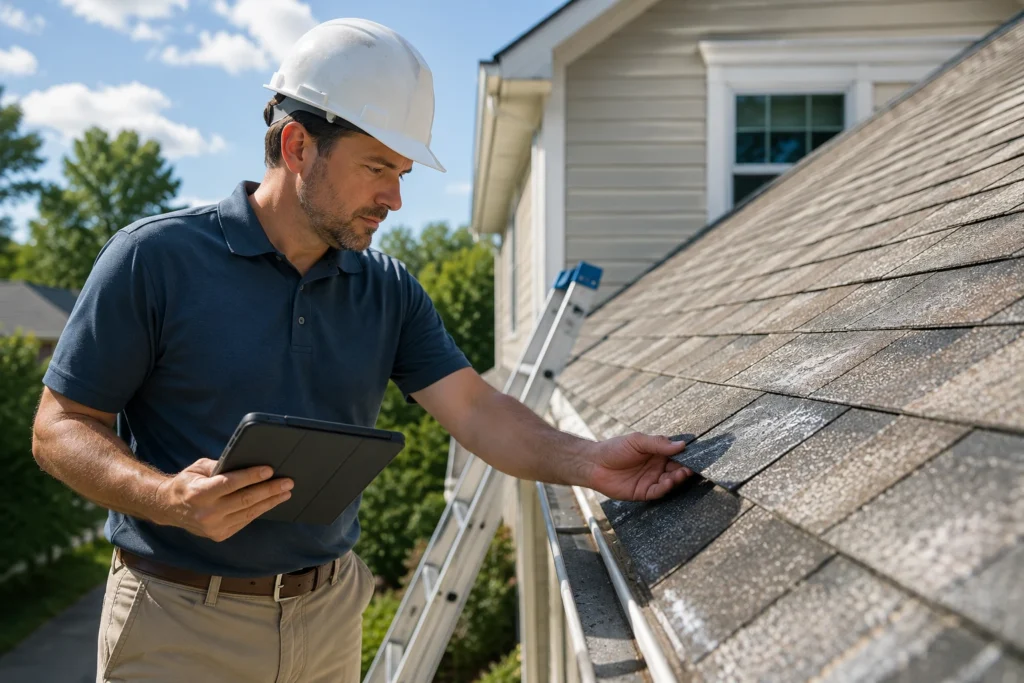
Inspects the Property When Necessary
Many umpires personally inspect damaged properties. This is especially common in Texas hail claims. An on-site inspection allows the umpire to:
- Review roofing damage firsthand
- Evaluate interior leaks
- Inspect flashing and vents
- Assess siding impacts
- Check moisture intrusion
- Verify disputed repair items
These inspections often become turning points in the appraisal process. A missed roof slope or hidden moisture issue can completely change the claim outcome. Small details matter enormously in insurance disputes.
How Insurance Umpires Are Selected
Not all umpires are the same. Some have extensive construction experience. Others come from adjusting or engineering backgrounds. Choosing the right umpire matters.
Agreement Between Both Appraisers
Typically, both appraisers attempt to agree on an umpire together. In many cases, this happens quickly. In others, selecting the umpire becomes another dispute entirely. Highly respected umpires are usually known for:
- Fairness
- Technical expertise
- Neutrality
- Strong communication
- Experience with complex claims
Qualifications Good Umpires Often Have
Experienced insurance umpires often possess backgrounds involving:
- Insurance adjusting
- Roofing systems
- Construction estimating
- Engineering
- Storm restoration
- Commercial property losses
- Texas building codes
Texas-specific experience is especially valuable because hail and wind claims can become highly technical.
What Happens if Appraisers Cannot Agree?
If both appraisers fail to agree on an umpire, a court may appoint one. This usually slows the process considerably. Court involvement often creates:
- Additional delays
- Legal expenses
- Scheduling problems
- More paperwork
That is why experienced appraisers usually prioritize selecting a respected umpire early in the process.
Common Situations Where an Umpire Becomes Necessary
Not every insurance claim requires an umpire. But certain disputes frequently end up there.
Hail Damage Claims
Texas hail claims are one of the most common appraisal scenarios. Disputes often involve:
- Roof replacement necessity
- Functional damage
- Cosmetic damage
- Soft metal impacts
- Shingle matching
- Flashing damage
- Hidden storm-related issues
One side may recommend spot repairs while the other argues the roofing system requires complete replacement. The umpire helps evaluate the evidence objectively.
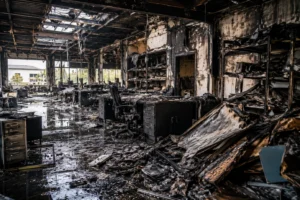
Fire and Smoke Damage Claims
Fire losses can create major disagreements regarding:
- Structural integrity
- Smoke contamination
- HVAC cleaning
- Odor removal
- Content replacement
- Hidden heat damage
These claims often require detailed inspections and technical analysis.
Water Damage and Mold Claims
Water losses frequently involve disputes over repair scope. Common disagreements include:
- Drywall replacement
- Flooring continuity
- Cabinet damage
- Dry-out procedures
- Moisture migration
- Mold remediation
Water damage spreads farther than many property owners initially realize. A qualified umpire helps determine whether the proposed repairs fully address the loss.
Commercial Property Claims
Commercial appraisal claims can become extremely complex. Disputes may involve:
- Roofing systems
- Structural repairs
- Equipment damage
- Tenant improvements
- Business interruption
- Code upgrades
Commercial files often require enormous amounts of documentation and procedural organization similar to Taxonomy systems used for classifying complex information.
What Insurance Umpires Look for During a Case
One of the biggest misconceptions in appraisal is that the loudest argument wins. It does not. Strong evidence wins.
Accuracy of Documentation
Good documentation carries enormous weight during appraisal. Helpful evidence includes:
- Clear photos
- Inspection reports
- Measurements
- Weather verification
- Repair invoices
- Detailed contractor estimates
Disorganized documentation weakens credibility quickly.
Proper Repair Scope
Many disputes revolve around repair scope rather than pricing alone. Examples include:
| Disputed Issue | Common Conflict |
|---|---|
| Roofing | Repair versus replacement |
| Flooring | Partial versus continuous replacement |
| Siding | Matching availability |
| Interior damage | Cosmetic versus structural concerns |
An experienced umpire evaluates whether repairs properly restore the property.
Credibility of Supporting Experts
Professionalism matters during appraisal. Organized reports, detailed estimates, and thorough inspections typically carry more credibility than vague or inconsistent documentation. Experienced umpires recognize weak evidence quickly.
The Difference Between an Insurance Umpire and an Appraiser
These roles are often confused. But they serve very different purposes.
The Policyholder Appraiser
The homeowner’s appraiser supports the policyholder’s valuation position. Their job is to identify complete repair needs and accurate pricing.
The Insurance Company Appraiser
The carrier’s appraiser supports the insurance company’s estimate and valuation approach.
The Neutral Umpire
The umpire remains independent. Their role is to evaluate disputed items objectively and help finalize unresolved claim amounts. That neutrality defines the position. And it explains why the question what does an insurance umpire do is so important during insurance disputes.
How Long Does the Umpire Process Take?
There is no universal timeline. Some appraisal claims resolve within weeks. Others require several months. The timeline depends heavily on claim complexity.
Factors That Affect Timing
Delays commonly involve:
- Large property losses
- Commercial claims
- Scheduling inspections
- Engineering disputes
- Supplemental damage
- Poor communication
- Difficulty selecting an umpire
Ways to Speed Up the Process
Homeowners can help move appraisal forward by:
- Organizing records carefully
- Responding quickly
- Providing detailed estimates
- Maintaining communication
- Hiring experienced professionals
Preparation reduces delays.
Benefits of Using an Insurance Umpire
Despite the stress involved, appraisal often provides major advantages over litigation.
Faster Than Lawsuits
Lawsuits may take years to resolve. Appraisal usually moves significantly faster. That speed matters after major property damage. People want repairs completed and life restored.
More Objective Claim Resolution
An experienced umpire focuses on evidence rather than emotion. This often creates more balanced outcomes.
Helps Resolve Deadlocks
Without an umpire, many claims would remain stuck in endless negotiations. The umpire process creates movement toward resolution.
Challenges That Sometimes Occur
The appraisal process is valuable, but not perfect.
Inexperienced Umpires
Weak or inexperienced umpires can create inconsistent decisions and delays. Technical expertise matters enormously.
Weak Documentation
Even legitimate claims become harder to support without strong evidence. Photos, inspections, and organized estimates remain critical.
Coverage Versus Value Disputes
This distinction matters. Appraisal generally resolves disputes involving value and repair scope, not policy coverage interpretation.
For example:
- Whether damage exists may enter appraisal
- Whether the policy covers the damage may remain a legal issue
Understanding this limitation helps avoid confusion later.
Tips for Homeowners Entering the Umpire Process
Preparation can significantly improve appraisal outcomes.
Keep Thorough Records
Maintain organized files containing:
- Photos
- Emails
- Inspection reports
- Estimates
- Repair receipts
- Weather documentation
Strong documentation improves credibility immediately.
Hire Experienced Professionals
Not every contractor understands appraisal procedures. Choose professionals familiar with Texas insurance disputes and storm restoration claims.
Understand Your Insurance Policy
Review your appraisal clause carefully. Pay attention to:
- Deadlines
- Responsibilities
- Selection procedures
- Payment obligations
Understanding the process reduces costly surprises.
Final Thoughts
So, what does an insurance umpire do? They help resolve disputed insurance claim values when appraisers cannot agree. They review inspections, analyze estimates, evaluate evidence, inspect damaged properties, and provide neutral decisions that help finalize claim amounts fairly. In Texas property insurance disputes, especially hail and storm claims, the umpire often becomes one of the most important people in the entire appraisal process. A skilled umpire can help uncover overlooked damage, evaluate conflicting estimates objectively, and move stalled claims toward resolution. But successful appraisal outcomes rarely happen by accident. Preparation matters. Documentation matters. Experience matters. And understanding what does an insurance umpire do gives homeowners a stronger position when difficult insurance disputes arise.
FAQs
An insurance umpire acts as a neutral third party who helps resolve disagreements between appraisers about the value of an insurance claim.
Yes. The umpire should remain independent and unbiased while reviewing estimates, inspections, and supporting evidence from both sides.
An umpire is usually involved when the policyholder’s appraiser and the insurance company’s appraiser cannot agree on the amount of loss.
Yes. Many umpires conduct on-site inspections to evaluate roof damage, interior issues, and disputed repair items firsthand.
Typically, the homeowner and insurance company split the umpire’s fee equally unless the policy states otherwise.
In many appraisal cases, the signed appraisal award becomes binding if agreed upon by the umpire and one appraiser.
Insurance umpires are commonly used in hail damage, roof replacement, fire damage, water damage, and commercial property disputes.
Some appraisal cases resolve within a few weeks, while larger or more complex disputes may take several months.
Usually, no. Appraisal primarily resolves disagreements about repair costs and damage scope, not policy interpretation or coverage denial issues.
Homeowners should keep organized documentation, hire experienced professionals, and provide detailed estimates, photos, and inspection reports.