
Insurance claims become stressful fast when payment disputes begin dragging out. Many homeowners hear the word “appraisal” and immediately assume the process will either solve everything quickly or become a legal nightmare. Neither assumption is always true. Understanding the insurance appraisal timeline explained from beginning to end helps homeowners prepare for delays, organize documentation properly, and avoid costly mistakes during negotiations.
What Is Insurance Appraisal?
Insurance appraisal is a dispute resolution process found in many property insurance policies. It is commonly used when the policyholder and insurance company disagree about the value of a loss. This process often applies to:
- Roof damage claims
- Hail losses
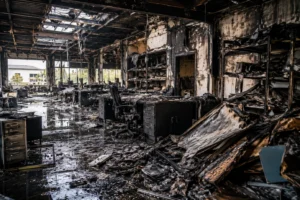
- Fire damage
- Water damage
- Commercial property disputes
Instead of immediately filing a lawsuit, both sides select independent appraisers to evaluate the loss. If disagreements remain, an umpire may help finalize unresolved issues. The process sounds simple. But timelines vary dramatically depending on the complexity of the claim, documentation quality, scheduling availability, and how cooperative both sides remain during negotiations.
Stage One: Filing the Insurance Claim
Every appraisal case starts with the original insurance claim. A storm damages the roof. A pipe bursts. A fire destroys part of the property. The homeowner contacts the insurance company and begins the claim process. At this early stage, insurance carriers usually:
- Assign an adjuster
- Schedule inspections
- Review policy coverage
- Request documentation
- Prepare an initial estimate
This part sometimes moves quickly for smaller losses. Large claims rarely move that smoothly. Severe weather events often create massive claim backlogs, especially after hailstorms or hurricanes. That alone can delay inspections for days or even weeks.
Stage Two: Initial Inspections and Estimates
Once the claim is opened, inspections begin. Insurance adjusters evaluate the visible damage and prepare repair estimates. Contractors may also inspect the property independently and produce separate estimates. This is where disagreements often begin. Contractors frequently identify issues that insurance carriers initially miss, including:
- Hidden water intrusion
- Ventilation problems
- Structural concerns
- Code upgrade requirements
- Underlayment damage
- Decking deterioration
Those differences create tension almost immediately. Especially in roofing claims. The larger the gap between estimates, the greater the chance the claim eventually moves toward appraisal.
Stage Three: Negotiation Before Appraisal
This stage becomes the longest part of many claims. And honestly, the most frustrating. The insurance company reviews supplemental estimates while contractors continue documenting additional concerns. More inspections may follow. Emails start piling up. Weeks pass. Sometimes months. This negotiation phase may include:
| Negotiation Activity | Potential Timeline Impact |
|---|---|
| Supplemental estimate review | Moderate |
| Reinspection scheduling | High |
| Engineering reports | Significant |
| Contractor documentation requests | Moderate |
| Scope disagreements | Major |
Some claims resolve during this phase. Others stall completely. When both sides remain far apart on pricing or repair scope, appraisal becomes increasingly likely.
Stage Four: Formal Appraisal Demand
Once negotiations fail, either side may formally invoke appraisal according to the policy language. This usually happens through written notice. At this point, the process becomes more structured. Policy deadlines may begin applying, depending on the insurance contract and state regulations. Many homeowners become nervous here because the dispute suddenly feels more serious. But appraisal is still generally less expensive and less aggressive than full litigation. That distinction matters enormously.
Stage Five: Selecting Appraisers
Both the policyholder and insurance company select independent appraisers. This stage sounds straightforward. Sometimes it is. Other times it creates another major delay. Experienced appraisers are often extremely busy after major storms. Scheduling conflicts can easily stretch timelines longer than homeowners expect. A qualified appraiser typically:
- Reviews policy language
- Evaluates damage evidence
- Inspects the property
- Prepares estimates
- Negotiates disputed costs
- Documents supporting evidence
Choosing the right appraiser matters more than many homeowners realize. Strong communication skills alone can dramatically improve efficiency.
Stage Six: Selecting the Umpire
If disagreements continue, the two appraisers select an umpire. This is one of the most misunderstood parts of the insurance appraisal timeline explained to policyholders. The umpire does not immediately take over the claim. Instead, the umpire only becomes involved when appraisers cannot fully agree on disputed issues. Finding a mutually acceptable umpire may take time. Especially during large catastrophe seasons. Some parties disagree heavily about who should serve as umpire. In certain situations, courts may need to appoint one before appraisal can continue. That alone may add several weeks to the process.
Stage Seven: Joint Property Inspections
Once appraisers are selected, detailed inspections begin. This phase often involves:
- Roof measurements
- Interior evaluations
- Moisture mapping
- Drone photography
- Material analysis
- Contractor documentation
- Repair scope reviews
Complex claims naturally require more investigation. A simple residential roof replacement differs enormously from a multi-building commercial fire loss. That difference directly affects the timeline. In some disputes, interpreting damage evidence becomes almost a practical exercise in Epistemology because both sides may review identical evidence yet reach very different conclusions.
Stage Eight: Estimate Preparation and Negotiation
After inspections finish, both appraisers prepare detailed estimates. This phase becomes highly technical. Especially when using estimating platforms like Xactimate. Disagreements commonly involve:
- Labor pricing
- Material costs
- Tear-off requirements
- Matching laws
- Waste calculations
- Code compliance
- Structural repairs
- Overhead and profit
Some negotiations resolve quickly. Others become extremely detailed and time-consuming. Large commercial losses may involve thousands of individual estimate line items. That complexity naturally increases appraisal timelines.

Stage Nine: Umpire Review
If appraisers still cannot fully agree, disputed items move to the umpire for review. Contrary to popular belief, the umpire does not always decide the entire claim. Sometimes appraisers resolve most issues independently and only submit a few disputed items. This often speeds things up considerably. The umpire reviews documentation, inspections, pricing evidence, and competing estimates before helping finalize unresolved numbers. Strong documentation becomes critical here. Disorganized evidence slows everything down.
Stage Ten: Issuance of the Appraisal Award
Once decisions are finalized, the appraisal award is issued. This document establishes the agreed amount of loss. Typically, signatures from any two members of the appraisal panel finalize the award.
For example:
- Both appraisers agree
- One appraiser and the umpire agree
After the award is completed, the insurance company processes payment according to the policy terms. But payment may not arrive instantly. Administrative processing still takes time. Mortgage company endorsements can also create additional delays before repairs begin.
How Long Does Insurance Appraisal Usually Take?
This is the question every homeowner asks. Unfortunately, no universal answer exists. Still, general patterns do appear.
Simple Claims
Smaller residential claims sometimes resolve within:
- Several weeks
- One to three months
Examples include:
- Minor roof replacements
- Small water losses
- Straightforward hail claims
Moderate Complexity Claims
Larger residential losses usually take longer. Especially when multiple trades become involved. Examples include:
- Roofing
- Flooring
- Electrical systems
- HVAC repairs
- Interior reconstruction
These claims may require several months to complete.
Complex Claims
Commercial property disputes often take far longer. Especially after:
- Major fires
- Hurricanes
- Large hailstorms
- Multi-building losses
Business interruption calculations create another layer of complexity entirely.
Common Factors That Delay Insurance Appraisal
Several issues repeatedly slow appraisal timelines.
Slow Communication
Missed emails and delayed responses create enormous inefficiencies. Simple scheduling issues sometimes add weeks unnecessarily.
Incomplete Documentation
Weak documentation causes major problems. Missing invoices, poor photographs, and vague contractor reports slow negotiations immediately.
Hidden Damage Discoveries
Additional damage often appears during repairs. Examples include:
- Rotten decking
- Mold growth
- Structural deterioration
- Electrical hazards
- Ventilation deficiencies
These discoveries frequently trigger supplemental disputes.
Scope Disagreements
Repair-versus-replacement arguments remain extremely common. Especially in roofing claims. Small disagreements can produce massive financial differences.
What Homeowners Should Do During the Appraisal Timeline
Stay Organized
Create a dedicated claim file immediately. Keep:
- Emails
- Estimates
- Payment letters
- Inspection reports
- Contractor invoices
- Photographs
Organization improves efficiency enormously.
Respond Quickly
Many delays actually come from slow homeowner responses. Fast communication keeps the process moving.
Document Everything
Documentation matters constantly during appraisal. Strong evidence improves negotiating leverage significantly.
Understand the Policy
Many homeowners never read the appraisal clause until disputes begin. That becomes dangerous quickly. Understanding exclusions, deductibles, and deadlines early prevents surprises later.

Can Insurance Appraisal Be Expedited?
Sometimes. But not always. Smaller claims with cooperative parties generally move faster because fewer disputed issues exist. Still, rushing the process creates risks too. Incomplete inspections and weak documentation may produce inaccurate awards that become difficult to challenge later. Efficiency matters more than reckless speed. In many ways, successful claim resolution resembles the pursuit of Pareto efficiency where both sides attempt to resolve disputes without unnecessary delays or wasted costs.
What Happens After the Appraisal Award?
Many homeowners assume the process fully ends once the award is signed. Not always. Additional issues may still appear, including:
- Mortgage company approval delays
- Supplemental repairs
- Hidden damage discoveries
- Depreciation recovery disputes
- Contractor change orders
Still, most claims move toward final repairs after the award is completed.
Common Misconceptions About Insurance Appraisal Timelines
“Appraisal Always Finishes Quickly”
Not true. Simple claims may resolve fast. Complex disputes absolutely do not.
“The Umpire Decides Everything”
Usually false. Many claims settle mostly between appraisers before umpire involvement becomes necessary.
“Appraisal Guarantees Higher Payments”
No guarantee exists. Appraisal determines the amount of loss, not automatic financial victory.
“Appraisal Ends Every Dispute”
Coverage disputes may still survive appraisal under certain circumstances. That surprises many policyholders.
Warning Signs Your Appraisal Timeline Is Becoming Problematic
Watch carefully for:
- Long periods of silence
- Repeated inspection delays
- Constant estimate revisions
- Poor communication
- Delayed umpire selection
- Missing documentation requests
These signs often indicate the process is slowing down significantly.
Tips to Keep the Insurance Appraisal Process Moving
Several practical steps improve efficiency dramatically.
Hire Experienced Professionals
Experience matters enormously during property disputes.
Submit Documentation Early
Organized evidence reduces confusion later.
Maintain Professional Communication
Aggressive communication often slows negotiations instead of helping them.
Keep Contractors Involved
Contractors frequently identify scope issues insurance carriers initially overlook. Their input can become extremely valuable during appraisal.
Final Thoughts on the Insurance Appraisal Timeline Explained
Understanding the insurance appraisal timeline explained from beginning to end helps homeowners manage expectations more realistically during claim disputes. The process rarely moves instantly. Inspections, negotiations, documentation reviews, and scheduling conflicts all affect how long appraisal ultimately takes. Patience matters. Preparation matters even more. The homeowners who stay organized, communicate consistently, and understand the appraisal process usually place themselves in much stronger positions throughout the claim.
FAQs
Most residential appraisal cases take anywhere from several weeks to a few months, depending on the complexity of the dispute and scheduling availability.
Yes, appraisal can extend the overall claim timeline because inspections, negotiations, and umpire reviews may take time to complete.
No. Appraisal is typically an alternative dispute resolution process designed to avoid full litigation over the amount of loss.
Both the homeowner and insurance company select their own independent appraisers to represent their positions during the process.
The umpire helps resolve disagreements when the two appraisers cannot fully agree on certain parts of the claim.
In many cases, yes. Once the required signatures are completed, the appraisal award often becomes binding regarding the amount of loss.
Absolutely. Newly discovered damage during repairs or inspections often leads to supplemental negotiations that extend the process.
Contractors are not always required, but their estimates and documentation can become extremely valuable during scope and pricing disputes.
Sometimes it can, especially when important damage or repair costs were initially overlooked during earlier inspections.
Poor communication and incomplete documentation are among the most common causes of appraisal delays.