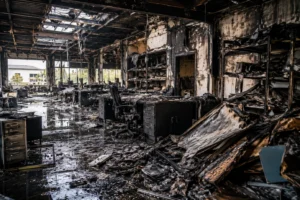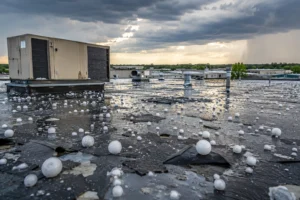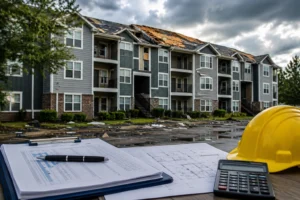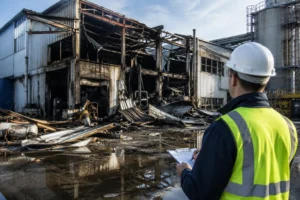

Hailstorms hit hard. And in Texas, they hit often. One storm can leave thousands of homeowners staring at bruised shingles, leaking ceilings, dented gutters, and insurance estimates that feel far too low. That is exactly why insurance appraisal for hail damage claims has become such an important topic for property owners trying to recover financially after severe weather. The frustrating part? Many disputes are not about whether damage exists. They are about how much the damage is worth. That distinction matters. Insurance carriers may approve portions of the claim while disagreeing on roofing scope, labor pricing, code upgrades, or hidden structural issues. Homeowners often assume they have only two choices: accept the payment or hire an attorney. But there is another option built into many policies. Insurance appraisal. And when used correctly, it can completely change the direction of a hail claim dispute.
What Is Insurance Appraisal for Hail Damage Claims?
Insurance appraisal is a formal dispute-resolution process found inside many property insurance policies. It is designed to resolve disagreements over the value of a loss. Not coverage. That difference is extremely important. If the insurance company admits hail damage exists but disputes the amount required to repair the property properly, the appraisal process may apply. If the carrier denies coverage entirely for policy reasons, appraisal may not resolve the issue. Here is the basic structure:
- The homeowner selects an appraiser
- The insurance company selects its appraiser
- Both appraisers inspect the damage
- If they disagree, an umpire helps make the final decision
Simple in theory. Complicated in practice. Especially after large Texas hailstorms where claim volumes explode overnight.
Why Hail Damage Claims Frequently End Up in Appraisal
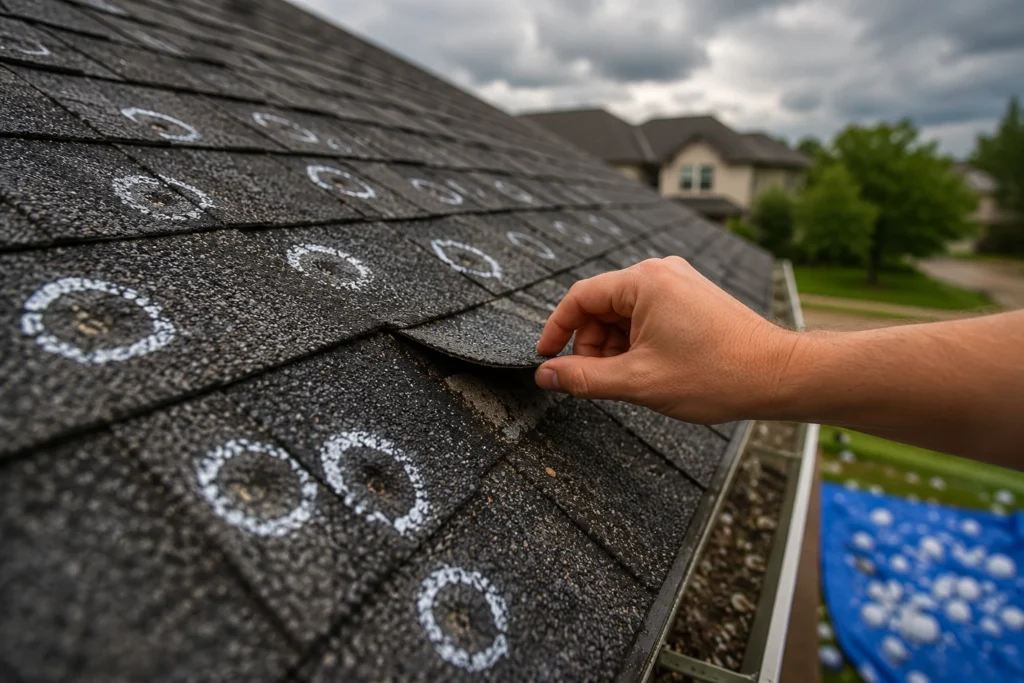
Hail claims create unique problems. Roof damage is not always obvious from the ground. Some shingles show visible fractures immediately. Others slowly deteriorate over time after the protective granules become displaced. That creates disagreement. One inspector may recommend minor repairs. Another may identify enough functional damage to justify full replacement. And suddenly the claim becomes contentious.
Common Reasons Hail Claims Enter Appraisal
| Dispute Area | Example |
|---|---|
| Roofing Scope | Repair vs full replacement |
| Pricing | Labor rates too low |
| Code Upgrades | Missing ventilation requirements |
| Matching | Discontinued shingles |
| Supplements | Hidden decking damage |
| Interior Damage | Water intrusion omitted |
Texas storms make these conflicts even more intense. During catastrophic hail seasons, insurance adjusters handle enormous workloads. Inspections move quickly. Important damage sometimes gets missed. That is not speculation. It happens constantly. Especially on:
- Steep roofs
- Multi-story homes
- Complex commercial buildings
- Metal roofing systems
- Tile roofing systems
The larger the claim, the more likely disagreements become.
How the Insurance Appraisal Process Works
Insurance appraisal for hail damage claims follows a fairly structured process. Still, every claim develops differently depending on the policy language, damage severity, and quality of documentation.
Step 1: The Appraisal Clause Is Invoked
Either party may demand appraisal. Sometimes the homeowner initiates it after receiving a low estimate. Other times the insurance carrier invokes appraisal when negotiations stall. The policy language controls the procedure. That is why reviewing the actual appraisal clause carefully matters before making decisions. Some policies contain strict deadlines. Others include procedural requirements involving written demand notices.
Step 2: Each Side Selects an Appraiser
This step is critical. Not all appraisers have the same level of experience with hail damage claims. A strong appraiser understands:
- Roofing systems
- Xactimate estimating
- Building codes
- Matching issues
- Storm-related damage patterns
- Supplement documentation
Weak representation creates problems fast. Especially when the opposing side arrives with extensive storm-claim experience.
Step 3: The Umpire Is Selected
If the appraisers disagree, an umpire becomes involved. Think of the umpire as a neutral decision-maker. The umpire does not automatically side with either party. Instead, they evaluate disputed issues and help finalize the appraisal award. Choosing the right umpire matters enormously in large-loss hail claims. Especially when disputes involve:
- Complex roofing systems
- Commercial structures
- Matching disputes
- Engineering conflicts
- Code compliance
Step 4: The Property Inspection Happens
This is where the real work begins. Thorough inspections often uncover damage missed during the original claim process. And I have seen this happen repeatedly. Commonly overlooked issues include:
- Creased shingles
- Fractured fiberglass matting
- Soft metal impacts
- Detached flashing
- Ventilation damage
- Water intrusion inside attics
- HVAC fin damage
- Gutter impacts
Detailed inspections may also involve:
- Drone imaging
- Moisture mapping
- Thermal imaging
- Attic evaluations
- Manufacturer documentation
Strong documentation changes outcomes. Weak documentation weakens negotiations. It really is that simple. During larger commercial inspections, some appraisers may use advanced moisture detection tools and imaging systems influenced by principles similar to interferometry when evaluating hidden water intrusion beneath roofing materials.
Step 5: Estimate Comparison and Scope Negotiation
After inspections conclude, the estimate review process begins. This stage often becomes the center of the dispute. Appraisers compare:
- Roofing quantities
- Labor rates
- Code requirements
- Material pricing
- Supplement requests
- Interior repairs
- Detached structures
- Exterior components
Most large hail disputes eventually involve Xactimate. Small omissions create massive differences in settlement totals. Starter shingles. Ridge cap. Flashing. Safety setup. Dumpster fees. Detach and reset items. Individually, they may seem minor. Collectively, they can represent thousands of dollars.
Frequently Missed Line Items
| Category | Commonly Missed Items |
|---|---|
| Roofing | Starter, ridge cap |
| Labor | Steep charges |
| Safety | Harness setup |
| Exterior | Flashing, vents |
| Disposal | Dumpster fees |
| Interior | Texture matching |
Step 6: Final Appraisal Award
If the appraisers reach agreement, the numbers become finalized. If disagreements remain, the umpire reviews the disputed issues and helps determine the final award. Once signed, the appraisal award typically becomes binding regarding the amount of loss. That does not always end every disagreement. But in many hail damage disputes, it resolves the largest financial conflicts without full litigation.
Hidden Hail Damage Creates Major Claim Problems
Some hail damage appears immediately. Some does not. That delayed damage becomes one of the biggest reasons insurance appraisal for hail damage claims exists in the first place. A roof may look acceptable from the ground while sustaining serious functional damage underneath. For example:
- Granule displacement can accelerate aging
- Fractured shingle mats can create long-term leaks
- Metal impacts may compromise protective coatings
- Water intrusion can spread behind walls slowly
By the time leaks become obvious, the disagreement has already escalated. That is why independent inspections matter so much after major storms. In some highly technical disputes, roofing deterioration patterns may involve analysis concepts related to fracture mechanics, especially when evaluating long-term shingle stress and hail impact separation within aging roofing systems.
Insurance Appraisal vs Public Adjuster
These terms often get confused. But they are not the same thing.
Major Differences
| Insurance Appraisal | Public Adjuster |
|---|---|
| Resolves value disputes | Manages claim negotiations |
| Uses appraisers and umpire | Represents policyholder directly |
| Usually policy-driven | Usually involved earlier |
| Focuses on disputed amount | Focuses on claim handling |
A public adjuster may negotiate the claim before appraisal begins. If negotiations fail, appraisal may become the next step. In larger disputes, both processes sometimes overlap strategically.
Insurance Appraisal vs Lawsuit
Most homeowners want one thing. Resolution. Fast. Litigation can become expensive, stressful, and time-consuming. Insurance appraisal often moves faster than full-scale lawsuits because the process focuses specifically on valuation disputes. That said, appraisal is not a perfect solution for every claim.
Situations Where Litigation May Still Happen
- Full claim denials
- Bad faith allegations
- Fraud accusations
- Policy interpretation disputes
- Coverage disagreements
Still, many hail claim disputes involve pricing and scope disagreements rather than outright denial. That makes appraisal an important tool.
Documentation Wins Hail Claim Disputes
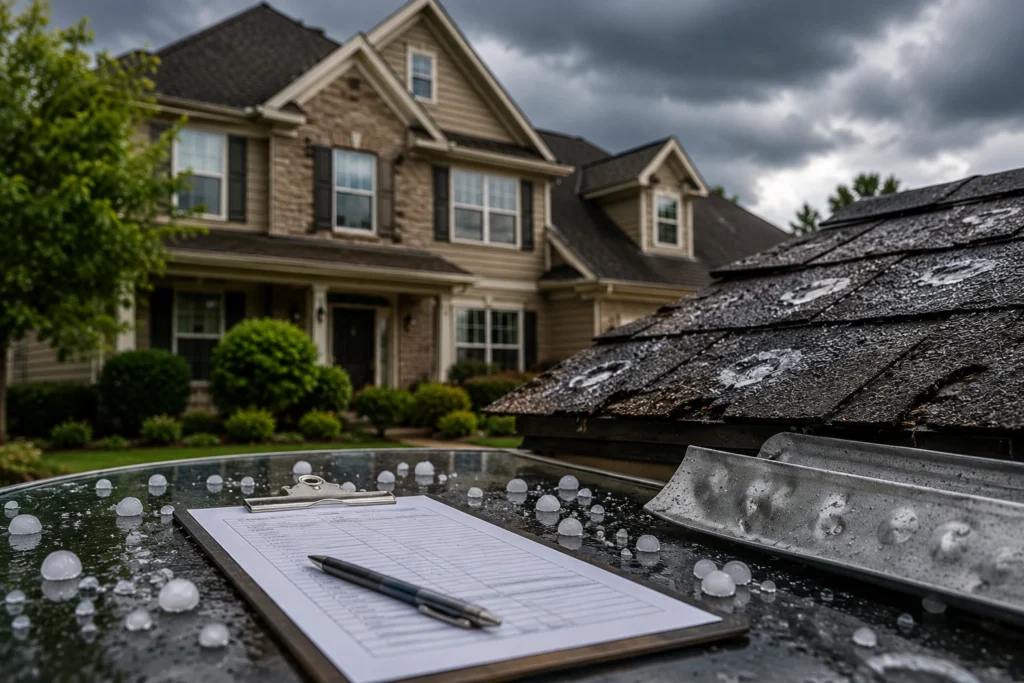
This cannot be overstated. The quality of documentation often determines the strength of the appraisal case. Emotion does not win claim disputes. Evidence does.
Essential Documentation for Hail Claims
- Date-stamped roof photos
- Interior leak photos
- Contractor inspections
- Weather reports
- Repair invoices
- Maintenance records
- Adjuster communication logs
- Temporary repair receipts
Organization matters too. A messy claim file slows everything down. Create digital folders for:
- Roof photos
- Interior damage
- Estimates
- Correspondence
- Weather reports
- Inspection reports
Cloud storage helps tremendously during large disputes. Losing evidence halfway through appraisal creates unnecessary problems.
Matching Problems Create Serious Disputes
This issue keeps growing across Texas. Manufacturers discontinue roofing products constantly. Sun exposure changes coloration over time. Partial repairs may leave visibly mismatched roofing systems. Homeowners hate that outcome. And understandably so. Matching disputes often involve:
- Shingle availability
- Color consistency
- Uniform appearance
- Repair feasibility
Some states handle matching differently than others. Policy language also matters enormously. Still, matching issues frequently become central disputes during insurance appraisal for hail damage claims.
Building Codes Can Increase Claim Costs
Code upgrades surprise many homeowners. Especially older homes. A roof replacement today may require upgrades that did not exist when the roof was originally installed. That may include:
- Ventilation improvements
- Ice and water barriers
- Drip edge installation
- Deck attachment upgrades
- Flashing modifications
Some policies include Ordinance and Law coverage for these additional costs. Others limit it. That is why policy review becomes so important before appraisal begins.
How Long Does Insurance Appraisal Take?
Every case differs. Some resolve within weeks. Others drag on for months. Large storm events usually slow everything down because appraisers, contractors, roofers, and umpires become overloaded simultaneously.
Typical Timeline
| Stage | Estimated Timeline |
|---|---|
| Appraisal Demand | 1–7 days |
| Appraiser Selection | 1–2 weeks |
| Inspection Scheduling | 1–3 weeks |
| Estimate Negotiation | Several weeks |
| Umpire Review | Varies |
| Final Award | Weeks to months |
Complex commercial claims usually take longer than residential disputes. Especially when engineers become involved.
Common Mistakes That Hurt Homeowners During Appraisal
Some mistakes weaken otherwise strong claims. Avoid them.
Waiting Too Long
Time damages evidence. Texas weather accelerates roof deterioration quickly after storms. Delays allow insurers to argue:
- Damage worsened naturally
- Evidence deteriorated
- Maintenance issues contributed
Move quickly instead.
Relying Only on Verbal Conversations
Always request written communication. Always. Document:
- Inspection findings
- Settlement discussions
- Coverage explanations
- Payment breakdowns
- Repair scope discussions
Paper trails matter enormously during disputes.
Hiring Inexperienced Representation
Experience changes outcomes. Hail claims involve:
- Roofing systems
- Building codes
- Storm patterns
- Estimating software
- Documentation strategy
Inexperienced representation can overlook major damage categories entirely.
Why Texas Hail Claims Are Different
Texas experiences some of the most severe hail activity in the country. That creates massive claim volumes after storms. Insurance carriers often deploy catastrophe teams rapidly. Adjusters travel from different states. Inspection consistency becomes difficult during surge events. That creates opportunity for mistakes. And when large numbers of claims get processed quickly, disputes become inevitable. Particularly involving:
- Roof replacements
- Commercial properties
- Multi-family housing
- Metal roofing systems
- Historical structures
Local storm experience matters.
Questions Homeowners Should Ask Before Appraisal
Before starting insurance appraisal for hail damage claims, homeowners should slow down and ask smart questions. Not emotional ones. Strategic ones.
Important Questions to Ask
- Is this dispute about value or coverage?
- Has all hidden damage been inspected?
- Does the policy contain an appraisal clause?
- Are supplements still possible?
- Has code compliance been reviewed?
- Are matching issues involved?
- Should additional experts inspect the property?
The answers shape the strategy moving forward.
Practical Tips for Strengthening Your Appraisal Case
Small details create stronger claims.
Actionable Steps Homeowners Can Take
- Obtain independent roof inspections
- Photograph all elevations carefully
- Save damaged materials when possible
- Organize all claim communication
- Review estimates line-by-line
- Track temporary repair expenses
- Request written explanations for reductions
Professionalism matters too. Aggressive emotional arguments rarely help negotiations. Detailed evidence does.
Final Thoughts on Insurance Appraisal for Hail Damage Claims
Hail damage disputes are rarely simple. What begins as a straightforward roof claim can quickly evolve into disagreements involving pricing, code upgrades, supplements, matching issues, and hidden structural damage. That is exactly why insurance appraisal for hail damage claims exists. The process gives both sides a structured way to resolve valuation disputes without immediately escalating into full litigation. But success depends heavily on preparation. Strong inspections matter, documentation matters, representation matters. And homeowners who understand the appraisal process before disputes intensify often place themselves in far stronger negotiating positions. Especially in Texas, where hailstorms remain a constant threat year after year. The better organized the claim file becomes, the harder it becomes for important storm damage to be overlooked.
FAQs
Insurance appraisal is a dispute-resolution process used when homeowners and insurance companies disagree on the value of hail damage repairs.
Usually, no. Appraisal typically applies to disputes about the amount of loss, not complete coverage denials.
Some appraisals finish within weeks, while more complex claims may take several months depending on inspections, negotiations, and umpire involvement.
Not always. Many appraisal disputes resolve without lawsuits, although legal guidance may help in complicated or high-value claims.
The two appraisers generally agree on an umpire together, although courts may sometimes appoint one if disagreements occur.
Yes. Independent inspections often uncover hidden roof or interior damage that was missed during the original claim inspection.
In many situations, the appraisal award becomes binding regarding the amount of loss, depending on policy language and state law.
Roof photos, weather reports, contractor inspections, repair invoices, and written communication record all help support stronger claims.
Discontinued shingles and color fading can make partial repairs visually inconsistent, leading to disagreements over full roof replacement.
Sometimes. If additional damage, missing line items, or code-related costs are identified, the final settlement may increase significantly.