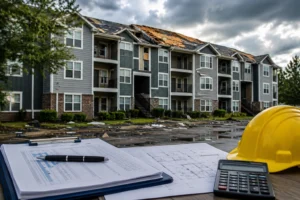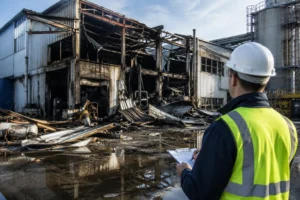

Property damage claims rarely follow a straight path. A homeowner may receive an insurance payment, hire a contractor, and then discover that the approved amount falls short of the actual repair cost. As a result, many policyholders face unexpected expenses long after the claim process begins. That’s why understanding Supplemental Insurance Claims Explained is so important. A supplemental claim allows property owners to request additional funds when new damage, overlooked repairs, or increased costs emerge after the initial settlement. Moreover, it helps ensure repairs meet proper standards instead of relying on incomplete estimates.
What Is a Supplemental Insurance Claim?
A supplemental insurance claim is a request for additional payment after an insurance company issues an initial claim settlement. Although many policyholders assume the first payment is final, insurance carriers regularly review supplemental requests when new information supports additional compensation. In simple terms, a supplemental claim bridges the gap between the original estimate and the actual cost of restoring the property. Supplemental claims often arise because damage assessments evolve. For example, contractors may uncover hidden issues during demolition, or material prices may increase before repairs begin. Consequently, the original estimate may no longer reflect the true scope of work. Common reasons property owners file supplemental claims include:
- Hidden structural damage
- Additional labor requirements
- Building code upgrades
- Incomplete insurance estimates
- Material price increases
- Unforeseen repair complications
- Damage discovered during reconstruction
Therefore, supplemental claims serve as an important tool for achieving a more accurate settlement.
Why Initial Insurance Estimates Are Often Inaccurate
Many people wonder why insurance estimates sometimes differ significantly from contractor estimates. In most cases, several factors contribute to the discrepancy.
Hidden Damage Cannot Always Be Seen
Insurance adjusters evaluate damage based on what they can observe during an inspection. However, many property components remain concealed behind walls, ceilings, flooring, and roofing materials. For example, a roof may appear to need only shingle replacement. However, once contractors remove the shingles, they may discover damaged decking underneath. Likewise, water damage often extends beyond the areas visible during the initial inspection. Professionals who study building science understand how moisture, air movement, and structural systems interact inside a property. Consequently, hidden damage can remain undetected until demolition or detailed inspections reveal the full extent of the loss. As repairs progress, contractors frequently uncover:
- Damaged framing
- Wet insulation
- Mold growth
- Electrical issues
- Structural deterioration
Consequently, repair costs can increase substantially.
Adjusters Often Work Under Tight Time Constraints
After a major hailstorm, hurricane, or severe weather event, insurance companies may receive thousands of claims in a short period. As a result, adjusters often inspect numerous properties every day. While they work diligently, time limitations can affect the depth of an inspection. Contractors, on the other hand, typically spend more time evaluating a property because they must prepare detailed repair plans. Therefore, their estimates often identify additional items that were not included initially. In many industries, specialists rely on advanced technologies and concepts to improve accuracy. For example, photogrammetry allows professionals to create highly detailed measurements and documentation from photographs. Similarly, detailed property documentation often helps support supplemental insurance claims when new damage emerges during repairs.
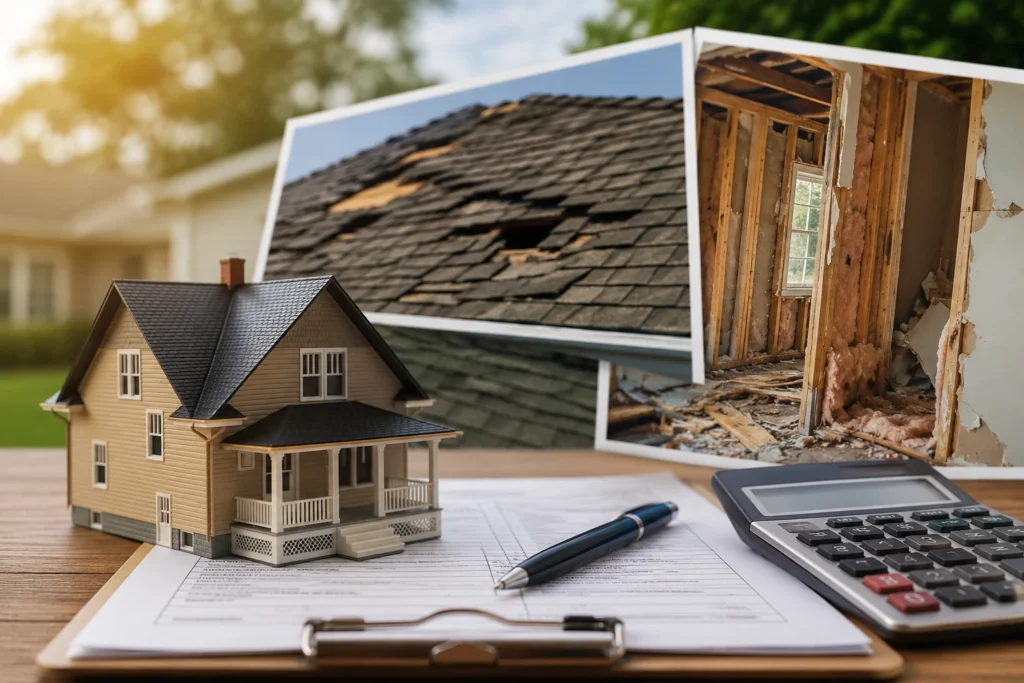
Market Prices Change
Construction costs fluctuate constantly. Labor shortages, supply chain disruptions, and regional demand can increase prices within weeks or months. Consequently, an estimate created early in the claim process may no longer reflect current market conditions by the time repairs begin. This issue became especially common during periods of rapid inflation and material shortages.
Scope Differences Create Gaps
Insurance estimates and contractor estimates often rely on different assumptions. For example, an adjuster may include repairs for a damaged area while a contractor recommends full replacement to comply with local building codes or manufacturer requirements. These scope differences frequently create settlement disputes and supplemental claim opportunities.
Common Types of Damage That Lead to Supplemental Claims
Certain property losses generate supplemental claims more often than others because hidden damage frequently emerges during repairs.
Roof Damage
Roof claims rank among the most common sources of supplemental requests. During an initial inspection, adjusters can identify visible storm damage. However, contractors often uncover additional problems after removing roofing materials. These issues may include:
- Damaged roof decking
- Deteriorated underlayment
- Flashing failures
- Ventilation deficiencies
- Code-required upgrades
- Additional safety requirements
As a result, roofing projects frequently exceed the original insurance estimate.
Water Damage
Water has a way of traveling far beyond the original source. A small pipe leak may damage flooring, wall cavities, insulation, and structural components before anyone notices the problem. Consequently, restoration contractors often discover additional damage after demolition begins. Supplemental water damage claims commonly include:
- Moisture mitigation
- Mold remediation
- Insulation replacement
- Flooring replacement
- Cabinet repairs
- Additional drying services
Because water damage spreads unpredictably, supplemental requests often become necessary.
Fire and Smoke Damage
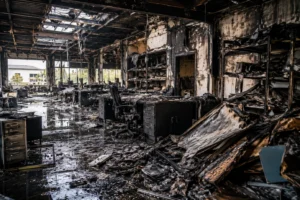
Fire losses rarely involve only visible burn damage. Smoke particles can infiltrate walls, ceilings, HVAC systems, and personal property throughout a structure. Furthermore, odors often persist unless contractors perform specialized cleaning procedures. Additional costs frequently involve:
- Smoke remediation
- HVAC cleaning
- Structural repairs
- Insulation replacement
- Content restoration
Therefore, many fire claims require supplemental review after restoration experts complete detailed assessments.
Storm and Hail Damage
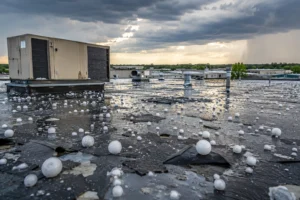
Severe storms can affect multiple components of a property simultaneously. Although an adjuster may focus primarily on roof damage, contractors sometimes discover additional issues involving:
- Gutters
- Siding
- Windows
- Garage doors
- Fencing
- Exterior paint
- Detached structures
Consequently, storm-related claims often evolve as repairs progress.
Signs You May Need to File a Supplemental Claim
Not every claim requires supplementation. However, several warning signs indicate that a property owner should investigate further.
Your Contractor’s Estimate Is Significantly Higher
A substantial gap between a contractor’s estimate and the insurance estimate deserves attention. In many situations, this difference highlights Insurance Estimate vs Actual Repair Cost. Insurance adjusters and contractors may rely on different pricing data, repair methodologies, or scope assumptions. Therefore, the final numbers can vary significantly. While neither estimate automatically proves correct, a large discrepancy often signals the need for additional review.
New Damage Appears During Repairs
Contractors frequently discover hidden issues once demolition begins. For example, removing drywall may reveal moisture damage inside wall cavities. Likewise, removing roofing materials may expose damaged decking. When this happens, property owners should immediately document the findings with photographs and contractor reports.
Building Codes Increase Repair Costs
Local building codes often require upgrades when repairs exceed certain thresholds. These requirements may include:
- Roofing improvements
- Electrical upgrades
- Structural enhancements
- Fire protection measures
- Wind-resistance standards
Consequently, repair costs can exceed the original insurance estimate.
Material Costs Have Increased
Construction pricing changes rapidly. If contractors cannot obtain materials at the prices listed in the original estimate, supplemental documentation may justify additional compensation.
The Approved Funds Will Not Complete Repairs
This may be the clearest sign of all. When qualified contractors consistently indicate that repairs cannot be completed within the approved budget, property owners should carefully review their claim and explore supplemental options.
How the Supplemental Claims Process Works
Many policyholders feel overwhelmed when they hear the term “supplemental claim.” Fortunately, the process follows a straightforward sequence.
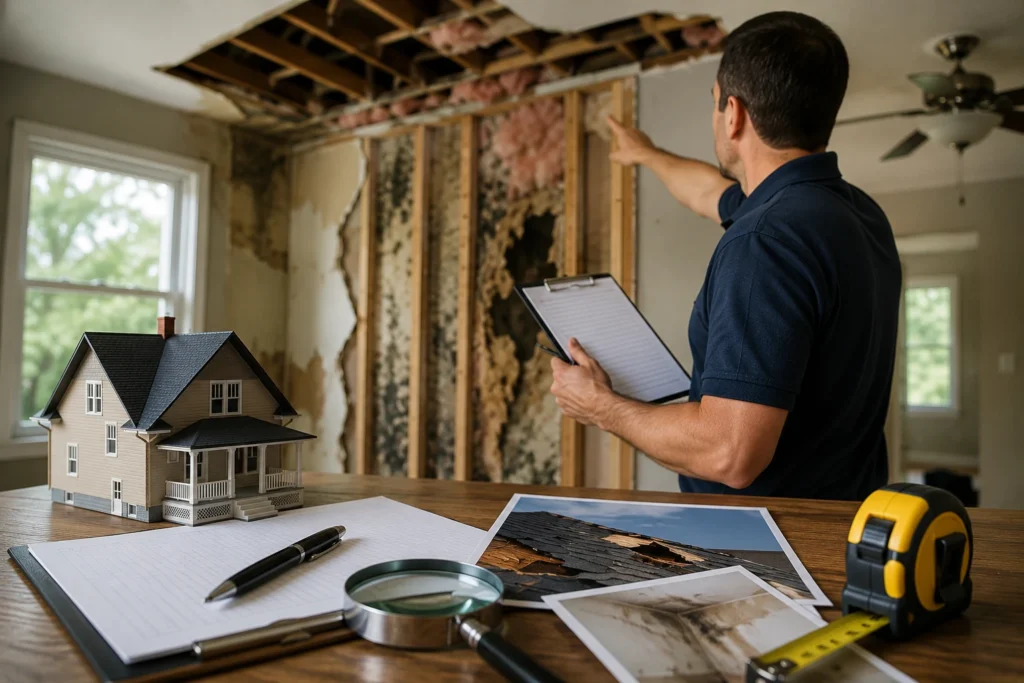
Step 1: Identify Additional Damage or Costs
The process begins when contractors, engineers, or restoration specialists discover issues not included in the original estimate. At this stage, property owners should gather information before proceeding with major repairs.
Step 2: Collect Supporting Documentation
Strong documentation strengthens every supplemental claim. Helpful evidence includes:
- Contractor estimates
- Photographs
- Engineering reports
- Building code references
- Material pricing documentation
- Invoices and receipts
The more detailed the documentation, the easier it becomes to justify additional compensation.
Step 3: Submit the Supplemental Request
The insurance company reviews the supplemental package after receiving updated documentation. A strong submission should clearly explain:
- What additional damage exists
- Why the original estimate falls short
- The cost of required repairs
- Supporting evidence for each item
Clarity and organization can significantly improve the review process.
Step 4: Participate in Reinspection and Review
Many insurers conduct a follow-up inspection before approving supplemental payments. During this phase, adjusters may review contractor findings, examine newly discovered damage, and request additional information. Patience remains important because review timelines vary by carrier and claim complexity.
What Documentation Strengthens a Supplemental Claim?
Documentation often determines whether a supplemental claim succeeds or stalls. Therefore, property owners should focus on collecting clear, detailed evidence from the beginning.
Detailed Contractor Estimates
A professional estimate does more than list a final price. Instead, it breaks down labor, materials, quantities, and repair procedures. Strong estimates help insurers understand exactly why additional funds may be necessary. Moreover, they provide a direct comparison against the original insurance estimate.
Photographic Evidence
Photos tell a powerful story. Take pictures before repairs begin. Then continue documenting the project as contractors uncover additional damage. As a result, you create a visual record that supports your claim. Photographs should capture:
- Hidden damage
- Water intrusion
- Structural issues
- Roofing components
- Demolition findings
- Code-related deficiencies
Building Code Documentation
Many supplemental claims involve code upgrades. Therefore, property owners should obtain written references from local building departments, contractors, or inspectors whenever code requirements affect repair costs.
Expert Reports
In some situations, professional evaluations strengthen a claim significantly. Examples include:
- Engineering reports
- Roofing assessments
- Moisture inspections
- Structural evaluations
Expert opinions often provide credibility when disputes arise.
Invoices and Receipts
Keep every invoice. Likewise, save receipts for emergency mitigation, temporary repairs, and materials. These documents create a financial trail that supports additional reimbursement requests.
Common Mistakes Property Owners Make
Unfortunately, many property owners weaken otherwise valid supplemental claims by making avoidable mistakes.
Waiting Too Long
Time matters. Although policies often allow supplemental claims, delays can create complications. Consequently, property owners should report newly discovered damage as soon as possible.
Failing to Document Damage
Documentation forms the foundation of every claim. Without photographs, estimates, or reports, proving additional damage becomes much more difficult.
Assuming the First Payment Is Final
Many people mistakenly believe they must accept the original settlement. However, insurance claims frequently evolve as repairs progress. Therefore, policyholders should review estimates carefully before concluding the process.
Ignoring the Scope of Loss
Most policyholders focus on the dollar amount. Instead, they should also review the actual repair items listed within the estimate. Missing line items often create larger problems than pricing differences.
Hiring Inexperienced Contractors
Not all contractors understand insurance claims. Consequently, property owners should work with experienced professionals who know how to document supplemental items properly.
Can a Supplemental Claim Be Denied?
Yes. However, a denial does not always mean the discussion ends. Insurance companies may reject supplemental requests for several reasons.
Common Reasons for Denial
Insurers often cite:
- Insufficient documentation
- Policy exclusions
- Wear and tear issues
- Pre-existing damage
- Lack of supporting evidence
- Coverage limitations
Therefore, claim quality matters as much as claim quantity.
How to Respond to a Denial
First, request a detailed explanation. Next, review the insurer’s reasoning carefully. Then gather additional documentation if necessary. Property owners may also:
- Obtain independent inspections
- Request reconsideration
- Submit supplemental evidence
- Consult claim professionals
- Explore dispute resolution options
In many cases, stronger documentation changes the outcome.
The Role of an Insurance Appraiser in Supplemental Claims
Insurance appraisers often play an important role when disagreements arise regarding repair costs. Unlike contractors, appraisers focus specifically on property valuation and claim assessment.
Identifying Missing Scope Items
An experienced appraiser can review estimates and identify repairs that may have been overlooked. For example, they may discover:
- Missing roofing components
- Incomplete interior repairs
- Code-related requirements
- Undervalued labor costs
As a result, property owners gain a clearer picture of the true loss.
Supporting Accurate Valuations
Valuation disputes occur frequently. Therefore, appraisers help establish realistic repair costs based on market conditions, construction practices, and property-specific factors.
Assisting With Claim Disputes
When negotiations stall, professional appraisals often provide objective support. Consequently, insurers and policyholders can focus on documented facts rather than assumptions.
Supplemental Claims vs. Insurance Appraisal
Although people often confuse these concepts, they serve different purposes.
| Supplemental Claim | Insurance Appraisal |
|---|---|
| Requests additional payment | Resolves valuation disputes |
| Addresses newly discovered damage | Addresses disagreements about value |
| Submitted directly to insurer | Follows appraisal clause procedures |
| Often occurs during repairs | Usually occurs after a dispute develops |
When a Supplemental Claim Makes Sense
A supplemental claim works best when:
- Contractors discover hidden damage
- Repair costs increase
- Code upgrades apply
- New information emerges
In these situations, additional documentation often resolves the issue.
When Appraisal May Be Necessary
Sometimes both sides agree that damage exists but disagree on value. In those cases, the appraisal process may offer a path toward resolution. Therefore, understanding the distinction helps property owners choose the appropriate strategy.
How to Maximize Your Supplemental Claim Recovery
While every claim differs, several best practices can improve the likelihood of a successful outcome.
Work With Qualified Professionals
Choose contractors, inspectors, and appraisers with relevant experience. Their expertise often uncovers issues that less experienced professionals may overlook.
Document Everything
Documentation remains one of the most valuable tools available to policyholders. Therefore, save:
- Photos
- Videos
- Estimates
- Reports
- Receipts
- Correspondence
The more evidence you have, the stronger your position becomes.
Review Insurance Estimates Carefully
Never assume an estimate includes every necessary repair. Instead, compare the insurance scope against contractor findings line by line.
Understand Your Policy
Policy language matters. Therefore, review coverage provisions, deadlines, deductibles, and endorsements carefully. A better understanding of your policy often leads to better claim decisions.
Seek Professional Guidance When Necessary
Large or complex losses may require additional expertise. Consequently, consulting qualified claim professionals can help property owners navigate complicated situations and avoid costly mistakes.
Conclusion
Property damage repairs rarely unfold exactly as expected. Consequently, additional costs often emerge after the initial insurance inspection. Understanding Supplemental Insurance Claims Explained helps property owners recognize when they may deserve additional compensation. Moreover, strong documentation, qualified professionals, and timely action can make a significant difference. When new damage appears or repair costs exceed the original estimate, a supplemental claim may provide the path toward a fairer settlement and a more complete property restoration.
FAQs
A supplemental insurance claim is a request for additional payment after an insurer issues the initial settlement. Property owners file these claims when they discover extra damage or higher repair costs.
Yes. Accepting the initial payment does not necessarily prevent you from requesting additional funds if new covered damage or costs emerge.
The timeline varies based on the complexity of the claim and the insurer’s review process. Simple claims may resolve in a few weeks, while larger claims can take longer.
Include contractor estimates, photographs, invoices, receipts, inspection reports, and any documentation that supports the additional costs.
Contractors often identify hidden damage, code requirements, or updated pricing that may not appear in the original insurance estimate.
Yes. If contractors discover hidden damage during repairs and your policy covers the loss, you may request additional compensation.
A supplemental claim generally relates to an existing claim rather than creating a new loss event. However, premium decisions depend on the insurer and several underwriting factors.
You can request a detailed explanation, provide additional documentation, and explore other dispute resolution options if necessary.
Document any newly discovered damage before completing repairs whenever possible. Thorough documentation strengthens your position during the review process.
Consider hiring an insurance appraiser when you disagree with the insurer’s valuation or believe the claim estimate does not reflect the true cost of repairs.