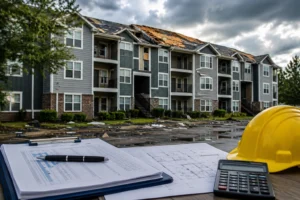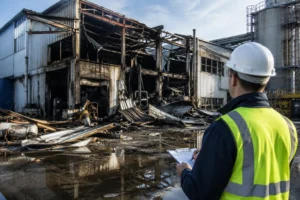

Insurance claims are supposed to restore damaged property. However, many homeowners discover that repairing damage and restoring appearance are not always the same thing. This is where Matching Issues in Insurance Claims often arise. For example, a repaired roof, wall, or floor may function properly but still look noticeably different from the surrounding materials. As a result, matching disputes have become one of the most common disagreements between policyholders and insurance companies. Understanding how these disputes develop can help homeowners make better decisions during the claims process.
What Are Matching Issues in Insurance Claims?
Matching refers to the ability to replace damaged building materials with materials that reasonably match the existing property in color, size, texture, quality, and overall appearance. Although the concept sounds straightforward, real-world repairs often create challenges. Many construction materials change over time. Manufacturers discontinue products. Colors fade due to weather exposure. Furthermore, newer production runs may look different from materials that were installed years earlier. Consequently, replacing only the damaged portion of a structure can create an obvious mismatch. Common areas where matching concerns occur include:
- Roofing shingles
- Vinyl siding
- Wood flooring
- Tile flooring
- Interior paint
- Exterior paint
- Cabinets
- Countertops
- Stone and brick veneers
The central issue is whether the insurer’s proposed repair truly restores the property to its pre-loss condition.
Why Matching Matters More Than Many People Realize
Insurance companies sometimes view matching concerns as cosmetic. Homeowners, on the other hand, often view them as a significant part of the restoration process. A home is designed to appear as a complete structure. Therefore, when one section looks dramatically different from another, the impact can extend beyond appearance alone. Matching issues may affect:
| Issue | Potential Impact |
|---|---|
| Curb appeal | Reduced visual appearance |
| Property value | Buyer concerns |
| Marketability | Harder resale process |
| HOA compliance | Potential violations |
| Overall appearance | Patchwork repairs |
Additionally, professionals in fields involving metamerism understand that two materials can appear identical under one lighting condition but noticeably different under another. Similar challenges often arise when attempting to match roofing, siding, or paint following property damage. Imagine a roof where one section contains new shingles while the remaining sections show years of weathering. Although the repair may stop leaks, the roof may no longer appear uniform. For many homeowners, that is not true restoration.
Common Examples of Matching Disputes
Matching Issues in Insurance Claims can arise throughout a property. Nevertheless, certain disputes occur far more frequently than others.
Roof Shingle Matching Problems
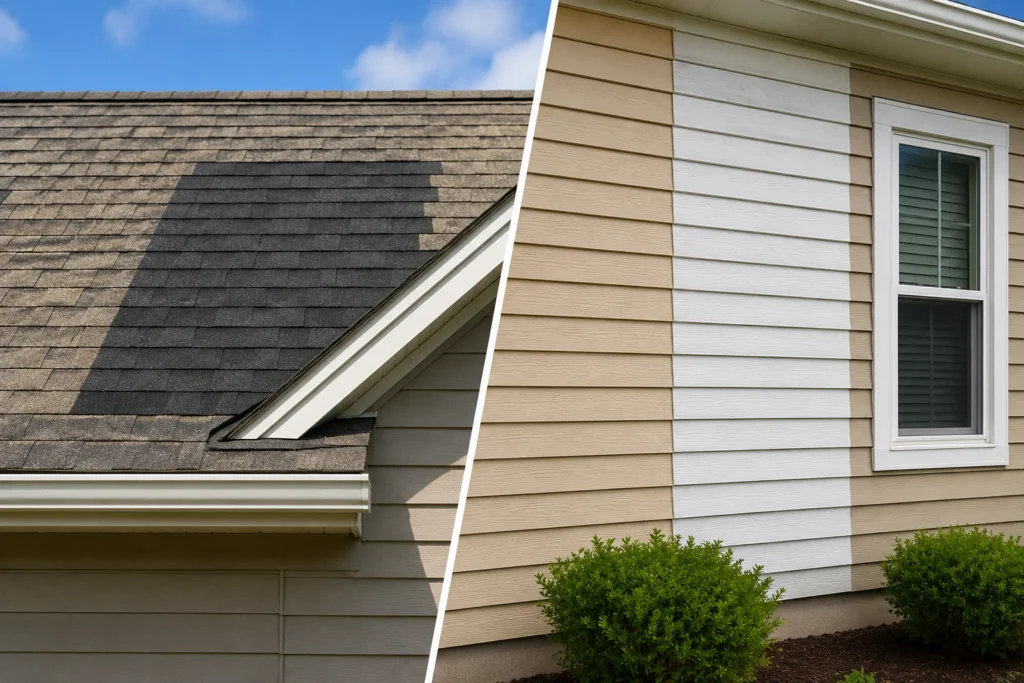
Roof claims generate a substantial number of matching disputes. The reason is simple. Roofing manufacturers regularly discontinue products. Even when replacement shingles remain available, color variations frequently occur between production runs. Weather exposure creates additional complications. Years of sunlight, rain, and temperature changes alter the appearance of existing roofing materials. As a result, newly installed shingles often stand out against older materials. Common roofing matching challenges include:
- Discontinued shingles
- Color fading
- Texture differences
- Different production lots
- Weather-related aging
Material aging is rarely uniform. In fact, environmental exposure can accelerate deterioration through processes similar to photodegradation, making it difficult to match newly installed materials with roofing that has weathered for many years. A repair involving only a small portion of the roof may create a highly visible patch that affects the roof’s overall appearance.
Siding Matching Issues
Siding presents many of the same challenges. Vinyl siding naturally fades over time. Therefore, even if identical products remain available, new panels often appear brighter than existing siding. Additional siding concerns include:
- Product discontinuation
- Color fading
- Texture differences
- Manufacturing changes
- Uneven sun exposure
Consequently, replacing only one wall may leave homeowners with a property that appears noticeably inconsistent.
Flooring Matching Challenges
Interior flooring disputes are increasingly common. Hardwood flooring changes color as it ages. Likewise, tile products are often manufactured in dye lots that vary slightly in appearance. Some flooring products may no longer be available at all. Common flooring matching issues include:
- Wood grain differences
- Tile color variations
- Carpet texture inconsistencies
- Discontinued products
- Uneven wear patterns
Because of these factors, repairs in one area may create obvious transitions between old and new materials.
Paint Matching Problems
Many homeowners assume paint is easy to match. Unfortunately, that is not always true. Paint fades gradually over time. Sun exposure, humidity, and environmental conditions can alter color significantly. Consequently, matching the original paint formula may still fail to produce the same appearance years later. This often creates disputes involving:
- Interior wall repairs
- Ceiling repairs
- Exterior painting
- Water damage restoration
In many cases, painting only the repaired area fails to create a consistent appearance across the entire surface.
Why Insurance Companies Often Resist Matching Requests
Homeowners frequently ask why insurers do not simply replace all related materials when a match cannot be achieved. Typically, the answer comes down to policy interpretation. Insurance companies often focus on repairing direct physical damage rather than addressing broader appearance concerns. From the insurer’s perspective:
- The damaged area has been repaired.
- Functionality has been restored.
- The structure remains usable.
However, homeowners often focus on different concerns:
- The appearance has changed.
- Uniformity has been lost.
- The property no longer looks the same.
As a result, disputes frequently emerge regarding the proper scope of repairs.
Common Insurance Company Arguments
When Matching Issues in Insurance Claims arise, insurers often rely on several common positions. For example, they may argue that:
- Similar materials are available.
- Matching concerns are cosmetic.
- Repairs restore functionality.
- Undamaged areas do not require replacement.
- Policy language does not require exact matching.
Whether these arguments apply depends heavily on the policy language, applicable regulations, and facts of the loss.
Repair Versus Restoration
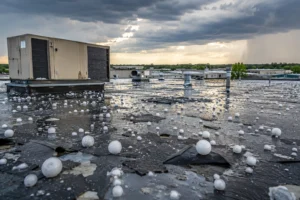
One of the most important concepts in matching disputes is understanding the difference between repair and restoration. A repair addresses physical damage. A restoration seeks to return the property to its pre-loss condition. These objectives are not always identical. For example, a hailstorm may damage one slope of a ten-year-old roof. The insurance company agrees to replace the damaged slope. However, matching shingles are no longer available. As a result, the repaired section looks dramatically different from the remainder of the roof. The roof may be repaired. Nevertheless, many homeowners would argue it has not been fully restored. This distinction often becomes the foundation of a matching dispute.
Do Insurance Policies Require Matching?
Many homeowners assume matching is automatically covered. Unfortunately, that assumption can lead to surprises. Insurance policies vary significantly. Some policies contain language that may support broader replacement obligations, while others provide more limited coverage. Key factors often include:
- Policy wording
- Endorsements
- State regulations
- Replacement cost provisions
- Applicable claim facts
Additionally, understanding how claim payments are calculated can be important when evaluating repair options. In many property claims, Fight a Low Insurance Settlement becomes a relevant topic because insurers may initially withhold a portion of the claim payment until repairs are completed and documented. This can directly affect a homeowner’s ability to address broader matching concerns. Therefore, reviewing the policy carefully is essential. A detailed policy analysis often reveals opportunities and limitations that may not be obvious at first glance.
Matching Laws and Regulations
Across the United States, states take different approaches to matching issues. Some states have regulations that require insurers to consider reasonably uniform appearance when settling claims. Others provide little guidance. Consequently, claim outcomes can vary significantly depending on location. This is one reason homeowners should never assume every claim will be handled the same way. State-specific regulations can play a major role in determining whether matching concerns are addressed.
How Texas Handles Matching Issues
Texas does not have a broad matching statute that automatically requires insurers to replace all related materials whenever a mismatch occurs. Even so, matching disputes occur frequently throughout the state. Common Texas claims involving matching concerns include:
- Hail damage claims
- Wind damage claims
- Water damage claims
- Fire damage claims
- Roof replacement disputes
- Siding replacement disputes
Ultimately, the outcome often depends on the policy language, repair feasibility, material availability, and supporting documentation. For homeowners facing Matching Issues in Insurance Claims, thorough documentation can make a substantial difference when disputes arise.
How Contractors Help Identify Matching Problems
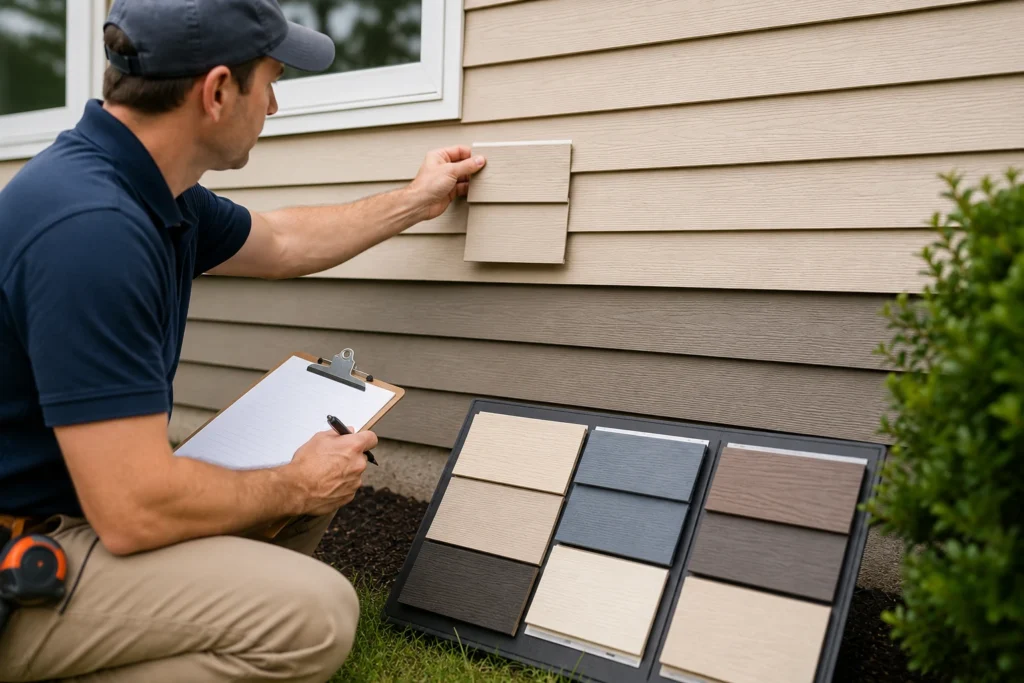
When matching disputes arise, contractors often become one of the most important sources of evidence. After all, experienced restoration contractors work with building materials every day. As a result, they can often identify problems that homeowners and insurance adjusters may overlook. For example, a contractor may determine that:
- A roofing product has been discontinued
- Replacement siding is unavailable
- Existing materials have faded significantly
- Partial repairs will create a noticeable mismatch
- Additional replacement is necessary to achieve a uniform appearance
These findings can become critical when negotiating with an insurance company.
The Importance of Manufacturer Documentation
In many cases, contractors go a step further by contacting manufacturers directly. Manufacturer documentation may include:
- Product discontinuation notices
- Color availability reports
- Material specifications
- Matching limitations
- Technical replacement recommendations
Consequently, these documents often provide objective evidence supporting a homeowner’s position.
Why Expert Opinions Matter
Insurance companies frequently rely on their own adjusters and consultants. Therefore, obtaining an independent expert opinion can help balance the discussion. A well-supported contractor report may demonstrate:
- Why matching is impossible
- Why partial repairs are inadequate
- Why additional replacement is necessary
- How property appearance will be affected
The stronger the evidence, the stronger the claim position becomes.
Documentation Needed to Support a Matching Claim
Documentation can make or break a matching dispute. While verbal discussions may be helpful, written evidence often carries far more weight during claim evaluations.
Photographic Evidence
Photos provide one of the clearest ways to demonstrate matching concerns. Helpful photographs include:
- Wide-angle property views
- Close-up material comparisons
- Side-by-side color differences
- Damage documentation
- Repair area photographs
The goal is to show exactly how the repaired area differs from the surrounding property.
Contractor Reports
Detailed contractor reports often strengthen matching claims. These reports should explain:
- Material availability issues
- Repair limitations
- Matching concerns
- Recommended scope of repairs
- Estimated replacement costs
Specific explanations are generally more persuasive than broad statements.
Manufacturer Statements
Whenever possible, obtain documentation directly from the manufacturer. Examples include:
- Discontinued product notices
- Color variation confirmations
- Technical bulletins
- Availability reports
These documents can provide independent verification of matching challenges.
Insurance Correspondence
Homeowners should also maintain organized records of all claim communications. This may include:
- Insurance estimates
- Adjuster reports
- Emails
- Letters
- Claim notes
- Denial explanations
Keeping a complete claim file can prove valuable if disputes escalate.
When Matching Issues Become Insurance Disputes
Not every matching concern develops into a formal dispute. However, certain warning signs often indicate that disagreements may be growing.
Common Signs of a Matching Dispute
Watch for situations where:
- Only partial replacement is approved
- Similar materials are proposed instead of matching materials
- Additional replacement requests are denied
- Contractors disagree with the insurer’s scope
- Repair recommendations differ significantly
When these situations occur, homeowners should begin gathering supporting documentation immediately.
Financial Consequences for Homeowners
Matching disputes can have real financial consequences. Without adequate coverage, homeowners may face:
| Potential Issue | Financial Impact |
|---|---|
| Out-of-pocket repairs | Increased expenses |
| Reduced property value | Lower resale potential |
| Delayed repairs | Extended project timelines |
| Additional inspections | Higher claim costs |
| Legal or appraisal expenses | Additional dispute costs |
Therefore, addressing matching concerns early often produces better outcomes.
Why Acting Quickly Matters
Time can work against homeowners. Materials may become harder to locate. Documentation may become more difficult to obtain. Memories may fade.bConsequently, homeowners should begin collecting evidence as soon as matching concerns become apparent.
How the Insurance Appraisal Process Can Help Resolve Matching Disputes
When negotiations reach an impasse, the appraisal process may provide another path forward. Many homeowners are unaware that their insurance policy may contain an appraisal clause designed to resolve disputes involving the amount of loss.
Understanding the Appraisal Clause
The appraisal clause allows both parties to appoint independent appraisers. Typically:
- The policyholder selects an appraiser
- The insurance company selects an appraiser
- An umpire may be selected if disagreements remain
Together, they evaluate the disputed aspects of the claim.
Matching Issues Often Involve Scope and Valuation Disputes
Many matching disagreements involve more than appearance. Instead, they frequently involve questions such as:
- How much replacement is necessary?
- What materials are required?
- What is the true cost of restoration?
- Can repairs reasonably achieve a match?
As a result, appraisal may help resolve disagreements regarding the amount of loss associated with matching concerns.
Benefits of the Appraisal Process
The appraisal process offers several potential advantages. These include:
- Faster resolution than litigation
- Independent evaluation
- Reduced legal expenses
- Focus on claim valuation
- Objective review of repair requirements
While appraisal is not appropriate for every dispute, it can be a valuable option when matching concerns affect claim value.
Steps Homeowners Should Take When Facing Matching Problems
Homeowners can improve their position significantly by taking a proactive approach.
Review the Insurance Policy
First, understand the coverage being provided. Pay close attention to:
- Replacement cost provisions
- Endorsements
- Exclusions
- Appraisal language
- Settlement provisions
Document Everything
Next, create a thorough record of the claim. Photograph:
- Damage
- Repairs
- Existing materials
- Proposed replacements
- Visible mismatches
The more evidence available, the easier it becomes to support a claim.
Obtain Independent Opinions
Do not rely solely on one estimate. Instead, seek evaluations from qualified contractors who have experience identifying matching issues.
Request Supporting Information
If the insurance company claims matching materials are available, ask for supporting documentation. Specifically request:
- Product information
- Manufacturer details
- Material specifications
- Matching analysis
This information may reveal important details regarding the proposed repair.
Consider Consulting an Insurance Appraiser
If disagreements continue, an experienced insurance appraiser may help evaluate the scope and value of the loss. Independent analysis often provides clarity when claim disputes become complicated.
Maintain Organized Records
Finally, keep all claim-related documents in a dedicated file. Good organization can significantly improve communication and reduce misunderstandings throughout the claim process.
Conclusion
Matching disputes can quickly transform a straightforward claim into a complex disagreement. However, homeowners who understand Matching Issues in Insurance Claims are often better prepared to protect their interests. Furthermore, thorough documentation, expert opinions, and a clear understanding of policy provisions can make a substantial difference when disputes arise. If matching concerns affect the scope or value of a claim, exploring available options including appraisal may help move the claim toward a fair resolution.
FAQs
Not always. Coverage depends on the policy language, state regulations, and whether matching materials are reasonably available.
If matching siding is no longer manufactured, you may need documentation from contractors or manufacturers to support a broader replacement request.
Insurance companies sometimes argue they are cosmetic, but homeowners often contend that mismatched repairs affect the property’s overall appearance and value.
Not necessarily. Aging, fading, and environmental exposure can make it difficult to achieve an exact match, even with the original paint formula.
Hail claims frequently involve older roofing materials that may be faded, weathered, or discontinued, making partial repairs difficult to match.
Photos, contractor reports, manufacturer statements, and documentation showing material availability can all strengthen a matching claim.
Yes. Noticeable differences in roofing, siding, flooring, or paint may impact curb appeal and influence potential buyers.
Request supporting documentation, obtain independent contractor opinions, and review your policy carefully before accepting the proposed settlement.
In some cases, yes. Appraisal may help resolve disagreements involving repair scope, replacement requirements, and the amount of loss.
Consider contacting an insurance appraiser when significant disagreements arise regarding repair costs, matching concerns, or claim valuation.