
Roof damage claims often seem straightforward. A storm damages the roof, a claim gets filed, and the homeowner expects insurance to cover a replacement. However, that is not always what happens. Instead, many policyholders receive approval for only limited repairs or a settlement that falls far below replacement costs. Understanding why insurance companies deny full roof replacement can help homeowners identify potential claim issues, respond effectively to disputes, and make better decisions throughout the claims process.
Understanding How Insurance Companies Evaluate Roof Damage
Before approving a roof replacement, insurance companies conduct inspections to determine the extent of covered damage. While homeowners often focus on visible problems, insurers evaluate several factors before making a coverage decision. Adjusters commonly inspect:
- Missing shingles
- Wind creases
- Hail impacts
- Granule loss
- Roof penetrations
- Flashing damage
- Interior water intrusion
- Previous repairs
Additionally, they examine the age and condition of the roofing system. The findings from this inspection often become the foundation of the claim. Therefore, if the adjuster concludes that damage is limited, the insurance company may determine that repairs are sufficient instead of replacement.
The Difference Between Damage and Coverage
One of the biggest misunderstandings in roof claims involves the distinction between damage and coverage. A roof can be damaged without qualifying for full insurance coverage. For example:
| Condition | Typically Covered? |
|---|---|
| Wind damage | Often covered |
| Hail damage | Often covered |
| Fire damage | Usually covered |
| Wear and tear | Usually excluded |
| Aging materials | Usually excluded |
| Improper maintenance | Often excluded |
Consequently, even when damage is obvious, policy language ultimately determines whether the insurer must pay for repairs or replacement.
Common Reasons Insurance Companies Deny Full Roof Replacement
When homeowners wonder why insurance companies deny full roof replacement, several recurring explanations typically emerge.
Insufficient Storm Damage
First, insurance companies frequently conclude that storm damage affects only a limited area of the roof. Examples include:
- A handful of damaged shingles
- Localized wind damage
- Minor hail impacts
- Isolated repairable sections
As a result, the carrier may determine that replacing the entire roof is unnecessary. From the homeowner’s perspective, the roof may appear compromised. However, the insurer may view the damage as isolated and repairable.
Roof Age and Wear-and-Tear Exclusions
Insurance policies generally cover sudden and accidental damage rather than gradual deterioration. Over time, roofing materials naturally experience:
- Granule loss
- Surface wear
- Material fatigue
- Weather exposure
- Sealant deterioration
Similar to the process of oxidation, long-term exposure to sunlight, moisture, and temperature fluctuations can weaken roofing components over time. Therefore, when storm damage occurs on an older roof, insurers may argue that much of the condition resulted from age rather than a specific covered event. This argument frequently reduces claim payments and may contribute to replacement denials.
Improper Maintenance Allegations
In addition to evaluating storm damage, insurers often review maintenance history. Common concerns include:
- Long-standing leaks
- Unrepaired damage
- Damaged flashing
- Missing shingles
- Neglected roof penetrations
If evidence suggests ongoing maintenance issues, the insurance company may argue that homeowner neglect contributed to the roof’s condition. Consequently, portions of the claim may be denied.
Pre-Existing Damage
Another common reason insurance companies deny full roof replacement involves pre-existing damage. During inspections, adjusters may identify:
- Previous hail impacts
- Earlier wind damage
- Historic repairs
- Existing leaks
- Prior claim activity
Unfortunately, separating old damage from new storm damage is not always easy. As a result, disagreements frequently arise regarding which damages belong to the current claim and which existed beforehand.
Cosmetic Damage Determinations
Not every visible mark on a roof affects performance. For that reason, insurance companies sometimes classify damage as cosmetic rather than functional. This issue commonly affects:
- Metal roofing systems
- Gutters
- Flashing
- Roof accessories
Under this interpretation, the roof continues to function despite visible imperfections. Homeowners often disagree because cosmetic damage can impact curb appeal and property value. Nevertheless, cosmetic damage exclusions are becoming increasingly common.
Why Partial Repairs Are Often Approved Instead
Many homeowners become frustrated when contractors recommend replacement while insurers authorize repairs. However, insurance companies generally seek the most cost-effective solution that restores covered damage. If repairs can reasonably restore function, replacement may not be considered necessary.
The Economics Behind Roof Claims
The financial difference between repairs and replacement can be substantial.
| Option | Estimated Cost |
|---|---|
| Localized repair | $2,500 |
| Partial slope replacement | $7,500 |
| Full roof replacement | $18,000–$35,000+ |
Because the cost difference is significant, insurers often scrutinize replacement recommendations closely. This does not necessarily mean the insurer is wrong. Rather, it means replacement usually requires stronger supporting evidence.
When Repairs May Be Appropriate
In some situations, repairs genuinely make sense. For example:
- The roof is relatively new
- Damage is isolated
- Matching materials remain available
- Structural integrity remains intact
- Repairs restore performance
Therefore, every claim should be evaluated based on the specific facts rather than assumptions.
Matching Issues and Partial Roof Replacement Disputes
Matching disputes often transform minor claims into major disagreements. Suppose a roof repair requires replacement shingles. If those shingles are discontinued or heavily faded from years of exposure, the repaired section may stand out dramatically from the rest of the roof. Although the roof functions properly, the appearance no longer matches.
Why Matching Matters
A mismatched roof may create concerns such as:
- Reduced curb appeal
- Lower property value
- HOA issues
- Inconsistent appearance
- Potential resale concerns
Because of these factors, homeowners frequently argue that replacement is necessary. Insurance companies, however, may focus strictly on functionality. In some situations, roof replacement discussions extend beyond aesthetics and enter the realm of building code compliance. If local codes require upgrades to portions of the roofing system during repairs, additional coverage considerations may arise. Homeowners researching these situations often benefit from resources such as Hurricane Damage Insurance which can help clarify how certain policy endorsements may respond when code-required upgrades increase repair costs after a covered loss. Ultimately, policy language often determines how matching disputes are resolved.
Why Contractors and Insurance Adjusters Often Disagree
Contractors and insurance adjusters regularly inspect the same roof and reach different conclusions. This happens because they approach the damage from different perspectives.
Contractors Focus on Restoration
Roofing contractors generally focus on restoring the property completely. As a result, they may identify:
- Additional damage
- Hidden issues
- Installation concerns
- Code compliance requirements
- Long-term performance risks
Because contractors are responsible for the finished repair, they often take a broader view of what is necessary.
Insurance Adjusters Focus on Coverage
Meanwhile, insurance adjusters focus on policy obligations. Their responsibilities include determining:
- Whether damage is covered
- The extent of covered damage
- Appropriate repair methods
- Applicable exclusions
Therefore, it is not unusual for contractors and adjusters to reach different conclusions. Neither perspective automatically prevails. Instead, the evidence supporting each position becomes critical.
The Role of Engineering Reports in Roof Claim Denials
When roof claims become heavily disputed, insurance companies sometimes retain engineers to evaluate the property. Unlike adjusters, engineers are often tasked with identifying the cause of damage. Common conclusions may include:
- Material deterioration
- Installation deficiencies
- Thermal expansion
- Maintenance concerns
- Age-related failure
Engineers often analyze multiple factors when determining the cause of roof damage. Their evaluations may involve concepts similar to fracture mechanics, which examines how materials crack, weaken, and fail under stress. Consequently, if an engineering report attributes damage to excluded causes rather than storm activity, the insurer may deny replacement or reduce payment substantially. For homeowners, these reports often become one of the most influential pieces of evidence in the entire claim.
Texas Hail Claims and Full Roof Replacement Disputes
Texas experiences some of the most severe hailstorms in the country. Consequently, roof-related insurance claims are extremely common. However, hail damage is not always easy to evaluate. While one contractor may recommend a complete roof replacement, an insurance adjuster may conclude that only minor repairs are necessary. Therefore, hail claims often become some of the most heavily disputed property insurance claims in Texas.
Why Hail Damage Creates Disagreements
Unlike missing shingles or obvious structural failures, hail damage can be subtle. Different professionals may interpret the same roof differently based on:
- Hail size
- Impact density
- Roof age
- Roofing material
- Existing wear and tear
- Inspection methods
As a result, claim outcomes can vary significantly.
Signs of Hail Damage That May Support Replacement
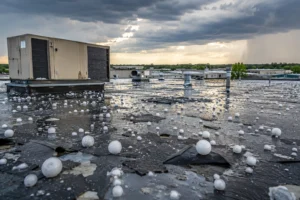
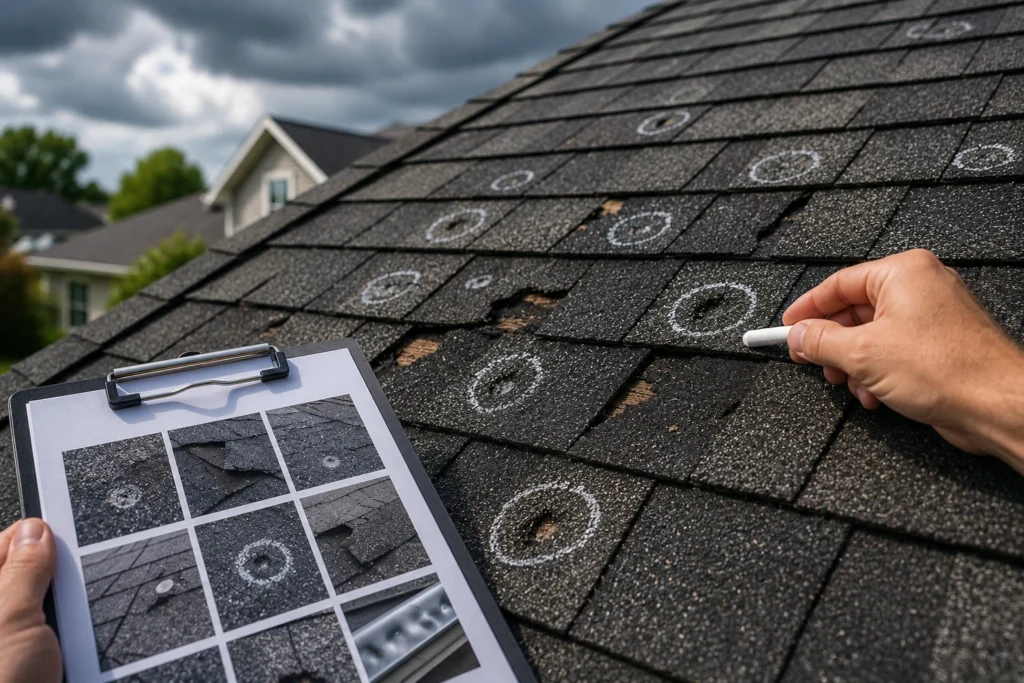
When evaluating a roof after a hailstorm, inspectors often look for evidence such as:
- Bruised shingles
- Fractured shingle matting
- Granule displacement
- Exposed asphalt
- Soft impact areas
- Damaged roof vents
- Dented metal components
The more widespread the damage, the stronger the argument for replacement becomes. Nevertheless, documentation remains critical.
Why Immediate Documentation Matters
Homeowners who act quickly after a storm often place themselves in a stronger position. Important documentation includes:
- Date-stamped photographs
- Storm reports
- Contractor inspection reports
- Repair estimates
- Weather records
- Maintenance records
Additionally, documenting the condition of the roof before temporary repairs occur can help preserve valuable evidence. The stronger the evidence, the easier it becomes to support the claim.
How Homeowners Can Strengthen Their Roof Replacement Claim
Many claim disputes begin because important information was never documented. Fortunately, there are several steps homeowners can take to improve their position.
Obtain Independent Roof Inspections
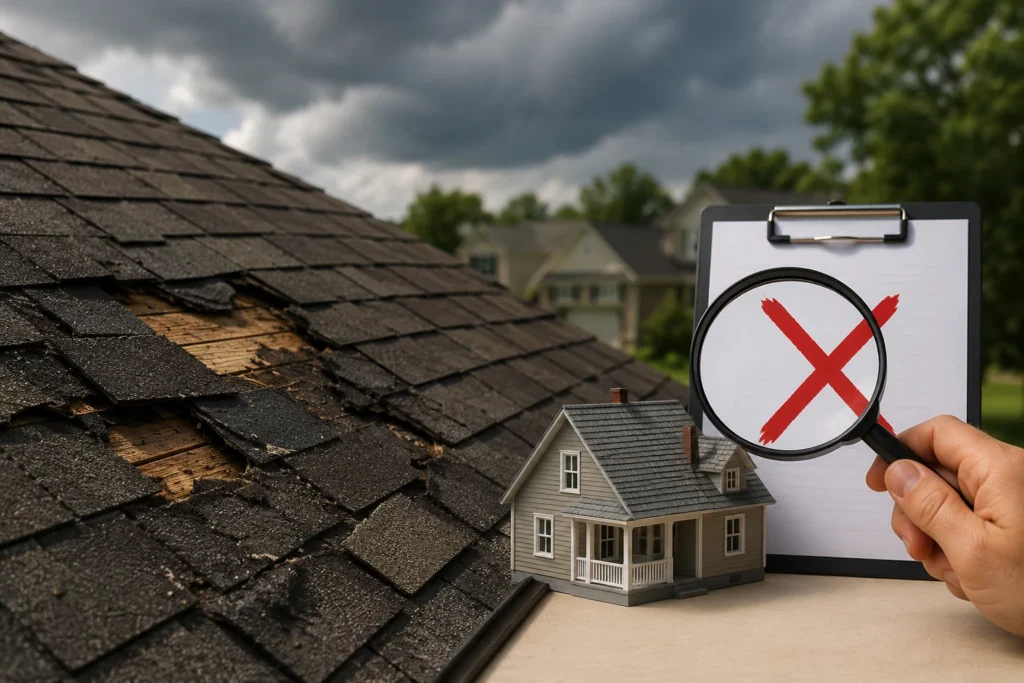
The insurance company’s inspection should not always be the only opinion considered. Independent roofing professionals may identify:
- Hidden damage
- Additional affected slopes
- Functional damage
- Code-related issues
- Areas overlooked during the initial inspection
Therefore, obtaining a thorough independent evaluation can provide valuable insight into the actual condition of the roof.
Maintain Thorough Documentation
Documentation frequently determines whether a claim succeeds or struggles. Helpful records include:
- Inspection reports
- Contractor estimates
- Repair invoices
- Maintenance records
- Photos before and after the storm
- Communication with the insurer
Organized documentation creates a stronger foundation for any dispute.
Understand Your Policy Language
Many homeowners never review their insurance policy until a claim occurs. Unfortunately, that can create surprises. Important provisions to review include:
| Policy Provision | Why It Matters |
|---|---|
| Replacement Cost Coverage | Determines reimbursement method |
| Actual Cash Value Coverage | May reduce payments for depreciation |
| Exclusions | Identifies non-covered losses |
| Matching Limitations | Impacts repair versus replacement disputes |
| Deductibles | Affects out-of-pocket costs |
Understanding these provisions can help homeowners set realistic expectations throughout the process.
Request Written Explanations
If the insurance company denies replacement, request a detailed explanation. Specifically ask for:
- Inspection findings
- Supporting photographs
- Engineering reports
- Policy provisions relied upon
- Scope of repairs being recommended
The more information available, the easier it becomes to evaluate whether the decision is justified.
When an Insurance Appraisal May Help Resolve the Dispute
Not every roof claim dispute requires litigation. In fact, many disagreements involve the amount of loss rather than coverage itself. This is where appraisal may become useful.
What Is the Appraisal Process?
The appraisal process is a contractual dispute resolution method found in many property insurance policies. Generally, each side selects an appraiser. Those appraisers then attempt to determine the amount of loss. If they cannot agree, an umpire may become involved. The process often focuses on:
- Scope of damage
- Repair costs
- Replacement costs
- Valuation disagreements
Consequently, appraisal can provide an alternative path for resolving disputes without entering a courtroom.
Situations Where Appraisal May Be Effective
Appraisal may be beneficial when disputes involve:
- Repair versus replacement disagreements
- Roofing scope disputes
- Underestimated damages
- Conflicting contractor estimates
- Incomplete inspections
However, appraisal is not appropriate for every situation. Coverage disputes may require different approaches.
Benefits of Working With an Experienced Insurance Appraiser
A qualified insurance appraiser may provide:
- Independent damage analysis
- Detailed scope review
- Cost evaluation
- Support during negotiations
- Objective claim assessment
Additionally, an experienced appraiser understands how roofing disputes are commonly evaluated and may identify issues overlooked during the initial claim review.
Warning Signs Your Roof Claim May Be Undervalued
Many homeowners assume the insurance company’s first estimate is accurate. Sometimes it is, Sometimes it is not. Recognizing potential warning signs can help identify problems early.
Red Flags to Watch For
Potential indicators of an undervalued claim include:
- Extremely low repair estimates
- Significant differences from contractor bids
- Missing roof slopes
- Limited inspection time
- Missing line items
- Unexplained denials
- Incomplete documentation
While none of these factors automatically prove an error occurred, they may justify further review.
Questions Every Homeowner Should Ask
Before accepting a claim decision, consider asking:
- How was the damage measured?
- Why was replacement denied?
- What evidence supports the repair recommendation?
- Were all roof elevations inspected?
- Were code requirements considered?
- Was an engineer involved?
These questions often reveal important details about how the decision was reached.
Conclusion
Roof replacement disputes can be frustrating. However, understanding why insurance companies deny full roof replacement helps homeowners navigate the claims process more effectively. While insurers may point to limited damage, age, maintenance concerns, or policy exclusions, homeowners should carefully review the evidence supporting those conclusions. Additionally, independent inspections, strong documentation, and a thorough understanding of policy language can significantly improve the chances of a fair outcome. Ultimately, the first claim decision is not always the final one. Therefore, when legitimate disagreements arise regarding repair versus replacement, homeowners should explore all available options to ensure the roof is properly evaluated and fairly valued.
FAQs
Insurance companies often deny full replacement when they believe the damage is limited, repairable, excluded by the policy, or partially caused by age and wear.
Yes. You can obtain independent inspections, provide additional evidence, and review policy provisions that support your position.
No. The insurer must determine that the hail damage is significant enough to justify replacement rather than repairs.
Cosmetic damage affects appearance without significantly impacting the roof’s ability to protect the home from weather.
Contractors focus on complete restoration, while insurers focus on what they believe is required under the policy.
Yes. Older roofs may be subject to wear-and-tear exclusions, which can reduce or limit coverage for certain damages.
Take photos, prevent further damage if possible, and schedule a professional inspection as soon as practical.
A matching dispute occurs when replacement materials do not match the existing roof, creating disagreements over repair versus replacement.
Appraisal may be helpful when the primary dispute involves the amount of loss or the scope of roof damage rather than coverage itself.
Maintain detailed documentation, obtain independent inspections, and keep records of all communications related to the claim.