
Roof damage is one of the most common reasons homeowners file insurance claims. However, not all damage is treated equally by insurance companies. Understanding What Is Cosmetic Damage in Roofing Claims can help homeowners avoid confusion when a claim is approved, partially paid, or denied. While visible storm damage may look serious, insurers often focus on whether the roof can still perform its intended function. As a result, cosmetic damage frequently becomes a point of dispute in roofing claims.
Understanding Cosmetic Damage in Roofing Claims
When discussing What Is Cosmetic Damage in Roofing Claims, the term generally refers to damage that affects the appearance of the roof without affecting its ability to protect the home. In simple terms, the roof may not look the same after a storm, but it can still perform its primary job. Insurance companies often evaluate whether the roof can continue to:
- Shed water properly
- Protect the structure beneath
- Maintain its expected lifespan
- Resist future weather events
If the roof can still accomplish these functions, the damage may be classified as cosmetic rather than functional. This distinction can significantly affect the outcome of a claim.
Why Cosmetic Damage Matters
Many homeowners become frustrated when they discover that visible damage does not automatically result in insurance coverage. Appearance matters. A roof is one of the most noticeable parts of a home. Dents, impact marks, and discoloration can affect curb appeal and influence how others perceive the property’s condition. Common homeowner concerns include:
| Concern | Potential Impact |
|---|---|
| Visible roof damage | Reduced curb appeal |
| Dented roofing panels | Lower perceived value |
| Uneven roof appearance | Buyer concerns |
| Storm-related blemishes | Questions about roof condition |
Insurance companies often view the issue differently. Their primary concern is whether the roof continues to function properly rather than whether it looks perfect. Because of this difference in perspective, disputes frequently arise.
Common Types of Cosmetic Roof Damage
Storms can leave behind many forms of visible roof damage. Not all of it affects performance.
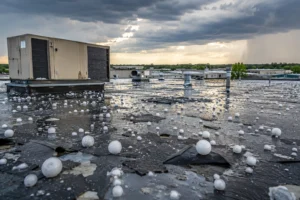
Hail Dents on Metal Roofs
Metal roofs are among the most common roofing systems involved in cosmetic damage disputes. After a hailstorm, homeowners may notice:
- Dents
- Dimples
- Surface depressions
- Impact marks
These imperfections can be highly visible from the ground. However, insurers may argue that the roof still protects the home effectively and does not require replacement. As a result, metal roofing claims often become debates over whether the damage is cosmetic or functional.
Granule Loss on Asphalt Shingles
Hail can remove protective granules from asphalt shingles. Minor granule loss may only affect appearance. More significant granule loss, however, may expose underlying materials and accelerate deterioration. Insurance adjusters often consider:
- The size of affected areas
- The number of impacted shingles
- Exposure of asphalt materials
- Potential reduction in roof lifespan
Determining where cosmetic damage ends and functional damage begins is not always straightforward.
Damage to Roof Components
Storm damage does not always affect shingles alone. Visible damage frequently appears on:
- Gutters
- Downspouts
- Flashing
- Ridge caps
- Roof vents
- Metal trim
These components may continue working normally even when they show signs of impact damage. Because of that, insurers sometimes classify the damage as cosmetic.
Surface Scratches and Discoloration
Strong winds and airborne debris can leave behind:
- Scratches
- Scuffs
- Paint damage
- Surface abrasions
- Minor discoloration
Although these conditions may affect appearance, they often do not compromise roof performance.
Cosmetic Damage vs. Functional Damage
A critical part of understanding What Is Cosmetic Damage in Roofing Claims is recognizing the difference between cosmetic and functional damage. The distinction often determines whether coverage is available.
What Is Functional Damage?
Functional damage affects the roof’s ability to perform as intended. Examples include damage that:
- Allows water intrusion
- Weakens roofing materials
- Compromises waterproofing
- Creates structural concerns
- Reduces expected service life
Unlike cosmetic damage, functional damage directly affects performance.
Key Differences Between Cosmetic and Functional Damage
| Cosmetic Damage | Functional Damage |
|---|---|
| Affects appearance | Affects performance |
| Usually visible | May be visible or hidden |
| May not require repair | Often requires repair |
| Frequently disputed | More likely covered |
| Typically does not leak | Can lead to leaks |
Understanding these differences helps homeowners evaluate their claim more realistically.
Why the Distinction Matters
The classification of roof damage can impact:
- Claim approval
- Settlement value
- Repair recommendations
- Replacement eligibility
A roof that has functional damage is generally more likely to qualify for insurance benefits than one that only shows cosmetic defects.
How Insurance Companies Evaluate Cosmetic Roof Damage
Insurance companies rely on inspections, documentation, and policy language when determining whether roof damage qualifies for coverage.

Initial Adjuster Inspection
The process usually begins with an inspection by an insurance adjuster. During the inspection, the adjuster may:
- Photograph roof conditions
- Measure damaged areas
- Inspect roofing materials
- Review storm-related impacts
- Document visible damage
These findings often influence the insurer’s initial decision.
Engineering Reviews
In some cases, insurance companies retain engineers to evaluate disputed damage. Engineers may examine:
- Impact severity
- Material performance
- Structural integrity
- Waterproofing capability
- Remaining useful life
Evaluating roofing damage often requires a detailed analysis of multiple variables, much like a heterogeneous system, where different components respond differently to the same external event. Engineering reports frequently play a significant role in determining whether damage is cosmetic or functional.
Manufacturer Recommendations
Roof manufacturers often publish guidance regarding impact damage. These recommendations may address:
- Product performance
- Repair thresholds
- Impact resistance
- Warranty considerations
Manufacturer standards can sometimes support or challenge an insurer’s position regarding the extent of damage.
Policy Language Controls Coverage
One of the most important factors in any roofing claim is the policy itself. Many homeowners focus on the damage. Insurance companies focus on the policy. The policy determines:
- Covered causes of loss
- Exclusions
- Endorsements
- Coverage limitations
Two homeowners with similar roofs and identical storm damage may receive different outcomes because their policies contain different provisions. Therefore, understanding the policy language is essential.
Understanding Cosmetic Damage Exclusions
Over the last several years, cosmetic damage exclusions have become increasingly common in homeowners insurance policies. These endorsements can significantly affect roofing claims.
What Is a Cosmetic Damage Exclusion?
A cosmetic damage exclusion limits or eliminates coverage for damage that affects appearance but does not affect function. Insurance companies often argue that replacing a roof solely because of appearance-related issues creates unnecessary claim costs. As a result, these exclusions are designed to limit payments for purely cosmetic conditions.
Roofing Systems Commonly Affected
Cosmetic damage exclusions are often associated with:
- Metal roofs
- Architectural metal panels
- Commercial roofing systems
- Specialty roofing materials
Because these materials frequently show visible dents without suffering performance problems, they are often the focus of cosmetic damage disputes.
How Exclusions Affect Claims
The financial impact can be substantial. Without a cosmetic damage exclusion, visible hail damage may support a larger claim payment. With an exclusion in place, the insurer may deny coverage even when the damage is obvious. This reality helps explain why so many homeowners research What Is Cosmetic Damage in Roofing Claims after receiving an unexpected claim decision. Understanding policy endorsements before a loss occurs can help avoid unpleasant surprises later.
Why Hail Damage Creates So Many Disputes
Hailstorms are among the leading causes of residential roofing claims. They are also one of the leading causes of disagreements between homeowners and insurance companies. The reason is simple. Hail often creates visible damage that may not immediately affect how the roof performs. A homeowner may see hundreds of dents and impact marks and assume the roof needs replacement. An insurance company may inspect the same roof and conclude that it can continue functioning for years without significant issues. Both sides may believe they are correct. This difference in perspective is why hail-related roofing claims often become contentious.
Common Areas of Disagreement
Most disputes center around a few key issues:
- Whether the damage is cosmetic or functional
- Whether repairs are sufficient
- Whether replacement is necessary
- The extent of storm-related damage
- The remaining lifespan of the roof
These disagreements frequently involve expert opinions, engineering reports, and competing assessments.
What Does an Insurance Umpire Do
Many homeowners researching What Does an Insurance Umpire Do are surprised to learn that visible storm damage alone may not justify a complete roof replacement. Insurers often focus on whether the damage has compromised the roof’s functionality, expected lifespan, or ability to protect the structure. If the roof remains serviceable despite dents, granule loss, or other visible impacts, the carrier may argue that repairs are sufficient rather than approving a full replacement.
Evidence That May Support Functional Damage
Not all hail damage is cosmetic. Signs that may support a functional damage determination include:
- Fractured shingles
- Cracked roofing materials
- Exposed substrate
- Damaged protective coatings
- Broken seals
- Accelerated deterioration
When these conditions exist, homeowners may have stronger arguments for repairs or replacement under their policies.
The Financial Impact of Cosmetic Damage Determinations
The classification of roof damage can have significant financial consequences. A cosmetic damage finding may result
- No payment
- Limited payment
- Spot repairs only
- Denial of replacement requests
A functional damage finding may support:
- Larger repair scopes
- Partial roof replacement
- Full roof replacement
- Higher claim settlements
The difference can amount to thousands or even tens of thousands of dollars.
Property Value Concerns
Even when damage is classified as cosmetic, homeowners often worry about future property value. Visible roof damage can influence:
- Buyer confidence
- Home inspections
- Negotiations during a sale
- Overall marketability
Property valuation disputes can become surprisingly complex, sometimes resembling a multivariate analysis, where numerous factors influence the final outcome. While insurers focus on roof performance, buyers frequently focus on appearance. That disconnect often fuels disputes.
Long-Term Maintenance Considerations
Cosmetic damage may not require immediate replacement. However, homeowners should still monitor affected areas. Regular inspections can help identify:
- New signs of deterioration
- Developing leaks
- Additional weather-related damage
- Material degradation
Proactive maintenance helps protect the roof and may provide valuable documentation if future claims arise.
How Homeowners Can Strengthen Their Roofing Claim
Understanding What Is Cosmetic Damage in Roofing Claims is important. Taking action after a storm is equally important. The stronger the documentation, the stronger the claim.
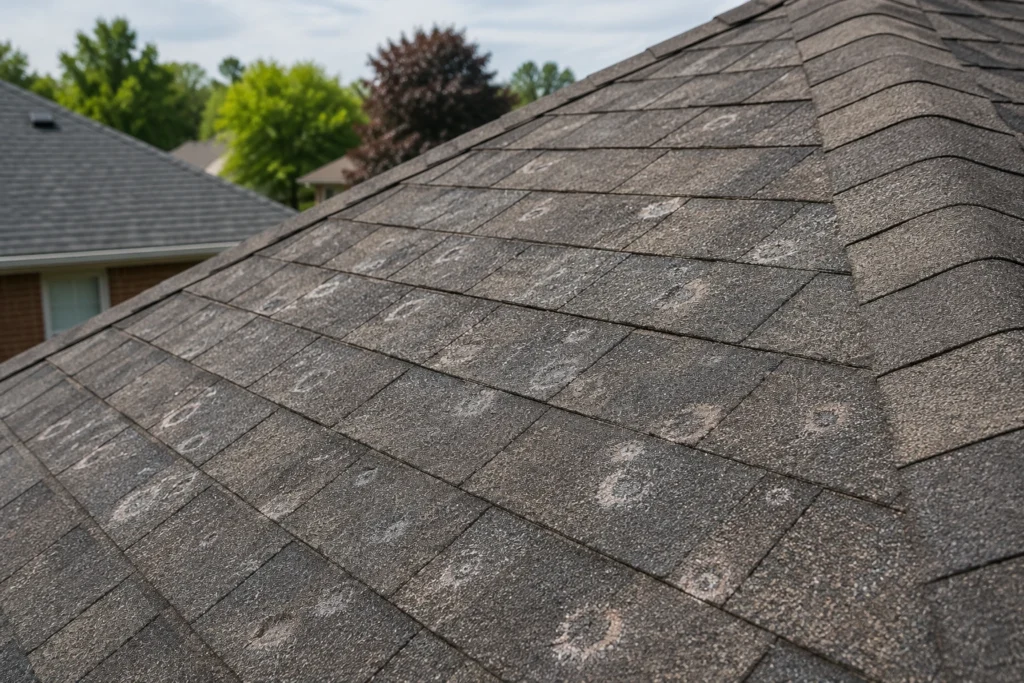
Obtain an Independent Roof Inspection
Independent inspections can provide valuable insight into roof conditions. A qualified roofing professional may identify:
- Hidden damage
- Functional issues
- Material failures
- Repair recommendations
Independent evaluations can help homeowners better understand the true condition of their roofs.
Document Damage Thoroughly
Documentation is one of the most powerful tools available to policyholders. After a storm, consider collecting:
- Roof photographs
- Video footage
- Inspection reports
- Contractor assessments
- Repair estimates
Detailed records can help support the claim process.
Preserve Weather Information
Weather records can establish important facts. These reports may document:
- Hail size
- Wind speeds
- Storm dates
- Event severity
Such information can provide useful context during claim investigations.
Review Policy Documents Carefully
Many homeowners never review their insurance policies until after a loss occurs. Unfortunately, that can create surprises. Reviewing policy documents helps identify:
- Deductibles
- Coverage limits
- Exclusions
- Endorsements
- Cosmetic damage provisions
Knowing what the policy says can improve decision-making throughout the claim process.
Seek Professional Guidance
Complex roofing claims often benefit from expert assistance. Depending on the situation, homeowners may consult:
- Roofing contractors
- Engineers
- Insurance appraisers
- Claim professionals
Professional opinions can help clarify whether damage is cosmetic, functional, or somewhere in between.
When an Insurance Appraisal May Help
Roofing claims frequently involve disagreements regarding the amount of loss. Sometimes the dispute is not whether damage exists. The dispute is how much the damage is worth. That is where appraisal may become valuable.
Understanding the Appraisal Process
Many property insurance policies contain an appraisal provision. Appraisal is a method of resolving disputes concerning the amount of loss without going directly to court. Typically:
- The policyholder selects an appraiser.
- The insurance company selects an appraiser.
- An umpire may be selected if disagreements arise.
- The loss amount is evaluated independently.
Although appraisal is not appropriate for every dispute, it can be effective in many roofing claims.
Roofing Disputes Commonly Resolved Through Appraisal
Appraisal may help address disagreements involving:
- Scope of repairs
- Replacement costs
- Roof valuation
- Hail damage assessments
- Storm-related losses
When parties cannot agree on the value of the damage, appraisal may provide a structured resolution process.
Benefits of Appraisal
Potential advantages include:
- Independent evaluation
- Faster resolution
- Reduced litigation costs
- Objective review of damages
For many property owners, appraisal serves as a practical alternative to lengthy legal proceedings.
Common Mistakes Homeowners Make After Roof Damage
Even legitimate claims can encounter obstacles. Avoiding common mistakes may improve outcomes.
Assuming Visible Damage Guarantees Coverage
Many homeowners assume that visible damage automatically qualifies for payment. That is not always true. Insurance coverage often depends on policy language and functional impact.
Accepting the First Decision Without Question
An initial claim determination is not necessarily the final answer. Additional inspections or expert evaluations may uncover important information. Homeowners should understand their rights before making decisions.
Failing to Document the Property
Poor documentation can weaken an otherwise valid claim. Photographs and inspection reports often become critical evidence later.
Waiting Too Long to Act
Delays can create problems. Evidence may disappear. Weather conditions may change. Policy deadlines may approach. Prompt action generally places homeowners in a stronger position.
Final Thoughts
Understanding What Is Cosmetic Damage in Roofing Claims can help homeowners better navigate the insurance claim process. While visible dents, scratches, and impact marks may seem serious, insurers often focus on whether the roof’s performance has actually been affected. Therefore, it is important to document damage thoroughly, review policy language carefully, and seek professional evaluations when disputes arise. Additionally, knowing the difference between cosmetic and functional damage can help set realistic expectations and support more informed decisions. Ultimately, preparation and knowledge can make a significant difference when pursuing a fair outcome for a roofing claim.
FAQs
Cosmetic damage refers to changes in the roof’s appearance that do not affect its ability to protect the home or perform its intended function.
Coverage depends on the policy. Some policies provide coverage, while others contain cosmetic damage exclusions that limit or eliminate payment.
Insurance companies evaluate whether the roof can still shed water, protect the structure, and maintain its expected service life despite the visible damage.
Cosmetic damage affects appearance, while functional damage impacts the roof’s performance, durability, or ability to prevent water intrusion.
They can be if the dents affect protective coatings, seams, structural integrity, or the roof’s ability to perform properly.
Insurers may deny replacement requests when they determine the damage is cosmetic and the roof remains functional.
Yes. An independent inspection can help identify hidden damage and provide additional evidence to support your claim.
A cosmetic damage exclusion is a policy provision that limits or excludes coverage for damage that affects appearance but not function.
Yes. Visible roof damage may reduce curb appeal and raise concerns among potential buyers, even if the roof remains functional.
You may consider appraisal when you and the insurance company disagree about the amount of loss, repair scope, or replacement costs.