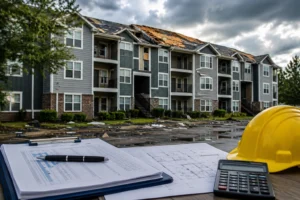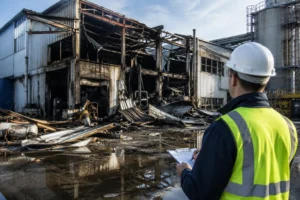

Apartment complex insurance appraisal can be a powerful tool when insurance claim disputes arise. While many apartment owners expect claims to proceed smoothly, disagreements over damage scope and repair costs are surprisingly common. Consequently, underpaid claims can leave owners facing significant out-of-pocket expenses. Fortunately, the appraisal process offers a structured path toward resolving valuation disputes without immediately entering costly litigation.
What Is an Apartment Complex Insurance Appraisal?
This process is not litigation. It is not mediation. Likewise, it is not arbitration. Instead, appraisal focuses specifically on establishing the financial value of the loss. Both parties select independent appraisers. Those appraisers inspect the damages, review documentation, and attempt to reach an agreement. If disagreements remain, an independent umpire assists in resolving the dispute. The resulting appraisal award often becomes binding regarding the amount of loss. For apartment owners, this process frequently provides a faster and more efficient alternative to lengthy court proceedings. Apartment complexes are considered commercial real estate assets, which means many of the same principles that apply to Insurance Appraisal disputes also apply to multifamily housing claims. Whether the loss involves hail, wind, fire, or water damage, appraisal can provide a structured method for resolving disagreements regarding repair costs and damage valuation.
When Does an Apartment Complex Insurance Appraisal Become Necessary?
Not every claim requires appraisal. In many situations, claims are settled without significant disagreement. However, apartment complex losses often involve circumstances that create substantial valuation disputes. Common situations include:
- Insurance estimates that appear too low
- Significant differences between contractor and carrier estimates
- Disagreements regarding repair versus replacement
- Questions involving code compliance requirements
- Missing damage items
- Unresolved supplemental claims
- Partial claim payments
For example, a hailstorm may damage multiple apartment buildings across a property. The insurance carrier may estimate repairs at $750,000. Meanwhile, contractors may estimate $1.4 million. As a result, ownership groups may find themselves unable to complete necessary repairs without pursuing additional claim funds. In situations like these, apartment complex insurance appraisal often becomes a practical and effective solution.
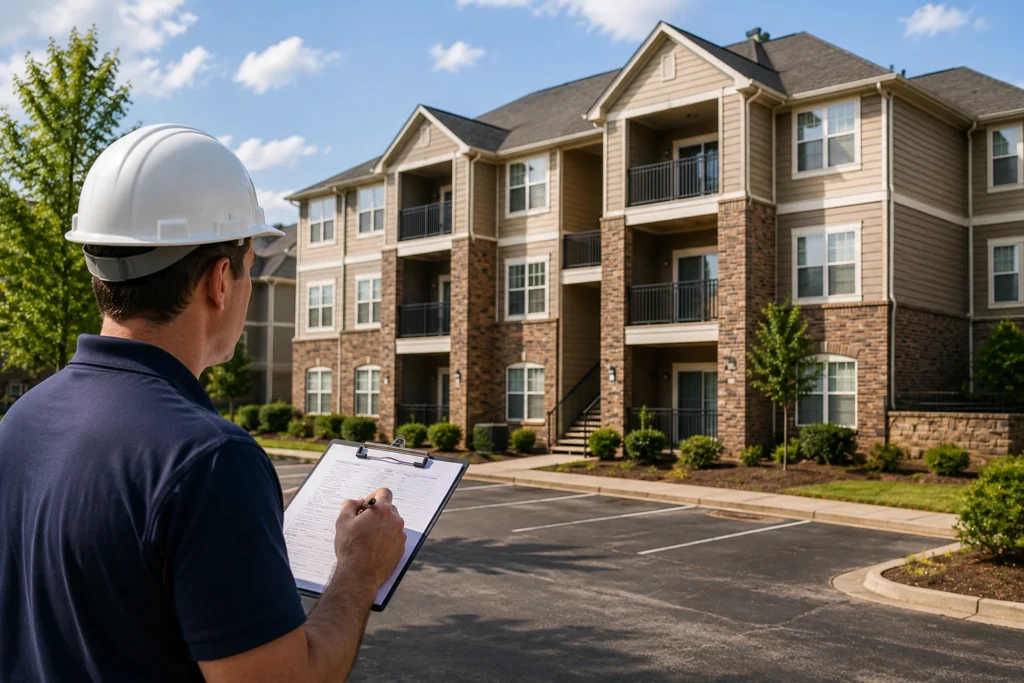
Why Apartment Complex Claims Are So Complicated
Apartment communities present unique challenges compared to single-family properties. The size and complexity alone increase the difficulty of evaluating damages accurately. A typical apartment complex may include:
- Multiple residential buildings
- Clubhouses
- Leasing offices
- Swimming pools
- Fitness centers
- Carports
- Detached garages
- Maintenance facilities
- Fencing systems
- Shared amenities
Each structure contains numerous building systems that require inspection. Therefore, even seemingly minor damage can become a substantial financial issue when multiplied across an entire property. One damaged roof may be manageable. Twenty damaged roofs create an entirely different challenge. Large apartment communities function as interconnected systems. In many respects, evaluating widespread damage requires a methodical approach similar to studying a complex Cybernetics framework, where multiple components interact and influence one another throughout the property.
Multiple Types of Damage Often Occur Simultaneously
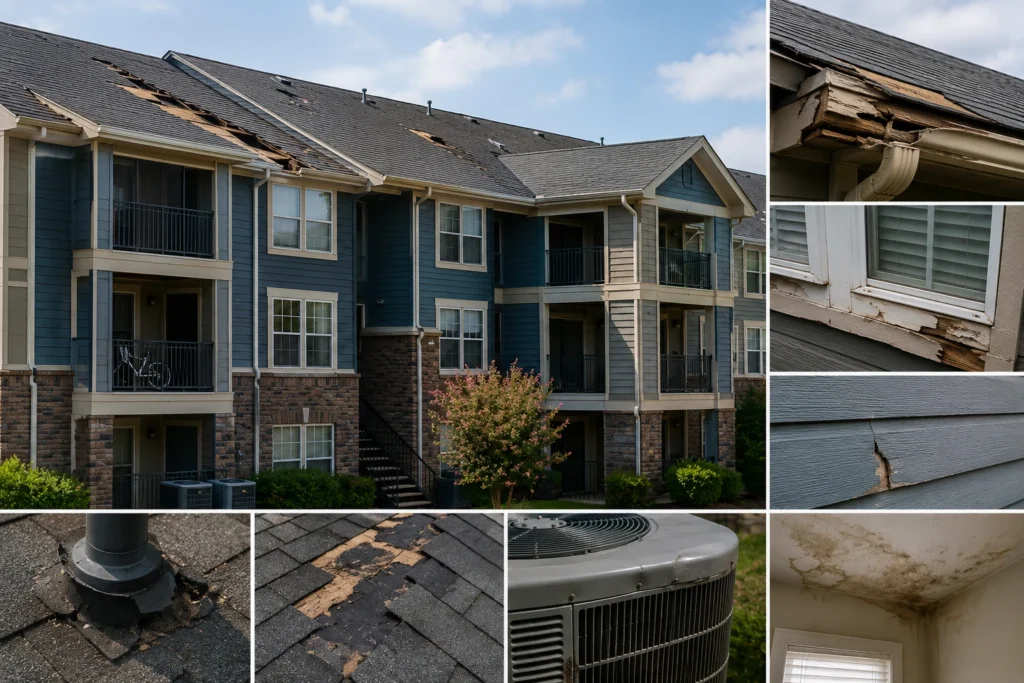
Apartment losses rarely involve a single category of damage. Instead, one event frequently impacts several systems at the same time. For example, a major hailstorm may damage:
| Building Component | Potential Damage |
|---|---|
| Roofing | Hail impacts, granule loss |
| HVAC Systems | Fin damage, condenser impacts |
| Gutters | Denting and deformation |
| Siding | Cracking or punctures |
| Windows | Broken seals or impacts |
| Paint Systems | Cosmetic and functional damage |
| Interior Areas | Water intrusion |
Consequently, certain damages may be overlooked during initial inspections. Those omissions can significantly reduce claim payments.
Occupied Units Create Additional Challenges
Unlike many commercial buildings, apartment complexes often remain occupied during the claims process. As a result, inspections become more complicated. Property managers frequently encounter:
- Scheduling conflicts
- Limited inspection windows
- Restricted access to units
- Delayed damage discovery
- Incomplete documentation
Because of these challenges, some damages remain hidden until repairs begin. When hidden damage surfaces, supplemental claims often follow.
Common Insurance Claims Involving Apartment Complexes
Certain loss events consistently lead to apartment complex insurance appraisal disputes. Understanding these claims helps owners identify potential issues early.
Hail Damage Claims
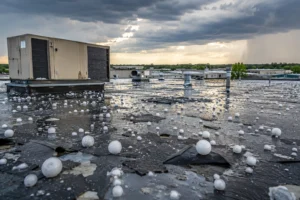
Texas experiences some of the most severe hail events in the nation. Apartment communities frequently sustain damage to:
- Asphalt shingles
- Metal roofing systems
- HVAC equipment
- Skylights
- Gutters and downspouts
- Window screens
- Exterior finishes
Although hail damage may appear straightforward, disagreements often arise regarding whether repairs or full replacement are necessary. The financial difference can be substantial.
Wind Damage Claims
Strong winds can impact nearly every exterior component of an apartment community. Common wind-related damages include:
- Missing shingles
- Torn roofing membranes
- Detached flashing
- Broken siding
- Damaged fencing
- Carport failures
Furthermore, different buildings within the same complex may experience varying levels of damage. This frequently creates additional valuation disputes.
Fire Damage Claims
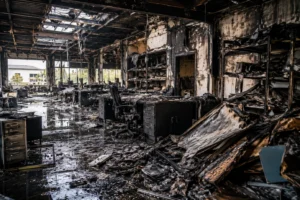
Apartment fires often generate complex insurance disputes because visible damage rarely tells the full story. Beyond structural damage, owners may encounter:
- Smoke contamination
- Odor remediation requirements
- HVAC contamination
- Water damage from firefighting efforts
- Electrical system concerns
Consequently, specialized evaluations are often required.
Water Damage Claims
Water losses can become extremely expensive. A single pipe break may impact dozens of units. Potential damages include:
- Flooring
- Drywall
- Cabinets
- Insulation
- Electrical systems
- Common-area property
Additionally, water frequently migrates beyond visible damage areas, creating further disagreements regarding scope.
Why Apartment Complex Insurance Claims Become Underpaid
One of the primary reasons owners pursue apartment complex insurance appraisal is claim underpayment. Several recurring issues contribute to this problem.
Incomplete Inspections
Insurance adjusters often face substantial workloads following major storms. Therefore, inspection time may be limited. Large apartment communities require extensive evaluation. When inspections are rushed, certain damages may be overlooked. Examples include:
- Hidden roof damage
- Interior moisture issues
- Damaged flashing
- Mechanical equipment impacts
- Structural concerns
Missed damages often lead directly to lower claim payments.
Missing Estimate Items
Apartment claims frequently contain omitted line items that significantly affect total claim value. Commonly overlooked items include:
| Frequently Missed Item | Why It Matters |
|---|---|
| Flashing | Critical waterproofing component |
| Drip Edge | May be required by code |
| Starter Shingles | Required installation component |
| Ridge Caps | Separate roofing material |
| Valley Metal | Frequently damaged area |
| Permit Fees | Necessary project cost |
| Debris Removal | Significant restoration expense |
| Temporary Protection | Required after losses |
Individually, these items may seem minor. However, collectively they can represent tens of thousands of dollars.
Pricing Disputes
Even when both parties agree on damage scope, pricing disagreements frequently remain. Market conditions influence:
- Labor rates
- Material pricing
- Equipment costs
- Contractor overhead
- Project complexity
Large multifamily projects often involve logistical challenges that increase costs beyond standard residential repairs. Failing to account for those realities can result in underfunded repairs.
Critical Damage Areas Frequently Missed in Apartment Claims
Certain building components repeatedly appear in supplemental claims and appraisal disputes. Therefore, property owners should pay close attention to these areas.
Roofing Components
Roof systems contain far more than shingles or roofing membranes. Additional components include:
- Flashing
- Pipe boots
- Ridge vents
- Valley metal
- Fasteners
- Underlayment
- Drip edge
Damage to these components may not always be visible from ground level. Nevertheless, they often require replacement when roofing systems are restored.
Exterior Building Components
Exterior systems frequently suffer collateral damage during storms. Common examples include:
- Soffits
- Fascia
- Gutters
- Downspouts
- Siding panels
- Window trim
- Exterior lighting
Missing these items can significantly affect claim accuracy.
Interior Moisture Damage
Water intrusion does not always reveal itself immediately. In some cases, months may pass before symptoms become apparent. Hidden moisture can damage:
- Insulation
- Drywall
- Framing
- Flooring
- Paint finishes
Water intrusion can also trigger secondary deterioration processes that resemble Capillary action where moisture travels through porous building materials and reaches areas far beyond the original point of entry. Accordingly, thorough inspections help identify these issues before they develop into larger restoration problems.
Understanding Building Code Upgrades
Building codes rarely remain static. Instead, they evolve over time as safety standards improve and construction practices change. Consequently, apartment owners often discover that rebuilding after a loss requires more than simply replacing damaged materials. Repairs may need to comply with current building requirements. This can significantly increase project costs.
Why Code Compliance Matters
After major losses, local jurisdictions frequently require repairs to meet current standards. Even if the original construction was code-compliant years ago, today’s requirements may be different. Common examples include:
- Updated roofing standards
- Enhanced wind resistance requirements
- Ventilation improvements
- Fire safety upgrades
- Accessibility modifications
As a result, restoration costs can rise substantially.
Common Code-Related Upgrades
Apartment complexes often encounter code requirements involving:
| Code Upgrade | Potential Impact |
|---|---|
| Drip Edge Installation | Required during roof replacement |
| Underlayment Upgrades | Enhanced weather protection |
| Fastener Requirements | Improved wind resistance |
| Ventilation Standards | Better airflow compliance |
| Accessibility Improvements | Updated building access requirements |
Therefore, identifying applicable code requirements becomes an important part of evaluating damages accurately.
Ordinance and Law Coverage
Many commercial property policies contain Ordinance and Law coverage. This coverage may help pay for certain code-required upgrades. However, these costs are not always included in initial estimates. Consequently, appraisal disputes often arise when owners believe code-related expenses have been overlooked.
The Apartment Complex Insurance Appraisal Process
Many property owners hear the term appraisal but remain uncertain about how the process actually works. Fortunately, the process is generally straightforward.
Step 1: Invoking Appraisal
The process begins when one party formally invokes the appraisal clause. This typically occurs after a dispute develops regarding the amount of loss. At this stage, policy language should be reviewed carefully.
Step 2: Selecting an Appraiser
Each side selects its own appraiser. This decision matters. A qualified apartment complex insurance appraisal professional should possess:
- Commercial property experience
- Construction knowledge
- Estimating expertise
- Insurance claim experience
- Familiarity with multifamily properties
The quality of the appraiser can significantly influence the accuracy of the evaluation.
Step 3: Property Inspection
Next, both appraisers conduct independent inspections. These inspections may include:
- Roof evaluations
- Interior inspections
- Moisture assessments
- Mechanical system reviews
- Documentation analysis
The objective is simple. Identify all covered damages and develop an accurate scope of loss.
Step 4: Scope and Pricing Analysis
After inspections, appraisers evaluate repair requirements and pricing. This phase often involves reviewing:
- Contractor estimates
- Engineering reports
- Building plans
- Market pricing
- Material availability
Although both appraisers may agree on some issues, disagreements frequently remain.
Step 5: Umpire Selection
When appraisers cannot resolve all differences, an umpire becomes involved. The umpire acts as an independent third party. Their role is not to advocate for either side. Instead, they help resolve remaining disputes.
Step 6: Appraisal Award
Finally, the appraisal panel determines the amount of loss. The resulting appraisal award often becomes binding regarding valuation. Consequently, the claim can move forward toward resolution.
Benefits of Apartment Complex Insurance Appraisal
There are several reasons apartment owners pursue appraisal when disputes arise.
Faster Resolution Than Litigation
Lawsuits can take years. Appraisal often resolves disputes much faster. As a result, owners may receive funds sooner and begin repairs more quickly.
Independent Damage Evaluation
Appraisal introduces additional expertise into the claim process. Independent evaluations frequently identify:
- Missed damages
- Pricing discrepancies
- Code-related costs
- Scope omissions
Therefore, the final valuation may more accurately reflect actual damages.
Potential for Improved Claim Outcomes
While every claim is different, appraisal often produces a more comprehensive review of the loss. This may lead to:
- Better-supported valuations
- More accurate repair scopes
- Fairer pricing assessments
Ultimately, apartment owners gain greater confidence that all damages have been properly considered.
Reduced Operational Disruption
Delays can be costly. The longer repairs remain incomplete, the greater the potential impact on tenants and operations. Faster claim resolution helps support:
- Tenant retention
- Occupancy rates
- Property value preservation
- Restoration timelines
For large apartment communities, these benefits can be substantial.
Who Should Consider Apartment Complex Insurance Appraisal?
Not every property owner will require appraisal. However, certain situations frequently justify consideration. Potential candidates include:
Apartment Owners
Owners facing significant claim disagreements may benefit from an independent valuation process.
Property Management Companies
Managers responsible for maintaining operations often seek faster claim resolution.
Real Estate Investment Groups
Investment groups frequently pursue appraisal when substantial financial differences exist between estimates.
Commercial Property Partnerships
Partnership-owned properties may require a formal dispute resolution process to protect asset value.
Multifamily Property Operators
Large multifamily communities often experience complex losses that warrant additional evaluation.
Choosing the Right Apartment Complex Insurance Appraiser
Not all appraisers possess the same qualifications. Therefore, selecting the right professional is critical.
Experience With Multifamily Properties
Apartment complexes differ significantly from residential homes. Look for professionals with direct multifamily claim experience.
Construction Knowledge
An appraiser should understand:
- Roofing systems
- Building envelopes
- Mechanical systems
- Structural components
- Code requirements
Without this knowledge, important damages may be overlooked.
Estimating Expertise
Accurate valuation requires more than identifying damage. It also requires understanding:
- Repair methods
- Labor costs
- Material pricing
- Regional construction markets
Understanding Texas Insurance Claims
Texas experiences unique weather-related risks. Consequently, experience with hail, wind, hurricane, and severe storm claims is valuable.
Appraisal and Umpire Experience
Prior appraisal experience matters. Professionals familiar with the process often navigate disputes more effectively.
Conclusion
Apartment complex insurance appraisal plays an important role when claim disputes arise. While multifamily losses often involve complicated damage assessments and significant financial stakes, appraisal can provide a practical path toward resolution. Consequently, property owners may achieve a more accurate valuation without the expense and delay of prolonged litigation. When substantial disagreements exist, working with an experienced Texas insurance appraiser can help ensure the full scope of damages receives proper consideration.
FAQs
An apartment complex insurance appraisal is a process used to resolve disputes over the value of a covered insurance claim without going to court.
Owners often consider appraisal when there is a significant difference between the insurance company’s estimate and the actual cost of repairs.
Yes. Hail damage is one of the most common reasons apartment owners pursue the appraisal process.
No. Appraisal generally focuses on the amount of loss rather than whether coverage exists under the policy.
The timeline varies depending on the complexity of the claim, but it is often faster than litigation.
Each party selects its own appraiser, and those appraisers typically agree on an independent umpire.
Roofing, siding, interior damage, HVAC systems, water damage, fire damage, and many other covered losses may be included.
In many cases, code-related costs may be evaluated if the policy includes applicable Ordinance and Law coverage.
In many situations, the appraisal award is binding regarding the amount of loss, subject to applicable policy terms and legal requirements.
Large property values, multiple buildings, hidden damages, and differing repair estimates often create disagreements over claim valuation.