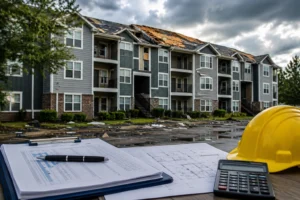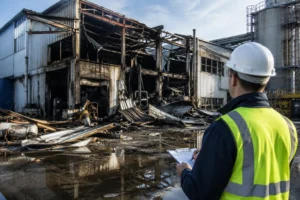

Many homeowners ask the same question after receiving a repair estimate that feels far too low: does insurance appraisal increase settlement amounts? Sometimes it does. Sometimes significantly. But appraisal is not about inflating claims. It is about determining whether the original estimate truly reflects the real cost of repairing covered damage. When inspections miss issues, measurements are incomplete, or repair pricing falls short, appraisal can lead to a much more accurate settlement. That is why the process matters so much in Texas property claims.
What Is Insurance Appraisal?
Insurance appraisal is a dispute resolution process commonly built into property insurance policies. It is used when the homeowner and insurance company disagree on the value of damages. The process usually works like this:
| Step | Description |
|---|---|
| Appraisal invoked | One side formally requests appraisal |
| Appraiser selection | Both parties choose independent appraisers |
| Property inspection | Damage and repair scope are evaluated |
| Umpire involvement | An umpire helps resolve disagreements |
| Award issued | Final amount of loss is determined |
Appraisal typically focuses on the amount of damage, not whether coverage exists. That distinction matters. If a policy excludes certain damages entirely, appraisal may not override those exclusions. But when the disagreement centers on pricing, scope, or repair valuation, appraisal often becomes extremely important.
Why Insurance Settlement Amounts Become Disputed
Most disputed claims start with one problem: incomplete evaluation. After severe storms or large-scale weather events, insurance adjusters often handle enormous claim volume. Fast inspections become common. And fast inspections sometimes miss critical details. Common reasons settlement disputes happen include:
- Incomplete roof inspections
- Hidden moisture damage
- Low repair pricing
- Missing line items
- Incorrect measurements
- Code upgrade omissions
- Interior damage disagreements
Small omissions quickly turn into large financial gaps.
Incomplete Damage Inspections
Roof systems are more complex than many homeowners realize. A roof is not just shingles. It also includes:
- Flashing
- Underlayment
- Ventilation components
- Pipe jacks
- Starter strips
- Ridge caps
- Drip edge
When inspections focus only on visible surface damage, other important components may get overlooked. That often becomes one of the biggest reasons homeowners pursue appraisal.
Low Repair Estimates
Estimating software helps standardize pricing, but interpretation still varies heavily between estimators. For example:
| Item | Estimate A | Estimate B |
|---|---|---|
| Underlayment replacement | Included | Omitted |
| Steep roof charges | Included | Omitted |
| Drip edge replacement | Included | Partial |
| Ventilation upgrades | Included | Excluded |
Those differences add up quickly. Especially on larger homes or commercial properties.
Does Insurance Appraisal Increase Settlement Amounts?
In many cases, yes. But the increase usually happens because appraisal uncovers legitimate repair costs that were previously missed or undervalued. That is an important distinction. Insurance appraisal does not automatically produce higher payouts simply because someone requests it. Strong evidence still matters enormously.
Why Settlement Amounts Often Increase
Several things typically happen during appraisal that may not occur during the original claim adjustment. The inspections become deeper. The measurements become more detailed. Repair scopes receive closer scrutiny. Pricing gets reevaluated. And additional documentation often enters the file. All of that can increase settlement amounts when legitimate damages exist. Common reasons appraisal awards rise include:
- Missed roofing components
- Hidden water intrusion
- Interior damage expansion
- Code compliance requirements
- Material matching concerns
- Labor complexity adjustments
- Supplemental repair needs
The more complex the property damage becomes, the more likely these issues appear.
Cases Where Appraisal May Not Increase Payments
Not every claim changes during appraisal. Some original estimates are already accurate. Other claims involve:
- Coverage exclusions
- Cosmetic-only damage
- Weak documentation
- Unrelated wear and tear
- Minimal repair needs
In those situations, appraisal may confirm the original valuation rather than increase it. That is why realistic expectations matter.
How Independent Appraisers Evaluate Damage Differently
Independent appraisers often spend far more time evaluating properties than catastrophe adjusters managing high claim volume. That additional attention frequently changes outcomes.
More Detailed Inspections
Thorough inspections often include:
- Roof measurements
- Moisture mapping
- Interior room evaluations
- Attic inspections
- Flashing reviews
- Ventilation analysis
- Exterior elevation inspections
Independent appraisers may also use advanced documentation methods like Photogrammetry to create highly accurate roof measurements and damage mapping during complex inspections. The more detailed the inspection becomes, the more complete the repair scope usually gets.
Focus on Real Repair Costs
Repair costs vary by market conditions. Labor shortages, material price increases, disposal costs, and roofing complexity all affect final pricing. Independent appraisers often analyze:
- Local contractor pricing
- Material availability
- Steep roof access
- Multi-story labor difficulty
- Specialty material replacement
- Safety requirements
These factors can significantly change settlement values.
Understanding Estimating Differences
Many insurance disputes eventually come down to estimating interpretation. One estimate may include full replacement requirements. Another may only allow partial repairs. Those differences become extremely important in roofing and hail claims across Texas.
Common Reasons Appraisal Awards Increase Claim Values
Certain categories repeatedly lead to higher appraisal awards.

Missed Roofing Components
Roof claims frequently involve omitted items such as:
- Ridge caps
- Drip edge
- Flashing
- Pipe boots
- Starter strips
- Underlayment
- Ventilation systems
When these components are properly included, repair values often rise substantially.
Hidden Interior Damage
Water damage rarely stays isolated. Leaks spread. Moisture moves through insulation, drywall, framing, and flooring over time. Moisture investigations may also involve specialized tools such as a Hygrometer to help detect hidden humidity and water intrusion inside wall cavities or attic spaces. Hidden damage frequently changes the overall scope of repairs.
Building Code Requirements
Older homes often require upgrades during repairs to meet current building codes. These additions may include:
| Code Requirement | Potential Impact |
|---|---|
| Ventilation upgrades | Moderate increase |
| Decking replacement | Significant increase |
| Ice barrier installation | Moderate increase |
| Electrical updates | Significant increase |
When ordinance and law coverage applies, those requirements may become part of the appraisal evaluation.
Overlooked Labor Complexity
Labor pricing changes dramatically based on repair difficulty. Higher labor costs commonly appear on:
- Steep roofs
- Tile roofing systems
- Metal roofing systems
- Multi-story homes
- Commercial buildings
Complex projects require more time, equipment, and safety measures. That affects pricing quickly.
Realistic Expectations About Insurance Appraisal
This part matters just as much as the potential financial increase. Appraisal is not a guaranteed win. It is a process designed to determine accurate repair value.
Strong Evidence Drives Strong Results
The strongest appraisal files usually include:
- Detailed contractor estimates
- Moisture reports
- Extensive photographs
- Drone imagery
- Weather verification reports
- Repair invoices
- Code references
Organization matters more than many homeowners realize. Well-documented claims almost always perform better during disputes.
The Goal Is Accuracy, Not Inflation
Some homeowners mistakenly believe appraisal exists to maximize payouts regardless of actual damage. That is not how the process works. The purpose of appraisal is to establish a fair amount of loss supported by evidence. Sometimes that leads to dramatic increases. Sometimes it confirms the original estimate. Either way, the focus should remain on accuracy.
Evidence That Helps Increase Settlement Amounts During Appraisal
Documentation is everything. Weak documentation weakens leverage. Strong evidence strengthens negotiations.

Contractor Reports
Detailed contractor reports often become critical evidence. The best reports explain:
- Why repairs are necessary
- Which materials are damaged
- Code-related concerns
- Repair methodology
- Safety issues
- Scope expansion needs
Specificity builds credibility.
Photos and Videos
Strong visual documentation helps eliminate ambiguity. Helpful evidence includes:
- Wide-angle roof photos
- Close-up hail impacts
- Interior moisture staining
- Ceiling damage progression
- Exterior elevation damage
- Water intrusion evidence
Good photos support stronger evaluations.
Repair Receipts and Mitigation Costs
Emergency mitigation expenses may become recoverable. Save records for:
- Temporary tarping
- Water extraction
- Emergency drying
- Debris removal
- Temporary housing if applicable
These costs sometimes become important during appraisal review.
Weather Documentation
Storm verification reports can strengthen causation arguments substantially. These reports may include:
- Hail size data
- Wind speed records
- Radar history
- Storm timing information
Weather evidence becomes especially valuable when insurers dispute storm-related damage.
Common Mistakes That Hurt Appraisal Outcomes
Even strong claims can weaken because of avoidable mistakes.
Waiting Too Long
Time damages evidence. Roof conditions change. Moisture spreads. Temporary repairs alter original damage patterns. Fast action protects claim strength.
Using Incomplete Documentation
Missing photos and vague contractor estimates create major problems during appraisal. The stronger the documentation package becomes, the stronger the claim position usually becomes as well.
Assuming Appraisal Automatically Raises Value
This is one of the biggest misconceptions in property claims. Again, does insurance appraisal increase settlement amounts? Often yes. But only when evidence supports the increase. Weak claims rarely improve simply because appraisal begins.
Ignoring Policy Language
Policy language controls the claim. Deductibles, exclusions, depreciation rules, and coverage limitations all affect the final settlement outcome. Understanding those provisions matters enormously.
When Insurance Appraisal Makes the Biggest Difference
Some claim types benefit from appraisal far more than others.
Hail Damage Claims
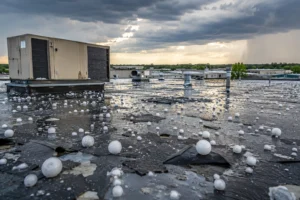
Texas hail claims frequently involve:
- Hidden roof damage
- Underlayment disputes
- Matching problems
- Soft metal damage disagreements
- Scope omissions
These disputes often lead to significant appraisal adjustments.
High-Value Property Claims
Luxury homes introduce more complexity. Premium roofing systems, specialty finishes, and custom materials increase repair valuation challenges substantially.
Commercial Insurance Claims
Commercial properties often involve:
- Large roofing systems
- Equipment exposure
- Code compliance issues
- Interior business interruption concerns
- Complex repair scopes
Financial differences become much larger in these cases.
Claims With Large Scope Disagreements
The wider the gap between estimates becomes, the more useful appraisal may become in clarifying legitimate repair value.
Should Homeowners Consider Insurance Appraisal?
Sometimes absolutely. Especially when:
- The estimate feels incomplete
- Contractors identify major omissions
- Supplements are repeatedly denied
- Repair costs differ significantly
- Multiple inspections conflict
Those are often warning signs that additional review may be necessary.
Situations Where Appraisal May Not Be Necessary
Appraisal may not make sense for:
- Small cosmetic disputes
- Minor claims
- Low-value losses
- Clear policy exclusions
Not every disagreement requires escalation.
Final Thoughts
So, does insurance appraisal increase settlement amounts? Very often, yes. But not because the process automatically creates larger payouts. Settlement amounts increase when stronger inspections, better documentation, more accurate measurements, and realistic repair pricing reveal legitimate underpayment inside the original estimate. That is the real value of appraisal. Some claims increase modestly. Others increase substantially. And some remain nearly unchanged because the original estimate was already accurate. The strongest outcomes almost always come from preparation. Detailed evidence. Organized documentation. Thorough inspections. Accurate repair analysis. Those factors drive successful appraisal results far more than emotion or frustration ever will. For Texas property owners facing disputed insurance estimates, appraisal can become an extremely powerful tool when used strategically and supported by strong evidence from the very beginning.
FAQs
Insurance appraisal can increase settlement amounts when the original estimate missed damage, undervalued repairs, or excluded necessary work.
The timeline varies by claim complexity, but many appraisal cases take several weeks to a few months. Delays often happen when inspections, documentation, or umpire scheduling become complicated.
In some situations, appraisal may still be possible after partial claim closure if the policy allows it and disputes about the amount of loss remain unresolved.
Most appraisal awards become binding regarding the amount of loss once signed by the required parties. Coverage disputes, however, may still remain separate from the appraisal decision.
Hail damage, roof replacement disputes, water damage claims, and commercial property losses often benefit the most because repair scope disagreements are common in those cases.
Homeowners technically can, but detailed contractor documentation often strengthens appraisal files significantly. Professional repair estimates usually help clarify repair scope and pricing.
Yes. Each side typically pays for its own appraiser, while umpire costs are often shared. Costs vary depending on claim complexity and property size.
If disagreements remain unresolved, an umpire reviews the disputed items and helps finalize the appraisal award. The umpire’s involvement often resolves the remaining valuation issues.
Sometimes. Insurers may reject appraisal requests if the dispute involves coverage rather than the amount of damage or if policy conditions were not properly followed.
Detailed photos, contractor reports, weather documentation, moisture readings, repair invoices, and accurate measurements often provide the strongest support during appraisal disputes.