
Receiving a settlement check can feel like the finish line. However, an approved claim does not always mean you received enough money to complete repairs. In many cases, property owners discover weeks or months later that the insurance payment falls short of the actual restoration costs. As a result, they are left paying significant expenses out of pocket. An underpaid insurance claim can occur when damage is overlooked, pricing is inaccurate, or important repair items are excluded from the estimate. Therefore, understanding the warning signs early can help protect your financial interests and ensure your property is restored properly.
Understanding What an Underpaid Insurance Claim Looks Like
Before identifying specific warning signs, it’s important to understand what claim underpayment actually means. An underpaid claim occurs when the insurance company accepts coverage for a loss but pays less than what is reasonably required to repair or replace the damaged property. Unlike a denial, where coverage is refused altogether, an underpayment dispute centers on the amount being paid. Sometimes the difference is small. Other times the gap can reach thousands or even tens of thousands of dollars.
Common Reasons Underpayments Occur
Several factors frequently contribute to underpaid claims:
- Incomplete inspections
- Missed damage
- Incorrect measurements
- Pricing discrepancies
- Building code omissions
- Depreciation disputes
- Human error
- Differences in repair scope
Because larger losses involve more components, they often create more opportunities for mistakes.
Contractor Estimates Are Significantly Higher Than the Insurance Estimate
One of the strongest indicators of an underpaid insurance claim occurs when multiple contractors provide repair estimates that are substantially higher than the insurance company’s estimate. A single higher estimate may not necessarily signal a problem. However, when several reputable contractors arrive at similar numbers that greatly exceed the carrier’s payment, further investigation becomes necessary.
Comparing Estimates Side by Side
Don’t focus only on the final total. Instead, compare the details carefully. Look for differences involving:
| Category | Insurance Estimate | Contractor Estimate |
|---|---|---|
| Material quantities | Lower | Higher |
| Labor costs | Reduced | Market rates |
| Code upgrades | Often missing | Included |
| Roofing components | Partial | Complete |
| Interior repairs | Limited | Comprehensive |
Even small omissions can create large financial gaps when combined throughout an estimate.
Why This Red Flag Matters
Contractors deal with actual repair costs every day. They purchase materials, hire labor, obtain permits, and complete restoration work. Therefore, when experienced contractors consistently indicate that repairs cannot be completed for the settlement amount, the discrepancy deserves serious attention.
Important Damage Was Left Out of the Insurance Scope
An incomplete scope of loss remains one of the most common causes of an underpaid insurance claim. Insurance adjusters may identify obvious damage while unintentionally missing other affected components. Consequently, the settlement may fail to reflect the property’s true repair needs.
Areas Frequently Missed During Inspections
Certain types of damage are commonly overlooked, including:
- Roof flashing
- Ridge caps
- Gutters and downspouts
- Window screens
- Fence damage
- HVAC equipment
- Interior ceiling damage
- Attic insulation
- Water-damaged framing
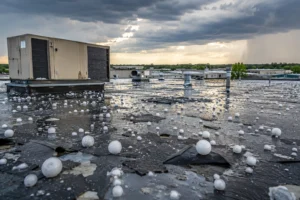
For example, a hail claim may include damaged shingles but exclude damaged flashing, vents, and gutters. Each omission reduces the settlement value.
The Cost of Missing Damage
At first glance, one missing repair item may not seem significant. However, multiple missing components can dramatically increase the difference between repair costs and the insurance payment. Therefore, property owners should always review the estimate carefully rather than assuming every damaged area has been included.
The Settlement Does Not Cover Current Market Pricing
Repair costs rarely stay the same. Material prices fluctuate. Labor rates rise. Permit fees increase. Meanwhile, insurance estimating systems may not always reflect the latest local market conditions. As a result, a claim can become underpaid even if the scope appears accurate on paper.
Rising Costs Create Larger Gaps
Following severe storms, local repair costs often increase rapidly. Demand surges. Contractor schedules fill up. Material availability tightens. Consequently, actual repair costs can exceed the pricing reflected in an insurance estimate. Much like a complex system studied in Cybernetics construction markets respond to changing conditions, supply limitations, and economic pressures that influence pricing across entire regions.
Signs Pricing May Be Outdated
Watch for warning signs such as:
- Contractors declining the work at the settlement amount
- Material quotes exceeding estimate allowances
- Labor shortages increasing project costs
- Significant pricing differences among multiple trades
When local contractors consistently report higher costs, the estimate may require further review.
Excessive Depreciation Reduced Your Payment
Depreciation plays an important role in many property claims. However, excessive depreciation can significantly reduce settlement amounts and contribute to an underpaid insurance claim.
Understanding Depreciation
Insurance policies often calculate payments using one of two methods:
| Payment Type | Description |
|---|---|
| Actual Cash Value (ACV) | Replacement cost minus depreciation |
| Replacement Cost Value (RCV) | Full replacement cost with comparable materials |
Depreciation should generally reflect the age and condition of the damaged property. The key is reasonableness.
Red Flags That Deserve Attention
Potential warning signs include:
- Extremely high depreciation percentages
- Newer materials receiving heavy deductions
- Inconsistent depreciation calculations
- Limited explanation from the insurer
If the depreciation appears excessive, asking questions is appropriate. In many disputes, depreciation becomes a major factor in settlement differences.
Building Code Requirements Were Not Included
Building codes change over time. Consequently, repairs often require compliance with current standards rather than those in effect when the property was originally built. These upgrades can increase repair costs significantly.
Why Code Upgrades Matter
Code-related expenses may include:
- Roofing upgrades
- Ventilation improvements
- Electrical modifications
- Structural reinforcement
- Safety-related improvements
When these costs are omitted, settlement amounts may fail to cover actual restoration expenses.
Commonly Missed Code Requirements
Examples include:
- Ice and water barriers
- Drip edge installation
- Additional fastening requirements
- Ventilation standards
- Permit-related upgrades
Therefore, policyholders should verify whether applicable code items appear in the estimate.
Supplemental Claims Continue Revealing Additional Damage
Not all damage is visible during the initial inspection. In fact, hidden damage frequently appears after repair work begins. While occasional supplements are normal, repeated discoveries of significant damage may indicate that the original evaluation was incomplete.
Hidden Damage Often Appears Later
Examples include:
- Water intrusion behind walls
- Damaged roof decking
- Mold-related concerns
- Structural deterioration
- Concealed electrical damage
Because these issues remain hidden initially, they often surface only after demolition or repair activities begin.
When Supplements Become a Warning Sign
Most claims involve some adjustments. However, repeated findings of major overlooked damage can suggest that the original inspection failed to capture the full scope of loss. In some ways, this resembles the concept of Emergence, where larger outcomes develop from smaller interconnected factors that are not immediately obvious. As additional repair items continue to surface, the risk of an underpaid insurance claim increases substantially. Before moving forward, property owners should also understand the appraisal process carefully. Some of the Common Mistakes During Insurance Appraisal include submitting incomplete documentation, misunderstanding policy requirements, delaying action, or selecting an appraiser without substantial property claim experience. Avoiding these mistakes can improve the chances of reaching a fair and accurate resolution.

You Are Being Asked to Pay Large Out-of-Pocket Costs
Every insurance claim comes with some level of financial responsibility. Typically, that responsibility is limited to your deductible and any non-covered items outlined in the policy. However, when repair costs exceed the settlement by thousands of dollars, the situation deserves a closer look.
Understanding Normal Out-of-Pocket Costs
Most policyholders should expect expenses such as:
- Policy deductibles
- Betterments or upgrades beyond the original condition
- Non-covered exclusions
- Voluntary improvements
These costs are generally predictable. What should raise concern is a substantial gap between what contractors charge and what the insurance company paid.
When the Numbers Don’t Add Up
Imagine receiving a settlement check and then learning that repairs will cost an additional $15,000 to $30,000 beyond your deductible. That’s a major difference. In many cases, those gaps result from:
- Missing damage
- Incomplete scopes
- Pricing discrepancies
- Code upgrade omissions
- Depreciation issues
Therefore, property owners should never assume the difference automatically belongs to them.
The Insurance Adjuster Spent Very Little Time Inspecting the Property
The quality of an inspection often influences the quality of the settlement. A detailed inspection takes time. Large losses require measurements, photographs, documentation, and a careful review of every affected area. Consequently, an unusually brief inspection may increase the likelihood of missing important damage.
Why Inspection Quality Matters
Every claim depends on accurate information. The adjuster must identify:
- The cause of loss
- The extent of damage
- Affected building components
- Necessary repairs
- Potential code considerations
The more thorough the inspection, the better the chances of producing an accurate estimate.
Inspection Red Flags
Property owners should pay attention if the adjuster:
- Spends only a few minutes on-site
- Takes very few photographs
- Doesn’t inspect all damaged areas
- Avoids accessing the roof when appropriate
- Fails to take measurements
- Does not ask detailed questions
Your Claim Involves a Complex or Large Loss
Not all claims carry the same risk of underpayment. Simple claims involving limited damage are generally easier to evaluate. Complex losses are different. The more components involved, the more opportunities exist for mistakes, omissions, and disagreements.
Claims That Frequently Lead to Disputes
Examples include:
- Hail damage claims
- Hurricane claims
- Fire losses
- Water damage losses
- Commercial property claims
- Multi-building properties
- Large residential losses
These claims often contain dozens or even hundreds of repair items. As complexity increases, so does the potential for an underpaid insurance claim.
Why Large Claims Create Challenges
Large losses require coordination among multiple trades. For example, a storm claim may involve:
- Roofing contractors
- Interior repair specialists
- Electricians
- HVAC contractors
- Structural professionals
Because each trade contributes unique repair costs, even small omissions can create substantial settlement deficiencies.
The Insurance Company Cannot Clearly Explain the Settlement
Transparency matters. If the insurance company struggles to explain important aspects of the estimate, additional review may be necessary.
Questions Every Property Owner Should Ask
Consider asking:
- How were repair quantities calculated?
- Why were certain items excluded?
- How was depreciation determined?
- Which pricing database was used?
- Were code requirements considered?
- Are supplements available if additional damage is discovered?
Clear answers build confidence. Vague answers often create uncertainty.
Why Documentation Matters
A well-supported claim should include:
| Documentation | Purpose |
|---|---|
| Photographs | Demonstrate damage |
| Measurements | Verify quantities |
| Estimates | Establish repair costs |
| Reports | Support findings |
| Communications | Track claim decisions |
The stronger the documentation, the easier it becomes to evaluate whether the settlement is fair.
What To Do If You Believe Your Claim Was Underpaid
Recognizing the warning signs is important. Taking action is even more important. Fortunately, policyholders have several options when they believe the settlement amount is insufficient.
Step 1: Review the Insurance Estimate Carefully
Start by reading every page of the estimate. Look beyond the final number. Focus on:
- Missing repair items
- Inaccurate measurements
- Low pricing allowances
- Excessive depreciation
- Excluded components
Small errors can create significant financial differences.
Step 2: Obtain Independent Repair Estimates
Next, seek opinions from qualified contractors. Independent estimates provide valuable insight into:
- Actual repair costs
- Scope differences
- Missing items
- Local market pricing
When multiple contractors identify the same deficiencies, those findings become difficult to ignore.
Step 3: Organize Supporting Evidence
Documentation strengthens your position. Gather:
- Damage photographs
- Contractor proposals
- Inspection reports
- Invoices
- Correspondence with the insurer
The more organized the evidence, the easier it becomes to support your concerns.
Step 4: Request Clarification or Reconsideration
Provide supporting documentation. Ask specific questions. Request explanations regarding:
- Missing damage
- Pricing concerns
- Depreciation calculations
- Code requirements
In some situations, additional information may result in a revised estimate.
Step 5: Consider the Insurance Appraisal Process
If disagreements continue, appraisal may provide another option. Generally, each side selects an appraiser. The appraisers evaluate the claim and attempt to reach an agreement regarding the value of the damage. When used appropriately, appraisal can help resolve disputes more efficiently than lengthy litigation.
How Insurance Appraisal Can Help Resolve Underpayment Disputes
Many property owners are unfamiliar with appraisal until a disagreement arises. However, it can be one of the most effective tools available when settlement amounts remain in dispute.
Appraisal vs. Litigation
Both options may resolve disputes, but they differ significantly.
| Factor | Appraisal | Litigation |
|---|---|---|
| Cost | Often lower | Frequently higher |
| Speed | Generally faster | Often slower |
| Complexity | More streamlined | More formal |
| Focus | Amount of loss | Broader legal issues |
Because appraisal focuses on valuation, it can provide an efficient path toward resolution when both parties agree that damage exists.
When Appraisal May Be Appropriate
Appraisal is often considered when:
- Coverage has been accepted
- Damage exists
- The disagreement involves value or scope
- Settlement amounts differ significantly
Under those circumstances, appraisal may help both sides move toward a fair resolution.
Conclusion
An underpaid insurance claim can be just as frustrating as a denied claim. However, recognizing the warning signs early can help prevent costly surprises later. If contractor estimates differ significantly, important damage appears missing, or repair costs greatly exceed the settlement amount, further investigation may be warranted. Ultimately, understanding your claim, reviewing the documentation carefully, and exploring available options can help ensure you receive a fair evaluation of your loss. Therefore, before accepting a settlement at face value, take the time to confirm that it truly reflects the damage that occurred.
FAQs
A common sign is when contractor estimates are significantly higher than the insurance settlement. Missing damage, excessive depreciation, or large out-of-pocket repair costs can also indicate an underpaid claim.
Yes. A claim can be approved for coverage while still failing to include all necessary repairs, accurate pricing, or applicable code upgrades.
Compare the scopes line by line to identify differences. Missing items, pricing discrepancies, or overlooked damage often explain the gap.
Not necessarily. If depreciation appears excessive or lacks a clear explanation, it may be worth requesting additional documentation or a review.
Current building codes can require additional work during repairs. If those requirements are not included in the estimate, the settlement may not fully cover restoration costs.
Yes. Damage behind walls, under roofing materials, or within structural components may not be visible during the initial inspection and can increase repair costs later.
A supplemental claim is a request for additional payment when new damage or repair needs are discovered after the original estimate was prepared.
Not automatically. However, a brief inspection may increase the likelihood that important damage was overlooked or not documented properly.
Appraisal may be appropriate when the insurance company accepts coverage but disagrees with you about the value or scope of the damage.
In many cases, yes. Additional documentation, contractor estimates, supplemental requests, or the appraisal process may help resolve settlement disputes and achieve a more accurate valuation.