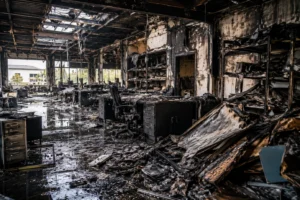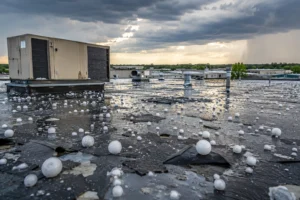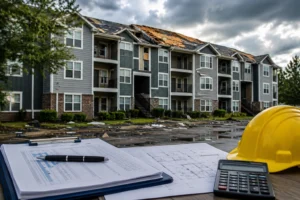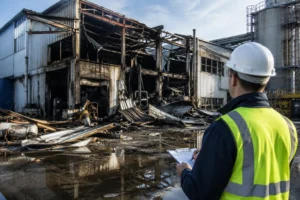

After a hailstorm or wind event, many homeowners immediately notice dents, missing shingles, or other visible issues. However, insurance coverage often depends on a more important question: What Is Functional Damage in Roof Claims? Simply put, functional damage affects a roof’s ability to protect a property from water, wind, and weather. Therefore, understanding this concept can play a major role in claim approvals, repair decisions, and settlement outcomes.
Understanding Functional Damage in Roofing
At its core, functional damage refers to damage that reduces a roof’s ability to perform its intended purpose. A roof is designed to keep water out, withstand weather conditions, and protect the structure below. When storm damage interferes with those functions, insurers often classify the issue as functional damage. Examples may include:
- Cracked roofing materials
- Torn shingles
- Wind-lifted roofing systems
- Damaged flashing
- Punctured roof membranes
- Hail impacts that compromise waterproofing
Importantly, functional damage is not always obvious. In many cases, the roof may appear relatively normal while hidden issues affect long-term performance. As a result, professional inspections frequently play an important role in claim evaluations.
Functional Damage vs. Cosmetic Damage
One of the most common areas of disagreement in roofing claims involves the distinction between cosmetic and functional damage. Many policyholders researching What Is Functional Damage in Roof Claims eventually ask a related question: Why Insurance Companies Underscope Roof Damage? The distinction is important because cosmetic damage generally affects appearance, while functional damage impacts the roof’s ability to protect the structure from water intrusion, wind, and other environmental conditions.
| Functional Damage | Cosmetic Damage |
|---|---|
| Affects roof performance | Primarily affects appearance |
| May allow moisture intrusion | Usually does not affect waterproofing |
| Can shorten roof lifespan | Often has little impact on lifespan |
| Frequently supports repair or replacement | Coverage may be limited or excluded |
| May create future failures | Typically aesthetic only |
For example, hail may dent a metal roof panel. If the dent only affects appearance, the insurer may classify it as cosmetic damage. However, if the impact damages seams, protective coatings, fasteners, or waterproofing systems, the issue may become functional damage. Consequently, the distinction can significantly affect claim value and repair recommendations.
Why Functional Damage Matters So Much
Insurance policies generally exist to restore covered property after a loss. Therefore, insurers often focus on whether storm damage has altered the roof’s ability to perform its intended function. When functional damage exists, policyholders may be eligible for:
- Roof repairs
- Partial roof replacement
- Full roof replacement
- Related exterior repairs
- Interior water damage repairs
Without evidence of functional damage, coverage disputes become much more likely. For that reason, understanding What Is Functional Damage in Roof Claims is essential before negotiating with an insurance company.
Common Types of Functional Roof Damage
Not all storm damage looks severe. In fact, some of the most significant roofing problems begin with subtle impacts that become worse over time.
Hail Damage
Hail remains one of the leading causes of functional roof damage throughout Texas. Potential indicators include:
- Fractured asphalt shingles
- Bruised shingle mats
- Significant granule loss
- Cracked tile roofing
- Broken slate materials
- Damaged vents
- Impacted flashing
Granules serve an important purpose by protecting asphalt shingles from ultraviolet exposure and weathering. When hail removes enough granules, the roofing material may deteriorate more rapidly. Consequently, functional damage can exist even before leaks develop.
Wind Damage
Wind creates an entirely different set of concerns. Strong gusts can:
- Lift shingles
- Break seal strips
- Crease roofing materials
- Expose fasteners
- Remove roofing components
A creased shingle may remain attached to the roof. Nevertheless, its ability to resist future wind events may be significantly reduced. Because of this, insurers and contractors often closely evaluate wind-related damage.
Damage to Critical Roof Components
A roofing system includes much more than shingles alone. Functional damage may also affect:
- Flashing
- Ridge caps
- Skylights
- Pipe boots
- Ventilation systems
- Gutters
- Drainage components
For example, damaged flashing may allow water intrusion around roof penetrations even when surrounding shingles appear intact.
How Insurance Companies Evaluate Functional Damage
When a roof claim is filed, insurers typically begin investigating whether covered damage exists and whether it affects roof performance.
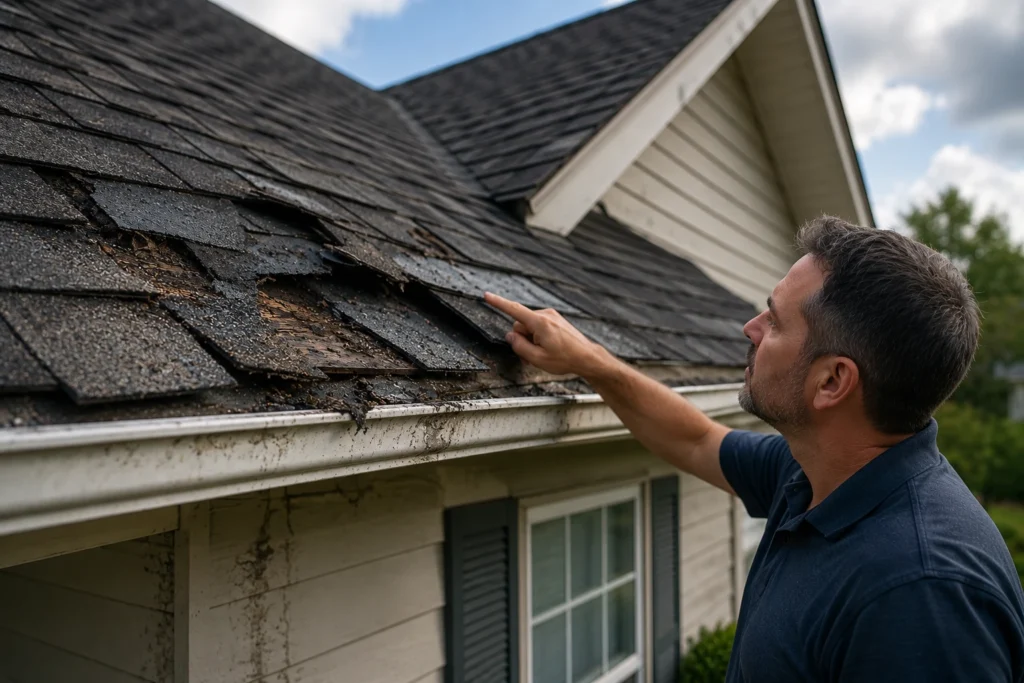
Initial Adjuster Inspection
The adjuster usually evaluates:
- Roofing materials
- Storm-related impacts
- Water intrusion evidence
- Repairability concerns
- Roof age and condition
Photographs are taken. Measurements are documented. Test squares may be inspected. Afterward, the adjuster prepares an estimate based on observed conditions.
Engineering Reviews
In some situations, insurers hire engineers to perform additional inspections. This commonly occurs when:
- Significant damage is disputed
- Coverage questions arise
- Large losses are involved
- Cause of damage is unclear
Engineers often evaluate whether observed conditions resulted from hail, wind, aging, installation issues, or maintenance concerns. Their conclusions sometimes become central to claim disputes. Similar to a Bayesian inference process, experts often analyze available evidence and probabilities before reaching a conclusion about the cause of damage. Learn more about Bayesian inference.
Additional Factors That Influence Coverage Decisions
Insurers may also evaluate several additional factors:
| Evaluation Factor | Potential Impact |
|---|---|
| Roof age | May influence repairability |
| Material type | Affects damage patterns |
| Maintenance history | Helps identify pre-existing issues |
| Storm data | Verifies weather events |
| Prior claims | Provides historical context |
Together, these factors help insurers determine whether functional damage exists and what repairs may be necessary.
Signs Homeowners Should Never Ignore
Many homeowners wait until water starts dripping from the ceiling before investigating roof damage. Unfortunately, by that point, repairs may become more extensive and expensive. Functional damage often develops long before obvious leaks appear. Therefore, recognizing early warning signs can help prevent larger problems later.
Exterior Warning Signs
After a significant storm, inspect the property from the ground whenever it is safe to do so. Look for:
- Missing shingles
- Torn roofing materials
- Cracked tiles
- Dented flashing
- Exposed fiberglass matting
- Damaged roof vents
- Loose ridge caps
Even seemingly minor issues can create pathways for water intrusion. Consequently, small problems should never be ignored.
Interior Warning Signs
The attic often provides the first clues that functional damage exists. Watch for:
- Water stains
- Damp insulation
- Mold growth
- Wood discoloration
- Active moisture intrusion
- Musty odors
In many cases, attic inspections reveal damage before it becomes visible inside living areas.
Why Hidden Damage Is Common
One challenge when determining What Is Functional Damage in Roof Claims is that significant problems are frequently hidden beneath the surface. Storm impacts may damage:
- Underlayment
- Waterproof barriers
- Fasteners
- Roof decking
- Flashing assemblies
As a result, a roof can appear relatively normal while critical protective components have been compromised.
Documentation That Strengthens Roof Claims
Documentation often becomes one of the most important aspects of a successful claim. The stronger the evidence, the easier it becomes to demonstrate both the existence and extent of functional damage.
Professional Inspection Reports
Independent inspections can provide:
- Detailed findings
- High-resolution photographs
- Damage assessments
- Repair recommendations
- Replacement considerations
Because professional reports provide objective evidence, they often strengthen claim discussions.
Weather Documentation
Storm verification can be equally important. Helpful records include:
- Hail reports
- Wind-speed data
- Storm tracking information
- Radar records
These documents help establish that a qualifying weather event occurred near the property.
Photographs and Videos
Photographs should be taken as soon as possible after a storm. Document:
- Roofing materials
- Gutters
- Downspouts
- Siding
- Windows
- Exterior accessories
Strong visual evidence often becomes valuable if disputes arise later.
Repair Estimates
Contractor estimates frequently provide insight into:
- Repair scope
- Material requirements
- Labor costs
- Replacement considerations
Detailed estimates may identify damaged components omitted during the initial insurance inspection. Strong documentation helps create a more complete picture of the loss. In some ways, assembling inspection reports, photographs, weather records, and contractor estimates resembles building a knowledge graph, where multiple sources of information connect to support a larger conclusion.
Common Disputes Over Functional Damage
Even when storm damage exists, disagreements often occur. Understanding common disputes can help homeowners prepare for the claims process.
“The Damage Is Cosmetic”
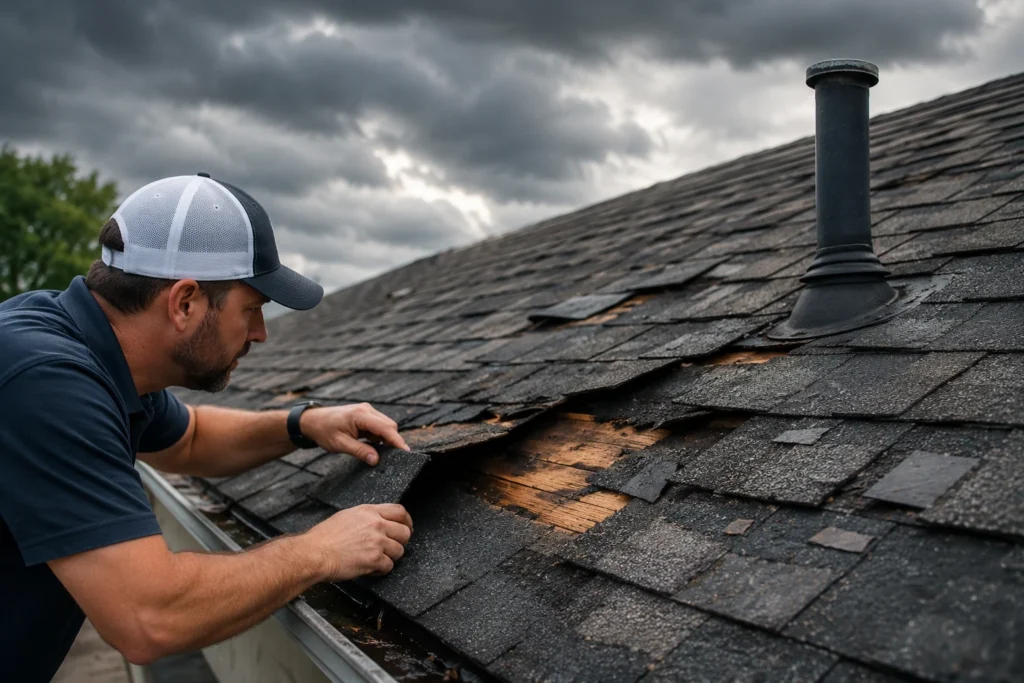
This remains one of the most common disagreements in roof claims. An insurance company may determine that visible hail impacts only affect appearance. Contractors may disagree. Engineers may disagree. Independent experts may reach entirely different conclusions. Ultimately, the dispute centers on whether the damage affects the roof’s ability to perform.
Repair Versus Replacement
Another frequent dispute involves repairability. Questions often include:
- Can damaged sections be repaired?
- Will repairs restore full functionality?
- Are matching materials available?
- Will repairs meet manufacturer standards?
Sometimes repairs are sufficient. Other times, replacement becomes the more appropriate solution.
Wear and Tear Arguments
Insurance generally covers sudden accidental damage rather than gradual deterioration. Therefore, insurers often examine whether observed conditions resulted from:
- Aging
- Maintenance deficiencies
- Manufacturing defects
- Installation issues
Distinguishing storm damage from normal wear and tear can significantly affect claim outcomes.
How Roofing Professionals Help Identify Functional Damage
Experienced roofing contractors often evaluate far more than visible surface damage. Their inspections may include:
- Shingle integrity
- Wind resistance
- Waterproofing systems
- Flashing functionality
- Ventilation performance
- Underlayment condition
Because many forms of functional damage remain hidden, professional evaluations frequently reveal issues that homeowners cannot easily identify. Additionally, contractor findings often provide valuable information during claim reviews.
When Functional Damage Leads to Full Roof Replacement
Not every claim requires a complete replacement. However, some situations make replacement necessary.
Circumstances That May Support Replacement
Examples include:
- Extensive hail impacts
- Widespread wind damage
- Significant material fractures
- Repairability limitations
- Discontinued roofing products
- Multiple compromised roof components
The primary question remains simple: Can the roof continue performing as intended after repairs? If the answer is no, replacement discussions often become necessary.
Building Code Considerations
Local building codes can also influence claim outcomes. Code requirements may affect:
- Underlayment systems
- Ventilation standards
- Fastener specifications
- Flashing installations
- Waterproofing requirements
Consequently, code upgrades may increase repair costs and expand project scope.
Long-Term Risks of Inadequate Repairs
Incomplete repairs can create ongoing problems. Potential consequences include:
- Continued leaks
- Structural deterioration
- Mold growth
- Premature roof failure
- Increased maintenance costs
Therefore, addressing functional damage correctly the first time is often the most cost-effective approach.
Functional Damage and the Insurance Appraisal Process
Not every dispute ends with the insurer’s initial decision. Many insurance policies include an appraisal provision that allows disagreements to be resolved outside of litigation.
When Appraisal May Be Used
Appraisal commonly addresses disputes involving:
- Scope of damage
- Repair costs
- Replacement requirements
- Claim valuation
How the Process Works
The process generally follows several steps:
- The policyholder selects an appraiser.
- The insurer selects an appraiser.
- Both appraisers review the loss.
- If disagreements remain, an umpire assists with resolution.
The goal is to establish a fair assessment of covered damages.
Benefits of Appraisal
Appraisal may offer several advantages:
- Independent evaluation
- Faster dispute resolution
- Reduced conflict
- Greater focus on damage assessment
For claims involving functional roof damage, appraisal can sometimes provide a practical path toward resolution.
Protecting Your Interests After Storm Damage
Storm-related roof damage can be stressful. However, proactive steps often improve claim outcomes. Consider the following:
- Inspect the property safely.
- Photograph all visible damage.
- Preserve repair records.
- Schedule professional inspections.
- Review policy language carefully.
- Keep written communication records.
- Monitor the property for developing issues.
Most importantly, act promptly. The longer damage remains undocumented, the more difficult claim investigations can become.
Conclusion
Understanding What Is Functional Damage in Roof Claims can help homeowners make informed decisions after severe weather. While cosmetic issues may affect appearance, functional damage impacts a roof’s ability to protect the property. Therefore, proper inspections, thorough documentation, and knowledgeable evaluations remain essential throughout the claims process. Ultimately, identifying and proving functional damage can play a major role in achieving a fair and accurate claim outcome.
FAQs
Functional damage is damage that affects a roof’s ability to protect a property from water intrusion, wind, and other weather conditions.
Yes. Many forms of functional damage, such as bruised shingles or damaged flashing, may not cause immediate leaks but can weaken the roof and lead to future problems.
Functional damage affects how the roof performs, while cosmetic damage primarily affects appearance. Insurance coverage is often more likely when roof functionality has been compromised.
Not necessarily. Some hail impacts only create cosmetic dents, while others fracture roofing materials or remove protective granules, creating functional issues.
Yes. Wind can lift, crease, or remove shingles and damage flashing, all of which may reduce the roof’s ability to resist water intrusion.
Professional inspection reports, photographs, weather records, repair estimates, and documentation of interior water damage can all support a claim.
Insurers may conclude that the damage is cosmetic, pre-existing, or related to wear and tear rather than a covered storm event. Coverage decisions often depend on the available evidence.
Yes. If repairs cannot restore the roof’s functionality or if damage is widespread, a full replacement may be necessary.
A qualified roofing contractor can identify hidden damage, document findings, and provide repair recommendations that may help support a claim.
Yes. The appraisal process can help resolve disagreements involving damage scope, repair costs, and claim valuation without going through lengthy litigation.