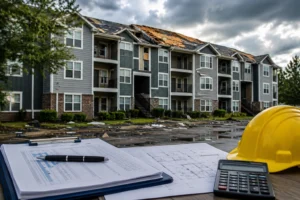

They influence materials, labor, waste, repair scope, and the amount an insurance carrier may offer after storm damage. That matters. If the roof area, pitch, ridge length, valley length, or waste factor is wrong, the final number may be wrong too. Therefore, accurate measurements are one of the most important parts of a roof insurance claim.
What Are Roof Measurements in an Insurance Claim?
Roof measurements are the dimensions and roof details used to calculate repair or replacement costs. A complete roof measurement report may include roof area, pitch, number of slopes, ridge lengths, hip lengths, valley lengths, eave measurements, rake measurements, and roof penetrations. Common items in Roof Measurements for Insurance Claims include:
| Measurement Item | Why It Matters |
|---|---|
| Total roof area | Determines base shingle quantity |
| Pitch | Affects labor, safety, and access |
| Ridges | Needed for ridge cap calculations |
| Hips | Impacts cap shingles and labor |
| Valleys | Affects underlayment, flashing, and cuts |
| Eaves | Used for drip edge and starter calculations |
| Rakes | Used for edge materials |
| Waste factor | Accounts for cuts, overlaps, and roof complexity |
If the measurements are incomplete, the estimate may be incomplete as well.
Why Roof Measurements Matter So Much
Think of the roof estimate as a recipe. The measurements are the ingredient list. If the list is wrong, the final result will likely be wrong. Eave lengths affect drip edge and starter shingles. Ridge and hip measurements affect cap shingles. Valley measurements may affect underlayment and flashing. One mistake can spread quickly.
| Measurement Error | Possible Claim Impact |
|---|---|
| Roof area understated | Fewer shingles and less labor included |
| Pitch too low | Steep charges may be missing |
| Ridge length wrong | Ridge cap quantity may be short |
| Valleys missed | Flashing or underlayment may be incomplete |
| Waste factor too low | Materials may not be enough |
Because of this, measurement review should happen early. Otherwise, the claim may face delays, supplement requests, and unexpected out-of-pocket costs.
How Insurance Companies Measure Roofs
Insurance carriers may use several methods to measure roofs. Some adjusters measure in the field. Others use aerial reports, satellite imagery, drone photos, or estimating software with roof diagrams already imported. In many claims, the final estimate may involve more than one method. Common methods include:
- Field measurements taken during inspection
- Ladder measurements
- Drone images
- Aerial measurement reports
- Satellite-based roof reports
- Diagrams created inside estimating software
- Third-party roof measurement services
These tools can be helpful. Very helpful. However, no method is perfect. Aerial reports, diagrams, and estimating platforms often rely on visual modeling. Some roof diagrams resemble a simplified form of orthographic projection, where a three-dimensional structure is represented in a flat, readable format. A field adjuster may not safely access every slope.
Common Roof Measurement Terms Homeowners Should Know
You do not need to become a roofing expert.
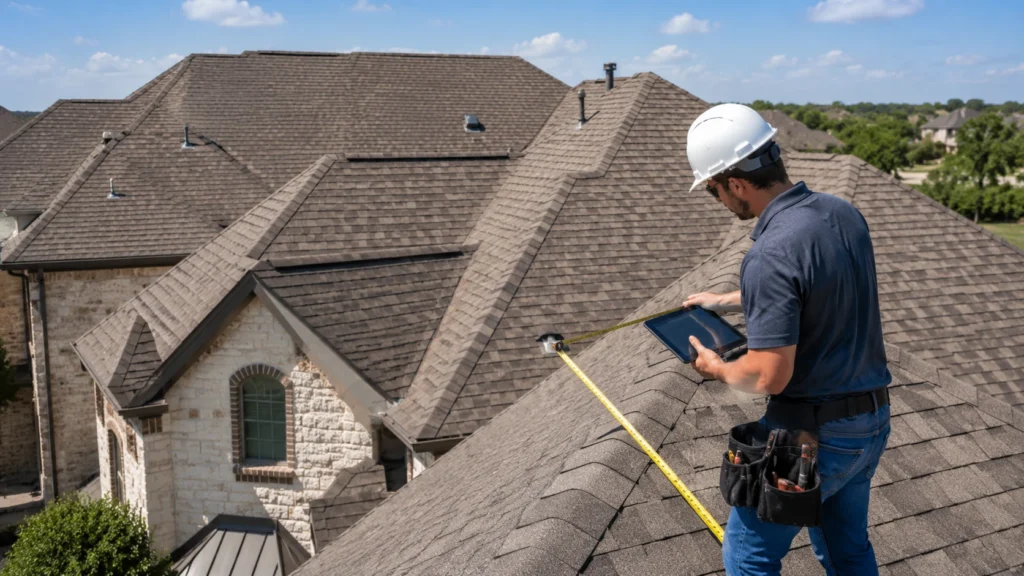
Roof Square
A roofing square equals 100 square feet of roof surface. For example, a 2,500-square-foot roof is usually described as 25 squares before waste. Roofing estimates often calculate shingles, underlayment, tear-off, and labor based on squares.
Pitch
Pitch describes how steep the roof is. A low-slope roof is easier to walk and work on.
Ridge, Hip, and Valley
A ridge is the high horizontal line where two roof planes meet. A hip is the angled outside line where two roof slopes meet. Hip roofs often require more cutting and more cap material. A valley is the inside angle where two roof slopes meet.
Eave and Rake
The eave is the lower edge of the roof. The rake is the sloped edge. These measurements often affect drip edge, starter shingles, gutters, and edge details.
Waste Factor
Shingles are cut, overlapped, fitted around valleys, placed around penetrations, and adjusted for roof shape.
Why Roof Measurements Can Differ Between Estimates
It is common for an insurance estimate and a contractor estimate to show different roof measurements. That can be frustrating. However, it does not always mean someone is acting unfairly. Sometimes the difference comes from the method used. Sometimes it comes from software inputs. In other cases, one estimate includes roof sections or accessories the other missed. Common reasons include:
- Different aerial reports
- Field measurements versus satellite measurements
- Missed dormers or small slopes
- Incorrect pitch
- Different waste factor assumptions
- Older images
- Manual entry errors
- Different repair versus replacement assumptions
Common Roof Measurement Mistakes in Insurance Claims
Some roof measurement mistakes appear often. If that happens, the base estimate may be too low. This can matter on two-story homes, high roofs, and roofs with difficult access. Some estimates use a waste factor that may not match roof complexity. A simple gable roof may require less waste. Other common mistakes include:
- Missing ridge cap measurements
- Missing hip measurements
- Incorrect valley lengths
- Missing eave or rake measurements
- Understated drip edge quantities
- Missing starter shingle quantities
- Missing detached garages, patios, or additions
- Using roof images that do not match the current structure
Small omissions can become expensive. Fast.
The Role of Roof Pitch in Insurance Estimates
A steep roof is harder to work on. Crews may need additional safety equipment. Materials may be harder to stage. Installation may take longer. Tear-off may be slower. Many homes have steep roof sections, tall elevations, or complex designs. Homeowners should compare the stated pitch in the insurance estimate with the contractor’s findings. Photos help.
Waste Factor and Why It Matters
Waste factor is one of the most misunderstood parts of Roof Measurements for Insurance Claims. it is not “extra” in a careless sense. Instead, it is part of proper estimating. Shingles must overlap. Valleys require trimming. Hips and ridges require additional pieces. Dormers and roof breaks create more cuts. A low waste factor may look efficient on paper. However, if the waste factor is too low, the estimate may not include enough material to complete the work.
- Roof complexity
- Number of valleys
- Number of hips
- Number of dormers
- Shingle type
- Slope transitions
- Steepness
- Installation method
How Roof Measurements Affect Xactimate Estimates
Many insurance carriers use estimating platforms to prepare roof claim estimates. This is one reason homeowners often research. What to Do If Insurance Missed Roof Damage when an estimate looks too low, incomplete, or disconnected from the contractor’s repair scope. Insurance estimates are not just visual documents. They are pricing documents built from measurements, assumptions, and risk-based calculations. In a broader sense, the insurance industry often relies on disciplines such as actuarial science, which applies math and statistics to risk. If the roof area is short, shingle quantities may be short. If ridge length is missing, ridge cap may be short. If pitch is wrong, labor charges may not reflect actual difficulty.
| Line Item | Measurement Connection |
|---|---|
| Shingle replacement | Based on roof squares |
| Tear-off | Based on roof squares |
| Underlayment | Based on roof area |
| Ridge cap | Based on ridge and hip lengths |
| Drip edge | Based on eaves and rakes |
| Starter shingles | Based on roof edge measurements |
| Valley treatment | Based on valley length |
| Waste | Based on roof area and complexity |
| Labor | Affected by pitch, height, and access |
This is why one incorrect diagram can create several incorrect line items. It becomes a pricing issue.
Texas Storm Claims and Roof Measurement Issues
Texas roof claims often involve hail, wind, hurricanes, severe thunderstorms, and widespread storm events. After a major storm, insurance carriers may handle a high volume of claims. Adjusters may be moving quickly. Contractors may be inspecting multiple damaged properties. That pressure can lead to missed details. Large hail may damage shingles, vents, gutters, soft metals, and accessories. Wind may lift shingles or damage roof edges. Accurate Roof Measurements for Insurance Claims help create a stronger foundation for the claim.
What Homeowners Should Look for in a Roof Measurement Report
You do not have to read every estimate like an adjuster. However, you should check the major items. Start with the diagram. Does it look like your roof? Are patio covers, additions, or lower roof sections shown? Then, check the measurement summary.
Look for:
- Total roof area
- Number of roof slopes
- Pitch
- Ridge length
- Hip length
- Valley length
- Eave length
- Rake length
- Waste percentage
- Roof penetrations
- Detached structures
- Notes about steepness, height, or access
Next, compare the roof report with the insurance estimate. The numbers should make sense together. If the roof report shows long ridge lines but the estimate has little or no ridge cap, ask why. Also, if the roof has multiple valleys but the estimate does not include related materials, ask why. If the roof is steep but the estimate treats it like a walkable roof, ask why. Questions are not conflict. Instead, they are part of reviewing the claim.
What Happens When Roof Measurements Are Wrong?
Wrong roof measurements can lower the entire insurance estimate. If the roof area is too small, the estimate may include fewer shingles, less labor, and lower tear-off costs.
How Contractors Use Roof Measurements in Insurance Claims
Contractors use roof measurements to prepare repair or replacement estimates. A contractor may compare their own measurements with the insurance carrier’s estimate. If they see differences, they may prepare a supplement request or provide supporting documentation. For example, a contractor may point out that the estimate is missing starter shingles along certain edges. Or, they may show that the ridge cap quantity is too low. They may also note that the roof pitch does not match the actual slope. These details matter because the contractor is looking at what it takes to perform the work.
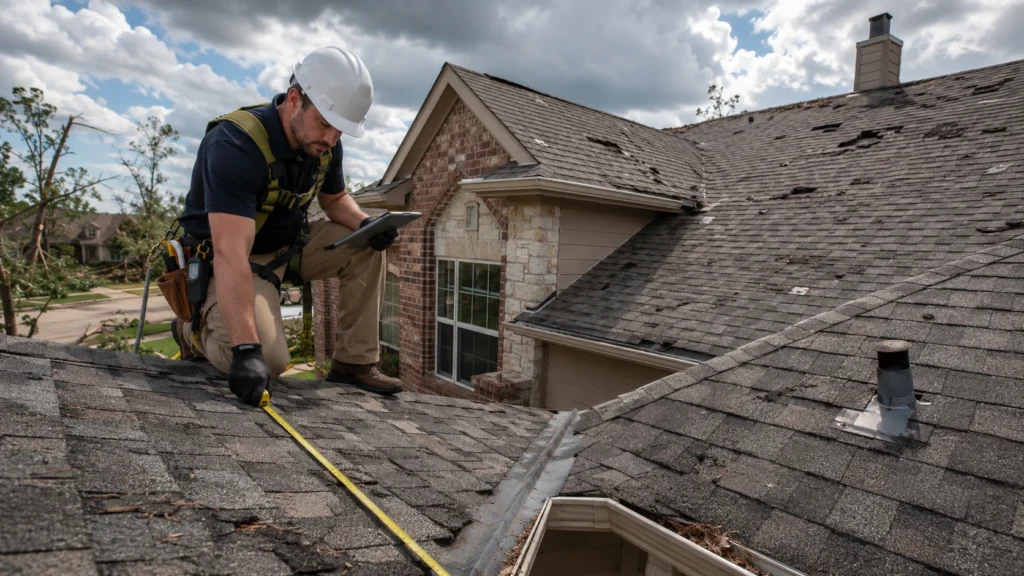
How Appraisers Review Roof Measurements in Disputed Claims
When a roof claim dispute reaches appraisal, roof measurements may become an important part of the discussion. An insurance appraiser may review the roof diagram, estimate, photos, contractor documentation, aerial reports, and disputed line items. The goal is to evaluate the amount of loss based on the covered damage and the repair scope. Measurement disputes can affect the final number. For example, if one side uses a smaller roof area and the other uses a larger roof area, that difference can affect many items. For txinsuranceappraiser.com, this topic matters because many disputed roof claims are not only about whether damage exists. They are also about whether the estimate properly reflects the work required. Accurate measurements help make that discussion more grounded.
Documentation That Can Support Correct Roof Measurements
Documentation is your friend. Not vague notes. Not guesses. Real documentation. Useful documents may include:
- Aerial roof measurement reports
- Contractor estimates
- Adjuster estimates
- Roof diagrams
- Inspection photos
- Drone images
- Material invoices
- Shingle quantity calculations
- Repair scope notes
- Supplement requests
The strongest documentation usually connects the measurement issue to the estimate. For example, do not simply say, “The roof is bigger.” Instead, show the alternate roof report. Show the diagram. Identify the measurement difference.
When to Question the Insurance Company’s Roof Measurements
Homeowners should question roof measurements when something does not line up. That does not mean accusing anyone of wrongdoing. Instead, it means reviewing the estimate carefully before accepting it as complete. Warning signs include:
- The estimate seems much lower than the contractor’s estimate
- The roof diagram does not look like the actual roof
- Detached structures are missing
- The pitch seems incorrect
- Some slopes are missing
- Waste factor seems unusually low
- Ridge cap quantity seems short
- Valley measurements are missing or low
- Drip edge or starter shingles are missing
- The estimate does not reflect roof height or access difficulty
A simple question can open the door to correction. For example: “Can you show me where the estimate accounts for the ridge cap quantity shown in the roof report?” That is direct. It is professional. Most importantly, it keeps the conversation focused on facts.
Can Roof Measurement Errors Be Corrected?
The path depends on the claim, policy, carrier, timing, and type of dispute. In many cases, a contractor may submit revised measurements, photos, and a supplement request. Then, the insurance company may review the information and issue a revised estimate. In other cases, the dispute may continue. If the parties disagree on the amount of loss, appraisal may become part of the process if the policy allows it and the circumstances support it. Therefore, detailed documentation becomes even more important. The best time to address measurement errors is before the job is completed. Once repairs are finished, it may become harder to document certain conditions or verify certain scope details. So review early. Ask questions early. Save everything.
Final Thoughts
Roof Measurements for Insurance Claims can shape the entire outcome of a roof damage claim. Most importantly, they affect whether the estimate reflects the actual roof. For Texas homeowners, this is especially important after hail, wind, and storm damage. Roof claims can move quickly, and initial estimates are not always complete. Therefore, a careful review of the roof diagram, pitch, waste factor, ridge measurements, hip measurements, valley measurements, eaves, rakes, and roof accessories can help identify problems before they become expensive. So do not ignore the measurements. Read them. Compare them. Ask questions. Request clarification when the diagram does not match the roof. Also, keep photos, reports, estimates, and supporting documents organized. A roof claim should be based on the real damage and the real repair requirements. Accurate measurements help make that possible. Ultimately, when a claim becomes disputed, those details may matter more than anything else.
FAQs
Roof measurements for insurance claims are the roof dimensions and details used to calculate repair or replacement costs. They may include roof area, pitch, ridges, hips, valleys, eaves, rakes, and waste factor.
If the measurements are wrong, the claim estimate may be too low.
A roofing square equals 100 square feet of roof surface. Insurance estimates often use roofing squares to calculate shingles, underlayment, removal, and labor.
Roof pitch affects the difficulty and safety of the job. Steeper roofs usually require more labor, equipment, time, and safety precautions.
Roof waste factor accounts for extra materials needed for cuts, overlaps, valleys, hips, dormers, and complex roof sections. A low waste factor can leave the estimate short on materials.
Yes, aerial roof measurements can be wrong if images are outdated, blocked by trees, distorted by shadows, or unable to capture complex roof details.
Contractor measurements may differ because they use field measurements, updated roof reports, or a different interpretation of the repair scope.
Homeowners should check total roof area, pitch, waste factor, ridge length, hip length, valley length, eaves, rakes, and detached structures.
Yes, incorrect measurements can reduce material quantities, labor allowances, and related line items. Even small errors may affect several parts of the estimate.
Roof measurement errors may be corrected through revised reports, contractor documentation, photos, supplements, or further claim review.