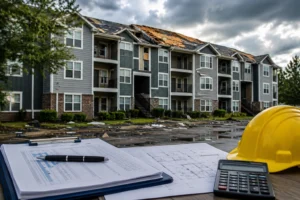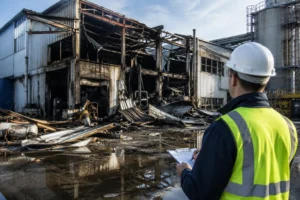

Commercial roofing claims can quickly become complicated. While many claims are paid without issue, disputes often arise when property owners and insurance companies disagree on repair or replacement costs. As a result, many businesses turn to a Commercial Roof Insurance Appraisal to resolve valuation disagreements without lengthy litigation. Moreover, commercial roofs are expensive assets that protect buildings, tenants, inventory, and daily operations. When a claim is underpaid, the financial impact can be substantial. Fortunately, the appraisal process offers a structured way to determine a fair amount of loss and move the claim forward.
Understanding Commercial Roof Insurance Claims
Commercial roofs serve a critical function. They protect inventory, equipment, tenants, employees, and business operations. When damage occurs, the financial consequences can extend far beyond the roof itself. Commercial roof claims commonly arise from:
- Hailstorms
- Windstorms
- Hurricanes
- Fire damage
- Falling objects
- Water intrusion
- Severe weather events
Unlike residential roofing systems, commercial roofs often cover tens of thousands of square feet. They may contain multiple roofing materials, mechanical systems, drainage components, skylights, and rooftop equipment. As complexity increases, so does the likelihood of valuation disagreements. A single commercial roof claim may involve:
- Roofing contractors
- Public adjusters
- Engineers
- Roofing consultants
- Insurance adjusters
- Property managers
- Building owners
Each party may have a different opinion regarding damage, repair methods, and pricing. That is often where problems begin.
What Is an Insurance Appraisal?
Insurance Appraisal is a dispute resolution process found in many property insurance policies. It is commonly used when the policyholder and insurance company disagree on the value of damages.
Why Commercial Roof Claims Are More Complex Than Residential Claims
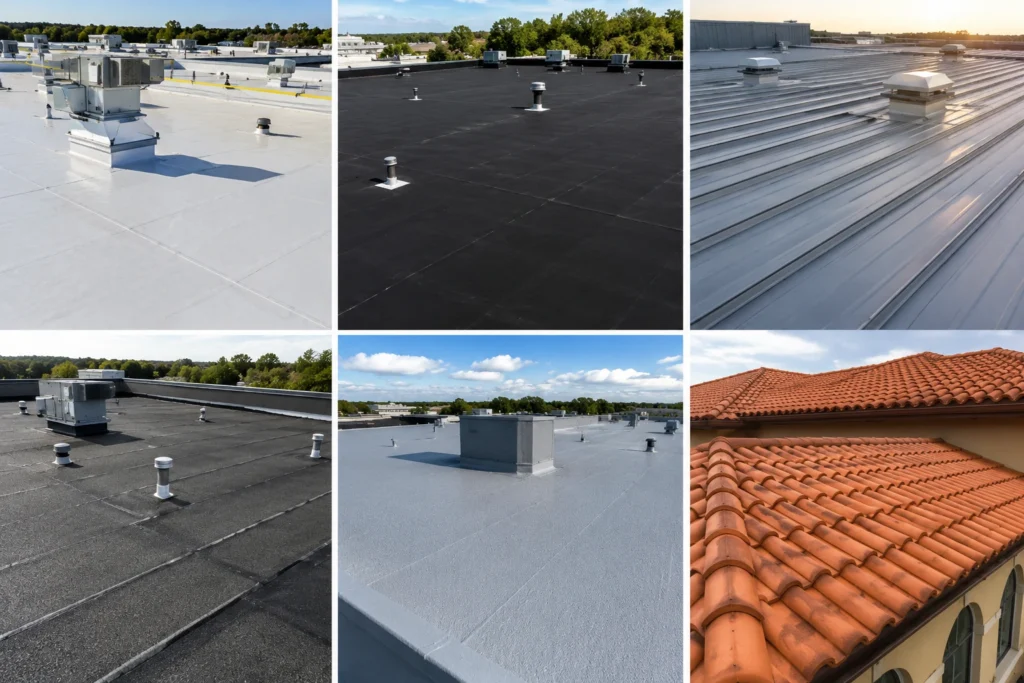
A residential roof replacement might involve replacing a few thousand square feet of shingles. Commercial roofing projects can be dramatically different. A large warehouse, office building, retail center, apartment complex, manufacturing facility, or church may require specialized materials, safety measures, equipment access, and code compliance upgrades that substantially increase costs. Commercial roofing systems frequently include:
| Roofing Component | Complexity Level |
|---|---|
| TPO Membranes | Moderate |
| EPDM Systems | Moderate |
| Modified Bitumen | High |
| Built-Up Roofing | High |
| Metal Roof Systems | High |
| Spray Foam Roofs | Specialized |
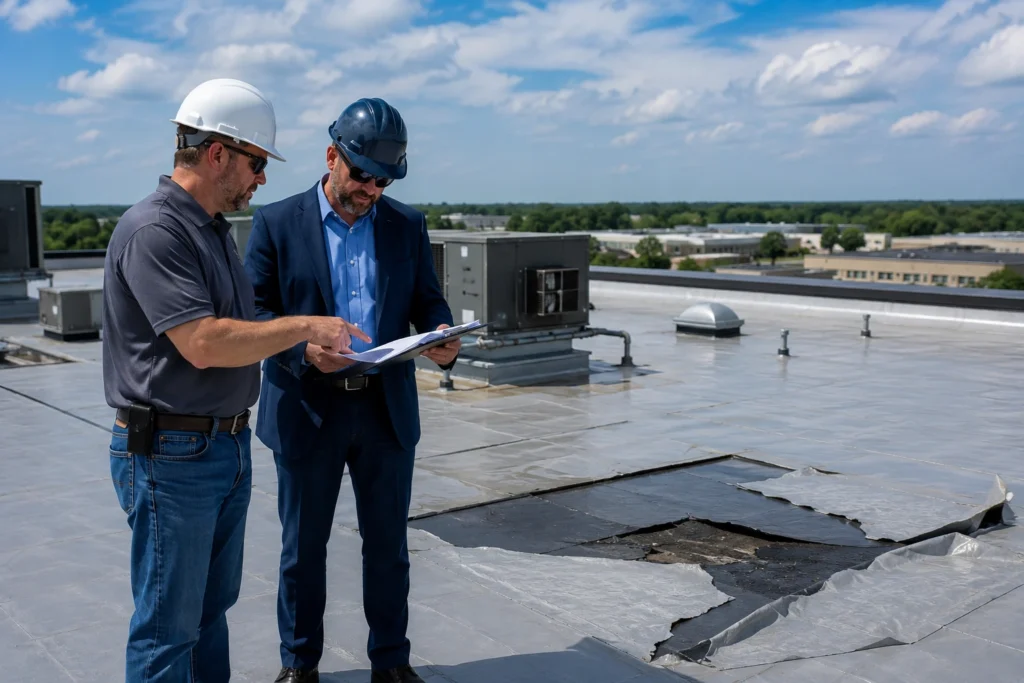
In addition, commercial claims often involve:
- Tenant concerns
- Business interruption risks
- Safety regulations
- Building code requirements
- Manufacturer specifications
- Warranty preservation
These factors create opportunities for disagreements between contractors and insurance carriers regarding the true scope of repairs. Managing a large commercial roof project often requires coordinating multiple specialists, inspections, and technical evaluations. In some respects, the process resembles a complex system where many moving parts must function together efficiently, similar to the concept of emergence, where larger outcomes arise from numerous interconnected components.
Common Causes of Commercial Roof Claim Disputes
Most disputes arise from one simple issue. The policyholder and the insurance company assign different values to the loss. That difference can occur for several reasons.
Disagreements About Roof Damage
Not all damage is immediately visible. Hail impacts may bruise roofing materials without creating obvious surface fractures. Wind events may loosen roofing systems without causing complete failure. Commercial roof inspections often reveal:
- Hidden moisture intrusion
- Damaged insulation
- Seam separation
- Fastener failures
- Membrane punctures
- Structural concerns
One inspector may classify damage as cosmetic. Another may classify the same damage as functional. The financial difference can be enormous.
Underestimated Repair Costs
Commercial roofing projects often require specialized labor and equipment. Items commonly underestimated include:
- Crane costs
- Lift rentals
- Safety systems
- Material delivery
- Labor burdens
- Roof access challenges
- Temporary weather protection
When these expenses are omitted, settlement amounts can fall well below actual repair costs.
Missing Scope Items
One of the most common sources of claim disputes involves omitted line items. The insurance estimate may cover portions of the roof while overlooking components necessary to complete the project properly. Common omissions include:
| Frequently Missed Item | Why It Matters |
|---|---|
| Roof insulation | Required for energy compliance |
| Flashing | Prevents water intrusion |
| Edge metal | Protects roof perimeter |
| Fasteners | Maintains system integrity |
| Vapor barriers | Controls moisture |
| HVAC disconnects | Required for equipment access |
| Permit fees | Mandatory project costs |
| Debris removal | Necessary cleanup expense |
Missing items often create significant differences between contractor estimates and insurance settlements.
Code Compliance Disputes
Building codes evolve constantly. A roof installed fifteen years ago may not comply with today’s requirements. Many commercial roof claims involve disputes regarding:
- Insulation requirements
- Wind uplift standards
- Fastener patterns
- Drainage requirements
- Fire resistance standards
When code upgrades become necessary, project costs can increase substantially.
What Is Commercial Roof Insurance Appraisal?
A Commercial Roof Insurance Appraisal is a formal dispute resolution process found within many property insurance policies. Its purpose is straightforward. Resolve disagreements regarding the amount of loss without going to court. When appraisal is invoked:
- The policyholder selects an appraiser.
- The insurance company selects an appraiser.
- The two appraisers select an umpire.
- The claim is evaluated.
- A binding value determination is issued.
The process focuses on valuation rather than coverage. In other words, appraisal generally addresses how much damage occurred and what it should cost to repair or replace it. Coverage questions usually remain separate. For many commercial property owners, appraisal offers a faster and more cost-effective alternative to litigation.
How the Appraisal Process Works
Although every claim is unique, most appraisal proceedings follow a similar path.
Step 1: Appraisal Is Invoked
One party formally demands appraisal under the policy. This triggers the appraisal process.
Step 2: Appraisers Are Selected
Each side appoints an independent appraiser. The appraisers review:
- Policy documents
- Estimates
- Inspection reports
- Roofing evaluations
- Photographs
- Weather data
- Maintenance records
Step 3: An Umpire Is Chosen
The two appraisers select a neutral umpire. If disagreements arise, the umpire can review disputed issues and assist in reaching a final determination.
Step 4: Property Inspection Occurs
The appraisal team evaluates:
- Roof conditions
- Damage extent
- Repair requirements
- Replacement considerations
- Building code impacts
This inspection often becomes one of the most important stages of the process.
Step 5: The Amount of Loss Is Determined
Once sufficient information has been gathered, the appraisers work toward a valuation. If agreement is reached, the process moves forward. If not, disputed issues are submitted to the umpire. Ultimately, a binding appraisal award may be issued.
Appraisal Versus Litigation
Many property owners immediately assume they need an attorney when a claim dispute develops. Sometimes legal action becomes necessary. Often, however, appraisal provides a more efficient path.
| Appraisal | Litigation |
|---|---|
| Faster resolution | Often lengthy |
| Lower overall costs | Higher legal expenses |
| Industry specialists involved | Court system involvement |
| Focuses on valuation | Addresses broader disputes |
| Less adversarial | Frequently contentious |
For commercial property owners trying to restore operations quickly, time matters. Every month of delay can create additional business challenges.
Commercial Roofing Systems Frequently Involved in Appraisal
Not all commercial roofs are built the same. Different roofing systems present different challenges during a Commercial Roof Insurance Appraisal. Consequently, understanding the roofing material involved can play a major role in determining repair costs and replacement requirements.
Metal Roof Systems
Metal roofs are common on warehouses, industrial buildings, and agricultural facilities. While metal roofs are durable, hail and wind events can create disputes involving:
- Dented panels
- Damaged fasteners
- Seam separation
- Protective coating damage
Insurance companies sometimes classify dents as cosmetic. However, property owners and contractors may argue that the damage affects performance and longevity.
TPO Roofing Systems
Thermoplastic Polyolefin (TPO) roofs are widely used on commercial buildings. Common appraisal issues include:
- Punctures
- Membrane tears
- Seam failures
- Water intrusion
Even small membrane damage can lead to significant repair costs if moisture reaches the insulation below.
EPDM Roofing Systems
EPDM roofing offers flexibility and durability. However, storm-related damage can be difficult to identify. Appraisers often evaluate:
- Membrane punctures
- Shrinkage
- Seam separation
- Impact-related damage
Modified Bitumen Roofs
Modified bitumen systems consist of multiple layers designed to withstand harsh weather conditions. Disputes often involve:
- Granule loss
- Membrane fractures
- Surface impacts
- Hidden moisture intrusion
Built-Up Roofing (BUR)
Built-up roofing systems contain multiple protective layers. While durable, these systems may conceal damage beneath the surface, making accurate inspections critical.
Spray Foam Roofing Systems
Spray polyurethane foam roofs can perform exceptionally well. However, damage to protective coatings may expose the system to water infiltration. Determining the full extent of damage often requires specialized evaluation.
Tile Roofing Systems
While less common in commercial applications, certain hotels, multifamily properties, churches, and office complexes utilize tile roofs.
The Commercial Roof Inspection Process During Appraisal
The inspection phase often determines the success of the appraisal process. After all, accurate valuations depend on accurate inspections.
Detailed Roof Evaluation
Commercial roof inspections may include:
- Roof measurements
- Moisture surveys
- Drone inspections
- Infrared scanning
- Core sampling
- Interior inspections
The goal is simple. Identify all damage and determine the true scope of required repairs. Modern roof inspections increasingly rely on technology, detailed measurements, and data collection. This approach reflects principles found in photogrammetry, a method of obtaining reliable measurements and information from photographs that has become valuable in drone-assisted property inspections.
Documentation Reviewed During Appraisal
Appraisers often review:
- Contractor estimates
- Engineering reports
- Consultant evaluations
- Inspection photographs
- Weather records
- Maintenance documentation
- Previous claim records
The more supporting evidence available, the stronger the appraisal presentation becomes.
Why Commercial Roof Claims Are Frequently Underpaid
Many property owners wonder how claim values can differ so dramatically. The answer often comes down to scope and pricing.
Large Losses Receive Greater Scrutiny
Commercial roof replacements can involve hundreds of thousands or even millions of dollars. As claim values increase, disputes become more common.
Damage May Be Hidden
Initial inspections may not identify:
- Moisture trapped beneath roofing systems
- Damaged insulation
- Structural concerns
- Fastener failures
Hidden damage often emerges later during repairs.
Roofing Systems Are Complex
Commercial roofs involve multiple components that must function together. If even one component is overlooked, claim values can become inaccurate.
Market Conditions Change
Material and labor costs fluctuate. By the time repairs begin, actual pricing may differ significantly from original estimates. This creates another common source of disagreement.
Benefits of Commercial Roof Insurance Appraisal
For many property owners, appraisal offers several advantages.
Faster Resolution
Court cases can take months or years. Appraisal often moves considerably faster.
Reduced Legal Costs
Although appraisal involves professional fees, it is generally less expensive than prolonged litigation.
Independent Evaluation
Both sides present their positions through qualified appraisers. This creates a more balanced review process.
Greater Focus on Valuation
Appraisal is designed to address the amount of loss. As a result, discussions often remain focused on the actual damage and repair costs.
Less Business Disruption
Faster claim resolution can help property owners move forward with repairs and business operations sooner.
When Commercial Property Owners Should Consider Appraisal
Not every claim requires appraisal. However, certain situations frequently justify it.
The Claim Was Approved but Underpaid
This is one of the most common appraisal scenarios. Coverage exists, but the amount paid falls short of repair costs.
Contractor and Insurance Estimates Differ Significantly
Large pricing gaps often signal a valuation dispute.
Replacement Versus Repair Disagreements
One side may recommend repairs. The other may recommend full replacement. Appraisal can help resolve the difference.
Multiple Buildings Are Involved
Large commercial properties often create complex claim calculations.
Specialized Roofing Systems Exist
Complex roofing materials frequently generate valuation disagreements.
Choosing the Right Commercial Roof Insurance Appraiser
The outcome of an appraisal can depend heavily on the appraiser selected. Experience matters.
Look for Roofing Knowledge
Commercial roofing systems vary significantly. An appraiser should understand:
- Roofing materials
- Installation methods
- Repair procedures
- Replacement requirements
Understand Insurance Estimating
Commercial claims often involve detailed estimating platforms and pricing databases. Experience with these systems is valuable.
Evaluate Large-Loss Experience
Commercial roof claims frequently involve substantial financial exposure. Prior experience handling large losses can be beneficial.
Knowledge of Building Codes
Code compliance issues often affect claim values. An experienced appraiser understands how these requirements impact repairs.
Communication Skills Matter
Technical knowledge is important. The ability to clearly explain and support a valuation is equally important.
Conclusion
Ultimately, commercial roofing disputes are often valuation disputes. However, when property owners and insurance carriers cannot agree on repair costs, a Commercial Roof Insurance Appraisal may provide a practical path forward. Moreover, appraisal can help resolve disagreements faster, reduce uncertainty, and bring experienced professionals into the evaluation process. Therefore, property owners facing significant roof claim disputes should carefully review their policy rights and consider whether appraisal offers a more efficient solution than prolonged conflict.
FAQs
A Commercial Roof Insurance Appraisal is a dispute resolution process used to determine the amount of loss when a property owner and insurance company disagree on claim value.
Generally, no. Appraisal typically addresses the value of the loss, while coverage disputes are handled separately.
It can. If the appraisal process determines that the damages are worth more than the insurer’s estimate, the claim payment may increase accordingly.
The timeline varies depending on the complexity of the claim, but many appraisals are resolved faster than traditional litigation.
In many cases, yes. Once an appraisal award is issued according to the policy terms, it is typically binding on both parties.
Metal roofs, TPO systems, EPDM roofs, modified bitumen roofs, built-up roofing systems, spray foam roofs, and tile roofs can all be subjects of appraisal disputes.
Appraisal may be worth considering when the insurance company accepts the claim but disputes the repair or replacement cost.
Contractor estimates, inspection reports, photographs, engineering evaluations, maintenance records, and weather data can all strengthen the appraisal process.
The policyholder selects one appraiser, the insurance company selects another, and those two appraisers typically agree on an umpire.
In many situations, yes. Appraisal often provides a more cost-effective and efficient way to resolve valuation disputes without extended court proceedings.