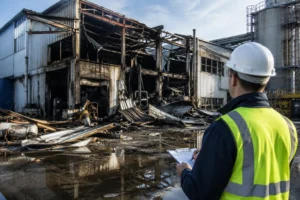

Storms, fires, hail, and water losses can leave homeowners associations facing substantial repair costs. However, disagreements over claim values are common, especially when insurance carriers and HOA representatives reach different conclusions regarding damage and repair pricing. Fortunately, the HOA Insurance Appraisal Process provides a structured method for resolving valuation disputes without resorting to lengthy litigation. Instead of spending years in court, many associations can use appraisal to reach a binding determination regarding the amount of loss. For HOA boards, property managers, and community leaders, understanding this process is essential. Therefore, knowing when and how appraisal works can significantly impact the outcome of a major insurance claim.
Understanding HOA Insurance Claims
Unlike a standard homeowner’s insurance policy, HOA insurance typically covers common areas, shared structures, and community assets throughout an entire development. As a result, losses often involve multiple buildings and substantial repair budgets. Depending on the community, coverage may include:
- Residential buildings
- Clubhouses
- Swimming pools
- Fitness centers
- Parking structures
- Gates and fencing
- Sidewalks
- Community amenities
- Shared recreational facilities
Because of the scale involved, even relatively small disagreements can quickly become significant financial issues.
Common HOA Insurance Losses
Several types of losses frequently lead to major HOA insurance claims.
Hail Damage
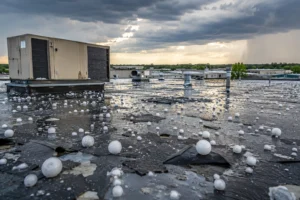
Texas hailstorms regularly cause extensive damage to roofing systems, flashing, gutters, vents, and exterior finishes. Furthermore, large communities may contain dozens of buildings, making inspections considerably more complicated.
Windstorm Damage
High winds can tear roofing materials, damage siding, break windows, and expose structures to water intrusion. Consequently, determining the full extent of damage often requires detailed evaluations.
Fire Losses
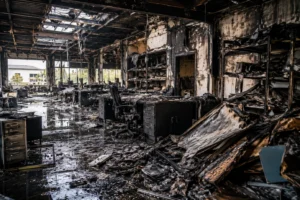
A fire can impact multiple units, shared walls, and common property simultaneously. Therefore, repair costs can escalate quickly.
Water Damage
Water losses often create hidden issues that remain undiscovered for weeks or months. In addition, moisture-related damage frequently extends beyond the initially visible areas.
Freeze Events
Severe winter weather can result in widespread pipe failures and water damage across entire communities. As a result, repair projects often become both costly and time-consuming.
Why HOA Insurance Claim Disputes Occur
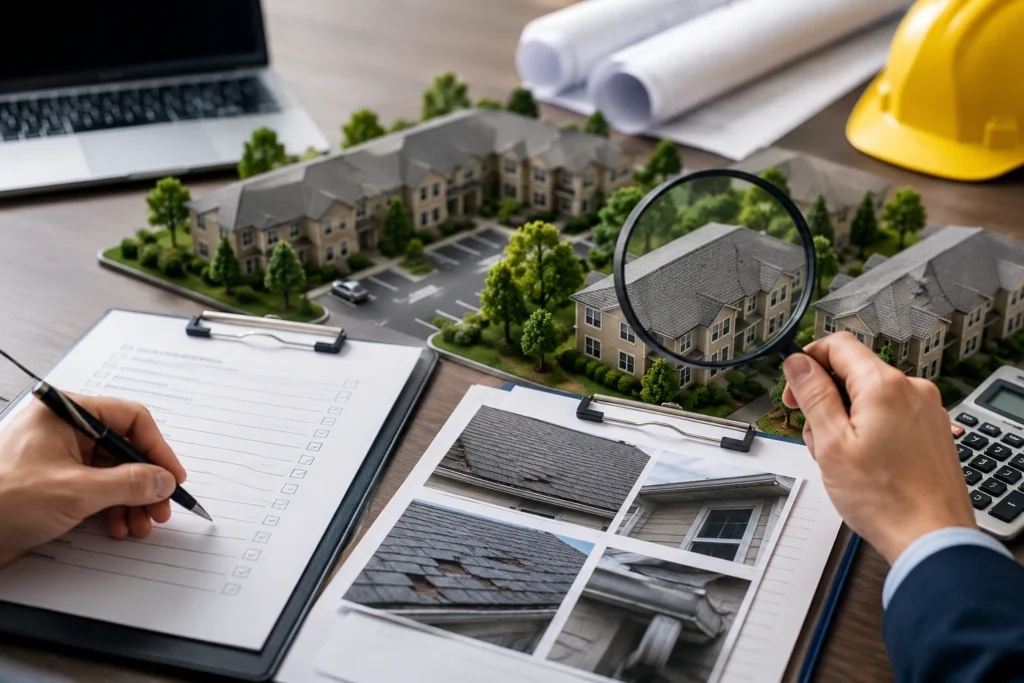
Many board members expect the insurance carrier and the HOA to arrive at similar conclusions regarding damage. Unfortunately, that is not always the case. Several factors commonly create disputes during large property claims.
Scope of Damage Disagreements
One of the most common disagreements involves the extent of necessary repairs. For example, an insurance company may determine that only a portion of a roofing system requires replacement. Meanwhile, contractors hired by the HOA may conclude that additional buildings or roofing sections sustained damage. The difference can be dramatic.
| Item | Insurance Scope | HOA Scope |
|---|---|---|
| Roof Buildings | 4 Buildings | 8 Buildings |
| Gutters | Partial Replacement | Full Replacement |
| Flashing | Limited Repairs | Full Replacement |
| Code Upgrades | Excluded | Required |
Consequently, claim values can vary by hundreds of thousands of dollars.
Repair Cost Disputes
Even when both sides agree that damage exists, they may disagree on repair costs. Common factors include:
- Labor rates
- Material pricing
- Contractor availability
- Inflation
- Project complexity
- Local market conditions
Moreover, HOA projects often require specialized coordination that increases overall costs.
Code Upgrade Requirements
Building code compliance frequently becomes a major point of contention. Older communities may require upgrades when repairs are performed. Potential upgrades can include:
- Roofing improvements
- Wind-resistance standards
- Fire protection enhancements
- Drainage modifications
- Accessibility requirements
Accordingly, code-related expenses can significantly affect the value of a claim.
Matching Material Issues
Maintaining a consistent appearance throughout a community is often a priority for HOA boards. However, replacement materials may not perfectly match existing materials. Common disputes involve:
- Roofing systems
- Siding materials
- Stucco finishes
- Paint colors
- Windows
- Architectural details
Therefore, associations often seek broader replacement scopes to maintain uniformity.
What Is the HOA Insurance Appraisal Process?
The HOA Insurance Appraisal Process is a dispute resolution mechanism found in many property insurance policies. Its purpose is straightforward. When both parties agree that damage occurred but disagree regarding the value of the loss, appraisal provides a method for determining the appropriate amount. Importantly, appraisal generally addresses valuation disputes rather than coverage disputes. That distinction matters.
Appraisal Versus Litigation
Many associations assume litigation is the only option when claim disputes arise. However, appraisal often offers several advantages.
| Appraisal | Litigation |
|---|---|
| Faster resolution | Longer timelines |
| Lower costs | Higher legal expenses |
| Focuses on valuation | Broader legal disputes |
| Less formal process | Court procedures |
| Often completed within months | Can take years |
As a result, appraisal is frequently viewed as a more efficient solution.
Purpose of the Appraisal Clause
The appraisal clause exists to help resolve disagreements regarding the amount of loss. Specifically, it helps:
- Reduce claim delays
- Minimize legal expenses
- Encourage independent evaluations
- Improve valuation accuracy
- Create finality in disputes
Consequently, the HOA Insurance Appraisal Process has become an important tool for resolving large commercial and residential property claims.
When Can an HOA Invoke Appraisal?
Every insurance policy contains unique language. Nevertheless, appraisal is commonly considered when:
- Claim payments appear inadequate
- Repair estimates differ significantly
- Negotiations have stalled
- Supplemental claims remain unresolved
- Significant valuation disputes continue
For example, an insurance company may estimate repairs at $750,000 while contractor estimates exceed $1.5 million. Under those circumstances, appraisal may provide a practical path toward resolution.
How the HOA Insurance Appraisal Process Works
Understanding each stage allows HOA boards to prepare effectively and make informed decisions.
Step 1: Appraisal Demand Is Submitted
The process generally begins with a formal written demand. This notice informs the other party that appraisal is being invoked under the policy. Typically, the demand includes:
- Claim information
- Policy details
- Property identification
- Statement invoking appraisal
Once submitted, policy deadlines often begin running. Therefore, timing can become extremely important.
Step 2: Each Party Selects an Appraiser
Next, both sides select their own appraiser. This decision is often one of the most important aspects of the entire HOA Insurance Appraisal Process. An experienced appraiser should understand:
- Community association claims
- Large-loss property valuation
- Construction estimating
- Roofing systems
- Insurance appraisal procedures
The right appraiser can significantly improve the quality of the valuation process.
The HOA’s Appraiser
The HOA appraiser evaluates the claim from the association’s perspective. Responsibilities often include:
- Reviewing claim documentation
- Inspecting damages
- Evaluating contractor estimates
- Preparing valuation analyses
- Negotiating disputed items
In many cases, experienced appraisers identify damage and costs that were previously overlooked.
The Insurance Company’s Appraiser
Likewise, the insurance carrier selects its own appraiser. That appraiser independently reviews the evidence and develops a valuation of the loss. Although disagreements frequently exist initially, both appraisers typically work toward reaching an agreement before involving an umpire.
Apartment Communities Face Similar Challenges
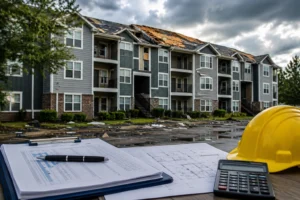
Interestingly, many of the same issues encountered during the HOA Insurance Appraisal Process also Can Appraisal Be Used for Roof Claims?. Large residential properties often contain multiple buildings, extensive roofing systems, shared amenities, parking lots, and common infrastructure. Consequently, evaluating damages and determining repair costs can become highly complex when large-scale property losses occur. Additionally, large property claims often involve numerous variables, and decision-makers may initially rely on a heuristic approach before conducting a more detailed evaluation. Ultimately, the goal is to reach a fair valuation that approaches Pareto efficiency, where one party’s position cannot improve without adversely affecting another.
Step 3: Selection of an Umpire
If the two appraisers cannot fully agree on the amount of loss, the next step involves selecting an umpire. The umpire serves as a neutral third party. Importantly, the umpire is not automatically involved in every disagreement. Instead, the umpire typically reviews only the items that remain disputed after negotiations between the appraisers. An effective umpire should possess:
- Property claim experience
- Construction knowledge
- Insurance appraisal expertise
- Strong analytical skills
- Independence from both parties
Occasionally, the appraisers cannot agree on an umpire selection. In those situations, a court may appoint one according to policy provisions and applicable law. Therefore, choosing qualified professionals from the beginning can help avoid unnecessary delays.
Step 4: Property Inspection and Documentation Review
Once the appraisal panel is established, a detailed review of the loss begins. At this stage, documentation becomes extremely important. The stronger the evidence, the stronger the valuation position. Common materials reviewed during the HOA Insurance Appraisal Process include:
- Property inspections
- Contractor estimates
- Engineering reports
- Roofing assessments
- Drone imagery
- Building plans
- Maintenance records
- Prior repair documentation
- Photographs and videos
Furthermore, appraisers often conduct their own inspections to verify damage conditions. This independent review helps ensure that valuations are based on actual property conditions rather than assumptions.
Step 5: Appraisers Attempt to Reach Agreement
After gathering evidence, both appraisers begin comparing their findings. This phase often involves extensive discussions regarding:
- Damage scope
- Repair methods
- Material pricing
- Labor costs
- Code compliance requirements
In many cases, the appraisers successfully resolve most disputed items without involving the umpire. Consequently, the process can move forward more efficiently. When experienced professionals participate, agreement is often reached on a substantial portion of the claim.
Step 6: Umpire Participation
However, some disagreements inevitably remain. At that point, the disputed items are submitted to the umpire for review. The umpire evaluates:
- Inspection findings
- Estimates
- Expert reports
- Photographic evidence
- Policy-related valuation issues
After reviewing the information, the umpire determines which valuation position is most appropriate. Ultimately, any agreement signed by two members of the appraisal panel generally becomes binding. This means:
- Both appraisers agree; or
- One appraiser and the umpire agree.
Either scenario can produce a final appraisal award.
Step 7: Issuance of the Appraisal Award
The final step involves issuing the appraisal award. This document establishes the determined value of the loss. Once completed, the insurance carrier typically adjusts the claim according to the award amount, subject to applicable policy terms and prior payments. As a result, appraisal often provides clarity where negotiations previously stalled. For many associations, this becomes the turning point that allows repairs to move forward.
Unique Challenges in HOA Insurance Appraisals
HOA claims differ significantly from standard residential claims. Consequently, appraisal proceedings often involve additional layers of complexity.
Multi-Building Communities
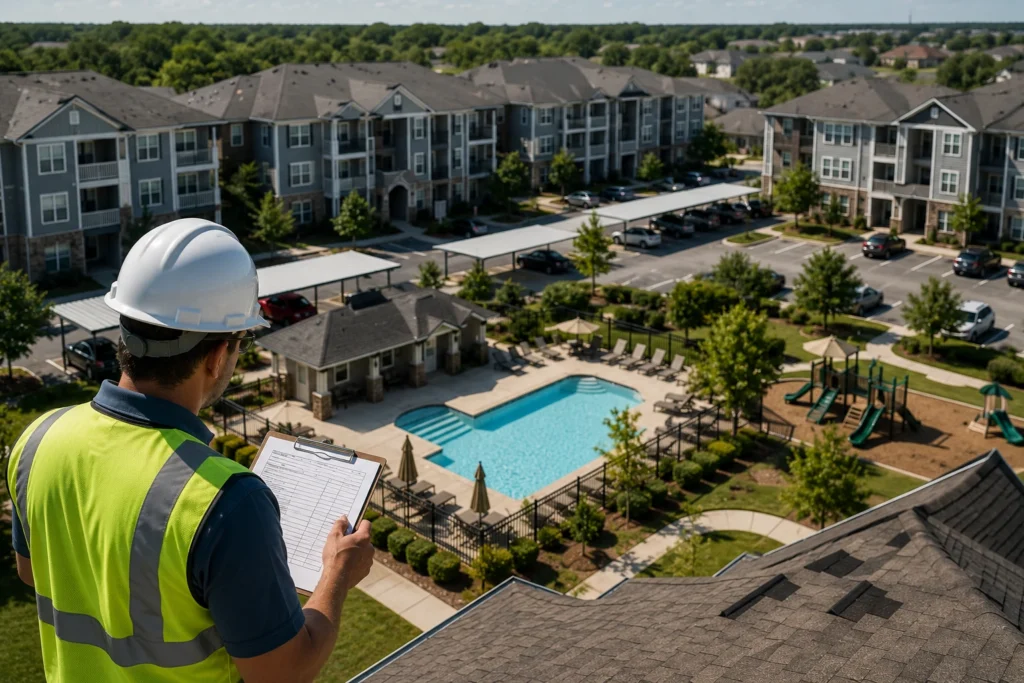
Many associations contain numerous buildings spread across large properties. Damage may vary dramatically from one structure to another. For example:
- One roof may require replacement.
- Another may only require repairs.
- A third may show little measurable damage.
Therefore, detailed inspections become critical.
Shared Community Assets
Unlike individual homeowners, HOAs must consider numerous common property elements. These may include:
- Clubhouses
- Pools
- Tennis courts
- Fitness centers
- Security gates
- Fencing
- Parking areas
- Retaining walls
Each component must be evaluated separately. Accordingly, valuation disputes can become increasingly complicated.
Large Roofing Systems
Roofing systems frequently represent the largest portion of an HOA claim. However, evaluating roofing damage across multiple structures is rarely straightforward. Factors may include:
- Different roofing ages
- Multiple roofing materials
- Previous repairs
- Varying storm exposure
- Code compliance concerns
Therefore, roofing disputes are among the most common reasons associations pursue appraisal.
Resident Coordination Challenges
Unlike vacant commercial properties, HOA communities remain occupied during inspections and repairs. As a result, access limitations can complicate evaluations. Property managers often coordinate:
- Unit access
- Resident communications
- Inspection scheduling
- Contractor activities
Effective coordination helps minimize disruptions while supporting accurate claim evaluation.
Key Evidence That Strengthens an HOA Appraisal Case
Strong documentation often influences the outcome of an appraisal proceeding. Accordingly, HOA boards should begin gathering evidence as early as possible.
Professional Damage Assessments
Independent evaluations frequently provide valuable support. Examples include:
- Roofing consultants
- Engineers
- Building envelope specialists
- Construction experts
Their findings often help clarify disputed issues.
Maintenance Records
Insurance carriers may question whether damage resulted from a covered event or long-term deterioration. Therefore, maintenance documentation can be extremely helpful. Useful records include:
- Inspection reports
- Service invoices
- Repair histories
- Maintenance schedules
These documents establish the property’s pre-loss condition.
Contractor Estimates
Detailed contractor proposals frequently become key evidence. The strongest estimates typically include:
- Material quantities
- Labor calculations
- Code requirements
- Equipment costs
- Project logistics
Comprehensive estimates help support valuation positions.
Photographic Documentation
Pictures tell a powerful story. Therefore, boards should preserve:
- Pre-loss photographs
- Post-loss images
- Drone photographs
- Video inspections
Visual evidence often highlights conditions that written reports cannot fully capture.
Benefits of the HOA Insurance Appraisal Process
The HOA Insurance Appraisal Process offers several advantages compared to traditional litigation.
Faster Resolution
Court cases can take years. By contrast, appraisal often concludes within months. Consequently, communities can begin repairs sooner.
Lower Costs
Litigation frequently involves substantial legal expenses. Meanwhile, appraisal generally requires fewer resources. This can preserve association funds.
Independent Evaluation
Both parties participate in the valuation process. As a result, the final determination often reflects multiple professional perspectives.
Focus on Repair Costs
Unlike lawsuits that may involve numerous legal issues, appraisal focuses primarily on valuation. Therefore, the process remains more targeted and efficient.
Potentially Improved Claim Outcomes
When significant damage has been overlooked or undervalued, appraisal may help associations recover additional funds needed for repairs. For that reason, many HOA boards consider appraisal an important claim resolution tool.
Texas-Specific Considerations for HOA Insurance Appraisals
Texas experiences some of the nation’s most severe weather events. Consequently, appraisal plays a significant role in resolving large property claims.
Hail Claims
Texas hailstorms regularly affect condominium complexes, townhome communities, and homeowners associations. Roofing disputes frequently become central appraisal issues.
Wind and Hurricane Losses
Coastal communities often face major wind-related claims. These losses can involve:
- Roofing systems
- Siding
- Windows
- Structural components
Accordingly, accurate valuation becomes critical.
Large Community Claims
Texas contains thousands of large residential developments. Because repair costs can reach millions of dollars, even modest valuation differences may create significant disputes. Therefore, selecting experienced appraisal professionals becomes especially important.
When HOA Boards Should Consider Appraisal
Not every claim dispute requires appraisal. However, several warning signs may indicate that appraisal deserves consideration.
Potential Indicators
- Significant estimate differences
- Repeated negotiation failures
- Delayed claim resolution
- Large underpayment concerns
- Unresolved supplemental requests
When these issues persist, appraisal may offer a practical solution.
Situations Where Appraisal May Not Be Appropriate
Certain disputes involve issues beyond valuation. Examples include:
- Coverage disputes
- Policy interpretation disagreements
- Bad-faith allegations
- Coverage denials
In those situations, alternative legal remedies may be necessary.
Choosing an HOA Insurance Appraiser
The success of an appraisal often depends on the professionals involved. Therefore, selecting the right appraiser should never be treated as an afterthought. Look for experience in:
- HOA claims
- Condominium losses
- Community associations
- Large-loss valuation
- Texas property insurance claims
- Construction estimating
Additionally, strong communication skills are essential. The best appraisers not only understand property damage but can also effectively present evidence and negotiate complex issues.
Conclusion
Ultimately, the HOA Insurance Appraisal Process provides associations with a practical way to resolve valuation disputes without prolonged litigation. While large property claims can be complex, appraisal offers a structured framework for evaluating damages, reviewing evidence, and determining the amount of loss. Therefore, when negotiations stall and significant disagreements remain, appraisal may help HOA boards, property managers, and community leaders move claims toward resolution and focus on what matters most restoring the community.
FAQs
The HOA Insurance Appraisal Process is a method used to resolve disputes over the value of an insurance claim. It allows independent appraisers and, if necessary, an umpire to determine the amount of loss.
An HOA may invoke appraisal when it disagrees with the insurance company’s valuation of a covered loss. The specific requirements and deadlines depend on the policy language.
No. Appraisal generally addresses the amount of loss, not whether coverage exists under the policy.
In most cases, the appraisal award is binding regarding the value of the loss. However, certain legal issues may still be challenged separately.
The timeline varies depending on the complexity of the claim and the cooperation of the parties involved. Many appraisal proceedings are completed faster than traditional litigation.
The HOA typically pays its own appraiser, while the insurance company pays for its appraiser. The cost of the umpire is usually shared between both parties.
The umpire serves as a neutral third party who helps resolve disagreements between the two appraisers. The umpire only becomes involved when disputed issues remain unresolved.
Yes. Hail damage claims are among the most common types of claims that proceed through appraisal, especially when there are disagreements about roofing damage or repair costs.
Strong evidence includes contractor estimates, engineering reports, maintenance records, photographs, drone imagery, and detailed property inspections.
Both involve large residential properties with multiple structures and shared components. However, HOA claims often include community-owned amenities and common areas that require separate valuation considerations.