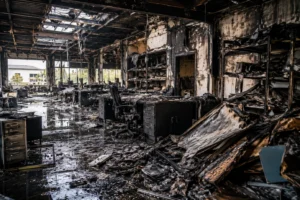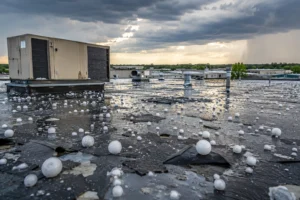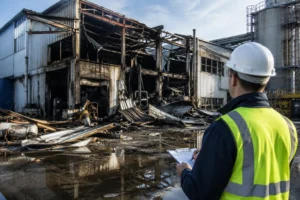

Large property losses often create large insurance disputes. A commercial fire, major hailstorm, hurricane, or catastrophic water event can leave property owners facing damages worth hundreds of thousands or even millions of dollars. However, the biggest challenge is not always proving the damage exists. Instead, disagreements frequently arise over how much the loss is worth. This is where Large Loss Insurance Appraisal Texas becomes important. When insurers and policyholders cannot agree on repair costs, replacement values, or the scope of damage, the appraisal process can provide a structured path toward resolution. Therefore, understanding how appraisal works can help property owners protect their financial interests and move claims forward more efficiently.
What Is a Large Loss Insurance Claim?
A large loss claim generally involves substantial property damage resulting in significant repair or replacement costs. There is no universal dollar threshold. However, large-loss claims commonly involve damages ranging from several hundred thousand dollars to many millions. Examples include:
- Commercial building fires
- Hurricane damage
- Large hail losses
- Tornado destruction
- Industrial property damage
- Apartment complex losses
- Manufacturing facility claims
- Luxury residential property claims
- Major water losses
These claims are often more complicated because multiple building systems are affected simultaneously. A roof may be damaged. Electrical systems may require replacement. Interior finishes may be destroyed. Business operations may be interrupted. Consequently, the larger the loss becomes, the more moving parts are involved.
Why Large Loss Claims Frequently Become Disputed
Many property owners assume insurance claims are straightforward. Unfortunately, large losses rarely are. Several factors commonly create disagreements.
Complex Damage Assessments
Large losses often affect numerous areas of a structure. Visible damage is only part of the equation. Hidden issues may include:
- Structural movement
- Moisture intrusion
- Electrical damage
- Mechanical system failures
- Insulation contamination
- Smoke infiltration
Two experts can inspect the same property and arrive at significantly different conclusions. That happens more often than many people realize. Large-loss investigations often involve numerous variables interacting at the same time. In some respects, the process resembles analyzing a complex multivariate analysis, where multiple factors must be evaluated together before accurate conclusions can be reached.
Scope Differences
One contractor may identify twenty damaged components. Another may identify forty. The insurance carrier’s estimate may include repairs while a contractor recommends replacement. As a result, these scope disagreements frequently become the foundation of claim disputes.
Pricing Disagreements
Even when parties agree on what needs repair, they may disagree on cost. Labor rates fluctuate. Material costs change. Regional market conditions affect pricing. A few dollars difference on a small repair is insignificant. However, a few dollars difference across thousands of line items becomes substantial.
Depreciation Issues
Many large claims involve disputes regarding depreciation calculations. The difference between Actual Cash Value and Replacement Cost Value can dramatically affect settlement amounts. For high-value properties, these differences can easily reach six figures.
Building Code Requirements
Modern building codes create another challenge. A property built twenty years ago may not comply with current requirements. When repairs occur, code upgrades may become mandatory. Common upgrades include:
| Code Upgrade | Potential Impact |
|---|---|
| Roofing Requirements | Increased replacement costs |
| Electrical Systems | Additional labor and materials |
| Fire Protection Systems | Significant compliance expenses |
| Accessibility Improvements | Commercial property upgrades |
| Structural Enhancements | Increased reconstruction costs |
Therefore, these requirements often become points of disagreement during large-loss claims.
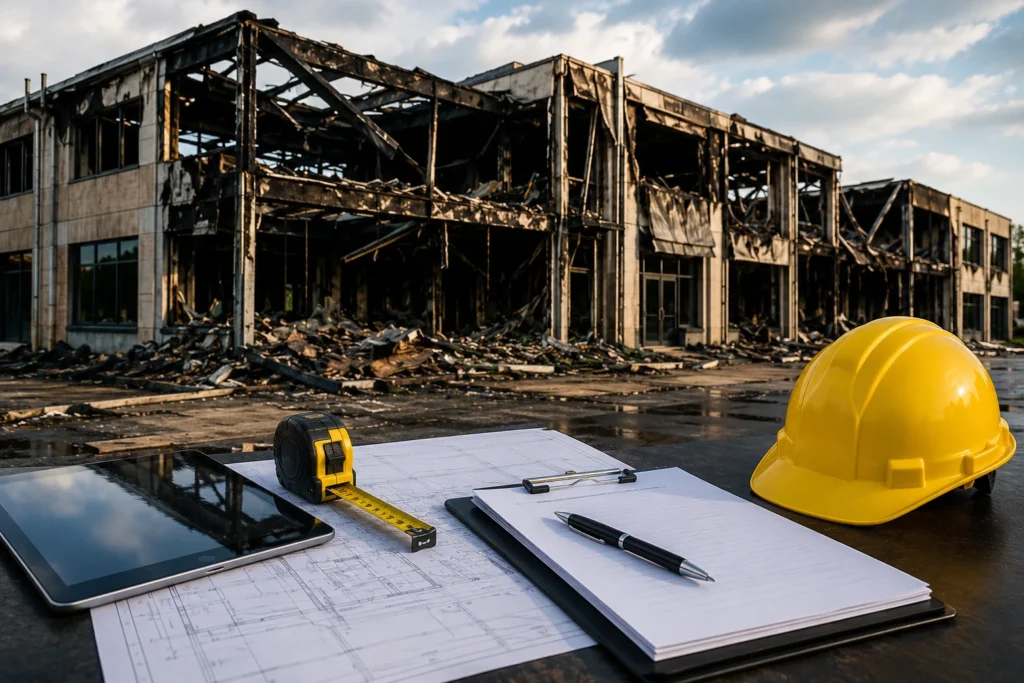
Understanding Insurance Appraisal in Texas
Many insurance policies contain an appraisal clause. This clause creates a mechanism for resolving disputes regarding the value of a loss. Importantly, appraisal typically addresses valuation disputes rather than coverage disputes. That distinction matters. If the insurer agrees damage exists but disagrees about the amount owed, appraisal may be appropriate. If the insurer denies coverage entirely, appraisal may not resolve the issue.
The Purpose of Appraisal
The appraisal process exists to provide an alternative to litigation. Instead of immediately filing a lawsuit, both parties can use independent professionals to determine the value of the loss. Consequently, the process is often faster and less expensive than prolonged legal action.
The Three Key Participants
A Texas insurance appraisal typically involves three individuals.
Policyholder Appraiser
The property owner selects an appraiser. This individual evaluates damages, develops valuations, and advocates for an accurate assessment of the loss.
Umpire
If disagreements remain, an umpire helps resolve disputed issues. The umpire serves as a neutral third party. When two of the three participants agree, an appraisal award can often be issued. One question property owners frequently ask is, “Can You Sue After Insurance Appraisal?“ The answer depends on the specific circumstances of the claim. While appraisal often resolves disputes regarding the amount of loss, certain legal issues involving coverage, bad faith allegations, or policy interpretation may still be addressed separately through the courts.
When Is Appraisal Appropriate for a Large Loss Claim?
Not every dispute belongs in appraisal. However, many large-loss disagreements fit perfectly within the appraisal process.
Underpaid Property Damage Claims
One of the most common situations involves underpayment. The insurer acknowledges damage but values it significantly lower than the property owner’s estimate. In these situations, appraisal can help bridge that gap.
Scope Disputes
Sometimes the disagreement involves what was damaged. Questions may arise such as:
- Should the roof be repaired or replaced?
- Were interior finishes affected?
- Does hidden moisture exist?
- Is structural damage present?
These valuation-related questions frequently become appraisal issues.
Commercial Property Claims
Commercial losses often involve substantial disagreement due to the complexity of buildings. Examples include:
- Office buildings
- Warehouses
- Retail centers
- Apartment communities
- Hotels
- Manufacturing facilities
Naturally, the larger the property, the greater the likelihood of valuation disputes.
Hurricane and Catastrophe Claims
Texas property owners understand hurricane risks. Following widespread disasters, insurers face enormous claim volumes. Under these conditions, disagreements regarding damage scope and repair costs become increasingly common. Therefore, many hurricane-related disputes eventually move into appraisal.
The Large Loss Appraisal Process Step by Step
Understanding the process helps property owners navigate large claims more effectively.
Step 1: Review the Insurance Policy
The appraisal clause governs the process. Every policy contains unique language. Therefore, understanding deadlines, requirements, and procedures is essential before taking action.
Step 2: Demand Appraisal
When negotiations fail, one party may formally invoke appraisal. This typically occurs through written notice. The demand triggers the appraisal process outlined in the policy.
Step 3: Select an Experienced Appraiser
This decision can significantly influence the outcome. Large-loss claims require specialized expertise. The appraiser should understand:
- Complex property losses
- Construction estimating
- Texas insurance disputes
- Commercial building systems
- Catastrophe-related damages
Experience matters. A lot.
Step 4: Conduct a Thorough Investigation
Successful appraisals rely on evidence. The investigation phase often includes:
- Site inspections
- Drone documentation
- Engineering reports
- Contractor estimates
- Photographs
- Repair invoices
- Building plans
- Expert consultations
The stronger the documentation, the stronger the valuation analysis becomes.
Step 5: Analyze Scope and Pricing
This phase involves detailed review of:
- Damage scope
- Repair methods
- Replacement requirements
- Material costs
- Labor pricing
- Code upgrades
Large-loss appraisals frequently involve thousands of estimate line items. Accordingly, accuracy becomes critical.
Step 6: Select an Umpire
If appraisers cannot agree, an umpire becomes involved. The umpire reviews disputed items and helps reach a final determination. Choosing a qualified umpire is often one of the most important decisions in the entire process.
Step 7: Present Evidence
Each side submits supporting information. This may include:
- Expert reports
- Cost analyses
- Photographs
- Construction estimates
- Technical evaluations
The objective is not simply to gather documents. Instead, appraisers must organize information into a logical framework that supports their conclusions. This process often requires a level of epistemology, focusing on how knowledge is validated through evidence, expert analysis, and documented observations.
Step 8: Issue the Appraisal Award
Once agreement is reached by any two members of the panel, an appraisal award may be issued. In many situations, this award becomes binding regarding the amount of loss. Ultimately, for large-loss claims, the resulting award can represent a significant financial difference for the property owner.
Challenges Unique to Large Loss Insurance Appraisals
Large-loss appraisals are not simply bigger versions of ordinary claims. Instead, they introduce entirely different challenges. As claim values increase, the complexity often increases as well.
Multi-Million-Dollar Property Losses
A dispute involving a $20,000 roof repair is very different from a dispute involving a $5 million commercial reconstruction project. The financial stakes become much higher. Consequently, every estimate, inspection, and valuation receives greater scrutiny. Even small percentage differences can translate into hundreds of thousands of dollars.
Complex Commercial Structures
Many large-loss claims involve properties with specialized systems and unique construction features. Examples include:
- Manufacturing facilities
- Hotels
- Apartment communities
- Medical offices
- Industrial warehouses
- Retail centers
Each property type presents unique valuation challenges. Therefore, appraisers often need to consult multiple experts to accurately determine damages.
Multiple Expert Opinions
Large claims frequently involve:
- Engineers
- Contractors
- Architects
- Accountants
- Roofing consultants
- Building code specialists
While these professionals provide valuable insight, their opinions do not always align. As a result, appraisal often becomes the forum where conflicting evaluations are analyzed and resolved.
Large Volumes of Documentation
Major losses generate substantial records. These may include:
- Thousands of photographs
- Repair estimates
- Engineering reports
- Maintenance records
- Financial statements
- Vendor invoices
Accordingly, organization becomes essential. Without proper documentation management, critical evidence can easily be overlooked.
Business Recovery Pressures
Commercial property owners often face another challenge. Time. The longer a claim remains unresolved, the longer business operations may be disrupted. Therefore, many policyholders pursue appraisal because it can often produce a resolution faster than prolonged litigation.
Large Loss Appraisal for Commercial Property Claims
Commercial claims are among the most common large-loss disputes in Texas. These losses often extend far beyond simple building repairs.
Commercial Building Damage
Damage may affect:
- Roofing systems
- Structural components
- Exterior walls
- Mechanical equipment
- Electrical systems
- Interior finishes
Each category requires separate valuation analysis. Consequently, commercial appraisals often involve extensive inspections.
Business Personal Property Losses
A commercial property contains more than just the building itself. Business personal property may include:
- Furniture
- Computers
- Machinery
- Inventory
- Production equipment
Disputes frequently arise regarding replacement costs and depreciation.
Equipment and Machinery Damage
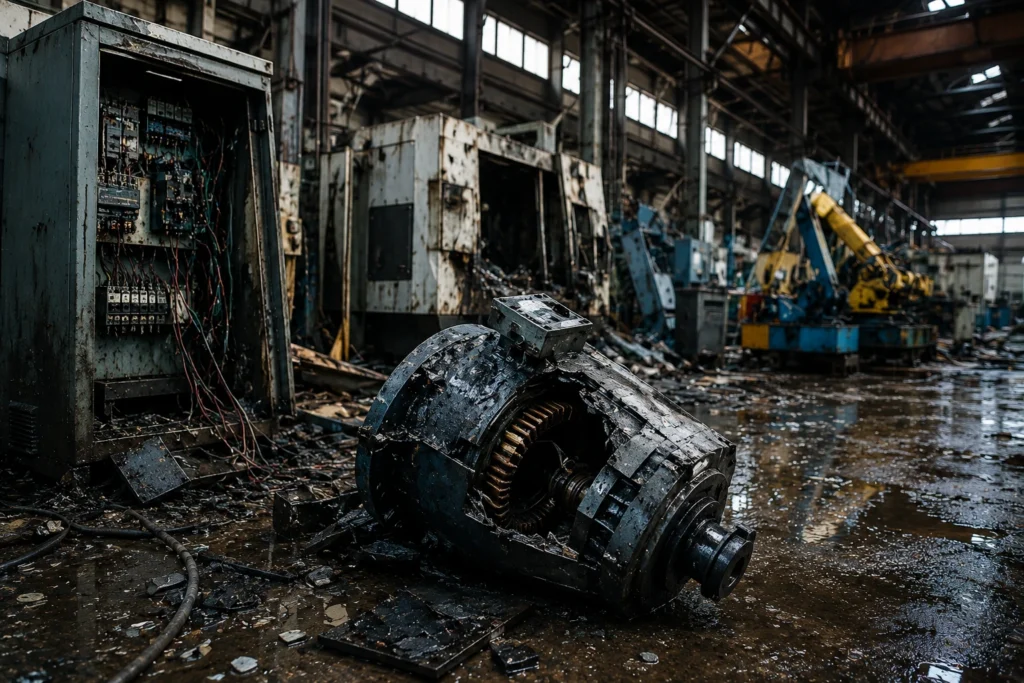
Industrial facilities often contain expensive machinery. Replacement costs can be significant. Furthermore, specialty equipment may require custom fabrication or lengthy lead times. These factors can substantially affect valuation.
Inventory Losses
Retailers, manufacturers, and distributors frequently experience inventory-related losses. The challenge is determining:
- Quantity damaged
- Value of goods
- Salvage potential
- Replacement costs
Accurate inventory documentation becomes critical.
Loss of Income Considerations
Property damage often creates operational disruption. Businesses may experience:
- Reduced revenue
- Temporary closures
- Customer losses
- Increased operating expenses
Although appraisal typically focuses on valuation issues, business interruption calculations often influence the overall claim strategy.
Residential Large Loss Appraisal Cases
While commercial claims receive significant attention, residential large-loss claims can be equally complex.
Total Fire Losses
House fires create some of the most challenging valuation disputes. A total-loss claim may involve:
- Structural damage
- Personal property losses
- Smoke contamination
- Debris removal
- Temporary housing expenses
Therefore, accurate documentation becomes extremely important.
Luxury Home Claims
High-end homes often contain custom materials and premium finishes. Examples include:
- Imported stone
- Custom cabinetry
- Architectural millwork
- Smart home systems
- Luxury flooring
Standard pricing databases may not accurately reflect replacement costs. Consequently, specialized valuation expertise is often necessary.
Hurricane-Damaged Homes
Texas coastal properties face ongoing hurricane risks. A single storm may damage:
- Roofing systems
- Exterior cladding
- Windows
- Interior finishes
- Mechanical systems
Disagreements regarding scope and pricing frequently arise after major storms.
Custom Construction Challenges
Custom-built homes often contain unique design features. Finding exact replacements can be difficult. As a result, appraisal may become necessary to establish fair replacement values.
Benefits of Insurance Appraisal in Large Loss Claims
When properly utilized, appraisal offers several advantages.
Faster Resolution
Litigation can take years. Appraisal often moves much faster. Therefore, property owners may receive resolution sooner.
Reduced Legal Expenses
Court cases can become extremely expensive. Appraisal frequently costs less than prolonged litigation. Consequently, more claim dollars may remain available for actual repairs.
Independent Evaluation
Both parties select independent appraisers. This structure creates a more balanced valuation process.
Focus on Valuation
Many claim disputes involve numbers rather than coverage. Appraisal directly addresses those valuation disagreements. As a result, the process remains focused on determining the amount of loss.
Potential for Increased Recovery
When significant damage has been overlooked or undervalued, appraisal may help identify additional amounts owed under the policy.
Common Mistakes Property Owners Make During Large Loss Claims
Even strong claims can encounter problems when avoidable mistakes occur.
Waiting Too Long
Delays can complicate investigations. Evidence may disappear. Conditions may change. Therefore, prompt action is important.
Accepting Initial Estimates Without Review
The first estimate is not always the final estimate. Large losses deserve careful evaluation.
Poor Documentation
Photographs, reports, invoices, and estimates all matter. Without supporting evidence, proving damages becomes more difficult.
Hiring Inexperienced Representatives
Large-loss claims require specialized knowledge. Experience often influences outcomes.
Confusing Coverage and Valuation Issues
Not every disagreement belongs in appraisal. Understanding the distinction helps avoid unnecessary delays.
Overlooking Hidden Damage
Surface damage is only part of the story. Moisture intrusion, structural movement, and concealed deterioration can significantly increase repair costs.
How to Choose a Large Loss Insurance Appraiser in Texas
Not all appraisers possess the same qualifications. Choosing the right professional can make a substantial difference.
Look for Large-Loss Experience
The appraiser should have experience handling high-value claims involving complex properties.
Verify Texas Claim Knowledge
Texas insurance disputes involve unique legal and procedural considerations. Local experience matters.
Evaluate Construction Knowledge
A strong appraiser should understand:
- Construction methods
- Estimating practices
- Building systems
- Code requirements
Review Commercial and Residential Experience
Large losses occur across many property types. Broad experience can provide valuable perspective.
Consider Umpire Experience
Appraisers who have served as umpires often possess a deeper understanding of dispute resolution.
Assess Reputation
Look for professionals known for credibility, accuracy, and thorough documentation. Those qualities become especially important when significant claim dollars are at stake.
Conclusion
Large-loss insurance claims involve substantial financial exposure. However, when valuation disputes arise, policyholders are not limited to accepting an insurer’s estimate or immediately filing a lawsuit. Instead, Large Loss Insurance Appraisal Texas provides a structured process for resolving disagreements regarding the amount of loss. Whether the claim involves a commercial facility, apartment complex, luxury residence, hurricane damage, or a major fire loss, appraisal can help establish a more accurate valuation. Ultimately, selecting experienced professionals, documenting damages thoroughly, and understanding the appraisal process can significantly improve a property owner’s ability to protect the full value of a legitimate insurance claim.
FAQs
A large loss claim typically involves significant property damage with repair or replacement costs reaching hundreds of thousands or even millions of dollars.
Insurance appraisal helps resolve disputes over the value of a loss when the policyholder and insurer cannot agree on the amount owed.
No. Appraisal generally addresses the amount of loss, while coverage disputes are usually handled separately.
The timeline varies depending on the complexity of the claim, but many appraisal cases are resolved faster than traditional litigation.
Typically, each party pays for its own appraiser, while the cost of the umpire is usually shared between the policyholder and insurer.
Yes. If damage has been undervalued or important items were omitted, appraisal may help establish a more accurate claim value.
Appraisal is frequently used for commercial buildings, apartment complexes, industrial facilities, hotels, and high-value residential properties.
Yes. Many Texas hurricane and hail claims involve disputes over repair costs or damage scope, making them common candidates for appraisal.
In some situations, yes. Although appraisal may resolve valuation disputes, certain legal issues involving coverage or bad-faith allegations may still be pursued separately.
Look for an appraiser with extensive experience handling large-loss claims, strong construction knowledge, and a proven understanding of Texas insurance disputes.